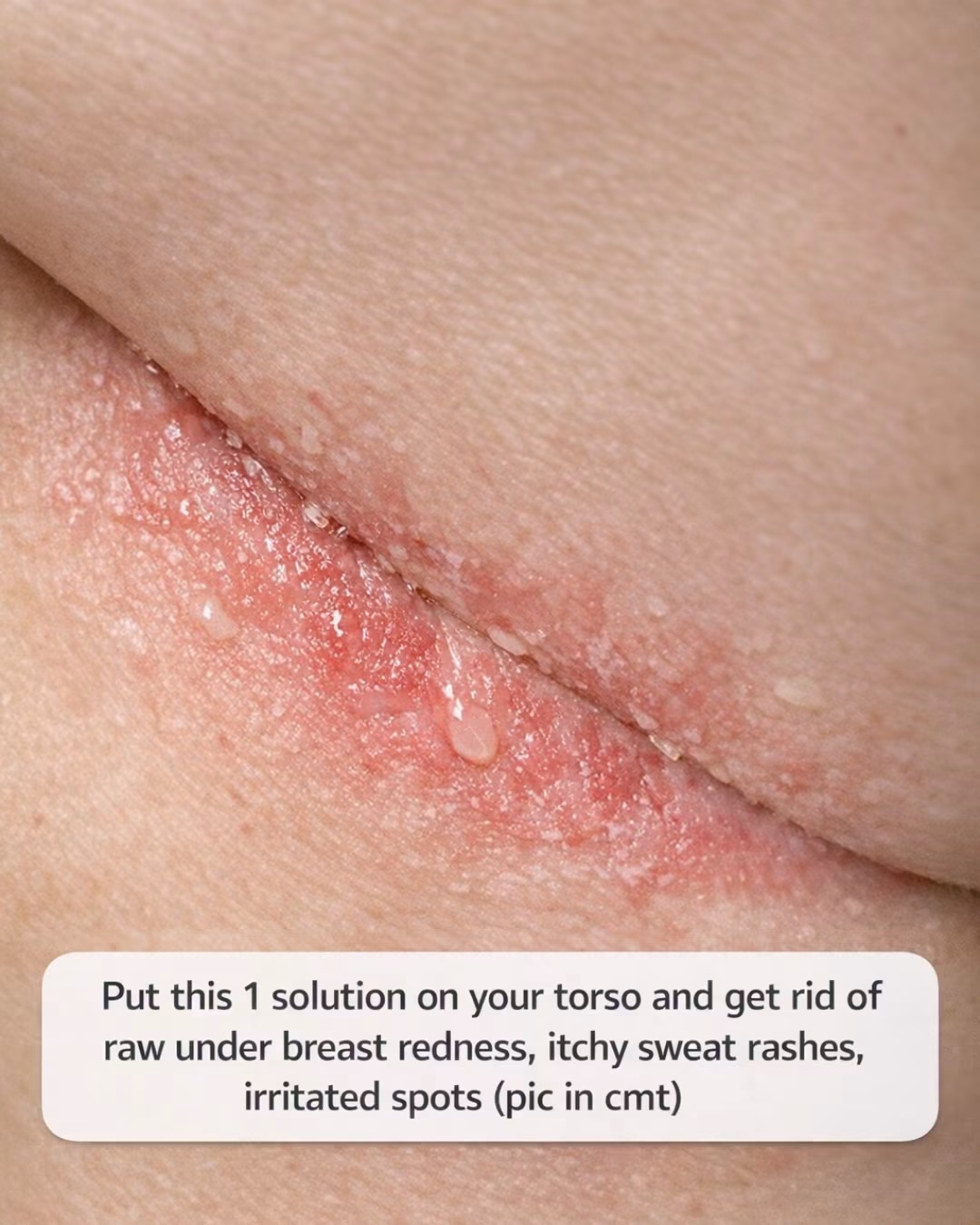
If you’ve ever peeled off a sports bra or camisole at the end of a hot day and found angry red skin underneath, you already know how miserable under-breast irritation can be. I’ve dealt with it during sticky Midwestern summers, after rushed workouts, and even on long workdays when I barely had time to breathe, let alone change into something dry. The good news is that one simple, inexpensive solution helps a lot of people calm the rawness: a thin layer of zinc oxide cream on clean, dry skin.
This isn’t magic, and it’s not the right answer for every rash, but it is one of the most practical first-line fixes for sweat-friction irritation on the torso. In this article, I’ll walk through why zinc oxide helps, exactly how to apply it, how much to use, what mistakes make rashes worse, and when redness under the breasts needs a doctor instead of a home remedy.
- The one solution: zinc oxide cream
If I had to keep one skin-protecting product in my bathroom for heat rash, chafing, and damp-skin irritation, it would be zinc oxide cream. It’s the same general ingredient used in many diaper rash creams, barrier creams, and skin protectants. What it does best is create a physical barrier over irritated skin so sweat, friction, and rubbing don’t keep re-injuring the area every few minutes.
Look for a plain zinc oxide cream or paste with around 10% to 40% zinc oxide. Lower percentages are usually easier to spread. Higher percentages are thicker and can work well if the area is very raw. A basic tube from a drugstore often costs about $5 to $12 and lasts a long time because you only need a small amount per use. - Why under-breast redness happens so easily
The fold under the breasts traps heat, moisture, salt from sweat, body oils, and friction. That combination can lead to intertrigo, which is the general term for inflammation in skin folds. On a 85°F to 95°F summer day, or even in a warm office under layered clothes, that area can stay damp for hours. Add a snug underwire bra, synthetic fabric, or a workout, and skin can become red, shiny, itchy, and sore fast.
For me, the worst flare-ups happen when I’m hustling from work to errands and stay in a damp bra too long. Even a small amount of trapped moisture can turn into a cycle: sweat causes friction, friction breaks down skin, and broken-down skin gets even more irritated by the next round of sweat. - What zinc oxide actually does for irritated torso skin
Zinc oxide is a skin protectant, not just a random cream. It helps by reducing direct contact between skin surfaces and by shielding the area from moisture. Think of it like a breathable wall between your skin and all the things aggravating it. That protective layer can lower stinging, cut down rubbing, and give the skin time to recover.
It also tends to be bland and less irritating than heavily fragranced lotions. That matters because once skin is raw, even a “nice-smelling” body cream can burn. If the area feels hot, tender, and rubbed raw, a simple barrier product usually makes much more sense than piling on active ingredients. - How to clean the area before applying it
This step matters more than people think. Before applying zinc oxide, wash the area gently with lukewarm water and a mild, fragrance-free cleanser. You do not need a scrub, exfoliating cloth, or medicated body wash. Use your fingertips only. Harsh rubbing can make already inflamed skin worse in less than 30 seconds.
After washing, pat dry with a soft towel. Then let the skin air-dry for 5 to 10 minutes, or use a hair dryer on a cool setting for 20 to 30 seconds from at least 8 to 10 inches away. The goal is fully dry skin. If you trap moisture under a barrier cream, you can make the problem worse instead of better. - Exactly how much to use and how to apply it
You do not need a thick frosting-like layer. For most people, a pea-sized to blueberry-sized amount per side is enough, depending on breast size and how much skin is irritated. Squeeze a little onto a clean fingertip and spread a thin, even coat over the red or chafed area and just beyond the edges where rubbing usually happens.
Reapply 2 to 3 times a day, especially in the morning, after sweating, and before bed. If you’re prone to irritation during exercise, applying a light coat 10 to 15 minutes before putting on a bra can help reduce friction. If the cream pills up, feels overly greasy, or transfers heavily onto clothing, you’re probably using too much. - The difference between irritation and a yeast rash
This is where I always tell friends to pause and actually look at the rash. Plain sweat-friction irritation is usually red, tender, and rubbed-looking. A yeast rash under the breast often looks bright red, can be shiny, may itch intensely, and sometimes has little red “satellite” spots around the main rash. It may also keep coming back even when you try to keep the area dry.
Zinc oxide can still protect irritated skin, but it does not treat yeast overgrowth. If the rash smells unusual, has small pimple-like spots around it, or doesn’t improve after several days of careful drying and barrier protection, you may need an antifungal cream recommended by a pharmacist or clinician. - What to avoid putting on the rash
I know it’s tempting to try everything in the cabinet, but more products usually create more irritation. Skip heavily fragranced lotions, essential oils, body sprays, and harsh exfoliants. I would also avoid putting hydrogen peroxide or alcohol on this kind of rash. Those can sting and delay healing by drying and irritating damaged skin even more.
Be careful with powders too. Powder can help some people stay dry, but if it cakes up in a damp skin fold, it can form a paste that increases friction. If you do use powder, it should be very light, and not layered thickly under cream. In general, for actively raw skin, I prefer a clean-dry-zinc routine over experimenting with 5 different products. - Clothing changes that help the cream work better
The cream works best when your clothing isn’t fighting against it. Choose breathable bras made with cotton-lined cups or moisture-wicking fabric, and avoid anything that digs into the fold underneath the breasts. If a bra band leaves a deep red groove by the end of the day, that mechanical pressure may be part of the problem.
At home, if it’s practical, go without a bra for 30 to 60 minutes after cleansing and applying the cream so the area can stay dry and undisturbed. I’ve also found that changing out of a sweaty sports bra within 15 minutes of finishing a workout makes a huge difference. The longer wet fabric sits there, the worse the rash tends to get. - A simple morning and evening routine that works for busy days
When life gets hectic, routines have to be realistic. In the morning: wash gently, dry thoroughly, apply a thin layer of zinc oxide, and put on a clean bra. If you sweat a lot during your commute or lunch walk, tuck a soft cotton cloth or moisture-wicking bra liner under the breast fold temporarily, then remove and replace it if it gets damp.
At night: remove the bra, cleanse the area, dry it completely, and reapply a thin layer. If you’re very sore, sleep in a loose cotton T-shirt. This is basically the exact routine I fall back on during July and August, and it helps keep a minor irritation from turning into a painful multi-day flare. - How long it usually takes to feel better
If the issue is mild friction and sweat irritation, many people notice less stinging within 24 hours and visible improvement in 2 to 3 days. More significant rawness can take 5 to 7 days to settle down. The key is consistency: keeping the area clean, dry, and protected every day rather than applying cream once and hoping for the best.
If the redness is spreading, the skin is cracking, or the pain is increasing after 48 to 72 hours, don’t just keep layering on more cream. That’s a sign you may be dealing with infection, yeast, contact dermatitis, or another issue that needs a different treatment plan. - When itching means you should stop and reassess
Not every itch is simple sweat rash. If itching becomes severe, keeps you awake, or comes with blistering, peeling, oozing, or hives, stop using any new product and consider medical advice. While zinc oxide is generally well tolerated, any product can irritate some people, especially if it contains added fragrance or preservatives.
A good rule: if the product burns sharply for more than a minute or two, wash it off gently. Mild temporary awareness is one thing; significant burning is another. I always recommend patch-testing a small spot first if your skin is sensitive. - Signs it’s time to call a doctor
Home care is for mild cases. See a clinician promptly if you have fever, swelling, pus, open sores, bleeding cracks, a bad odor, rapidly spreading redness, or pain that feels deep rather than surface-level. Also get checked if you have diabetes, immune suppression, recurrent fungal infections, or a rash that keeps returning in the exact same spot.
If the rash hasn’t clearly improved within 5 to 7 days, that’s another reason to make an appointment. A clinician may recommend an antifungal, a short course of anti-inflammatory treatment, or evaluation for eczema, psoriasis, hidradenitis, or allergic contact dermatitis from detergents, bras, or skincare products. - How to prevent the rash from coming back
Prevention is mostly about reducing moisture and friction before skin gets angry. Wash after heavy sweating, dry thoroughly, change bras daily, and keep an extra bra or camisole in your gym bag or car if you’re often on the go. In hot weather, even one midday change can make a surprising difference.
If this is a repeat problem for you, apply a very light protective layer of zinc oxide on high-friction days before irritation starts. That’s especially helpful for long outdoor events, travel days, summer festivals, or any situation where you know you’ll be hot for 4 to 8 hours straight. It’s one of those little habits that doesn’t seem dramatic but really pays off. - The bottom line on this one-solution approach
For raw under-breast redness, itchy sweat rash, and irritated spots caused by moisture and rubbing, zinc oxide cream is a smart, simple first step. It’s affordable, easy to find, and practical for busy people who don’t have time for a 9-step skin routine. Used on clean, fully dry skin in a thin layer 2 to 3 times a day, it can give irritated skin the protected environment it needs to calm down.
Just remember: the “one solution” only works well when the problem is mostly friction and dampness. If the rash is severe, recurrent, or looks infected or fungal, it’s worth getting proper medical advice. I’m all for simple fixes, but I’m even more for not suffering longer than you need to.