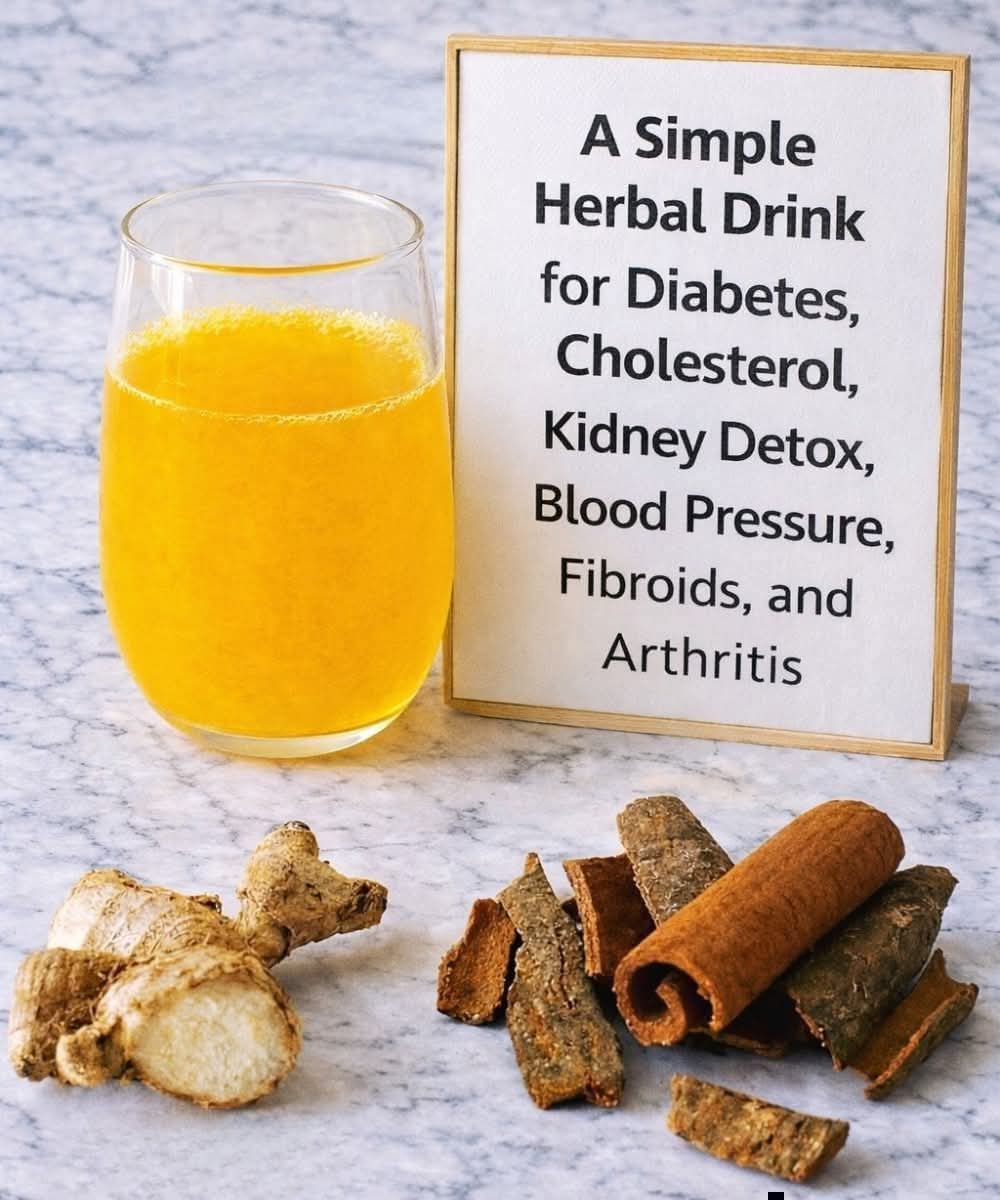
A Simple Herbal Drink: A Refreshing Homemade Beverage for Everyday Wellness
Introduction
Sometimes the simplest drinks can become the most comforting parts of our daily routine. A warm cup made with familiar herbs, fresh ginger, lemon, and a touch of honey can be an enjoyable way to increase fluid intake while adding natural flavor to plain water.
This simple herbal drink is easy to prepare, inexpensive, and flexible enough to suit different tastes. It can be enjoyed in the morning, after a meal, during a quiet evening, or whenever you want something warm and soothing.
Herbal drinks have been prepared in many cultures for generations. Long before bottled beverages and powdered drink mixes became common, people used leaves, roots, flowers, spices, fruits, and aromatic plants to make flavorful infusions. While traditional herbal beverages are often associated with wellness, it is important to distinguish traditional use from proven medical treatment.
The drink described in this article is best viewed as a nourishing beverage rather than a cure. Ginger, lemon, mint, and honey each contribute distinctive flavors, and some ingredients provide small amounts of useful nutrients or plant compounds. However, no homemade drink should be presented as a treatment for serious diseases.
The beauty of this recipe is its simplicity. You do not need expensive ingredients, special equipment, or complicated techniques. With hot water and a few pantry staples, you can prepare a fragrant herbal drink in minutes.
What Is a Simple Herbal Drink?
A simple herbal drink is a beverage made by steeping herbs, spices, fruits, or other plant ingredients in hot or cold water.
Unlike traditional tea made from the leaves of the Camellia sinensis plant, many herbal drinks are technically herbal infusions or tisanes. They may contain ingredients such as:
- Fresh ginger
- Mint leaves
- Lemon
- Cinnamon
- Chamomile
- Rosemary
- Fennel
- Turmeric
- Honey
For this recipe, we will use ginger, mint, lemon, and optional honey. The combination produces a drink that is fresh, aromatic, lightly spicy, and naturally refreshing.
Simple Herbal Drink Recipe
Ingredients
For approximately 2 servings, you will need:
- 2 cups water
- 1 small piece fresh ginger, about 1 inch
- 6–8 fresh mint leaves
- ½ lemon
- 1–2 teaspoons honey, optional
- 1 small cinnamon stick, optional
- A few thin lemon slices, optional
You can adjust the ingredients according to your personal preference.
If you enjoy a stronger ginger flavor, add more ginger. If you prefer a delicate herbal flavor, use fewer mint leaves.
Instructions
Step 1: Prepare the Ginger
Wash the ginger thoroughly. You can peel it if desired, although peeling is not essential when the ginger is scrubbed well.
Slice the ginger into thin pieces. Thin slices expose more surface area to the hot water and help release its flavor.
Step 2: Heat the Water
Pour two cups of water into a small saucepan and bring it close to a boil.
Add the sliced ginger.
Reduce the heat and allow the ginger to gently simmer for approximately 5–10 minutes.
A shorter steeping time produces a lighter flavor, while a longer steeping time creates a stronger, spicier drink.
Step 3: Add the Mint
Turn off the heat and add the fresh mint leaves.
Cover the saucepan and allow the mint to steep for another 3–5 minutes.
Covering the pot helps preserve some of the drink’s aromatic compounds.
Step 4: Strain
Pour the herbal infusion through a fine strainer into cups.
Remove the ginger and mint.
Step 5: Add Lemon
Squeeze fresh lemon juice into the drink.
You can also add a thin lemon slice for extra aroma and presentation.
Step 6: Sweeten if Desired
Allow the drink to cool slightly before adding honey.
Honey is optional. If you prefer an unsweetened beverage, simply leave it out.
Stir well and serve warm.
Why These Ingredients Work Well Together
One reason this drink is so appealing is the balance between its ingredients.
Ginger contributes warmth and gentle spiciness. Mint provides a cool, refreshing aroma. Lemon adds acidity and brightness, while honey can soften the sharpness of ginger and lemon.
The result is a drink with several layers of flavor without requiring a long ingredient list.
This is also an excellent example of how simple ingredients can be combined without relying on artificial flavoring.
Ginger: The Warming Ingredient
Ginger is one of the most popular ingredients in traditional beverages around the world.
Its distinctive spicy flavor comes partly from compounds known as gingerols and related substances. Ginger has been extensively studied, particularly for its potential role in nausea and digestive discomfort.
Adding fresh ginger to a drink also provides a strong aroma and warming sensation.
However, ginger should not be considered a cure for illness. Its effects can vary from person to person, and concentrated ginger preparations may not be appropriate for everyone.
For a normal culinary beverage, a modest amount of fresh ginger is generally used simply for flavor.
Mint: Fresh and Aromatic
Mint is another classic ingredient in herbal drinks.
Fresh mint has a naturally cooling aroma and a refreshing taste. It can make an ordinary glass of water feel more interesting and enjoyable.
Mint is particularly popular in hot climates, where mint-based beverages are traditionally served either warm or chilled.
Fresh mint can also be combined with lemon, cucumber, berries, or other fruits.
In this drink, the mint balances the heat of ginger and creates a pleasant contrast.
Lemon: Brightness and Flavor
Fresh lemon is an easy way to add acidity and citrus aroma to an herbal drink.
Lemons are known for their vitamin C content, although the exact amount in one serving of this beverage depends on how much lemon juice is used.
The acidic flavor of lemon can also make the drink taste brighter without requiring a large amount of sugar.
For the best flavor, use freshly squeezed lemon juice rather than a heavily sweetened bottled lemon beverage.
Honey: A Natural Sweetener
Honey is optional but popular in herbal drinks.
It provides sweetness and can make ginger and lemon taste smoother.
Remember that honey is still an added sugar and contributes calories. If you are trying to reduce added sugar, use a small amount or leave it out completely.
Honey should never be given to children younger than 12 months because of the risk of infant botulism.
Possible Benefits of This Herbal Drink
A simple herbal drink can be part of a balanced lifestyle, but its benefits should be described realistically.
- Helps Increase Fluid Intake
One of the most straightforward benefits is hydration.
Water is essential for many normal body functions, including temperature regulation and circulation.
Some people find plain water boring. Adding herbs, ginger, lemon, or fruit can make water more enjoyable and encourage regular fluid consumption.
This can be especially useful for people who simply forget to drink enough throughout the day.
- Provides Flavor Without Requiring Sugary Soda
Many commercial beverages contain significant amounts of added sugar.
A homemade herbal infusion can provide strong flavor without requiring large quantities of sweeteners.
If you enjoy the drink without honey, it can be a particularly simple low-calorie alternative to many sweetened beverages.
- Contains Plant Compounds
Herbs and spices contain naturally occurring plant compounds.
Ginger, mint, and lemon all contain different compounds that contribute to their aroma, flavor, and biological properties.
However, drinking an herbal infusion should not be confused with taking a concentrated herbal extract. The amount of a particular compound in a homemade drink can vary significantly.
- Can Be a Pleasant After-Meal Beverage
Some people enjoy ginger or mint drinks after eating because of their refreshing taste.
Ginger has been studied for digestive-related symptoms, while mint is traditionally used in many cultures as an after-meal beverage.
If you enjoy the flavor, a small cup can become a pleasant part of your routine.
- May Encourage Healthier Beverage Habits
Replacing some sugary drinks with unsweetened herbal beverages can be a practical lifestyle change.
The drink itself is not a miracle solution. The benefit comes from the overall dietary pattern.
Choosing water, unsweetened herbal infusions, and other minimally sweetened beverages more often can help reduce reliance on sugary drinks.
When Is the Best Time to Drink It?
There is no scientifically established “perfect” time to drink this beverage.
You can enjoy it whenever it fits your routine.
Morning
A warm ginger and lemon drink can be a pleasant alternative to sweetened breakfast beverages.
After Lunch
Mint and lemon provide a refreshing flavor that many people enjoy after meals.
Afternoon
A caffeine-free herbal drink can be a useful alternative to another cup of caffeinated tea or coffee.
Evening
If you leave out caffeinated ingredients, the beverage can fit into a relaxing evening routine.
Remember, however, that drinking large amounts immediately before bed may increase nighttime bathroom trips.
Warm or Cold?
This recipe works both ways.
For a warm drink, serve it immediately after preparation.
For an iced version, prepare the infusion and allow it to cool. Refrigerate it, then serve over ice with lemon and fresh mint.
You can also add cucumber slices or a few berries for a different flavor.
A cold version can be particularly refreshing during warm weather.
Simple Variations
One of the best things about homemade herbal drinks is their flexibility.
Ginger-Lemon Drink
Use ginger and lemon without mint for a stronger, simpler flavor.
Mint-Lemon Infusion
Skip the ginger and use a generous amount of fresh mint with lemon.
This produces a lighter and cooler-tasting beverage.
Ginger-Cinnamon Drink
Add a cinnamon stick while simmering the ginger.
Cinnamon contributes a warm, sweet-spicy aroma.
Ginger-Turmeric Drink
Add a small amount of fresh turmeric or culinary turmeric powder.
Turmeric can stain cookware and fabrics, so handle it carefully.
Cucumber-Mint Drink
For a refreshing cold beverage, combine cucumber slices, fresh mint, lemon, and chilled water.
Berry Herbal Drink
Add a handful of fresh berries after the infusion has cooled.
Gently crushing the berries can release additional flavor.
How to Make the Drink More Flavorful
The key to a good herbal infusion is controlling the strength.
If your drink tastes weak, steep the ingredients longer or use slightly more ginger or mint.
If it tastes too strong, dilute it with additional water.
Fresh ingredients usually provide a brighter flavor than old dried ingredients.
You can also experiment with temperature. Ginger generally produces a stronger infusion when exposed to hot water for several minutes, while delicate herbs such as mint may become overly intense if boiled for too long.
This is why adding mint after removing the drink from direct heat works well.
Common Mistakes to Avoid
Using Too Much Ginger
More ginger does not automatically mean a better drink.
A large amount can make the beverage extremely spicy and unpleasant.
Start with a small piece and adjust according to taste.
Overboiling Mint
Mint is delicate. Long boiling can produce a stronger or less pleasant flavor.
Steep it after turning off the heat instead.
Adding Honey to Very Hot Water
If you like honey, allow the drink to cool somewhat before adding it.
This also makes it easier to taste the natural flavors and decide how much sweetness you actually need.
Making It Too Sweet
A common mistake is turning a healthy-looking drink into a sugary beverage.
Start with no sweetener or a very small amount.
You may discover that the lemon, ginger, and mint provide enough flavor on their own.
Safety and Important Considerations
Natural does not automatically mean risk-free.
Herbal ingredients can interact with medications or may not be suitable for everyone.
Ginger, for example, can cause heartburn or stomach discomfort in some people, especially in larger quantities.
People taking medications that affect blood clotting should discuss regular or high-dose ginger consumption with a healthcare professional.
Mint may aggravate symptoms for some people with acid reflux.
Honey is unsuitable for infants younger than one year.
People with allergies to any ingredient should avoid it.
If you are pregnant, breastfeeding, preparing the drink for a child, or taking prescription medication, ask a healthcare professional whether particular herbal ingredients are appropriate for you.
This beverage should also never be used to replace medical treatment.
Can This Drink Detox the Body?
The word “detox” is frequently used in online wellness content, but it can be misleading.
Your body already has sophisticated systems for processing and eliminating waste, particularly through the liver and kidneys.
There is no need to claim that ginger, lemon, or mint “cleans the blood,” “flushes toxins,” or removes disease from the body.
Instead, the more accurate description is simple: this is a flavorful beverage that can contribute to daily fluid intake and provide plant-derived flavor compounds.
That may sound less dramatic, but it is much more useful and scientifically responsible.
Can It Help With Weight Loss?
This drink should not be presented as a fat-burning remedy.
No simple herbal beverage can replace the fundamentals of healthy weight management.
However, an unsweetened version can be a useful beverage choice because it contains very few calories.
If someone replaces a high-calorie sugary drink with unsweetened herbal water, their overall calorie intake may decrease.
The benefit comes from the substitution, not from a magical fat-burning effect.
Long-term weight management depends on the overall balance of diet, physical activity, sleep, genetics, environment, and other factors.
How Often Can You Drink It?
For most healthy adults, a modest homemade herbal beverage can be incorporated into a normal diet according to personal preference.
There is no requirement to drink it several times a day.
One cup occasionally or regularly can simply be part of your beverage routine.
If you experience stomach irritation, reflux, allergy symptoms, or another unwanted reaction, stop drinking it and seek appropriate advice if symptoms are significant or persistent.
As with any food or drink, moderation and variety are sensible approaches.
How to Store It
If you make more than you need, allow the drink to cool and place it in a clean, covered container in the refrigerator.
For best quality, consume homemade herbal infusions promptly rather than leaving them at room temperature for extended periods.
If the drink develops an unusual smell, appearance, or taste, discard it.
For an iced version, prepare the drink ahead of time, refrigerate it, and serve over ice.
A Simple Daily Wellness Ritual
One of the most valuable aspects of a drink like this may be the routine surrounding it.
Preparing a warm beverage can create a moment to slow down.
Instead of rushing through the morning or reaching automatically for a sweetened beverage, you can take a few minutes to prepare something yourself.
The ritual can include washing the ginger, slicing the lemon, adding mint, heating the water, and enjoying the aroma.
Healthy living does not always require complicated routines.
Sometimes it is simply about making small choices repeatedly.
Serving Suggestions
For an attractive presentation, serve the drink in a clear glass or ceramic cup.
Add:
- A lemon wheel
- Fresh mint
- A thin slice of ginger
- A cinnamon stick
- Ice cubes for a cold version
If serving guests, prepare a larger batch and offer honey separately so everyone can choose their preferred sweetness.
For a summer gathering, the chilled version can be served in a pitcher with lemon slices, mint leaves, and cucumber.
Frequently Asked Questions
Is this herbal drink a medicine?
No. It is a homemade beverage made with common culinary ingredients. While some ingredients have been studied for potential health effects, the drink should not be considered a medical treatment.
Can I drink it every day?
Healthy adults may enjoy a modest serving as part of their normal beverage routine, provided they tolerate the ingredients well.
Can I drink it without honey?
Absolutely. In fact, leaving out honey makes the beverage lower in added sugar.
Can I use dried mint?
Yes. Dried mint can be used, although the flavor will differ from fresh mint. Use a smaller amount because dried herbs are more concentrated by volume.
Can I use bottled lemon juice?
You can, but freshly squeezed lemon generally provides a brighter flavor.
Can children drink it?
Ingredient suitability depends on the child’s age and circumstances. Never give honey to a child under 12 months. For young children, ask a pediatric healthcare professional if you are unsure about particular herbs.
Can I drink it before bed?
You can if it agrees with you, but avoid large quantities close to bedtime if nighttime urination is a concern.
Nutrition Considerations
The nutritional value of this beverage depends heavily on the ingredients and quantities used.
An unsweetened ginger-mint-lemon infusion is generally very low in calories because most of the solid plant material is strained out.
Adding honey increases the carbohydrate and calorie content.
The beverage should therefore be considered primarily a hydration and flavor option rather than a major source of nutrients.
For overall nutrition, focus on a varied diet containing vegetables, fruits, whole grains, legumes, nuts, seeds, protein foods, and appropriate healthy fats.
Why Simple Is Often Better
Modern wellness culture often promotes complicated recipes containing a long list of powders, extracts, supplements, and exotic ingredients.
But a simple beverage can be just as enjoyable.
Ginger, mint, lemon, and water are accessible ingredients that most people can recognize and prepare easily.
A simple recipe also makes it easier to identify which ingredient agrees with you and which one may cause discomfort.
You do not need ten herbs in one cup to make an enjoyable drink.
The Cultural Tradition of Herbal Beverages
Herbal infusions have a long history across many regions.
Different cultures have developed their own methods of preparing plant-based drinks. Some use mint and green tea, others use ginger, cinnamon, chamomile, hibiscus, fennel, or local aromatic plants.
These traditions reflect the availability of plants, local climate, culinary preferences, and generations of food culture.
While traditional use can provide fascinating historical context, tradition alone does not prove that a beverage treats a particular disease.
The best approach is to appreciate herbal drinks both as cultural traditions and as flavorful foods and beverages.
A Practical Recipe Card
Recipe: Simple Ginger, Mint & Lemon Herbal Drink
Prep time: 5 minutes
Steeping time: 10–15 minutes
Servings: 2
Ingredients
- 2 cups water
- 1-inch piece fresh ginger
- 6–8 mint leaves
- ½ fresh lemon
- 1–2 teaspoons honey, optional
- Cinnamon stick, optional
Method
- Wash and slice the ginger.
- Bring the water close to a boil.
- Add ginger and gently simmer for 5–10 minutes.
- Turn off the heat.
- Add mint and cover for 3–5 minutes.
- Strain into cups.
- Add fresh lemon juice.
- Sweeten with a small amount of honey if desired.
- Serve warm or chill for an iced beverage.
Final Thoughts
A simple herbal drink does not need to promise miraculous results to be worthwhile.
A combination of fresh ginger, mint, lemon, water, and optional honey creates a flavorful beverage that can make hydration more enjoyable. It is quick to prepare, easy to customize, and suitable for many different occasions.
The most important point is to keep expectations realistic. Herbal beverages can be delicious additions to a balanced lifestyle, but they are not substitutes for medical care, a nutritious diet, regular physical activity, adequate sleep, or professional treatment when needed.
Try the basic recipe first, then adjust the ginger, mint, lemon, and sweetness until you find the combination you enjoy most.
Sometimes wellness begins with something wonderfully uncomplicated: a glass or cup of water, a few fresh ingredients, and a few quiet minutes to enjoy it.
Enjoy your herbal drink, stay hydrated, and make healthy choices part of your everyday routine.