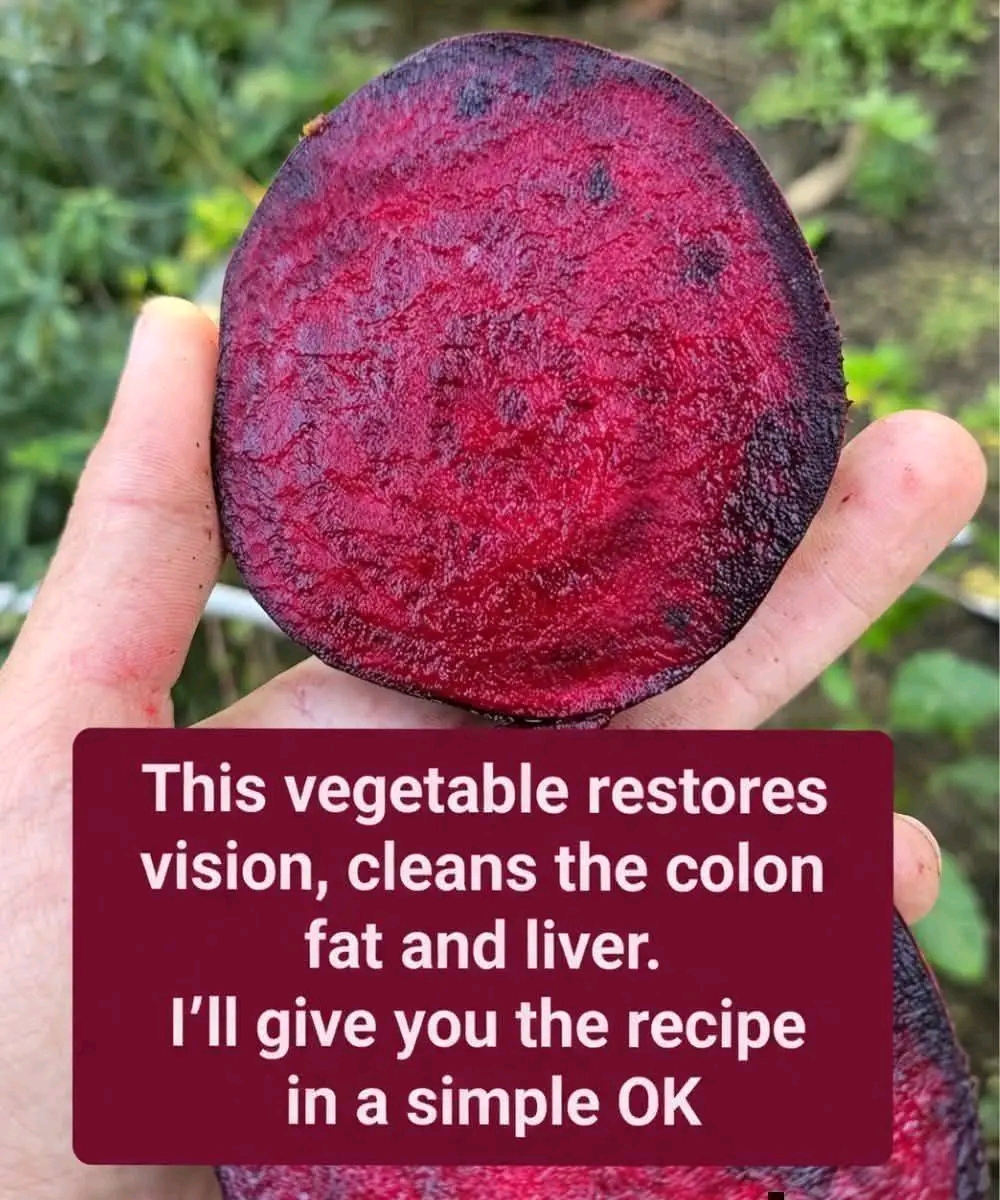
Beetroot: The Superfood That Restores Vision, Cleans the Colon, Fat, and Liver + A Simple, Delicious Recipe
Introduction
Beetroot, also known as beet, is a vibrant, nutrient-packed root vegetable that has been celebrated for centuries for its health benefits and culinary versatility. Its deep red color is not only visually striking but also indicative of its rich antioxidant content. Beetroot is known to support vision, cleanse the colon, reduce fat accumulation, and promote liver health.
In this article, we will explore the fascinating history of beetroot, its numerous health benefits, nutritional profile, and provide a simple yet delicious recipe to help you incorporate this superfood into your daily diet. Whether you are a beetroot lover or new to this vegetable, this guide will inspire you to enjoy its many advantages.
History of Beetroot
Beetroot has a long and storied history dating back to ancient times. Originally cultivated for its leaves, the root became popular later as a food source. The ancient Romans and Greeks valued beetroot for its medicinal properties, using it to treat various ailments.
Over centuries, beetroot spread across Europe and the Middle East, becoming a staple in many traditional cuisines. Its use in soups, salads, and juices has been documented for hundreds of years. Today, beetroot is recognized worldwide as a superfood with impressive health benefits.
Nutritional Benefits of Beetroot
Beetroot is a powerhouse of nutrients, including:
Vitamins: Rich in vitamin C, folate (vitamin B9), and vitamin A.
Minerals: High in potassium, manganese, iron, and magnesium.
Antioxidants: Contains betalains, which give beetroot its red color and have anti-inflammatory and detoxifying properties.
Fiber: Supports digestive health and helps cleanse the colon.
Nitrates: Convert to nitric oxide in the body, improving blood flow and cardiovascular health.
These nutrients contribute to beetroot’s ability to support vision, liver function, fat metabolism, and colon health.
Health Benefits Explained
1. Restores Vision
Beetroot contains vitamin A and antioxidants that help protect the eyes from oxidative stress and age-related damage. Regular consumption may improve night vision and reduce the risk of macular degeneration.
2. Cleans the Colon
The high fiber content in beetroot promotes healthy digestion and regular bowel movements, aiding in the natural cleansing of the colon. This helps prevent constipation and supports gut health.
3. Reduces Fat Accumulation
Beetroot’s antioxidants and nitrates help improve metabolism and reduce inflammation, which can contribute to fat accumulation. Studies suggest beetroot may aid in weight management and fat reduction.
4. Supports Liver Health
Betalains in beetroot have detoxifying properties that support liver function by helping to eliminate toxins and reduce oxidative stress, promoting overall liver health.
Ingredients for a Simple Beetroot Recipe
To enjoy the benefits of beetroot, here is a simple, tasty recipe:
2 medium fresh beetroots, peeled and chopped
1 tablespoon olive oil
1 clove garlic, minced
Juice of 1 lemon
Salt and pepper to taste
Fresh parsley or cilantro for garnish (optional)
Instructions and Methods
Step 1: Prepare the Beetroots
Peel and chop the beetroots into small cubes or slices.
Rinse under cold water to remove any dirt.
Step 2: Cook the Beetroots
Heat olive oil in a skillet over medium heat.
Add minced garlic and sauté until fragrant.
Add chopped beetroots and stir to coat with oil and garlic.
Cook for 15-20 minutes, stirring occasionally, until beetroots are tender.
Step 3: Season and Serve
Remove from heat.
Squeeze fresh lemon juice over the cooked beetroots.
Season with salt and pepper to taste.
Garnish with chopped parsley or cilantro if desired.
Serve warm or at room temperature.
Formation and Presentation
This simple beetroot dish can be served as a side or incorporated into salads, grain bowls, or wraps. The vibrant red color adds visual appeal, while the lemon and garlic enhance the natural sweetness of the beets.
For a more elaborate presentation, roast the beets instead of sautéing, or blend them into a creamy beet hummus.
Tips for Beetroot Lovers
Use Fresh Beets: Fresh, firm beets yield the best flavor and texture.
Peeling: Use a vegetable peeler or boil beets with skin on and peel after cooking.
Storage: Store raw beets in the refrigerator for up to two weeks.
Juicing: Beetroot juice is a concentrated way to enjoy its benefits.
Combining Flavors: Pair beets with goat cheese, nuts, or citrus for balanced dishes.
Nutritional Information (Approximate per serving)
Calories: 70-90 kcal
Carbohydrates: 15-20g
Fiber: 3-4g
Protein: 2g
Fat: 5g (from olive oil)
Vitamins: High in vitamin C, folate, and vitamin A
Minerals: Rich in potassium, iron, and magnesium
Conclusion
Beetroot is a versatile, nutrient-rich vegetable that offers numerous health benefits, including improved vision, colon cleansing, fat reduction, and liver support. Incorporating beetroot into your diet through simple recipes like the one provided can enhance your overall well-being while delighting your taste buds.
For lovers of healthy, flavorful food, beetroot is a must-have ingredient that combines tradition, nutrition, and taste in every bite.