The Ultimate Guide to Mastering Slow Cooker Comfort: Hearty Beef Stew
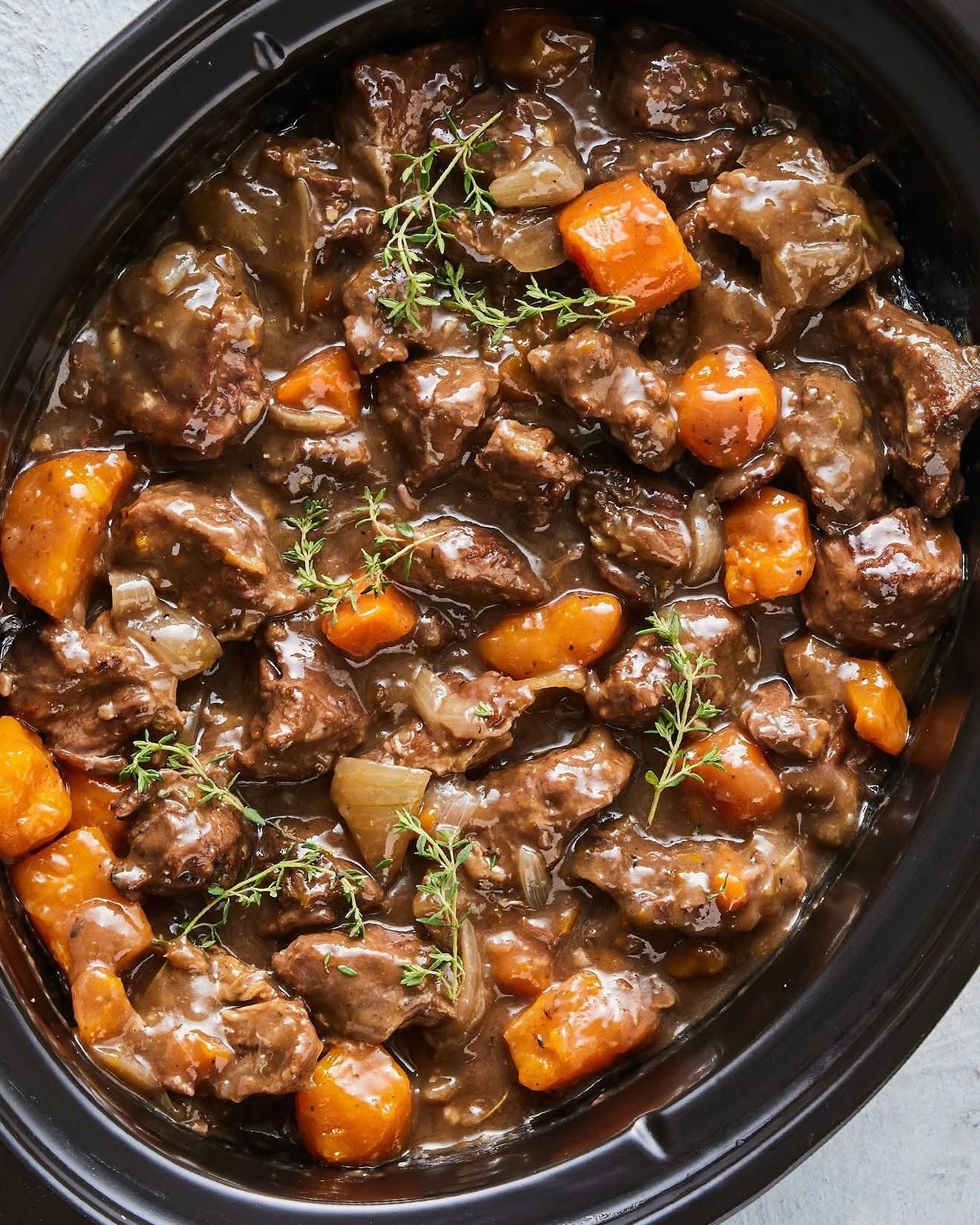
There is something inherently magical about a slow cooker. It’s the kitchen’s equivalent of a “set it and forget it” wizard, turning humble, tough cuts of meat into melt-in-your-mouth masterpieces while you go about your day. When you look at an image like 55960.jpg, you aren’t just seeing dinner; you’re seeing the result of patience, layering of flavors, and the chemical transformation that only low-and-slow heat can provide.
In this comprehensive guide, we will dive deep into the art of the slow-cooked beef stew. We’ll cover everything from selecting the right cut of beef to the science of thickening your gravy, ensuring that your next batch looks exactly like the rich, glistening pot shown in 55960.jpg.
Why the Slow Cooker is King for Stews
Beef stew is a dish that demands time. Unlike a steak, which is best seared quickly over high heat to keep it tender, stew meat is riddled with connective tissue (collagen). If you cook it fast, it becomes rubbery and tough. However, when subjected to steady, low heat over several hours, that collagen breaks down into gelatin.
This process does two things:
- Tenderizes the meat: It allows the muscle fibers to separate easily.
- Enriches the sauce: The melting gelatin provides that silky, lip-smacking mouthfeel evident in the sauce of 55960.jpg.
Selecting Your Ingredients: The Foundation of Flavor
To achieve the depth of color and texture seen in 55960.jpg, you must start with the right building blocks.
1. The Beef: Don’t Go Lean
The best meat for stew is Chuck Roast. It comes from the shoulder and has the perfect balance of lean meat, fat, and connective tissue. Avoid “stew meat” packages if possible, as these are often a mix of various leftovers that cook at different rates. Instead, buy a whole chuck roast and hand-cut it into 1.5-inch cubes.
2. The Aromatics
As seen in the flecks of translucent onion in 55960.jpg, aromatics are essential.
- Onions: Yellow or white onions provide a sweet base.
- Garlic: Use fresh cloves, smashed or minced.
- Carrots: Choose large, thick carrots. They hold up better over 8 hours than baby carrots, which can turn to mush.
3. The Liquid Gold
The sauce in 55960.jpg is dark and glossy. This comes from a combination of high-quality beef stock, a splash of red wine (like Cabernet or Merlot), and a tablespoon of tomato paste for umami and color.
The Secret to the Look: Achieving the 55960.jpg Aesthetic
If you want your stew to have that professional, “glistening” finish seen in 55960.jpg, you cannot skip the sear.
The Maillard Reaction
Before adding your beef to the slow cooker, toss the cubes in seasoned flour and sear them in a hot skillet with oil. This creates a brown crust (the Maillard reaction) that adds a savory depth no slow cooker can achieve on its own.
Fresh Herbs
Note the bright green garnish in 55960.jpg. Adding fresh thyme or rosemary during the last 30 minutes of cooking—or simply as a garnish—brightens the earthy tones of the stew and adds a visual pop that signals freshness.
Step-by-Step Execution
- Prep the Beef: Pat dry, season with salt and pepper, and dredge in flour.
- Sear: Brown the meat in batches. Do not crowd the pan, or the meat will steam instead of sear.
- Deglaze: Use a bit of wine or broth to scrape up the brown bits (fond) from the bottom of your skillet. This is concentrated flavor—don’t throw it away!
- Layer the Crockpot: Place your heavy vegetables (carrots, potatoes) at the bottom, as they take longer to soften. Top with the seared beef.
- Liquid Ratio: Pour in your broth/wine mixture until the meat is just covered. Too much liquid results in soup; the right amount results in the thick stew seen in 55960.jpg.
- Slow and Steady: Cook on Low for 7–8 hours. While “High” for 4 hours works in a pinch, the “Low” setting produces a much more tender result.
Troubleshooting Common Stew Issues
- Thin Sauce: If your stew is too watery, whisk together a “slurry” of 1 tablespoon cornstarch and 1 tablespoon water. Stir it in 30 minutes before serving.
- Mushy Veggies: Cut your carrots and potatoes into larger chunks (at least 1 inch) to ensure they retain their shape, just like the distinct pieces visible in 55960.jpg.
- Dull Flavor: Often, a finished stew just needs a “lift.” Stir in a teaspoon of balsamic vinegar or Worcestershire sauce at the very end to sharpen the flavors.
Conclusion
Mastering the slow cooker beef stew is a rite of passage for any home cook. It’s a dish that rewards patience and attention to detail. By following these steps and keeping the rich, vibrant standard of 55960.jpg in mind, you’ll create a meal that isn’t just filling—it’s soul-warming.
Cooking Tip: Like most braised dishes, this stew tastes even better the next day after the flavors have had time to meld in the refrigerator.