The Ultimate Tropical Fruit Salad: A Burst of Sunshine in Every Bowl
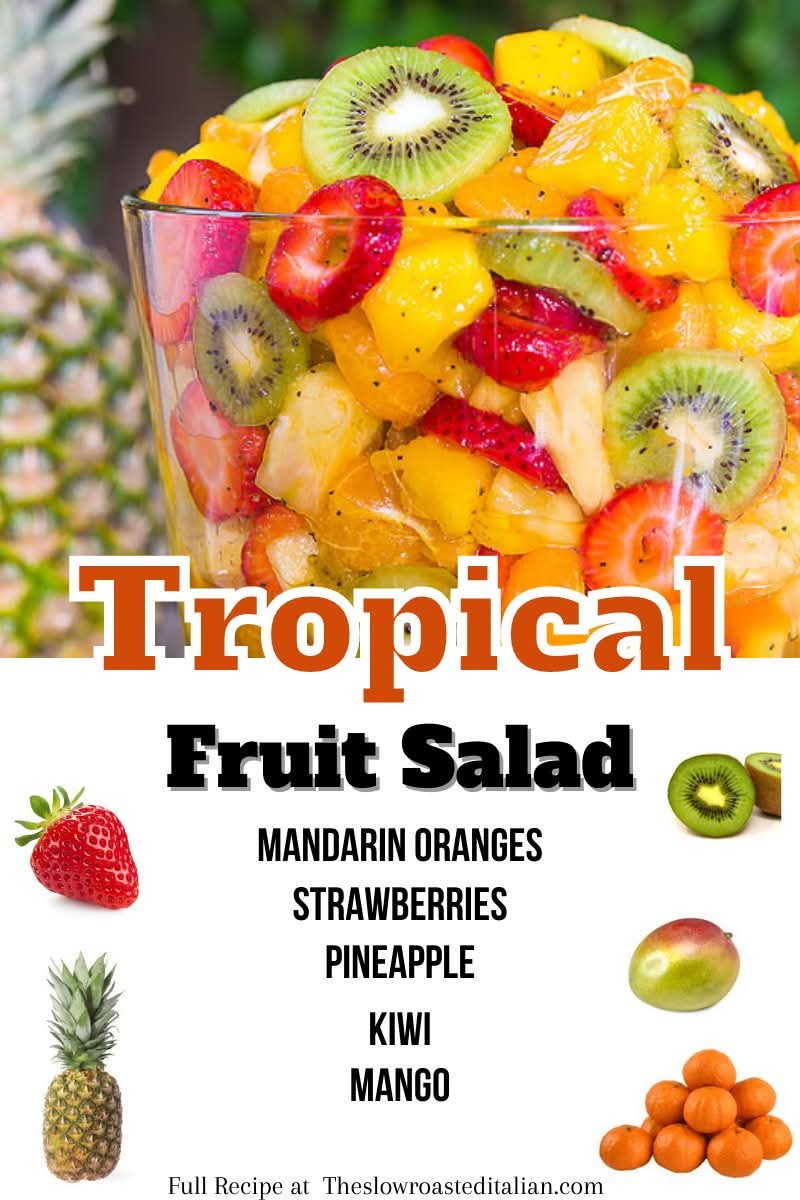
In the realm of refreshing desserts and side dishes, few recipes rival the vibrant appeal and natural sweetness of a classic Tropical Fruit Salad. Bursting with juicy pineapple, sweet mango, tangy kiwi, bright strawberries, and succulent mandarin oranges, this colorful medley captures the essence of paradise in a single bowl. Whether served as a light breakfast, a healthy snack, a refreshing side dish at summer barbecues, or an elegant dessert at dinner parties, tropical fruit salad never fails to delight.
This comprehensive 3000-word guide explores everything you need to create, customize, and perfect your own tropical fruit salad. From its tropical origins and nutritional powerhouse status to professional preparation techniques, creative variations, storage tips, and serving suggestions, you’ll discover why this simple yet spectacular dish has become a timeless favorite worldwide.
The History and Global Appeal of Tropical Fruit Salads
Tropical fruits have been cultivated and enjoyed for thousands of years across warm climates. Pineapples originated in South America and were spread by European explorers. Mangoes have been grown in India for over 4,000 years. Kiwis, originally known as Chinese gooseberries, gained worldwide popularity in New Zealand. Mandarins and strawberries complete this international ensemble, bringing together flavors from Asia, the Americas, and beyond.
In Hawaiian and Caribbean cultures, fresh fruit mixtures have long been staples at luaus and beach gatherings. In the United States, fruit salads gained popularity during the early 20th century as canned fruits became widely available. However, the modern fresh tropical fruit salad celebrates peak-season produce, allowing each fruit’s natural flavors and textures to shine without heavy dressings or added sugars.
Today, tropical fruit salad represents more than just a recipe — it’s a symbol of health-conscious indulgence, vibrant entertaining, and the joy of seasonal eating. Its stunning visual appeal, with contrasting reds, greens, yellows, and oranges, makes it as photogenic as it is delicious.
Why This Tropical Fruit Salad Stands Out
The best tropical fruit salad balances sweetness, acidity, and texture. Juicy pineapple provides tropical tang, mango adds creamy richness, kiwi brings bright tartness, strawberries contribute familiar sweetness, and mandarin oranges deliver easy-to-eat citrus bursts. When combined properly, these fruits create harmony rather than competition.
Unlike heavier desserts, this salad is naturally gluten-free, dairy-free, and packed with vitamins, fiber, and antioxidants. It’s customizable for dietary needs and scalable for crowds, making it ideal for family meals, potlucks, holidays, and meal prep.
Ingredients for the Perfect Tropical Fruit Salad (Serves 8-10)
Core Fruits (approximately 8-10 cups total chopped fruit):
- 1 large fresh pineapple (about 3-4 cups diced)
- 3-4 ripe mangoes (about 3 cups diced)
- 4-5 kiwis (about 2 cups sliced or diced)
- 1 pound fresh strawberries (about 3 cups sliced)
- 4-5 mandarin oranges or clementines (about 2 cups segments)
Optional Add-Ins for Extra Flavor and Texture:
- 1 cup fresh blueberries or raspberries
- 1-2 bananas, sliced (add just before serving)
- ½ cup pomegranate seeds
- 1 dragon fruit, diced
- 1 papaya, diced
- Shredded coconut (toasted or fresh)
- Fresh mint leaves, chopped
For the Light Dressing (Optional but Recommended):
- ¼ cup fresh lime juice or orange juice
- 2-3 tablespoons honey or maple syrup (adjust to taste)
- 1 tablespoon fresh lime zest
- 1 teaspoon vanilla extract
- Pinch of salt
- Optional: 1-2 tablespoons coconut rum or orange liqueur for adult versions
Equipment Needed
- Sharp chef’s knife
- Large cutting board
- Melon baller or pineapple corer (optional)
- Large mixing bowl
- Citrus zester
- Colander for washing
- Serving bowl (preferably clear glass to showcase colors)
Step-by-Step Instructions
Step 1: Select and Prepare Your Fruits
Choose fruits at peak ripeness. Pineapples should have a sweet aroma at the base and leaves that pull out easily. Mangoes yield slightly to gentle pressure. Kiwis should be firm but not rock-hard. Strawberries should be fragrant and bright red.
Wash all fruits thoroughly under cool running water. Pat dry with paper towels to prevent excess moisture.
Step 2: Prepare the Pineapple
Cut off the crown and base. Stand the pineapple upright and slice away the tough outer skin. Remove the core by cutting the pineapple into quarters lengthwise and slicing out the fibrous center. Dice into ½-inch to ¾-inch chunks for the perfect bite size.
Step 3: Prepare the Mango
Slice along both sides of the flat pit to create two “cheeks.” Score the flesh in a crosshatch pattern without cutting through the skin, then scoop out the cubes with a spoon. Dice any remaining flesh around the pit.
Step 4: Prepare the Kiwis
Peel using a vegetable peeler or paring knife. Slice into rounds or dice into chunks. The black seeds add beautiful contrast.
Step 5: Prepare Strawberries and Mandarins
Hull strawberries and slice them uniformly. For mandarins, peel and separate into segments, removing any white pith or seeds.
Step 6: Make the Optional Dressing
In a small bowl, whisk together lime juice, honey, zest, vanilla, and salt until well combined. Taste and adjust sweetness.
Step 7: Assemble the Salad
In a large bowl, gently combine all prepared fruits. Drizzle the dressing over the top and toss lightly with a large spoon or your hands (with gloves if preferred). Be gentle to avoid bruising the softer fruits.
Step 8: Chill and Serve
Cover and refrigerate for at least 30 minutes to allow flavors to meld. Garnish with fresh mint leaves and a sprinkle of toasted coconut just before serving.
Pro Tips for the Best Tropical Fruit Salad
- Uniform Cutting: Aim for similar-sized pieces so every spoonful offers a balanced mix of flavors and textures.
- Timing is Everything: Add bananas and other delicate fruits right before serving to prevent browning or mushiness.
- Prevent Browning: Toss apples or bananas with citrus juice if using. For make-ahead, keep cut fruits separate and combine shortly before serving.
- Temperature Matters: Serve slightly chilled but not ice-cold to maximize flavor perception.
- Sweetness Balance: Taste your fruits first. Riper fruits need less added sweetener.
- Scale Smartly: This recipe doubles or triples easily for large gatherings.
- Freshness First: Use the highest quality, in-season produce available. Frozen fruit can work in smoothies but lacks the texture needed for salad.
Creative Variations
Berry Tropical Salad: Add extra berries and a touch of balsamic glaze for sophistication.
Creamy Tropical Fruit Salad: Fold in Greek yogurt, coconut cream, or whipped topping for a dessert version.
Spiced Version: Add a pinch of chili powder, Tajín seasoning, or fresh ginger for a sweet-heat kick popular in Mexican street food.
Adult Tropical Salad: Incorporate coconut rum, Grand Marnier, or a splash of white wine in the dressing.
Asian-Inspired: Add lychee, starfruit, and a ginger-lime dressing with sesame seeds.
Patriotic Version: Mix in blueberries for red-white-blue holidays.
Low-Sugar/Keto-Friendly: Skip honey and use a sugar-free sweetener or just fresh lime juice.
Smoothie Bowl Base: Reserve leftovers to blend into breakfast smoothies.
The Nutritional Powerhouse Benefits
Tropical fruit salad is a nutritional superstar. Pineapple provides bromelain (an enzyme aiding digestion) and vitamin C. Mangoes deliver vitamins A and C plus beta-carotene. Kiwis are exceptionally high in vitamin C and fiber. Strawberries offer antioxidants and manganese. Mandarins contribute folate and potassium.
A single serving typically contains:
- High levels of immune-boosting vitamin C
- Dietary fiber for digestive health
- Natural hydration from fruit water content
- Antioxidants that combat inflammation
Approximate nutrition per 1-cup serving (without dressing):
- Calories: 90-120
- Carbohydrates: 22g
- Fiber: 3-4g
- Sugar: 16g (naturally occurring)
- Vitamin C: Over 100% of daily value
Pairing Suggestions and Serving Ideas
Main Dish Pairings:
- Grilled chicken, fish, or shrimp
- Tacos or pulled pork
- Summer salads and grain bowls
Beverage Matches:
- Coconut water, sparkling water with lime, iced herbal teas, or frozen margaritas
Occasions:
- Pool parties and barbecues
- Brunch buffets
- Healthy dessert alternatives
- Meal prep for the week
- Holiday gatherings (especially summer holidays)
Presentation Ideas:
- Serve in a hollowed-out pineapple or watermelon bowl
- Layer in parfait glasses
- Create individual mason jar servings
- Use as a topping for pancakes, yogurt, or ice cream
Storage and Make-Ahead Tips
Tropical fruit salad is best enjoyed fresh but can be stored in an airtight container in the refrigerator for up to 3 days. The juices will naturally create a delicious syrup over time.
For longer storage, freeze individual portions in freezer bags (great for smoothies). Always drain excess liquid before serving leftovers.
Common Questions and Troubleshooting
How do I choose the ripest fruits?
Trust your senses — smell, gentle touch, and visual appearance are your best guides.
My salad became too watery. What happened?
Overly ripe fruit or insufficient draining can cause this. Pat fruits dry and serve promptly.
Can I use canned fruit?
Fresh is superior, but well-drained canned pineapple and mandarin oranges work in a pinch. Avoid canned strawberries or mangoes.
How do I make it less sweet?
Emphasize tart fruits like kiwi and add extra lime juice. Reduce or eliminate honey.
Is it safe for kids?
Absolutely! It’s naturally sweet and packed with nutrients. Cut pieces small for younger children.
Can I prepare it the night before?
Yes. Keep the dressing separate and toss together 30-60 minutes before serving for optimal texture.
The Joy of Sharing Tropical Fruit Salad
There’s something inherently festive about a big bowl of colorful tropical fruit salad. It brings people together, sparks conversation, and creates lasting memories around the table. Children love the bright colors and natural sweetness, while adults appreciate its light, refreshing qualities and health benefits.
In our fast-paced world, taking time to prepare fresh fruit connects us to nature’s abundance and encourages mindful eating. Whether you’re hosting a large celebration or simply treating your family on a weekday, this salad delivers happiness in every colorful spoonful.
Final Thoughts
The ultimate tropical fruit salad proves that sometimes the simplest recipes are the most memorable. With minimal effort and maximum flavor, it transforms ordinary moments into celebrations of freshness and vitality. Its versatility, nutritional benefits, and stunning presentation make it a recipe worth mastering and sharing.
Next time you visit the produce section, gather these vibrant fruits and create your own tropical masterpiece. Experiment with different combinations, adjust sweetness to your preference, and most importantly — enjoy the process. Your taste buds (and your guests) will thank you.
This refreshing, healthy, and beautiful tropical fruit salad deserves a permanent place in your recipe collection. Make it once, and it will become your go-to dish for years to come.