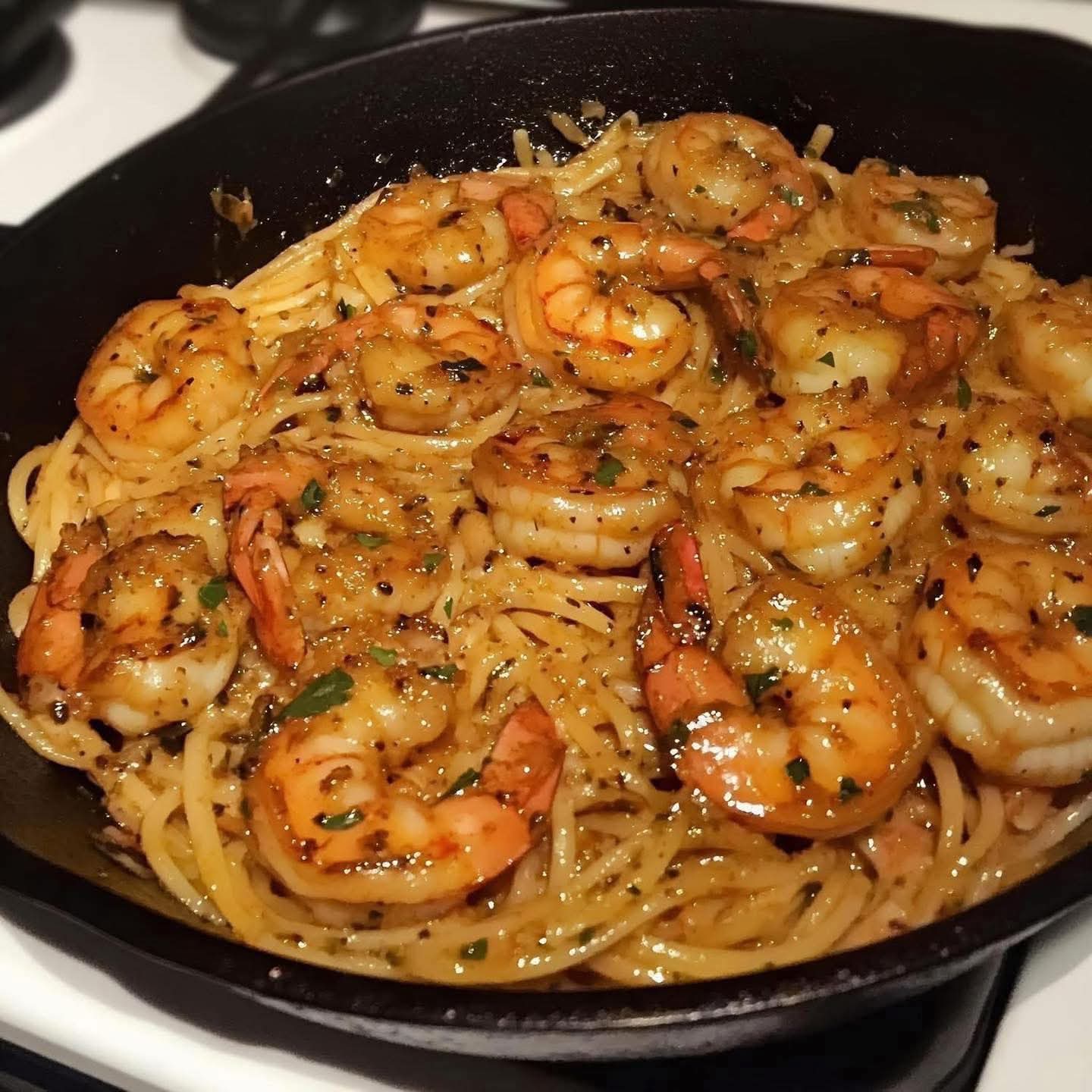
The Ultimate Garlic Butter Shrimp Pasta: A Masterclass in Simple, Elegant Comfort
There are few dishes in the culinary canon as universally loved and deceptively simple as a well-executed garlic butter shrimp pasta. It is the kind of dish that feels like an occasion, yet it can be pulled together in the time it takes to boil a pot of water.
Whether you call it “Shrimp Scampi-style Pasta,” “Garlic Butter Linguine,” or simply “dinner,” this dish is a testament to the idea that great food doesn’t require a dozen complicated steps or rare ingredients. It requires respect for the product, proper technique, and the magic that happens when fat, heat, and aromatics collide.
In this guide, we aren’t just giving you a list of ingredients. We are going to deconstruct the process to help you achieve restaurant-quality results every single time.
The Philosophy of the Dish: Why It Works
The beauty of shrimp pasta lies in its balance. You have the sweetness of the shrimp, the pungent bite of fresh garlic, the luxurious mouthfeel of high-quality butter, the acidity of a bright finish (lemon or wine), and the comforting texture of al dente pasta.
When done correctly, the sauce is not “oily.” Instead, it is an emulsion. The pasta water, which contains starch, binds with the fat (butter and olive oil) to create a glossy, clingy sauce that coats every strand of pasta. Achieving this emulsion is the secret difference between a home-cooked meal and a professional chef’s plate.
The Components: Choosing the Best Ingredients
Because this recipe relies on so few ingredients, quality is paramount. You cannot hide subpar ingredients behind heavy spices or long cooking times.
1. The Shrimp
The star of the show.
- Fresh vs. Frozen: Unless you are on the coast, high-quality frozen shrimp (peeled and deveined) are often better than “fresh” shrimp from the grocery store counter, which have often been previously frozen anyway.
- Size Matters: Look for “large” (26/30 count) or “jumbo” shrimp. They provide the best texture and won’t disappear into the pasta.
- Prep: Ensure they are completely dry before they hit the pan. Moisture is the enemy of the sear.
2. The Garlic
There is no such thing as too much garlic in this dish.
- Freshness: Use fresh garlic cloves. Please avoid the pre-minced jars in the produce section; they contain preservatives and lack the pungent, sweet punch of fresh cloves.
- The Cut: Mince the garlic finely, but not into a paste. You want it to soften in the butter without burning.
3. The Fat: Butter and Olive Oil
We use a combination of both.
- Olive Oil: Provides a higher smoke point and a fruity base.
- Butter: Provides the creamy, rich flavor profile. Unsalted butter is preferred so you can control the sodium levels.
4. The Pasta
Linguine, spaghetti, or angel hair are traditional. Linguine is the “Goldilocks” choice—sturdy enough to hold the weight of the shrimp, but delicate enough to be coated by the sauce. Always aim for Al Dente—firm to the bite.
The Technique: A Masterclass in Execution
Before you start, organize your station. This dish moves fast once the heat is on.
The Sear
The shrimp should be seared, not boiled. Use a heavy-bottomed skillet (cast iron or stainless steel). Get the pan ripping hot with a little oil before the shrimp go in. Do not overcrowd the pan; if the shrimp are touching, they will steam instead of searing. Sear for 2 minutes per side until pink and opaque. Remove them from the pan. This is crucial. If you leave them in while you finish the sauce, they will become rubbery.
The Sauce (The Pan Sauce Method)
After the shrimp are out, your pan will have “fond”—those brown, delicious bits of flavor stuck to the bottom. This is where the magic happens.
- Add your aromatics (garlic, red pepper flakes).
- Deglaze: Add your liquid (wine or broth). This lifts the fond from the bottom of the pan.
- Reduce: Let the liquid reduce by half to concentrate the flavor.
- Mount with butter: Swirl in cold butter, whisking constantly. This creates the creamy base.
The Ultimate Garlic Butter Shrimp Pasta Recipe
Prep time: 15 minutes
Cook time: 15 minutes
Total time: 30 minutes
Servings: 4
Ingredients
- 1 lb (450g) Large Shrimp: Peeled and deveined, tails removed or left on for presentation.
- 12 oz (340g) Linguine or Spaghetti.
- 4 tbsp Unsalted Butter: Divided.
- 2 tbsp High-Quality Extra Virgin Olive Oil.
- 5-6 Cloves of Garlic: Finely minced.
- 1/2 cup Dry White Wine: (Sauvignon Blanc or Pinot Grigio work best). Substitute with chicken or vegetable broth if you prefer non-alcoholic.
- 1/4 tsp Red Pepper Flakes: Or more to taste.
- 1 tbsp Fresh Lemon Juice: Freshly squeezed.
- 1/4 cup Fresh Italian Parsley: Chopped.
- Kosher Salt and Freshly Cracked Black Pepper: To taste.
- Parmesan Cheese: Optional, for finishing.
Instructions
- Boil the Pasta: Bring a large pot of salted water to a boil. Cook the pasta according to package instructions for al dente. Important: Before draining, reserve 1 cup of the starchy pasta water. Drain the pasta and set aside.
- Sear the Shrimp: While the water boils, pat the shrimp dry with paper towels. Season lightly with salt and pepper. Heat 1 tablespoon of olive oil in a large skillet over medium-high heat. Add the shrimp in a single layer. Sear for about 2 minutes per side until pink and cooked through. Transfer to a plate.
- Sauté Aromatics: Reduce heat to medium. Add the remaining tablespoon of olive oil and 1 tablespoon of the butter to the same pan. Add the minced garlic and red pepper flakes. Sauté for 1 minute until the garlic is fragrant and golden—do not let it burn!
- Deglaze: Pour in the white wine (or broth). Use a wooden spoon to scrape up all the browned bits from the bottom of the pan. Let it simmer for 2-3 minutes until reduced by half.
- Create the Sauce: Add the remaining 3 tablespoons of butter and the lemon juice. Whisk until melted and glossy.
- Combine: Add the cooked pasta to the skillet. Toss vigorously. Add a splash (about 1/4 cup) of the reserved pasta water. The starch in the water will turn the sauce from thin to creamy and emulsified.
- Final Touch: Return the shrimp and any accumulated juices to the pan. Toss to combine and warm everything through. Stir in the fresh parsley.
- Serve: Plate immediately. Top with extra parsley and a dusting of Parmesan if desired.
Troubleshooting: Common Pitfalls and Solutions
Why are my shrimp rubbery?
Shrimp cook in seconds. They are likely overcooked. Shrimp should be cooked until just opaque and curled into a “C” shape. If they form a tight “O,” they have been overcooked. Always remove the shrimp from the heat once they reach that “C” shape and only return them to the pan at the very end to warm through.
Why is my sauce watery?
You likely didn’t reduce the wine enough, or you didn’t use enough pasta water. The starchy pasta water is the “glue” that holds the butter and wine together. If the sauce is too thin, add more pasta water and toss longer; the starch will thicken it.
My garlic tastes bitter.
Garlic burns very quickly. If you let it get dark brown or black in the pan, it turns bitter. It should be a light, pale gold. If you burn it, unfortunately, it is best to wipe the pan and start over.
Variations and Customizations
This recipe is a canvas. Here is how you can customize it:
- The Creamy Version: Add 1/4 cup of heavy cream when you add the butter. This makes a richer, more indulgent sauce that is excellent if you are serving a crowd.
- The Veggie Boost: Add spinach or baby arugula at the very end when you toss the pasta. The residual heat will wilt them perfectly. Alternatively, sauté cherry tomatoes with the garlic for a burst of sweetness.
- The Protein Swap: This technique works beautifully with scallops or even thinly sliced chicken breast (though chicken will require a longer cooking time).
- Gluten-Free: Use a high-quality gluten-free pasta (chickpea or brown rice pasta work well) and ensure your butter is certified gluten-free.
- Spicier: Double the red pepper flakes or add a finely minced serrano pepper when you sauté the garlic.
The Art of Pairing: What to Serve Alongside
Because this pasta is rich and garlicky, you want sides that provide contrast.
- The Bread: A crusty sourdough or baguette is essential to mop up the remaining garlic-butter sauce on the plate. If you want to go the extra mile, make garlic bread, but keep the butter on the bread light so it doesn’t clash with the pasta.
- The Salad: A crisp, bitter green salad cuts through the richness. Think arugula with a lemon vinaigrette or a shaved fennel and citrus salad.
- The Wine: A crisp, high-acid white wine is the classic pairing. Sauvignon Blanc, Vermentino, or a dry Riesling will balance the butter perfectly. Avoid heavy, oaky Chardonnays, which can overwhelm the delicate sweetness of the shrimp.
Frequently Asked Questions (FAQ)
Can I make this ahead of time?
Honestly, no. This is a “cook-to-order” dish. Pasta that sits in sauce will absorb the liquid and become bloated, and shrimp will lose their texture. However, you can prep everything ahead: peel the shrimp, mince the garlic, chop the parsley, and measure your wine. When it is time to eat, the actual cooking takes 15 minutes.
Should I leave the tails on?
It is a matter of preference. Tails provide visual appeal, but they are annoying to eat. If you are serving this at a dinner party where guests want to eat elegantly, remove the tails. If it is a casual family dinner, keep them on for the extra flavor they add to the sauce during the searing process.
Can I use frozen shrimp?
Absolutely. Just ensure they are fully thawed and patted bone dry before cooking. If you put wet shrimp in a hot pan, they will steam and become rubbery.
What if I don’t drink alcohol?
Replace the white wine with chicken stock or vegetable stock and increase the lemon juice by a teaspoon to maintain the necessary acidity. The acidity is crucial; without it, the dish will taste flat and heavy.
The Bottom Line
There is a reason this dish remains a staple on menus from Rome to New York to Casablanca. It is honest, flavorful, and profoundly satisfying. It reminds us that cooking doesn’t need to be a laboratory experiment. Sometimes, it is just about taking great ingredients, treating them with respect, and allowing them to shine.
Next time you are looking for a quick weeknight dinner that feels like a weekend treat, gather your garlic, butter, and shrimp. Follow the technique, master the emulsification, and enjoy the result.
Disclaimer: While we strive to provide accurate nutritional and preparation information, individual results may vary. This content is for educational purposes and should not be considered professional medical or nutritional advice.
Are you looking to expand your kitchen repertoire? Let me know, and we can dive deep into the science of roasting the perfect chicken or perhaps mastering the art of the homemade risotto next!