The Ultimate Perfect Roast Chicken Recipe: Juicy, Crispy-Skinned, Flavor-Packed Whole Chicken with Pro Tips, Variations & Everything You Need to Know
Roast chicken is the ultimate comfort food and a cornerstone of home cooking. A perfectly roasted chicken delivers golden, crackling skin, tender juicy meat, and rich flavors that fill your home with an irresistible aroma. Whether you’re cooking for Sunday dinner, meal prepping for the week, or hosting guests, a whole roast chicken is impressive yet surprisingly straightforward.
In this comprehensive 3000-word guide, you’ll find a foolproof recipe, detailed step-by-step instructions, ingredient science, troubleshooting, safety information (including the common question about dark chicken bones), dozens of variations, side dish pairings, storage tips, and expert secrets used by professional chefs. This is the only roast chicken recipe you’ll ever need.
Why Roast Chicken Belongs in Every Home Cook’s Repertoire
A beautifully roasted chicken is more than just dinner — it’s versatile, economical, and nourishing. One bird yields multiple meals: hot dinner, cold sandwiches, soups, salads, tacos, and rich homemade stock from the bones. When done right, the skin becomes shatteringly crisp while the breast stays moist and the dark meat falls off the bone.
This recipe focuses on classic technique with modern enhancements for maximum flavor and foolproof results every time.
Ingredients (Serves 4–6 with leftovers)
For the Chicken:
- 1 whole chicken (4–5 pounds / 1.8–2.3 kg), preferably organic or pasture-raised
- 4 tablespoons (60g) unsalted butter, softened
- 2 tablespoons olive oil
- 2 teaspoons kosher salt
- 1 teaspoon freshly ground black pepper
- 2 teaspoons garlic powder
- 2 teaspoons paprika (smoked paprika for deeper flavor)
- 1 teaspoon dried thyme or rosemary
- 1 large lemon, halved
- 1 medium onion, quartered
- 6–8 garlic cloves, smashed
- Fresh herbs: rosemary, thyme, sage (a few sprigs)
Optional Brine (Highly Recommended):
- ¼ cup kosher salt
- ¼ cup sugar
- 8 cups water
- Aromatics (bay leaves, peppercorns, garlic)
Detailed Step-by-Step Instructions
Step 1: Choose and Prepare the Chicken
Select a chicken with smooth, plump skin and no strong odor. Remove giblets and neck from the cavity (save for stock). Pat the chicken thoroughly dry inside and out with paper towels. Dry skin is the secret to crispy results.
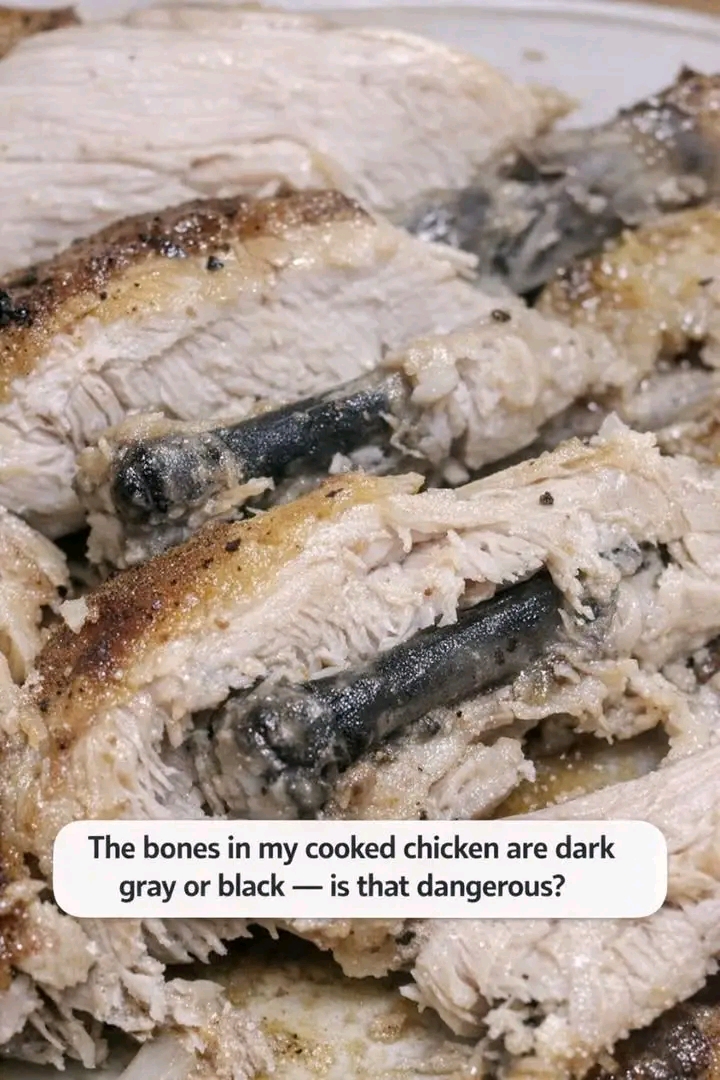
Safety Note on Chicken Bones: Many home cooks notice that the bones in cooked chicken can appear dark gray, black, or even slightly bluish, especially in the legs and wings. This is completely normal and not dangerous. The discoloration comes from myoglobin (a protein that stores oxygen in muscles) and bone marrow pigments that migrate during cooking. It is most common in younger birds or those with higher activity levels. As long as the meat is cooked to a safe internal temperature of 165°F (74°C) in the thickest part of the breast or thigh, the chicken is safe to eat. Dark bones do not indicate spoilage or undercooking.
Step 2: Optional Brining (4–24 Hours Ahead)
Dissolve salt and sugar in warm water, add aromatics, and cool completely. Submerge the chicken and refrigerate. Brining seasons the meat deeply and helps it retain moisture. Rinse and pat dry thoroughly before cooking.
Step 3: Season and Stuff
Preheat oven to 425°F (220°C) for the first 20–25 minutes, then reduce to 375°F (190°C).
Mix softened butter with olive oil, salt, pepper, garlic powder, paprika, and herbs. Gently loosen the skin over the breast and thighs and rub the mixture underneath and all over the exterior. This creates a protective barrier and adds incredible flavor.
Stuff the cavity with lemon halves, onion quarters, garlic cloves, and fresh herb sprigs. Tie the legs together with kitchen twine (trussing) for even cooking.
Step 4: Roast the Chicken
Place the chicken breast-side up on a roasting rack set inside a roasting pan or on a bed of vegetables (carrots, onions, celery). This allows hot air to circulate for crispy skin all around.
Roast at 425°F for 20–25 minutes until the skin starts to brown, then lower to 375°F. Continue roasting for another 50–70 minutes (total time approximately 75–90 minutes for a 4–5 lb bird). Baste occasionally with pan juices if desired.
The chicken is done when a meat thermometer reads 165°F (74°C) in the thickest part of the thigh (without touching bone) and the juices run clear. The legs should move freely when wiggled.
Step 5: Rest the Chicken
Transfer to a cutting board, tent loosely with foil, and rest for 15–20 minutes. This allows juices to redistribute for maximum tenderness and juiciness.
Step 6: Carve and Serve
Slice the breast meat, separate the thighs and drumsticks, and enjoy. Save the carcass for stock.
The Science Behind Perfect Roast Chicken
High initial temperature creates beautiful browning (Maillard reaction) for flavor and crisp skin. Lowering the heat ensures gentle, even cooking without drying out the breast. Butter under the skin bastes the meat from within. Aromatics in the cavity infuse subtle flavors throughout. Resting is non-negotiable — cutting too soon lets precious juices escape onto the board.
Pro Tips for Restaurant-Quality Results
- Spatchcock (Butterfly) the Chicken for faster, even cooking and ultra-crispy skin (reduce time by about 30%).
- Dry Brine: Rub salt and herbs on the chicken and refrigerate uncovered overnight for crispier skin.
- Elevate on Vegetables: Creates a natural rack and flavors the drippings for gravy.
- Compound Butters: Mix butter with sun-dried tomatoes, herbs, lemon zest, or chili flakes.
- Use a Thermometer: Never rely on timing alone — size and oven variations differ.
- Air-Dry: Uncovered in the fridge for 24 hours maximizes crispiness.
- Cast Iron Skillet: Roast in a preheated skillet for even better browning.
Delicious Variations
- Lemon Herb Roast Chicken — Extra lemon zest and fresh herbs.
- Garlic Butter Roast Chicken — Double the garlic and add parmesan under the skin.
- Spicy Peri-Peri Style — Rub with African peri-peri sauce or chili, garlic, and vinegar.
- Honey Glazed — Brush with honey-butter mixture in the last 20 minutes.
- Beer Can Chicken — Classic outdoor grilling method.
- Asian-Inspired — Soy sauce, ginger, garlic, five-spice, and sesame oil.
- Mediterranean — Olives, tomatoes, oregano, and feta crumbles after roasting.
- Crispy Spatchcock — Flattened for sheet-pan dinners with vegetables.
Side Dish Pairings
- Classic: Roasted root vegetables, mashed potatoes, gravy.
- Fresh: Simple green salad with vinaigrette.
- Comfort: Mac and cheese, cornbread, collard greens.
- Elegant: Risotto, asparagus, or ratatouille.
Making the Most of Leftovers
- Chicken Stock: Simmer carcass with vegetables for 4–12 hours.
- Chicken Salad: Mix shredded meat with mayo, celery, grapes, and nuts.
- Soups & Stews: Add to tortilla soup, chicken noodle, or curry.
- Casseroles: Pot pie, enchiladas, or tetrazzini.
- Sandwiches: On crusty bread with avocado and pesto.
Common Mistakes and How to Avoid Them
- Dry Breast Meat: Overcooking or not using butter under skin. Pull at 160°F — it will carryover cook to 165°F.
- Soggy Skin: Not drying thoroughly or roasting in too much liquid.
- Undercooked Chicken: Always use a thermometer.
- Bland Flavor: Season generously under and over the skin.
- Uneven Cooking: Truss properly and use a rack.
Food Safety Essentials
Cook to 165°F internal temperature. Wash hands and surfaces after handling raw chicken. Store leftovers within 2 hours in the refrigerator (up to 4 days) or freeze for up to 4 months. Reheat to 165°F. Dark bones, as mentioned earlier, are a normal pigmentation issue and not a safety concern when the meat reaches proper temperature.
Nutritional Benefits
Chicken provides high-quality protein, B vitamins (especially niacin and B6), selenium, and phosphorus. Roasting preserves nutrients better than some other methods. Skin adds healthy fats when enjoyed in moderation.
Frequently Asked Questions
Is it safe to eat chicken with dark bones?
Yes. The dark or black coloration in bones is normal and harmless. It results from natural pigments and does not mean the chicken is spoiled or undercooked.
Can I roast from frozen?
Yes, but add approximately 50% more time and start at a lower temperature to avoid uneven cooking.
What’s the best size chicken?
4–5 pounds is ideal for most families — enough for dinner plus leftovers.
Should I cover the chicken while roasting?
No, uncovered for crispy skin. Tent with foil only if browning too quickly.
How do I make gravy from drippings?
Whisk flour into fat, add stock or broth, and simmer until thickened. Season well.
Meal Prep and Make-Ahead Tips
Roast 1–2 chickens on the weekend for easy weeknight meals. Portion meat and freeze in labeled bags. Use bones immediately for stock or freeze them.
The Joy of Roasting Chicken
There’s something deeply satisfying about pulling a golden, fragrant roast chicken from the oven. It connects us to timeless home cooking traditions while being adaptable to modern tastes. Master this recipe and you’ll have a versatile foundation for countless delicious meals.
Experiment with herbs, spices, and techniques until you develop your signature version. Soon your family will request “that amazing roast chicken” on repeat.
Final Thoughts
This Ultimate Roast Chicken recipe delivers consistent, restaurant-quality results with straightforward techniques anyone can master. From the first crispy bite of skin to the tender, juicy meat and rich pan juices, it’s pure comfort on a plate.
Gather your ingredients, preheat the oven, and treat your loved ones (and yourself) to a perfect roast chicken tonight. The leftovers are just a bonus.
Enjoy your meal! This recipe will become a family favorite.