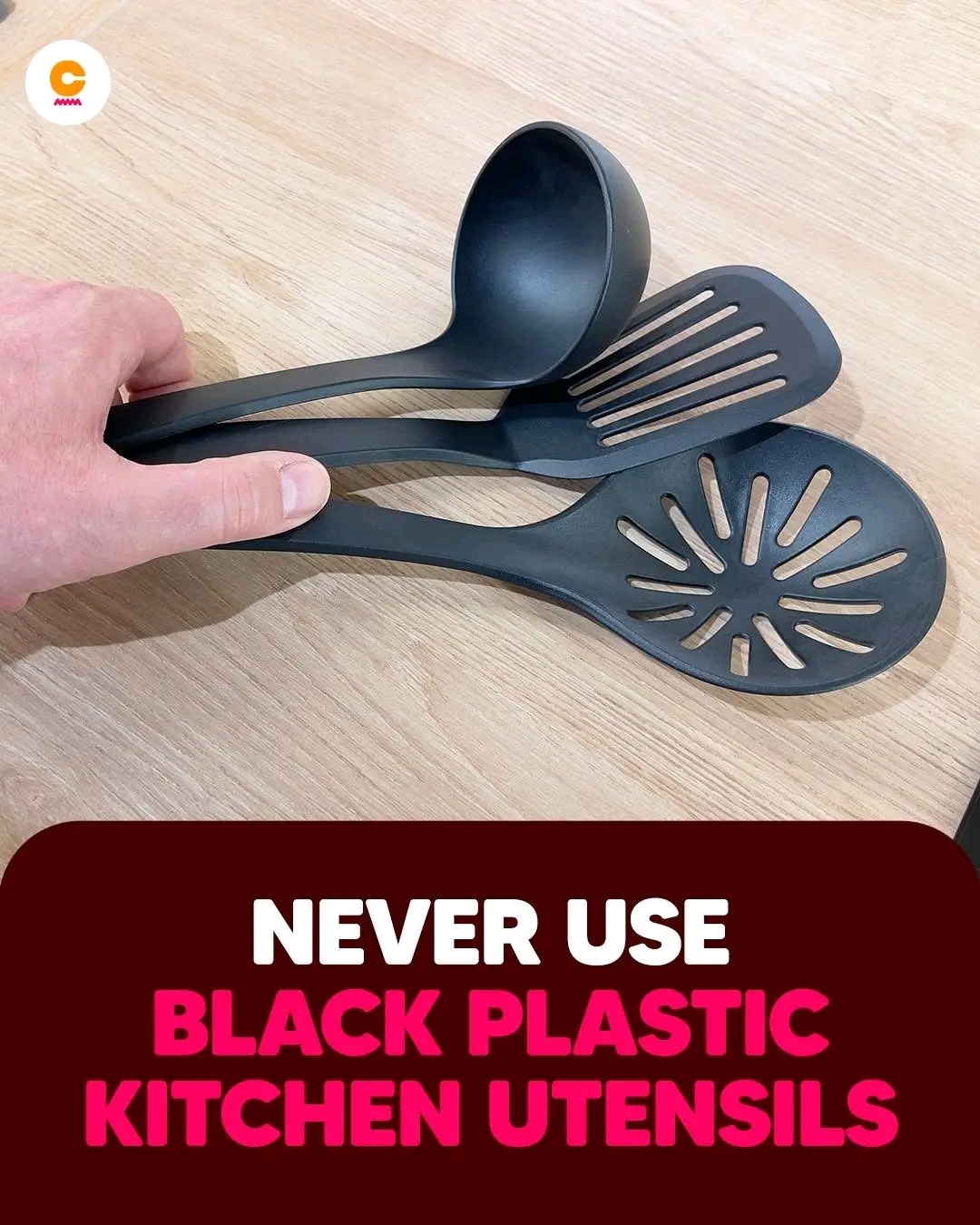
Black Plastic Kitchen Utensils: A Complete Guide to Understanding, Using, and Replacing Them
Introduction
The kitchen is one of the most important spaces in every home. It is where meals are prepared, families gather, and daily traditions are created. Over the years, kitchen tools have evolved from simple wooden spoons and metal cookware to modern utensils made from many different materials, including plastic.
Black plastic kitchen utensils such as spatulas, spoons, ladles, and serving tools have become popular because they are affordable, lightweight, attractive, and easy to clean. Their dark color gives them a modern appearance that matches many kitchen designs.
However, in recent years, questions have been raised about the safety of certain black plastic utensils, especially when they are exposed to high temperatures. Some concerns involve the type of plastic used, chemical additives, recycling processes, and the possibility of unwanted substances moving into food.
This guide explores the history, materials, benefits, concerns, alternatives, and best practices for choosing kitchen utensils wisely.
History of Kitchen Utensils
Ancient Kitchen Tools
The earliest cooking tools were created from natural materials. Ancient people used:
- Wooden spoons
- Stone tools
- Clay pots
- Bone utensils
- Metal cooking equipment
Wood was especially popular because it was naturally available, strong, and gentle on cookware.
Development of Metal Utensils
As civilizations developed, metals such as bronze, copper, and iron became common. Metal utensils offered durability and strength, making them useful for cooking over fire.
The Rise of Plastic
Plastic became widely used during the 20th century because it was:
- Cheap to manufacture
- Lightweight
- Resistant to breaking
- Easy to shape
Kitchen companies began producing plastic utensils in many colors, including black, because they looked stylish and hid stains.
Ingredients (Materials Used in Kitchen Utensils)
A “recipe” for making a plastic kitchen utensil may include:
Main Material:
- Plastic polymers
- Heat-resistant additives
- Color pigments
- Strengthening agents
Common Plastics Used:
Polypropylene (PP)
Often used for kitchen tools because it has good heat resistance.
Nylon
Common in spatulas and cooking spoons because it is flexible.
Melamine-based plastics
Used in some kitchen products but not usually recommended for high heat.
Recycled plastics
Some products are made from recycled materials, which can vary in quality.
How Black Plastic Utensils Are Formed
Step 1: Plastic Preparation
Raw plastic materials are processed into small pellets.
Step 2: Heating
The plastic pellets are melted into a soft liquid form.
Step 3: Molding
The melted plastic is injected into molds shaped like:
- Spoons
- Spatulas
- Ladles
- Tongs
Step 4: Cooling
The utensil is cooled until it becomes solid.
Step 5: Finishing
Manufacturers remove extra plastic, smooth edges, and package the product.
Benefits of Black Plastic Kitchen Utensils
1. Affordable
Plastic utensils are usually cheaper than stainless steel or wooden alternatives.
2. Lightweight
They are easy to handle, especially for children or people who prefer lighter tools.
3. Non-Scratch
Many plastic utensils are gentle on non-stick cookware.
4. Easy Cleaning
They can usually be washed quickly and stored easily.
5. Modern Appearance
Black utensils create a simple and elegant kitchen style.
Concerns About Black Plastic Utensils
The phrase “never use black plastic utensils” is often shared online, but the situation is more complicated.
Not every black plastic utensil is automatically unsafe. Safety depends on:
- The type of plastic
- Manufacturing quality
- Heat exposure
- Age of the utensil
- Whether it is food-grade certified
Some concerns involve recycled black plastics, because certain recycled materials may contain unwanted chemicals from previous uses if they are not properly controlled.
Methods for Safer Use of Plastic Utensils
Method 1: Avoid Extreme Heat
Do not leave plastic utensils:
- Inside boiling pots for long periods
- On hot pans
- Near open flames
Method 2: Replace Damaged Utensils
Throw away utensils that are:
- Cracked
- Melted
- Scratched deeply
- Becoming brittle
Method 3: Choose Food-Grade Products
Look for:
- Manufacturer information
- Heat resistance ratings
- Food safety certifications
Method 4: Use Different Materials When Possible
For high-temperature cooking, consider:
- Stainless steel
- Silicone
- Wood
Healthier Kitchen Alternatives
1. Wooden Utensils
Benefits:
- Natural material
- Gentle on cookware
- Comfortable grip
Uses:
- Stirring soups
- Mixing dough
- Cooking sauces
2. Stainless Steel Utensils
Benefits:
- Very durable
- Long-lasting
- Resistant to heat
Uses:
- Frying
- Boiling
- Heavy cooking
3. Silicone Utensils
Benefits:
- Heat resistant
- Flexible
- Non-scratch
Uses:
- Baking
- Cooking with non-stick pans
Nutrition and Kitchen Safety
Kitchen tools do not provide nutrition themselves, but they influence food safety and preparation quality.
Healthy cooking depends on:
Fresh Ingredients
Using fresh vegetables, fruits, grains, and proteins.
Safe Preparation
Keeping cooking surfaces clean.
Proper Storage
Preventing contamination.
Good Cooking Habits
Using appropriate tools for different temperatures.
A safe kitchen environment supports healthier meals.
Environmental Benefits of Choosing Better Utensils
Reducing Plastic Waste
Plastic utensils that are replaced frequently create unnecessary waste.
Longer-Lasting Materials
Metal and wooden tools can often last for many years.
Sustainable Choices
Choosing durable products reduces consumption.
Why People Love Different Kitchen Utensils
Plastic Utensil Lovers
People appreciate plastic because:
- It is affordable
- It is lightweight
- It comes in many designs
- It is easy to replace
Wooden Utensil Lovers
They enjoy:
- Natural appearance
- Traditional cooking feeling
- Warm texture
Stainless Steel Lovers
They prefer:
- Strength
- Professional quality
- Long-term use
Silicone Lovers
They like:
- Flexibility
- Modern designs
- Heat resistance
Cooking Method Recommendations
For High Heat Cooking:
Best choices:
- Stainless steel
- Heat-resistant silicone
For Stirring:
Best choices:
- Wooden spoon
- Silicone spoon
For Baking:
Best choices:
- Silicone spatula
- Wooden tools
For Serving:
Best choices:
- Stainless steel
- Wood
- High-quality food-safe materials
How to Maintain Kitchen Utensils
Plastic:
- Wash after every use
- Avoid high heat
- Replace when damaged
Wood:
- Hand wash
- Dry completely
- Apply food-safe oil occasionally
Stainless Steel:
- Wash normally
- Avoid harsh chemicals
Silicone:
- Clean thoroughly
- Check for damage
Common Myths About Black Plastic Utensils
Myth 1:
“All black plastic is dangerous.”
Reality:
Safety depends on the specific material and manufacturing process.
Myth 2:
“Plastic utensils immediately poison food.”
Reality:
Risk depends on conditions such as heat, quality, and usage.
Myth 3:
“Only expensive tools are safe.”
Reality:
Properly made affordable tools can also be suitable.
Conclusion
Black plastic kitchen utensils have become common because they are practical, inexpensive, and attractive. However, like all kitchen products, they should be chosen carefully and used correctly.
The most important factors are quality, heat resistance, condition, and responsible use. Avoid exposing plastic utensils to unnecessary extreme temperatures, replace damaged tools, and consider long-lasting alternatives such as wood, silicone, and stainless steel.
A healthy kitchen is not created by one single product—it is created through good habits, safe preparation, quality ingredients, and thoughtful choices.
Final Thoughts for Kitchen Lovers
Kitchen lovers understand that tools are more than objects; they are part of the cooking experience. A good utensil should feel comfortable, support creativity, and help prepare delicious meals safely.
Whether you choose wood, stainless steel, silicone, or carefully selected plastic, the best kitchen tool is the one that matches your cooking style while supporting safety, sustainability, and enjoyment.
A well-equipped kitchen is built not only with beautiful tools but with knowledge, care, and smart decisions.