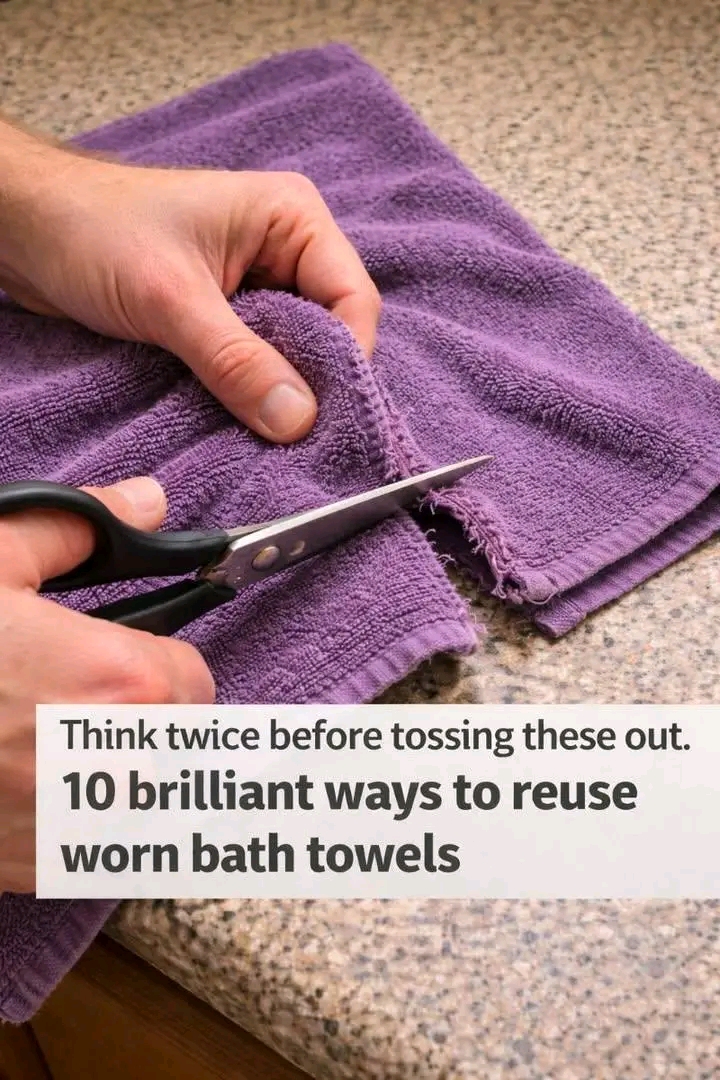
10 Brilliant Ways to Reuse Worn Bath Towels
A Creative Zero-Waste Home Craft Guide
Introduction
Old bath towels are often thrown away when they become thin, rough, stained, or damaged. However, a towel that no longer feels comfortable for drying your body can still have many useful purposes around the home. Because towels are made from absorbent cotton fibers, they can be transformed into cleaning tools, household accessories, pet supplies, gardening helpers, and even handmade crafts.
Reusing old towels is a simple way to reduce waste, save money, and give forgotten fabrics a second life. Instead of sending them to a landfill, you can cut, sew, fold, or combine them into practical items that make everyday tasks easier.
This guide explores ten creative ways to reuse worn bath towels, including the materials needed, step-by-step methods, history, benefits, environmental importance, and the reasons why many people love these sustainable ideas.
History of Towels and Reusing Fabric
Towels have been part of human civilization for centuries. Ancient cultures used pieces of cloth made from linen, cotton, and wool for drying and cleaning. In many traditional societies, fabric was considered valuable, and old clothing or household textiles were rarely thrown away. Instead, they were repaired, cut into smaller pieces, or transformed into new items.
Before modern mass production, families practiced a form of recycling called “textile reuse.” Old sheets became cleaning cloths, worn clothes became quilts, and damaged fabrics became household tools.
Today, with growing awareness of environmental problems, many people are returning to these traditional habits. Reusing towels is part of the zero-waste movement, which encourages people to reduce unnecessary consumption and find creative solutions for everyday items.
Benefits of Reusing Old Bath Towels
1. Reduces Household Waste
Millions of tons of textiles are discarded every year. By reusing towels, you help reduce the amount of waste entering landfills.
2. Saves Money
Instead of buying new cleaning cloths, pet blankets, or kitchen towels, you can create them from materials you already own.
3. Protects the Environment
Producing new textiles requires water, energy, dyes, and transportation. Extending the life of existing fabric reduces environmental impact.
4. Encourages Creativity
Turning an old towel into something useful allows you to experiment with sewing, crafting, and home improvement.
5. Creates Personalized Items
Handmade towel projects can be customized with different shapes, sizes, and designs.
Materials (Ingredients)
For these towel reuse projects, you may need:
Main Ingredient:
- Old bath towels
- Hand towels
- Beach towels
- Worn washcloths
Additional Materials:
- Sharp fabric scissors
- Sewing needle
- Thread
- Sewing machine (optional)
- Measuring tape
- Fabric pins
- Fabric glue (optional)
- Buttons or decorations
- Elastic bands
- Cotton fabric pieces
- Cleaning spray bottles
- Storage baskets
Method 1: Make Reusable Cleaning Cloths
Introduction
One of the easiest ways to reuse an old towel is turning it into cleaning rags. Towels are excellent because they absorb water and trap dust.
Instructions
Step 1:
Wash and dry the old towel completely.
Step 2:
Cut the towel into smaller squares.
Recommended sizes:
- Small cloths: 15 × 15 cm
- Medium cloths: 25 × 25 cm
Step 3:
If desired, sew around the edges to prevent fraying.
Step 4:
Store the cloths in a basket for cleaning.
Uses:
- Kitchen cleaning
- Bathroom surfaces
- Window washing
- Dust removal
- Car cleaning
Method 2: Create a Kitchen Dish Towel
Old bath towels can become thick kitchen towels.
Instructions
- Cut the towel into a rectangular shape.
- Fold the edges inward.
- Sew the borders.
- Add a hanging loop using leftover fabric.
Benefits:
- Highly absorbent
- Reusable
- Long-lasting
- Reduces paper towel use
Method 3: Make a Soft Pet Mat
Pets love soft fabrics, and old towels can become comfortable resting mats.
Ingredients:
- One or two old towels
- Needle and thread
- Optional stuffing
Instructions:
- Place two towels together.
- Sew three sides.
- Add stuffing if extra softness is needed.
- Close the final side.
Perfect For:
- Dogs
- Cats
- Small animals
Method 4: Create Bathroom Floor Mats
A worn towel can become a small bathroom mat.
Instructions:
- Collect several old towels.
- Cut them into strips.
- Braid or weave the strips together.
- Sew the shape securely.
Advantages:
- Absorbs water
- Prevents slipping
- Adds handmade decoration
Method 5: Make Cleaning Gloves
A towel can become a washable cleaning mitt.
Instructions:
- Place your hand on the towel.
- Draw a glove shape around your hand.
- Cut two matching pieces.
- Sew the edges together.
- Turn inside out.
Uses:
- Car washing
- Furniture cleaning
- Bathroom cleaning
Method 6: Create Pot Holders and Kitchen Pads
Because towels resist heat better than thin fabrics, they can become kitchen helpers.
Instructions:
- Cut thick towel squares.
- Add another fabric layer if needed.
- Sew edges together.
Uses:
- Holding hot dishes
- Protecting tables
- Kitchen organization
Method 7: Make a Gardening Kneeling Pad
Gardening can be uncomfortable on knees, but old towels provide cushioning.
Instructions:
- Fold several towel layers.
- Sew them together.
- Cover with waterproof fabric if desired.
Benefits:
- Protects knees
- Uses old materials
- Comfortable for outdoor work
Method 8: Create Makeup Removal Pads
Small towel pieces can replace disposable cotton pads.
Instructions:
- Cut small circles or squares.
- Sew edges.
- Wash and reuse after use.
Benefits:
- Eco-friendly
- Soft on skin
- Reduces waste
Method 9: Make a Travel Towel Pouch
A small towel pouch can hold toiletries or personal items.
Instructions:
- Cut a rectangle from the towel.
- Fold it into a pocket.
- Sew the sides.
- Add a button or zipper.
Uses:
- Travel storage
- Bathroom organization
- Small accessories
Method 10: Create a Braided Towel Basket
Old towels can become decorative storage baskets.
Instructions:
- Cut towels into long strips.
- Twist or braid the strips.
- Shape into a basket.
- Secure with stitches.
Uses:
- Laundry storage
- Toy baskets
- Bathroom organization
Formation: How Old Towels Become Useful Again
The transformation process follows several stages:
Stage 1: Selection
Choose towels that are:
- Clean
- Dry
- Free from severe mold damage
Stage 2: Preparation
Wash, dry, and inspect the fabric.
Stage 3: Cutting
Different projects require different shapes and sizes.
Stage 4: Construction
Sewing, folding, braiding, or layering creates a new product.
Stage 5: Final Use
The recycled towel becomes a practical household item.
Environmental “Nutrition” of Reusing Towels
Although towels do not contain nutritional value like food, their environmental value can be described as “eco-nutrition.”
Resource Savings:
Water Conservation:
Cotton production requires large amounts of water. Reusing cotton fibers reduces demand.
Energy Savings:
Less manufacturing means less energy consumption.
Waste Reduction:
Fewer textiles end up in landfills.
Sustainable Living:
Reuse encourages responsible consumption habits.
Why People Love Reusing Towels
Many people enjoy towel recycling because:
1. It Feels Rewarding
Turning something old into something useful creates satisfaction.
2. It Is Budget-Friendly
Families can save money by making household items themselves.
3. It Supports Creativity
Every towel can become something unique.
4. It Teaches Sustainability
Children can learn the importance of caring for the planet.
5. It Creates Memories
Some people transform old family towels into meaningful handmade items.
Tips for Successful Towel Projects
- Always wash towels before crafting.
- Use sharp scissors for clean cuts.
- Choose cotton towels because they absorb well.
- Reinforce edges to prevent unraveling.
- Keep handmade cleaning items separate from personal towels.
- Label different cloths for different purposes.
Conclusion
Old bath towels do not have to become useless waste. With creativity and simple techniques, they can be transformed into many valuable household items. From cleaning cloths and pet mats to kitchen accessories and handmade decorations, worn towels still have plenty of life left.
Reusing towels is more than a craft project—it is a lifestyle choice that supports sustainability, saves money, and reduces environmental impact. Small actions like recycling household fabrics can create meaningful changes for our homes and our planet.
The next time you find an old towel becoming thin or damaged, think twice before throwing it away. A simple piece of fabric can become something practical, beautiful, and useful again.