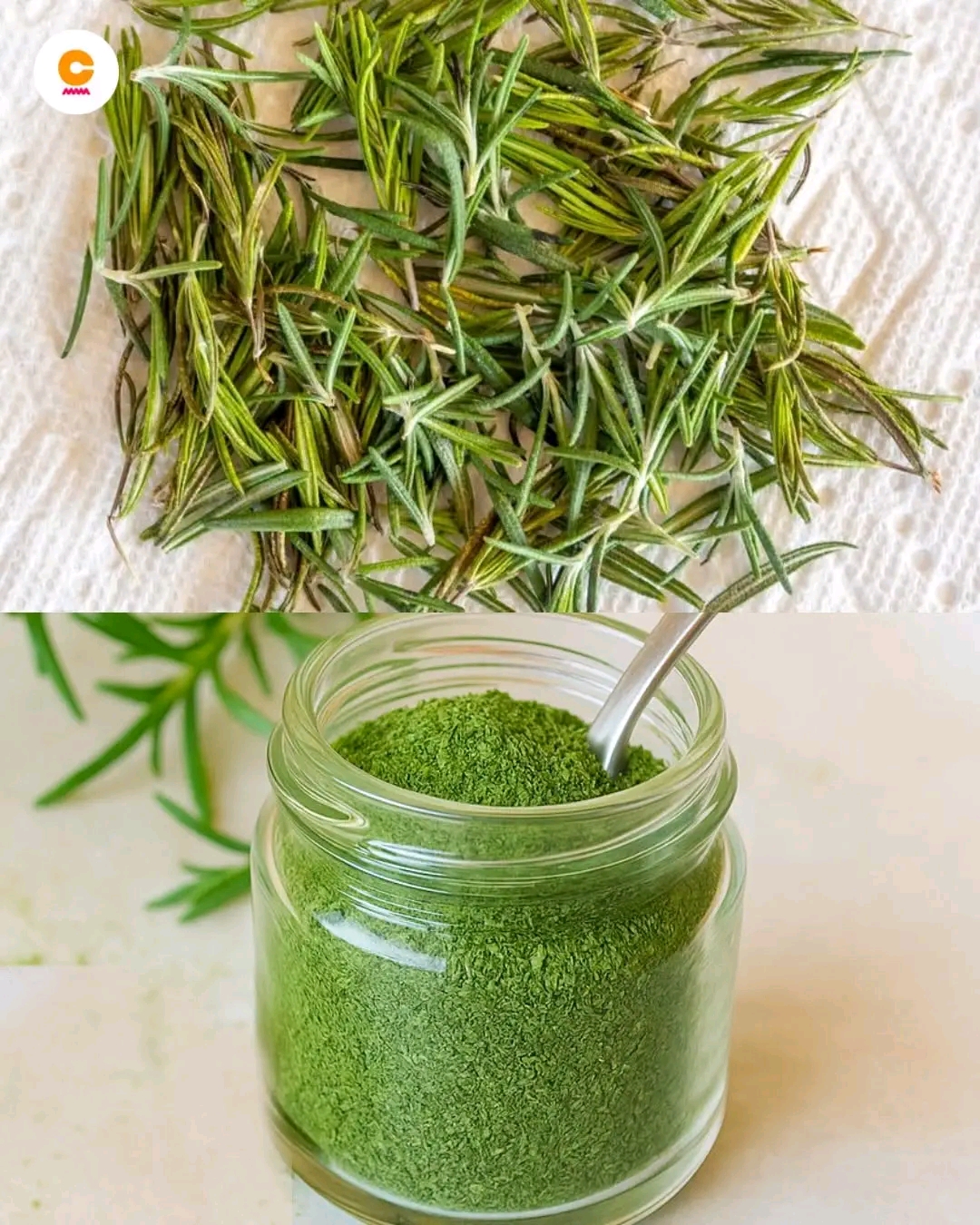
Homemade Rosemary Powder: A Complete Guide to Making, Using, and Enjoying This Aromatic Herb
Introduction
Rosemary is one of the most beloved herbs in the world, known for its beautiful fragrance, needle-like green leaves, and powerful flavor. For centuries, people have used rosemary in cooking, traditional practices, beauty routines, and household preparations.
Turning fresh rosemary into homemade powder is an excellent way to preserve its aroma and flavor for months. Rosemary powder can be added to roasted vegetables, meats, breads, sauces, soups, herbal drinks, and many other recipes.
This simple homemade preparation captures the natural essence of rosemary while allowing you to store and use the herb whenever needed. Making rosemary powder at home is easy, economical, and a wonderful way to appreciate natural ingredients.
History of Rosemary
Ancient Origins
Rosemary has a long history dating back thousands of years. It originally grew around the Mediterranean region, where it was valued for its strong aroma and versatility.
Ancient civilizations used rosemary for:
- Cooking
- Traditional ceremonies
- Natural fragrances
- Household purposes
The ancient Greeks and Romans considered rosemary a meaningful plant. It was associated with memory, celebration, and protection.
Rosemary in Traditional Cooking
Mediterranean cultures have used rosemary for generations to flavor:
- Roasted meats
- Fish dishes
- Breads
- Vegetable recipes
- Olive oil preparations
Its strong flavor helped preserve and enhance food before modern refrigeration.
Modern Use
Today, rosemary is grown worldwide and is available fresh, dried, and powdered. It remains popular among chefs, gardeners, and people interested in natural ingredients.
Homemade Rosemary Powder Recipe
Ingredients
Main Ingredient:
- 2 cups fresh rosemary leaves
Optional Ingredients:
- ½ teaspoon sea salt (for savory seasoning blends)
- 1 teaspoon dried garlic powder
- ½ teaspoon black pepper
- ½ teaspoon dried lemon peel powder
Equipment Needed
- Kitchen towel
- Baking tray
- Oven or food dehydrator
- Blender or spice grinder
- Fine sieve
- Glass storage jar
Preparation Method
Step 1: Select Fresh Rosemary
Choose fresh rosemary branches that are:
- Bright green
- Clean
- Free from insects
- Strongly aromatic
Fresh rosemary gives the best flavor.
Step 2: Wash the Rosemary
Rinse the rosemary gently under cool water to remove:
- Dust
- Dirt
- Small particles
Avoid soaking for too long because excess water can reduce aroma.
Step 3: Dry the Leaves
Place rosemary on a clean kitchen towel.
Allow it to dry naturally for several hours.
Removing moisture is important because dry leaves create better-quality powder.
Step 4: Remove Leaves From Stems
Hold the stem and slide your fingers downward.
The leaves will separate easily.
Discard the hard stems.
Step 5: Dry Completely
Air Drying Method:
- Spread rosemary leaves on a tray.
- Keep them in a dry, warm place.
- Allow them to dry for several days.
Oven Method:
- Place leaves on a baking tray.
- Heat at a low temperature.
- Dry until leaves become crispy.
Dehydrator Method:
Use a food dehydrator until completely dry.
Step 6: Grind Into Powder
Place dried rosemary leaves into:
- Blender
- Spice grinder
- Mortar and pestle
Grind until you get a fine green powder.
Step 7: Store Properly
Store rosemary powder in:
- Glass jars
- Airtight containers
Keep away from:
- Heat
- Moisture
- Direct sunlight
Proper storage helps maintain flavor.
Formation: How Rosemary Powder Is Created
The transformation process includes several stages:
Stage 1: Harvesting
Fresh rosemary branches are collected.
Stage 2: Cleaning
Leaves are washed and prepared.
Stage 3: Drying
Water is removed while preserving natural compounds.
Stage 4: Grinding
The dried leaves are crushed into a fine powder.
Stage 5: Preservation
The powder is stored for future cooking and preparation.
Ways to Use Rosemary Powder
1. Rosemary Seasoning Mix
Combine:
- Rosemary powder
- Garlic powder
- Black pepper
- Sea salt
Use on:
- Potatoes
- Vegetables
- Chicken
- Fish
2. Rosemary Bread Flavoring
Add a small amount to bread dough for a Mediterranean aroma.
Perfect with:
- Homemade bread
- Focaccia
- Flatbreads
3. Rosemary Roasted Potatoes
Ingredients:
- Potatoes
- Olive oil
- Rosemary powder
- Salt
- Pepper
Method:
- Cut potatoes.
- Mix with olive oil and seasoning.
- Roast until golden.
4. Rosemary Herbal Drink
Ingredients:
- 1 teaspoon rosemary leaves or powder
- Hot water
- Honey (optional)
- Lemon (optional)
Method:
- Add rosemary to hot water.
- Allow it to steep.
- Strain and enjoy.
Benefits of Rosemary
1. Rich in Plant Compounds
Rosemary contains natural plant compounds that contribute to its aroma and traditional uses.
2. Supports Flavorful Cooking
Using rosemary can reduce the need for excessive salt because it provides strong natural flavor.
3. Contains Antioxidant Compounds
Rosemary contains compounds such as rosmarinic acid, which are studied for antioxidant properties.
4. Traditional Digestive Use
Rosemary has traditionally been used in herbal practices after meals.
5. Encourages Healthy Cooking Habits
Adding herbs like rosemary helps create flavorful meals using natural ingredients.
Nutritional Information of Rosemary Powder
Approximate nutrition for 1 tablespoon:
- Calories: Low
- Fiber: Present
- Natural plant compounds: Present
- Minerals: Small amounts of calcium, iron, and potassium
Because rosemary is usually consumed in small quantities, it mainly contributes flavor rather than major calories or nutrients.
Beauty and Home Uses of Rosemary
Rosemary Hair Care Traditions
Rosemary has been used traditionally in hair and scalp preparations.
Common methods include:
- Rosemary-infused oils
- Herbal rinses
Home Fragrance
The pleasant aroma can be used in:
- Homemade sachets
- Natural decorations
- Herbal blends
Cooking Methods Using Rosemary Powder
Method 1: Dry Seasoning
Sprinkle directly onto food before cooking.
Best for:
- Vegetables
- Meat
- Rice dishes
Method 2: Herb Oil
Mix rosemary powder with olive oil.
Use for:
- Marinades
- Salad dressings
- Bread dipping
Method 3: Marinade
Combine:
- Olive oil
- Rosemary powder
- Garlic
- Lemon juice
Use for chicken, vegetables, or fish.
Why Rosemary Lovers Enjoy This Herb
1. Beautiful Aroma
Rosemary adds a fresh, forest-like fragrance.
2. Versatile Flavor
It works with many foods.
3. Easy to Grow
Rosemary grows well in gardens and pots.
4. Long Storage Life
Powdered rosemary can last for months when stored correctly.
5. Natural Ingredient
Many people enjoy using herbs instead of artificial flavorings.
Tips for Perfect Rosemary Powder
- Use fresh rosemary whenever possible.
- Dry completely before grinding.
- Avoid overheating during drying.
- Store in dark glass containers.
- Use small amounts because rosemary has a strong flavor.
- Label the jar with the preparation date.
Conclusion
Homemade rosemary powder is a simple and valuable way to preserve one of nature’s most popular herbs. With only fresh rosemary and a few easy steps, you can create a flavorful ingredient that enhances cooking and brings traditional herbal qualities into your home.
From roasted vegetables and breads to seasoning blends and herbal preparations, rosemary powder offers endless possibilities. Its history, aroma, versatility, and natural qualities have made it a favorite herb for generations.
Making your own rosemary powder is not only practical but also connects you with traditional food preparation methods. A small jar of homemade rosemary powder can transform everyday meals into delicious, fragrant experiences.
Final Words for Rosemary Lovers
For people who love natural flavors, rosemary is more than a simple herb—it is a symbol of tradition, creativity, and connection with nature.
Whether grown in your garden, dried in your kitchen, or sprinkled into your favorite recipes, rosemary brings warmth and character to every dish. Creating homemade rosemary powder allows you to enjoy this wonderful herb all year long while celebrating the beauty of simple ingredients.