Flax Seeds: Can These Tiny Seeds Help Reduce Cholesterol, Support Blood Sugar, and Promote Pancreatic Health?
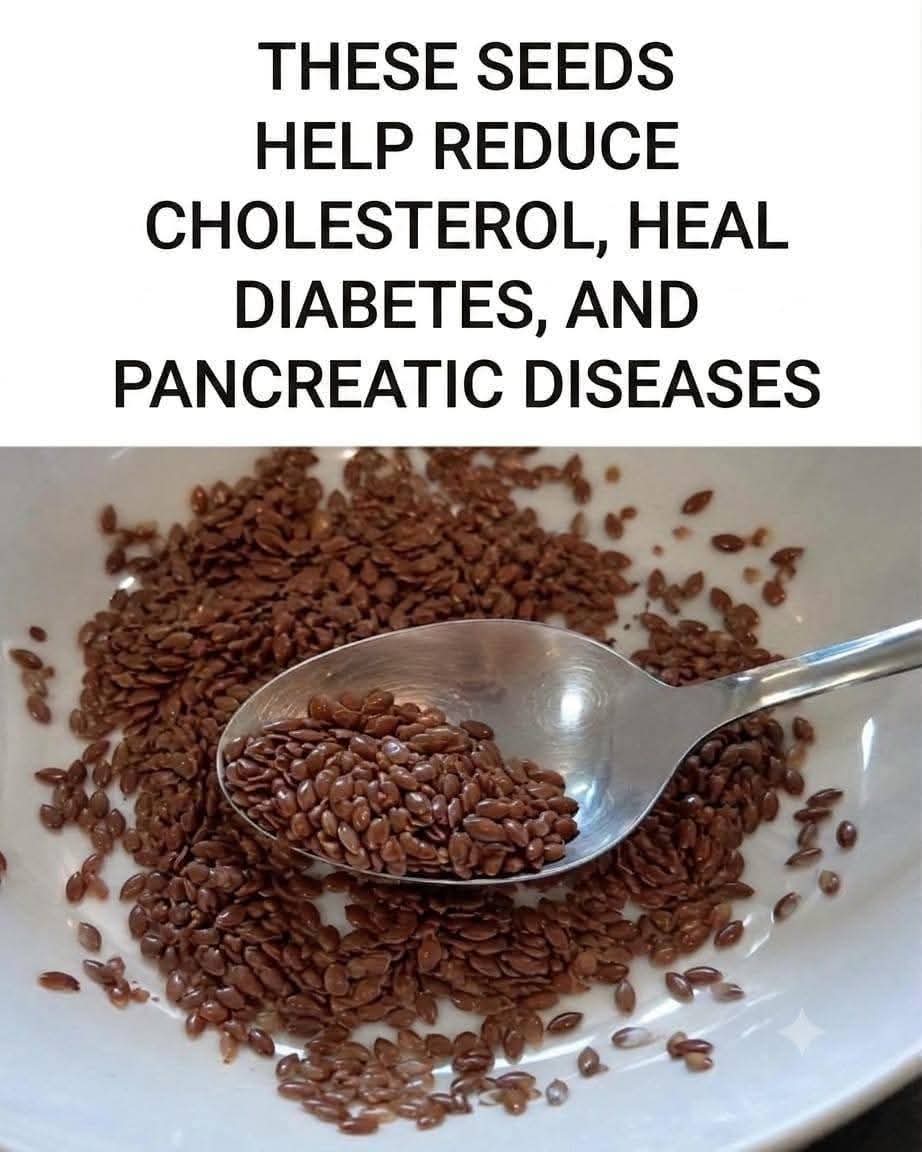
Flax seeds, also known as linseeds, are tiny brown or golden seeds that have been used as food for centuries. The seeds shown in the image are flax seeds, a nutritional ingredient that has attracted considerable attention because they contain dietary fiber, plant-based omega-3 fatty acids and lignans.
A popular health claim suggests that flax seeds can “reduce cholesterol, heal diabetes, and cure pancreatic diseases.” While the first part has some scientific support, the stronger claims go too far. Research suggests that whole or ground flaxseed may help improve certain cholesterol levels and may have modest effects on blood sugar in some people, but it should not be considered a cure for diabetes or pancreatic disease.
That distinction is important. Food can be an important part of a healthy lifestyle, but it cannot replace appropriate medical diagnosis or treatment.
In this comprehensive guide, we will explore what makes flax seeds special, their nutritional benefits, their potential effects on cholesterol and blood sugar, what is known about pancreatic health, how to eat them safely, and how to add them to everyday meals.
What Are Flax Seeds?
Flax seeds come from the plant Linum usitatissimum, commonly called flax or linseed. They are small, flat seeds with a slightly nutty flavor and are available in brown, golden and other varieties.
Flax has a long history of human use. According to the National Center for Complementary and Integrative Health, flax was cultivated in the Middle East and was later used in ancient Egypt, Ethiopia and Greece for various purposes, including food and traditional applications.
Today, flax seeds are commonly added to:
- Oatmeal
- Smoothies
- Yogurt
- Bread
- Muffins
- Cereals
- Salads
- Soups
- Homemade energy bars
- Porridge
- Pancakes
They are also processed into flaxseed meal and flaxseed oil.
However, these forms are not nutritionally identical. Whole and ground flaxseed contain fiber and lignans, while flaxseed oil does not contain the fiber or lignans found in the seed.
Why Are Flax Seeds Considered Healthy?
The nutritional appeal of flax seeds comes from several components working together.
1. Dietary fiber
Flaxseed contains both soluble and insoluble fiber. Fiber can support digestive health and may also contribute to healthier cholesterol levels.
2. Alpha-linolenic acid
Flax seeds are a plant source of alpha-linolenic acid (ALA), an omega-3 fatty acid. ALA is an essential fatty acid, meaning the body needs it from the diet.
3. Lignans
Flaxseed is particularly rich in plant compounds called lignans. These are phytochemicals that have attracted scientific interest because of their antioxidant and hormone-related properties.
4. Plant protein
Flaxseed contributes some protein to the diet, making it a useful addition to meals containing other plant foods.
5. Micronutrients
Flaxseed also provides several vitamins and minerals, although its greatest nutritional advantages are generally associated with its fiber, ALA and lignans.
Flax Seeds and Cholesterol
One of the strongest reasons people add flaxseed to their diets is its potential effect on cholesterol.
High LDL cholesterol is an important risk factor for cardiovascular disease. Fortunately, dietary habits can influence cholesterol levels.
Research summarized by the National Center for Complementary and Integrative Health suggests that some flaxseed preparations, particularly whole flaxseed and flaxseed lignans, may help lower cholesterol. However, results have not been identical across all studies or all forms of flaxseed.
Mayo Clinic also notes that daily flaxseed consumption has been associated in several studies with reductions in total cholesterol and LDL cholesterol.
How might flaxseed affect cholesterol?
There are several possible explanations.
Fiber may play a role
Certain types of dietary fiber can interfere with the absorption and recycling of cholesterol in the digestive system.
Instead of allowing some compounds to be reabsorbed, fiber can help carry them through the digestive tract for elimination.
Healthy fats may contribute
Flaxseed contains ALA, a plant-based omega-3 fatty acid. Replacing foods high in saturated fat with foods containing unsaturated fats can be part of a heart-healthy dietary pattern.
Lignans may contribute
Lignans are another reason flaxseed is nutritionally interesting. Researchers continue to investigate how these plant compounds interact with metabolism and cardiovascular health.
Can Flax Seeds Lower “Bad” LDL Cholesterol?
Possibly.
LDL cholesterol is often called “bad cholesterol” because elevated levels can contribute to plaque formation in arteries.
Evidence summarized by NCCIH indicates that some flaxseed preparations may have cholesterol-lowering effects, with effects appearing stronger in certain groups, including people with higher starting cholesterol levels.
However, it is important not to exaggerate the result.
Flaxseed is not a replacement for cholesterol medication when medication has been prescribed.
A person with significantly elevated cholesterol should work with a healthcare professional to determine the cause and appropriate treatment.
Flaxseed can instead be viewed as one nutritious food that may complement a heart-conscious diet.
Flax Seeds and Diabetes
Another major claim associated with flaxseed is that it can “heal diabetes.”
This is not supported by current evidence.
Diabetes is a chronic metabolic disease involving abnormal blood glucose regulation. Although diet and lifestyle are extremely important in diabetes management, there is no evidence that simply eating flax seeds cures diabetes.
Research does suggest that flaxseed may influence blood sugar levels, but results are mixed.
Mayo Clinic reports that flaxseed might lower blood sugar in people with type 2 diabetes, while studies have produced inconsistent findings. Flaxseed oil has not demonstrated the same blood-sugar-lowering effect.
NCCIH similarly states that more research is needed to determine whether flaxseed lignans can improve glycemic control or fasting blood glucose in people with type 2 diabetes.
Why Might Flaxseed Affect Blood Sugar?
One possible explanation is its fiber content.
Fiber can slow digestion and the absorption of carbohydrates. This may help prevent rapid rises in blood glucose after meals.
For example, consider two meals:
Meal A: refined carbohydrates with very little fiber.
Meal B: whole-food carbohydrates combined with vegetables, protein, healthy fats and fiber-rich foods such as ground flaxseed.
The second meal may produce a different glucose response because digestion and carbohydrate absorption occur more gradually.
However, individual responses vary significantly.
Flaxseed should therefore be considered a supportive food, not a diabetes treatment.
Flax Seeds and Insulin Sensitivity
Insulin sensitivity describes how effectively the body’s cells respond to insulin.
Reduced insulin sensitivity is associated with metabolic problems, including type 2 diabetes.
Researchers have investigated whether flaxseed and its components may influence insulin sensitivity and glucose metabolism.
Some studies are encouraging, but the overall evidence is not strong enough to say that flaxseed reliably reverses insulin resistance.
A sensible approach is to include flaxseed as part of a broader strategy that includes:
- Regular physical activity
- Adequate sleep
- Weight management when appropriate
- High-fiber foods
- Vegetables
- Legumes
- Whole grains
- Nuts and seeds
- Appropriate medical treatment
What About the Pancreas?
The image specifically claims that flax seeds can “heal pancreatic diseases.”
This claim should be treated with caution.
The pancreas is an important organ located behind the stomach. It performs several critical functions, including producing digestive enzymes and hormones involved in blood sugar regulation.
Conditions affecting the pancreas include:
- Pancreatitis
- Pancreatic cysts
- Pancreatic cancer
- Certain genetic disorders
- Problems affecting pancreatic enzyme production
- Diabetes involving pancreatic damage
There is not enough clinical evidence to say that eating flaxseed heals pancreatic diseases.
That does not mean flaxseed is unhealthy for most people. It simply means that we should distinguish between supporting overall nutrition and treating a diagnosed disease.
If someone has pancreatic pain, unexplained weight loss, persistent digestive symptoms, jaundice or other concerning symptoms, they should seek medical evaluation rather than attempting to treat the problem with seeds or herbal remedies.
Could Flax Seeds Support Overall Metabolic Health?
Potentially, yes.
This is a more reasonable way to describe their role.
Flaxseed provides fiber and healthy unsaturated fat, while also supplying plant compounds such as lignans.
A diet that regularly includes fiber-rich plant foods can contribute to overall metabolic health.
Instead of thinking:
“Flaxseed cures disease.”
A better perspective is:
“Flaxseed can be one nutritious component of a balanced diet that supports cardiovascular and metabolic health.”
This distinction protects people from unrealistic expectations while still recognizing the nutritional value of the seed.
Ground Flaxseed vs. Whole Flaxseed
One of the most important practical questions is whether flaxseed should be eaten whole or ground.
Mayo Clinic recommends ground flaxseed because it is generally easier to digest. Whole seeds can sometimes pass through the digestive tract without being completely broken down, potentially limiting access to some nutrients.
Whole flaxseed
Advantages:
- Convenient
- Easy to store
- Adds texture
- Useful as a topping
Disadvantage:
- Some seeds may pass through the digestive tract relatively intact.
Ground flaxseed
Advantages:
- Easier to incorporate into foods
- Easier to digest
- Makes the nutrients more accessible
Ground flaxseed can be purchased ready-made or prepared at home with a suitable grinder.
How Much Flaxseed Should You Eat?
There is no universal amount that is appropriate for everyone.
A practical approach for many adults is to begin with a small amount, such as a teaspoon or tablespoon of ground flaxseed, and gradually increase if tolerated.
Mayo Clinic notes that one tablespoon, approximately 7 grams, of ground flaxseed provides about 37 calories and approximately 2 grams of fiber.
Because flaxseed contains a significant amount of fiber, suddenly consuming large amounts can cause:
- Bloating
- Gas
- Abdominal discomfort
- Loose stools
- Fullness
Gradually increasing intake and drinking adequate fluids can help.
Easy Ways to Eat Flax Seeds
You don’t need complicated recipes.
1. Add flaxseed to oatmeal
Sprinkle ground flaxseed over warm oatmeal.
Add:
- Banana
- Berries
- Cinnamon
- Unsweetened yogurt
- Nuts
This makes a filling breakfast rich in fiber.
2. Blend it into a smoothie
Add one tablespoon of ground flaxseed to a smoothie containing:
- Berries
- Plain yogurt
- Milk or a suitable alternative
- Spinach
- Banana
The flavor is usually mild enough that it blends easily.
3. Mix it into yogurt
Combine plain yogurt with ground flaxseed and fresh fruit.
4. Add it to homemade bread
Ground flaxseed can be incorporated into bread and muffin recipes.
5. Sprinkle it over salads
A tablespoon of ground flaxseed can add texture and nutritional value to a salad.
6. Stir it into soup
A small amount can be mixed into soups or stews after cooking.
A Simple Flaxseed Breakfast Recipe
Ingredients
- 1 tablespoon ground flaxseed
- ½ cup rolled oats
- 1 cup milk or unsweetened plant milk
- ½ banana
- ½ cup berries
- 1 teaspoon chopped walnuts
- Cinnamon to taste
Instructions
- Cook the oats with the milk.
- Remove from heat.
- Stir in the ground flaxseed.
- Add sliced banana and berries.
- Sprinkle with walnuts and cinnamon.
- Serve warm.
This is not a treatment for diabetes or high cholesterol, but it is an excellent example of how flaxseed can be incorporated into a nutrient-dense meal.
Flaxseed for Digestive Health
Digestive health is another area where flaxseed has practical benefits.
Its fiber can help increase stool bulk and support regular bowel movements.
Mayo Clinic notes that flaxseed is commonly used to support digestive health and relieve constipation.
However, more is not necessarily better.
A large amount of fiber without sufficient fluid can actually make digestive symptoms worse.
For this reason, anyone increasing flaxseed consumption should also pay attention to overall hydration.
Flaxseed and Heart Health
Heart health involves much more than cholesterol.
Important factors include:
- Blood pressure
- LDL cholesterol
- Blood glucose
- Body weight
- Physical activity
- Smoking
- Diet
- Sleep
- Family history
Flaxseed can fit into this bigger picture because it provides fiber and ALA.
Research on flaxseed and cardiovascular risk factors is promising in some areas, but the effects are generally not large enough to make flaxseed a substitute for established treatments. NCCIH notes that complementary approaches such as flaxseed may have beneficial effects on certain cardiovascular risk factors, but these effects should be understood in context.
Flax Seeds Are Not a “Magic” Food
Social media posts often turn nutritious foods into miracle cures.
A photograph of a spoonful of seeds may be accompanied by dramatic claims such as:
- “Eat this and cholesterol disappears.”
- “This cures diabetes.”
- “It repairs the pancreas.”
- “Doctors don’t want you to know.”
- “Drink this for seven days and reverse disease.”
These claims are misleading.
Healthy foods can be powerful components of a good diet, but they do not work like prescription medicines.
The strongest health benefits usually come from overall dietary patterns, not a single ingredient.
Can Flaxseed Replace Cholesterol Medication?
No.
If your doctor has prescribed a cholesterol-lowering medicine, do not stop taking it because you started eating flaxseed.
NCCIH specifically advises people with high cholesterol not to take dietary supplements instead of prescribed medication.
Instead, flaxseed can be incorporated into a diet that also emphasizes:
- Vegetables
- Fruit
- Beans
- Lentils
- Whole grains
- Fish where appropriate
- Nuts
- Seeds
- Unsaturated fats
And limits excessive intake of saturated fats and highly processed foods.
Can People With Diabetes Eat Flaxseed?
Many people with diabetes can include flaxseed in a balanced diet.
However, people taking glucose-lowering medication should be aware that dietary changes can affect blood glucose.
If you have diabetes, monitor your blood glucose according to your healthcare professional’s recommendations.
Flaxseed should be considered a food—not a replacement for:
- Insulin
- Prescribed diabetes medication
- Blood glucose monitoring
- Medical appointments
- A personalized nutrition plan
Important Safety Considerations
Although flaxseed is a common food, there are circumstances in which extra caution is appropriate.
NCCIH advises against eating raw or unripe flaxseeds, because they may contain potentially toxic compounds.
Large amounts can also cause digestive problems such as bloating, fullness and diarrhea.
Because flaxseed is high in fiber, it should be consumed with adequate fluids.
Flaxseed and Medications
Flaxseed may potentially interact with certain medications.
NCCIH notes theoretical concerns involving anticoagulant and antiplatelet medicines and recommends discussing flaxseed or flaxseed oil with a healthcare provider if you take medications.
This is particularly important for people taking multiple medicines.
Do not assume that “natural” automatically means risk-free.
Pregnancy and Breastfeeding
People who are pregnant or breastfeeding should be especially cautious with concentrated flaxseed products and supplements.
NCCIH reports that some studies raise concerns about flaxseed use during pregnancy, although the evidence is not conclusive, and there is limited information about safety during breastfeeding.
Anyone who is pregnant, breastfeeding or planning pregnancy should discuss regular medicinal or supplemental use of flaxseed with a healthcare professional.
Flaxseed Oil vs. Flaxseed
Another common misunderstanding is assuming flaxseed oil provides exactly the same benefits as ground flaxseed.
It doesn’t.
Flaxseed oil is rich in ALA but does not contain the fiber and lignans found in whole flaxseed.
This difference matters when discussing cholesterol and digestive health.
For example, NCCIH reports that evidence for cholesterol reduction is more supportive for some whole-flaxseed and lignan preparations than for flaxseed oil.
Therefore, if your goal is to increase dietary fiber, ground flaxseed is more appropriate than flaxseed oil.
How to Store Flaxseed
Whole flaxseed generally keeps well when stored correctly.
For best quality:
- Keep it in an airtight container.
- Store it away from heat.
- Protect it from moisture.
- Keep ground flaxseed refrigerated or otherwise stored according to package instructions.
- Avoid using flaxseed that smells rancid or unusually bitter.
Grinding the seeds increases their surface area, which can make them more vulnerable to oxidation.
Buying smaller quantities and storing them properly can help preserve freshness.
Five Simple Ways to Make Flaxseed Part of Your Daily Diet
1. Morning oatmeal
Add one tablespoon of ground flaxseed to oatmeal.
2. Breakfast smoothie
Blend it with fruit, yogurt and milk.
3. Healthy yogurt bowl
Combine yogurt, berries, flaxseed and chopped nuts.
4. Homemade baked goods
Add ground flaxseed to muffins, pancakes or whole-grain bread.
5. Dinner salad
Sprinkle a small amount over a vegetable-rich salad.
The key is consistency rather than excessive amounts.
A One-Week Flaxseed Meal Idea
If you’re looking for variety, here is a simple example.
Monday
Oatmeal + banana + ground flaxseed.
Tuesday
Berry smoothie + ground flaxseed.
Wednesday
Yogurt + apples + cinnamon + flaxseed.
Thursday
Whole-grain toast + avocado + flaxseed sprinkled on top.
Friday
Vegetable soup + a meal containing ground flaxseed.
Saturday
Homemade flaxseed pancakes topped with fresh berries.
Sunday
Fruit and yogurt bowl with flaxseed and walnuts.
This type of approach is much more realistic than consuming large quantities of flaxseed as a supposed cure.
What Makes Flaxseed Different From Other Seeds?
Flaxseed is particularly interesting because it combines several nutritional characteristics.
Chia seeds, pumpkin seeds, sunflower seeds, sesame seeds and hemp seeds all provide valuable nutrients, but flaxseed stands out for its combination of:
Fiber + ALA omega-3 fatty acids + lignans.
That combination makes it a useful ingredient in a varied diet.
Still, there is no need to choose only one seed.
A diet containing several different nuts and seeds can provide a broader range of nutrients.
The Bigger Picture: Diet and Cholesterol
If your goal is to improve cholesterol, don’t focus exclusively on flaxseed.
Think about your entire diet.
Replace foods high in saturated fat with foods rich in unsaturated fats.
Eat more:
- Oats
- Beans
- Lentils
- Vegetables
- Fruit
- Whole grains
- Nuts
- Seeds
- Fish
- Olive oil
Mayo Clinic emphasizes that a heart-healthy diet is not about one “superfood”; it is about building consistent dietary habits, especially eating more fiber and healthy fats.
Flaxseed can be one small but useful part of that pattern.
The Bigger Picture: Blood Sugar
For blood sugar management, flaxseed should also be combined with broader lifestyle habits.
A balanced meal might include:
Protein + high-fiber carbohydrates + vegetables + healthy fats.
Regular movement is also important.
Walking after meals, strength training and other forms of physical activity can contribute to healthier glucose regulation.
For someone with diabetes, these strategies should be personalized with a healthcare professional.
Frequently Asked Questions
Does flaxseed lower cholesterol?
It may. Studies suggest that whole flaxseed and some flaxseed lignan preparations can lower cholesterol, although results vary. Flaxseed oil has not consistently shown the same cholesterol-lowering effect.
Can flaxseed cure diabetes?
No. There is not sufficient evidence that flaxseed cures diabetes. Some research suggests it may modestly influence blood glucose, but findings are mixed.
Can flaxseed heal the pancreas?
There is no good evidence that flaxseed heals pancreatic diseases. It may be part of a healthy diet, but pancreatic conditions require appropriate medical evaluation and treatment.
Is ground flaxseed better than whole flaxseed?
Ground flaxseed is generally easier to digest and may allow better access to its nutrients.
Is flaxseed oil the same as flaxseed?
No. Flaxseed oil contains ALA but lacks the fiber and lignans present in the whole seed.
How should beginners start eating flaxseed?
Start with a small amount of ground flaxseed and increase gradually if tolerated. Drink adequate fluids because of its high fiber content.
Can I eat flaxseed every day?
Many people can include reasonable amounts of flaxseed as part of their normal diet. However, people taking medications, pregnant or breastfeeding people, and those with certain medical conditions should discuss regular use with a healthcare professional.
Final Thoughts
The tiny brown seeds shown in the image are flax seeds, and they deserve attention for legitimate nutritional reasons.
They provide dietary fiber, alpha-linolenic acid (ALA), lignans and other nutrients. Research suggests that whole or ground flaxseed may help support healthier cholesterol levels, while evidence regarding blood sugar is promising in some studies but remains mixed.
What flaxseed cannot do is magically cure diabetes, eliminate high cholesterol overnight or heal pancreatic disease.
The best way to use flaxseed is as part of a broader healthy lifestyle.
Add ground flaxseed to oatmeal, smoothies, yogurt, salads or baked foods. Combine it with vegetables, fruits, legumes, whole grains, nuts, healthy fats and appropriate sources of protein. Stay physically active, maintain healthy habits and follow medical advice when you have a diagnosed condition.
Most importantly, don’t let dramatic social-media claims distract from what actually works.
Flaxseed can be a nutritious food. It can potentially support cardiovascular and metabolic health. But it is not a miracle cure.
For people with high cholesterol, diabetes or pancreatic disease, the safest approach is to use nutritious foods such as flaxseed alongside—not instead of—evidence-based medical care. NCCIH likewise advises people with high cholesterol not to replace prescribed treatment with dietary supplements.
A simple takeaway
Eat flaxseed for its nutrition—not because you expect it to cure disease.
That approach is realistic, sustainable and much more consistent with the available scientific evidence.