Black Seed (Nigella sativa): Benefits, Uses, Preparation, Safety, and What Science Really Says
Black seed, also known as black cumin, black caraway, or Nigella sativa, has been used traditionally for centuries in different parts of the world. Its small, dark seeds are commonly used as a spice, in traditional preparations, and as a source of aromatic plant compounds.
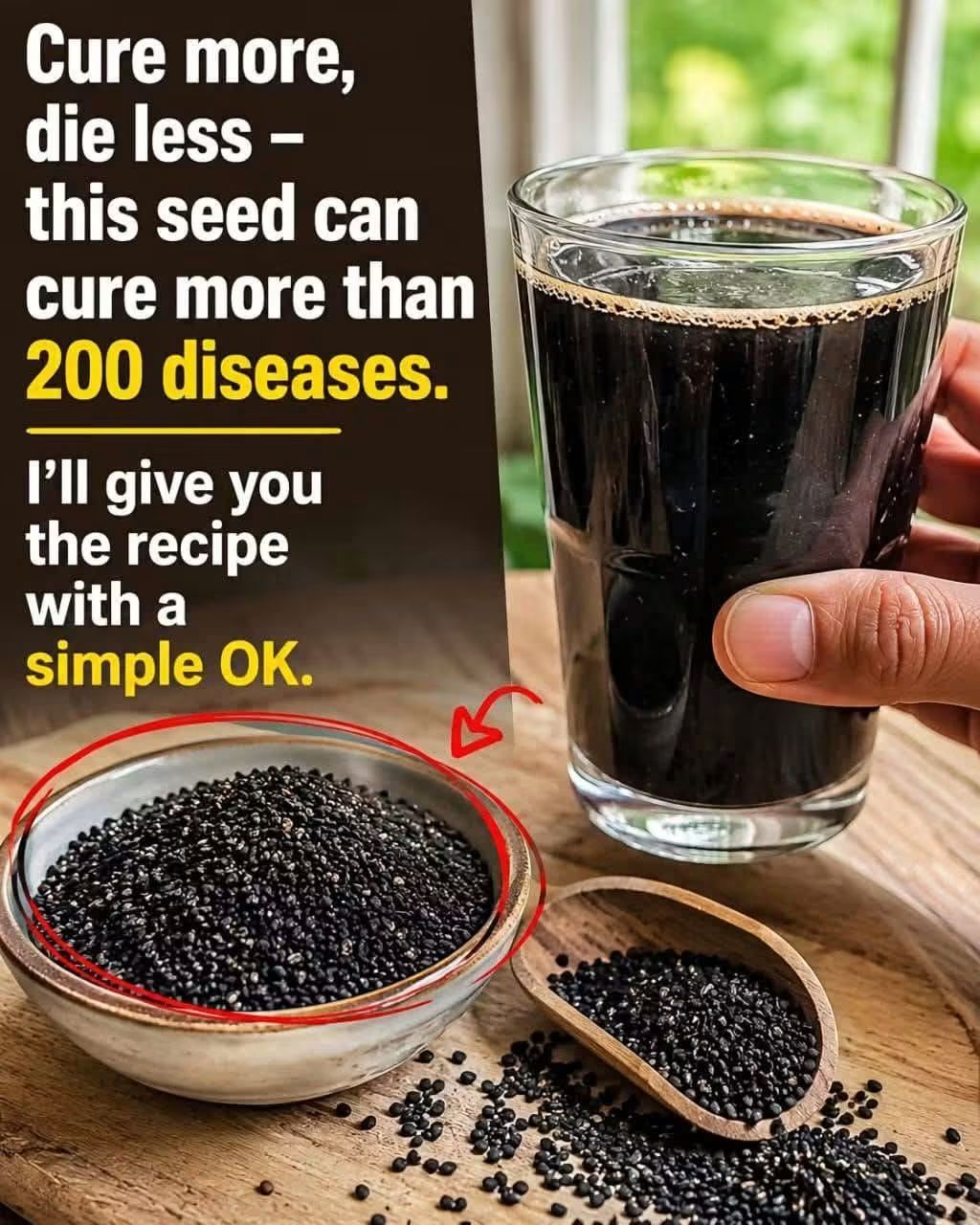
An image circulating online claims that black seed can “cure more than 200 diseases.” Such a statement is much stronger than the available scientific evidence supports. Black seed is an interesting medicinal plant that has been investigated for several potential health effects, but it should not be described as a cure for hundreds of diseases or as a replacement for medical treatment.
The good news is that black seed is still worth learning about. Research has explored its antioxidant, anti-inflammatory, metabolic, and other properties. The seeds contain several biologically active compounds, particularly thymoquinone, which has attracted considerable scientific interest.
This article explains what black seed is, its traditional uses, potential benefits, how people commonly prepare it, possible nutritional value, precautions, and the difference between promising research and proven medical treatment.
What Is Black Seed?
Black seed comes from the flowering plant Nigella sativa, a member of the Ranunculaceae family. The plant produces small black seeds with a distinctive aroma and slightly bitter, peppery flavor.
Despite the name “black cumin,” black seed is botanically different from the cumin commonly used in cooking. It is also different from black sesame seeds.
Black seed has been used traditionally in Middle Eastern, North African, South Asian, and Mediterranean cultures. It may be eaten as a spice, added to breads and other foods, ground into mixtures, or pressed to produce black seed oil.
The seeds contain a variety of compounds, including:
- Thymoquinone
- Fixed oils
- Volatile oils
- Proteins
- Carbohydrates
- Fiber
- Minerals
- Various plant antioxidants
Among these, thymoquinone is one of the most extensively studied compounds in laboratory research.
Why Has Black Seed Become So Popular?
Interest in black seed has grown because researchers have investigated whether its naturally occurring compounds could influence inflammation, oxidative stress, blood glucose, blood pressure, cholesterol, and other biological processes.
Traditional medicine has also contributed to its popularity. For generations, black seed has been used in home remedies for a variety of everyday complaints.
However, traditional use and scientific proof are not exactly the same thing.
A plant can have useful biological properties without being capable of curing a disease. Likewise, evidence from laboratory experiments does not automatically mean that the same effect will occur in humans.
This distinction is especially important when reading social-media claims about natural remedies.
The “200 Diseases” Claim: What Should You Believe?
The statement that one seed can “cure more than 200 diseases” should be treated with caution.
There is no good scientific basis for claiming that black seed cures more than 200 diseases. A cure means that a treatment reliably eliminates or resolves a disease, and proving such a claim requires strong clinical evidence.
Black seed research is much more nuanced.
Studies have investigated possible effects involving:
- Blood sugar regulation
- Blood pressure
- Cholesterol and triglycerides
- Oxidative stress
- Inflammation
- Respiratory symptoms
- Digestive health
- Skin conditions
- Immune-related processes
- Liver and kidney function
- Certain laboratory cancer models
Some human studies have reported potentially beneficial effects, while others have produced mixed or limited results. Many experiments involving cancer, infections, or other serious conditions have been performed in cells or animals rather than in humans.
Therefore, black seed should be viewed as a traditional food and botanical supplement with promising areas of research, not as a universal cure.
Potential Antioxidant Properties
One of the most interesting aspects of black seed is its antioxidant activity.
Our bodies naturally produce molecules called reactive oxygen species during normal metabolism. Excessive oxidative stress can contribute to cellular damage and is associated with many chronic conditions.
Black seed contains compounds that have demonstrated antioxidant activity in laboratory research.
Thymoquinone is particularly interesting because researchers have investigated its ability to interact with oxidative pathways.
Eating foods containing antioxidants can be part of a balanced diet. However, it is important not to interpret antioxidant activity in a laboratory experiment as proof that a supplement will prevent or cure a specific disease.
A healthy eating pattern remains much more important than relying on one ingredient.
Black Seed and Inflammation
Inflammation is a normal biological response that helps the body respond to injury and infection. Problems can occur when inflammatory processes become excessive or persist for long periods.
Researchers have studied compounds in black seed for their potential influence on inflammatory pathways.
Some laboratory and animal studies have produced interesting findings, and some human research has explored inflammatory markers. However, the evidence is not strong enough to recommend black seed as a treatment for inflammatory diseases.
It may be reasonable to include black seed as a culinary spice, but people with conditions such as arthritis, inflammatory bowel disease, or autoimmune disorders should continue following treatment recommended by qualified healthcare professionals.
Black Seed and Blood Sugar
Blood glucose is another area in which black seed has attracted attention.
Some clinical studies have investigated whether black seed or its oil may help influence blood glucose levels in people with metabolic problems.
Results have been encouraging in some studies, but the evidence remains limited by factors such as small sample sizes, different preparations, different doses, and relatively short study periods.
This means black seed cannot replace diabetes medication, insulin, dietary treatment, physical activity, or regular medical monitoring.
If someone with diabetes takes black seed products, it is particularly important to be aware that combining them with glucose-lowering medication could potentially affect blood sugar.
Possible Effects on Cholesterol and Triglycerides
Cholesterol and triglycerides are important markers of cardiovascular health.
Researchers have examined whether black seed supplementation may influence total cholesterol, LDL cholesterol, HDL cholesterol, and triglycerides.
Some studies have reported modest improvements in certain lipid measurements, while evidence across studies is not completely consistent.
This is an area where black seed may eventually prove useful as a complementary dietary ingredient, but it should not be considered a substitute for established cholesterol-lowering treatments when those treatments are medically indicated.
A heart-healthy diet, regular physical activity, maintaining a healthy weight, not smoking, and appropriate medical care remain the foundations of cardiovascular risk reduction.
Black Seed and Blood Pressure
High blood pressure is one of the world’s most common health problems.
Small clinical studies have investigated whether black seed preparations can influence blood pressure. Some results suggest a possible modest effect, although more high-quality research is needed.
People taking medication for hypertension should not stop their prescribed treatment because they begin using black seed.
If black seed is taken regularly alongside blood-pressure medication, discussing it with a healthcare professional is sensible, particularly if blood pressure readings begin changing.
Black Seed and Digestive Health
Traditionally, black seed has been used in various cultures for digestive complaints.
Its aromatic compounds may influence the digestive system, and traditional preparations have included black seed for problems such as bloating or indigestion.
However, evidence for specific digestive diseases is limited.
Some people may tolerate small culinary amounts well, while larger quantities of concentrated oil or supplements could cause digestive discomfort.
As with any supplement, more is not necessarily better.
Black Seed and Respiratory Health
Black seed has also been studied in connection with respiratory health.
Some small human studies have investigated its possible role in conditions involving airway symptoms. Researchers have examined whether compounds in black seed may influence inflammation or airway function.
Although these findings are interesting, they do not establish black seed as a replacement for inhalers, asthma medications, antibiotics, or other prescribed treatments.
Anyone experiencing severe breathing difficulty should seek urgent medical care rather than attempting to manage the problem with a home remedy.
Black Seed and Skin Health
Black seed oil is sometimes applied to the skin in traditional and cosmetic preparations.
Its compounds have antioxidant and anti-inflammatory properties in laboratory research, which has led researchers to investigate possible dermatological applications.
Some studies have explored black seed preparations for certain skin problems, but evidence varies depending on the condition and formulation.
Before applying black seed oil widely, it is sensible to test a small amount on a limited area of skin. Concentrated oils can cause irritation or allergic reactions in some individuals.
Black seed oil should also be kept away from the eyes and mucous membranes.
Black Seed and Hair Care
Black seed oil is popular in traditional hair-care routines.
People may massage a small amount into the scalp or combine it with carrier oils. Its fatty acids and plant compounds can provide conditioning properties, making hair feel softer or more moisturized.
However, claims that black seed oil can definitively cure baldness or restore lost hair are not supported by strong clinical evidence.
Hair loss can have many causes, including genetics, hormonal changes, nutritional deficiencies, medications, stress, and medical conditions. Persistent or sudden hair loss deserves professional evaluation.
Black Seed and Immune Function
The immune system is extremely complex, and black seed has been investigated for possible effects on immune-related processes.
Laboratory studies have found biological activities that researchers consider potentially relevant to immune function.
But “boosting the immune system” is an oversimplification. A healthy immune system requires balance rather than simply being made more active.
There is also no evidence that black seed can replace vaccination, appropriate infection treatment, or other proven preventive measures.
Black Seed and Cancer: An Important Distinction
Cancer is one of the areas where online claims about black seed can become particularly misleading.
Thymoquinone and other compounds from Nigella sativa have been studied in laboratory experiments involving cancer cells and animal models. Some experiments have produced interesting results involving cellular pathways, oxidative stress, inflammation, and programmed cell death.
However, laboratory findings are not the same as demonstrating a cancer cure in humans.
A substance that affects cancer cells in a laboratory dish does not automatically become an effective cancer treatment in patients.
People diagnosed with cancer should never replace chemotherapy, radiation, surgery, targeted therapy, immunotherapy, hormone therapy, or other medical treatments with black seed.
If someone wishes to use black seed as a complementary product during cancer treatment, they should discuss it with their oncology team because supplements can sometimes interact with medications.
How to Use Black Seed as a Food
One of the simplest ways to enjoy black seed is as a culinary ingredient.
Whole seeds can be sprinkled over:
- Bread
- Flatbreads
- Salads
- Roasted vegetables
- Soups
- Eggs
- Rice dishes
- Homemade crackers
- Yogurt-based dishes
- Savory pastries
Because the flavor is strong, a small amount can provide plenty of aroma.
Using black seed as a food ingredient is very different from taking concentrated extracts or large amounts of oil.
A Simple Black Seed Drink
A black seed drink is sometimes prepared by steeping or gently simmering the seeds in water.
Ingredients
- 1 teaspoon black seeds
- 1 cup hot water
- Optional: a small amount of lemon for flavor
- Optional: honey for sweetness
Instructions
- Place the black seeds in a cup or small saucepan.
- Add approximately one cup of hot water.
- Allow the seeds to steep for about 5–10 minutes.
- Strain if desired.
- Allow the drink to cool to a comfortable temperature.
- Add lemon or a small amount of honey if preferred.
This beverage should be regarded as a traditional herbal drink, not as a treatment for disease.
There is no scientifically established recipe that allows black seed tea to cure hundreds of illnesses.
Black Seed Oil
Black seed oil is produced by pressing or extracting the seeds.
It is considerably more concentrated than simply sprinkling whole seeds onto food.
Because supplements vary in concentration and quality, consumers should read product labels carefully and purchase products from reputable manufacturers.
Do not assume that a product labeled “natural” is automatically safe for everyone.
Black Seed Nutrition
Whole black seeds contain a mixture of plant nutrients and oils.
Their nutritional composition can include:
- Fat
- Protein
- Carbohydrates
- Fiber
- Plant-derived bioactive compounds
- Various minerals
However, black seed is normally consumed in relatively small quantities, so it should not be considered a major source of daily nutrition.
Instead, it can be viewed as one small component of a varied diet.
Possible Side Effects
Black seed is generally used as a food spice in small amounts, but concentrated products may cause side effects.
Possible problems can include:
- Stomach discomfort
- Nausea
- Bloating
- Changes in bowel habits
- Headache
- Skin irritation
- Allergic reactions
Topical black seed oil can also irritate sensitive skin.
If a person develops swelling, difficulty breathing, severe rash, or other signs of a serious allergic reaction after using a product, they should seek immediate medical attention.
Who Should Be Careful With Black Seed?
Extra caution is appropriate for people who:
- Take medication for diabetes
- Take blood-pressure medication
- Take medicines that affect blood clotting
- Are preparing for surgery
- Are pregnant or breastfeeding
- Have a chronic medical condition
- Take several prescription medications
- Have a history of allergies to botanical products
Pregnant individuals should avoid medicinal doses of supplements unless their healthcare professional specifically recommends them.
The safety of many concentrated herbal preparations during pregnancy and breastfeeding has not been adequately established.
Can Black Seed Replace Medicine?
No.
This is perhaps the most important message to take from the viral image.
Black seed may have interesting properties and may eventually contribute to evidence-based complementary approaches for certain conditions. But there is currently no basis for telling people to replace prescribed medicine with black seed.
For example, someone with diabetes should not stop insulin or prescribed glucose-lowering medication.
Someone with high blood pressure should not discontinue antihypertensive medication.
Someone with asthma should not replace their inhaler with black seed tea.
Someone with cancer should not abandon oncology treatment.
Natural products and medical treatments do not have to be presented as enemies. The safest approach is to use evidence-based medicine when it is needed while discussing complementary products with a healthcare professional.
How to Choose Good-Quality Black Seed
If you want to purchase black seed, look for products that provide clear information about:
- The botanical name, Nigella sativa
- Ingredients
- Country of origin
- Batch information
- Expiration date
- Storage instructions
- Manufacturer information
Avoid products making extraordinary promises such as “cures every disease,” “replaces all medicine,” or “guaranteed cancer cure.”
Exaggerated claims are a warning sign rather than evidence of quality.
Black Seed vs. Black Cumin
The names used for seeds can be confusing.
Nigella sativa is often called black seed or black cumin, but it is not the same plant as ordinary cumin.
Regular cumin is Cuminum cyminum, a different species commonly used as a culinary spice.
Always check the botanical name when purchasing a supplement, especially if you are looking for Nigella sativa.
Why Traditional Remedies Still Matter
Traditional knowledge can be valuable because it provides clues for scientific research.
Many modern medicines have origins in compounds discovered in plants and other natural sources. Traditional use can help researchers identify substances worth studying.
However, scientific research also asks important questions:
- Does the treatment work?
- What dose is effective?
- Is it safe?
- Who benefits?
- What side effects occur?
- Does it interact with medications?
- Does it work better than existing treatments?
- What happens with long-term use?
These questions help separate a promising traditional remedy from a proven medical therapy.
A Better Way to Think About Black Seed
Instead of asking, “Can black seed cure 200 diseases?” a more useful question is:
“What health effects of black seed have actually been studied, and how strong is the evidence?”
That question leads to a much more balanced picture.
Black seed contains biologically active compounds and has a long history of traditional use. Research has identified antioxidant and anti-inflammatory activities and has investigated possible metabolic and other health effects.
At the same time, many studies are small, short-term, laboratory-based, or otherwise limited.
That means black seed is best viewed as an interesting food and botanical supplement—not a miracle cure.
Practical Ways to Include Black Seed in a Healthy Lifestyle
If you enjoy black seed, there are simple ways to incorporate it into your diet.
Try sprinkling a small amount over whole-grain bread or flatbread. Add it to roasted vegetables, soups, rice, salads, or homemade savory foods.
The goal should be variety.
A healthy lifestyle cannot be reduced to one seed, one drink, or one ingredient. It is built from many habits working together:
- Eating a variety of fruits and vegetables
- Choosing whole grains and high-fiber foods
- Including appropriate sources of protein
- Drinking enough water
- Being physically active
- Getting adequate sleep
- Avoiding tobacco
- Limiting excessive alcohol
- Maintaining a healthy body weight
- Managing stress
- Attending recommended medical checkups
Black seed can fit into that overall lifestyle without being presented as a miracle solution.
Frequently Asked Questions
Can black seed cure more than 200 diseases?
There is no reliable scientific evidence supporting the claim that black seed cures more than 200 diseases. Research has identified potentially useful biological properties, but that is very different from proving that it cures hundreds of medical conditions.
Can I drink black seed tea every day?
Small culinary amounts are commonly consumed, but the safety of daily medicinal doses depends on the preparation, amount, and individual health circumstances. People taking medication or managing chronic conditions should ask a healthcare professional before using concentrated preparations regularly.
Is black seed good for blood sugar?
Some studies suggest black seed may have modest effects on blood glucose, but evidence is not strong enough to use it as a replacement for diabetes treatment.
Is black seed good for blood pressure?
Some small studies suggest a possible modest blood-pressure-lowering effect, but more research is needed. People taking blood-pressure medication should monitor their blood pressure and discuss supplement use with their healthcare professional.
Can black seed cure cancer?
No proven evidence shows that black seed cures cancer. Laboratory research on compounds such as thymoquinone is interesting, but laboratory findings cannot be considered proof of a cancer cure in humans.
Can black seed help with inflammation?
Black seed contains compounds that have demonstrated anti-inflammatory activity in laboratory research. Some human studies are promising, but more high-quality evidence is required before making strong treatment claims.
Can black seed help hair grow?
Black seed oil is traditionally used for hair and scalp care, but strong evidence that it can reliably regrow lost hair is lacking. Persistent hair loss should be evaluated to determine its underlying cause.
Is black seed the same as black sesame?
No. Black sesame and Nigella sativa are different seeds from different plants.
Final Thoughts
Black seed has earned its reputation as an important traditional ingredient because it contains a fascinating mixture of plant compounds and has been used across cultures for generations.
Modern research has given scientists several reasons to study Nigella sativa, particularly its compound thymoquinone. Investigations have explored antioxidant activity, inflammation, blood glucose, blood pressure, blood lipids, respiratory health, skin applications, and other areas.
But responsible health information requires a clear distinction between potential benefit and proven cure.
The viral claim that one black seed preparation can cure more than 200 diseases is not supported by sufficient clinical evidence. Black seed should not replace prescribed medications or professional medical care.
Used sensibly as a culinary spice or carefully considered botanical supplement, black seed can be part of a balanced lifestyle. The healthiest approach is not to search for a single miracle ingredient, but to combine nutritious food, physical activity, healthy habits, preventive care, and appropriate medical treatment.
Black seed may be promising—but promising is not the same as proven, and a traditional remedy should never be confused with a universal cure.