Oxtail Stew / Braised Oxtail
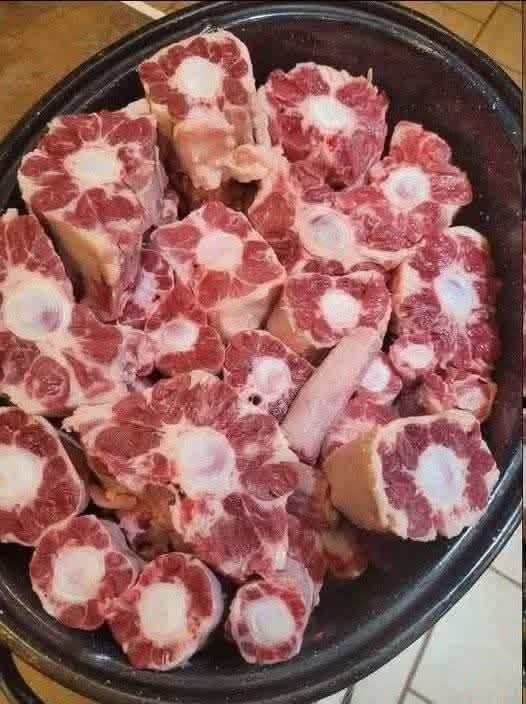
A rich, slow-cooked classic featuring the exact cuts shown in your photo: meaty, bone-in oxtail slices with visible marrow.
Introduction
Oxtail is one of the most rewarding cuts of beef. The ring-shaped pieces with a central bone full of marrow deliver deep, gelatinous richness when cooked low and slow. The dish transforms tough, collagen-heavy meat into meltingly tender bites in a glossy, flavorful gravy. Whether served over rice, mashed potatoes, polenta, or with crusty bread, braised oxtail is pure comfort food that feels luxurious.
History
Oxtail cooking traces back centuries. In Europe it was a thrifty peasant dish; the leftover tails of oxen (castrated bulls used as draft animals) were stewed for hours to extract every bit of flavor and nutrition. Caribbean cooks, especially in Jamaica and Trinidad, elevated it into a signature stew seasoned with allspice, thyme, Scotch bonnet, and sometimes browning. In Asia (particularly Korean and Chinese kitchens) oxtail appears in clear soups and soy-braised preparations. Today it has moved from “cheap cut” to restaurant favorite worldwide because of its intense beefy taste and silky texture.
Ingredients (serves 6–8)
- 2.5–3 kg (5.5–6.5 lb) oxtail, cut into 4–5 cm (1½–2 inch) thick rounds (exactly as in the photo)
- 2–3 tbsp neutral oil or beef tallow
- 2 large onions, chopped
- 4–5 carrots, cut into chunks
- 3–4 celery stalks, chopped
- 6–8 garlic cloves, smashed
- 2–3 tbsp tomato paste
- 250 ml (1 cup) red wine (optional but recommended)
- 1.5–2 liters (6–8 cups) beef stock or water
- 2–3 bay leaves
- 4–5 sprigs fresh thyme (or 1 tsp dried)
- 1–2 tsp whole allspice berries or ½ tsp ground (Caribbean style)
- 1 Scotch bonnet or other hot chili (optional, left whole)
- Salt and freshly ground black pepper
- Optional finishers: Worcestershire sauce, soy sauce, or a splash of vinegar; fresh parsley or green onions
Methods & Instructions
1. Prep the oxtail
Pat the pieces dry. Season generously with salt and pepper. If desired, lightly dust with flour for extra browning and thickening.
2. Brown the meat
Heat oil in a heavy Dutch oven or large pot over medium-high heat. Brown the oxtail in batches until deeply caramelized on all sides (5–7 minutes per batch). Remove and set aside. This step is crucial for flavor.
3. Build the base
In the same pot, sauté onions, carrots, and celery until softened and lightly browned (8–10 minutes). Add garlic and tomato paste; cook 1–2 minutes until the paste darkens. Deglaze with red wine, scraping up all the browned bits. Let it reduce by half.
4. Braise
Return the oxtail to the pot. Add stock so the meat is mostly covered. Add bay leaves, thyme, allspice, and the whole chili if using. Bring to a boil, then reduce to a bare simmer. Cover and cook:
- Stovetop: 3–4 hours
- Oven (160–170 °C / 325 °F): 3–3½ hours
- Slow cooker (low): 7–8 hours
- Pressure cooker / Instant Pot: 45–55 minutes high pressure + natural release
The meat is ready when it is falling-off-the-bone tender and the collagen has melted into the sauce.
5. Finish
Remove the oxtail pieces. Skim excess fat from the surface if desired. Taste the sauce and adjust seasoning (salt, pepper, a dash of Worcestershire or soy). Optionally thicken by simmering uncovered or with a little cornstarch slurry. Return the meat to the pot to warm through. Discard bay leaves, thyme stems, and chili.
Serving
Ladle over rice, creamy mashed potatoes, soft polenta, or buttered noodles. Spoon plenty of the glossy gravy over the top. Garnish with chopped parsley or green onion.
Formation (how the dish comes together)
The long, gentle cooking breaks down the abundant connective tissue in the oxtail. Collagen converts to gelatin, giving the sauce its signature body and sheen. The bone marrow slowly dissolves into the liquid, adding richness and depth that no other cut quite matches. Browning + aromatic vegetables + slow moist heat = layered, complex beef flavor.
Nutrition (approximate per generous serving)
- High-quality protein
- Rich in collagen/gelatin (beneficial for joints, skin, and gut lining)
- Good source of iron, zinc, and B vitamins
- Contains healthy fats from the marrow
- Naturally gluten-free (if no flour is used)
Note: It is calorie-dense and higher in saturated fat, so portion mindfully or balance with plenty of vegetables.
Benefits
- Deeply satisfying and nutrient-dense “nose-to-tail” eating
- Collagen supports joint health and skin elasticity
- Slow-cooked comfort food that feels restorative
- Excellent make-ahead dish—flavors improve overnight
- Versatile: works with Caribbean, European, Asian, or simple Western seasoning profiles
Lovers of this dish
Oxtail is adored by:
- Home cooks who love weekend braises
- Caribbean and soul-food enthusiasts
- Fans of Korean seolleongtang or Chinese braised oxtail
- Anyone who values gelatinous, bone-in cuts over lean steaks
- People who appreciate that the best flavor often comes from the “humble” parts of the animal
Pair it with a bold red wine, cold beer, or a simple green salad to cut the richness.
Conclusion
Braised oxtail turns the beautiful cross-sections you see in the photo into one of the most luxurious and comforting meals you can make at home. With patience and good seasoning, the tough cut becomes spoon-tender, the sauce becomes silky and deeply savory, and the result is a dish people remember. Cook a big batch—it reheats beautifully and tastes even better the next day. Enjoy every marrow-rich, gelatinous bite.