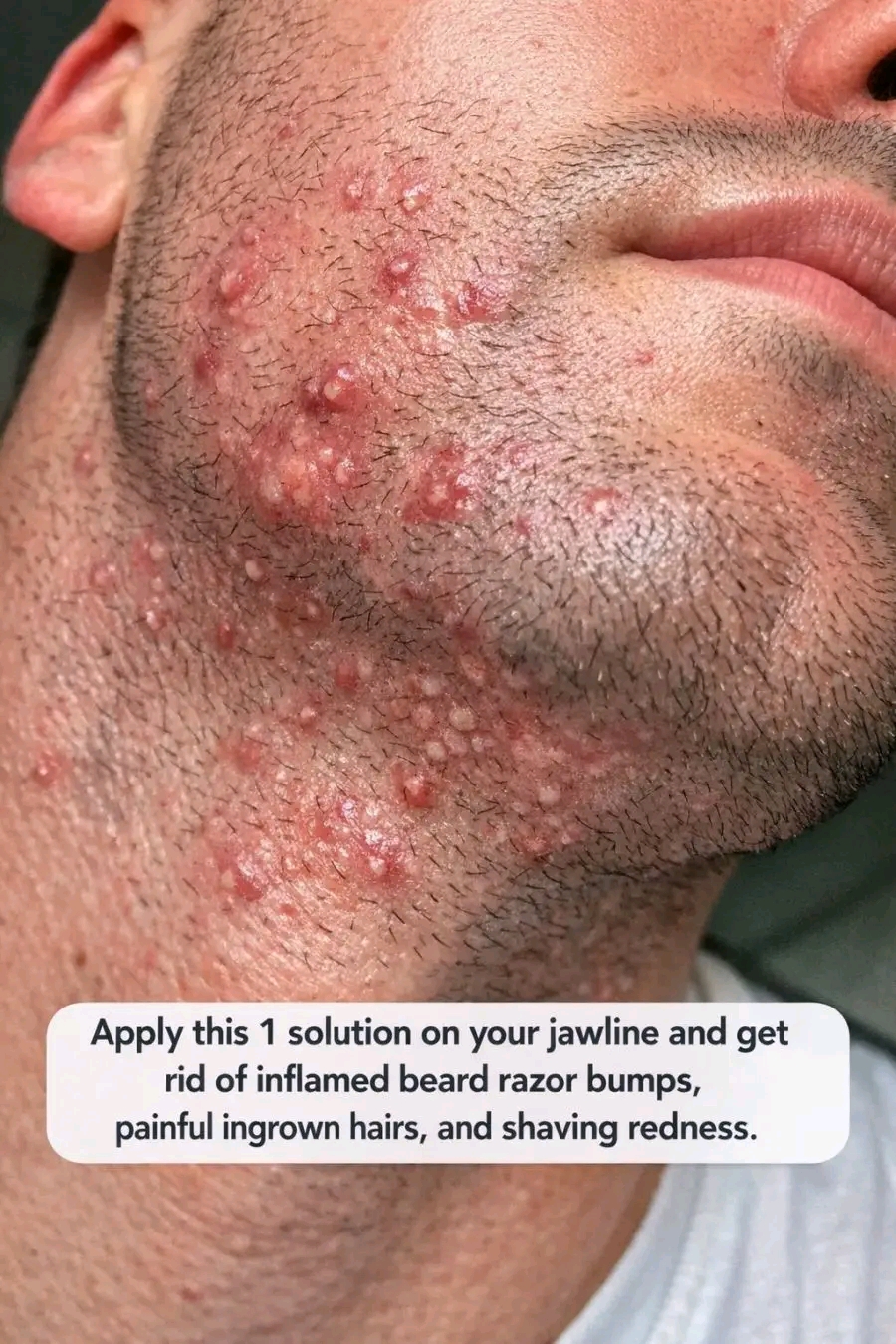
How to Get Rid of Inflamed Beard Razor Bumps, Painful Ingrown Hairs, and Shaving Redness: The Ultimate Guide
Introduction
Shaving is a daily ritual for many men, but it often comes with unwanted side effects such as inflamed razor bumps, painful ingrown hairs, and persistent redness. These issues not only cause discomfort but can also affect confidence and skin health. Fortunately, with the right knowledge and care, you can effectively prevent and treat these common shaving problems.
This comprehensive guide will explore the causes of razor bumps and ingrown hairs, share proven solutions and natural remedies, and provide detailed instructions on how to maintain healthy skin. Whether you are new to shaving or have struggled with these issues for years, this article will empower you to achieve a smooth, irritation-free beard line.
Understanding Razor Bumps, Ingrown Hairs, and Shaving Redness
What Are Razor Bumps?
Razor bumps, medically known as pseudofolliculitis barbae, occur when shaved hairs curl back into the skin, causing inflammation and raised bumps. They are especially common in men with curly or coarse hair.
What Causes Ingrown Hairs?
Ingrown hairs happen when hair grows sideways or curls back under the skin instead of rising up through the surface. This can lead to redness, swelling, and sometimes infection.
Why Does Shaving Cause Redness?
Shaving redness is caused by irritation of the skin’s surface due to friction, dull blades, or improper shaving techniques. Sensitive skin is more prone to this reaction.
Common Causes and Risk Factors
Using dull or dirty razors
Shaving too closely or against the grain
Dry shaving without lubrication
Curly or coarse hair texture
Lack of proper skin preparation
Shaving too frequently without giving skin time to heal
Poor post-shave care
Prevention: How to Avoid Razor Bumps and Ingrown Hairs
1. Proper Skin Preparation
Wash your face with a gentle cleanser to remove dirt and oil.
Use warm water or a warm towel to soften hair and open pores.
Apply a pre-shave oil or gel to lubricate the skin.
2. Use the Right Tools
Always use a sharp, clean razor blade.
Consider using single-blade razors or electric shavers designed to reduce irritation.
Replace blades regularly.
3. Shaving Technique
Shave in the direction of hair growth.
Avoid multiple passes over the same area.
Use light, gentle strokes without pressing too hard.
Rinse the blade often during shaving.
4. Post-Shave Care
Rinse with cool water to close pores.
Apply an alcohol-free, soothing aftershave balm or moisturizer.
Avoid touching or scratching the shaved area.
Treatment: How to Get Rid of Existing Razor Bumps and Ingrown Hairs
1. Topical Treatments
Hydrocortisone Cream: Reduces inflammation and redness.
Antibiotic Ointments: Prevent or treat infection.
Salicylic Acid or Glycolic Acid: Exfoliates dead skin cells and frees trapped hairs.
Tea Tree Oil: Natural antiseptic with anti-inflammatory properties.
2. Warm Compresses
Applying a warm compress helps soften the skin and encourages ingrown hairs to surface.
3. Gentle Exfoliation
Use a mild exfoliating scrub or brush 2-3 times a week to prevent buildup of dead skin cells.
4. Avoid Shaving Temporarily
Give your skin time to heal by skipping shaving for several days or switching to trimming.
Natural Remedies for Razor Bumps and Ingrown Hairs
Aloe Vera Gel: Soothes irritation and promotes healing.
Witch Hazel: Acts as an astringent to reduce inflammation.
Honey: Natural antibacterial and healing agent.
Coconut Oil: Moisturizes and reduces redness.
Apple Cider Vinegar: Balances skin pH and prevents infection.
Skincare Routine for Sensitive Shaving Areas
Cleanse: Use a gentle, fragrance-free cleanser daily.
Exfoliate: Regular but gentle exfoliation to prevent clogged pores.
Moisturize: Apply a non-comedogenic moisturizer to keep skin hydrated.
Protect: Use sunscreen to prevent further irritation and hyperpigmentation.
Lifestyle Tips to Support Healthy Skin
Maintain a balanced diet rich in vitamins A, C, and E.
Stay hydrated to keep skin supple.
Manage stress, which can exacerbate skin conditions.
Avoid smoking and excessive alcohol consumption.
Get adequate sleep for skin repair.
When to See a Dermatologist
If razor bumps or ingrown hairs become severely inflamed, infected, or persist despite home treatment, consult a dermatologist. Prescription medications or professional treatments may be necessary.
Conclusion
Inflamed beard razor bumps, painful ingrown hairs, and shaving redness are common but manageable issues. With proper shaving techniques, good skincare habits, and effective treatments, you can achieve smooth, healthy skin and enjoy a comfortable shaving experience.
For lovers of a well-groomed beard and irritation-free skin, this guide offers practical solutions and expert advice to keep your jawline clear and confident.