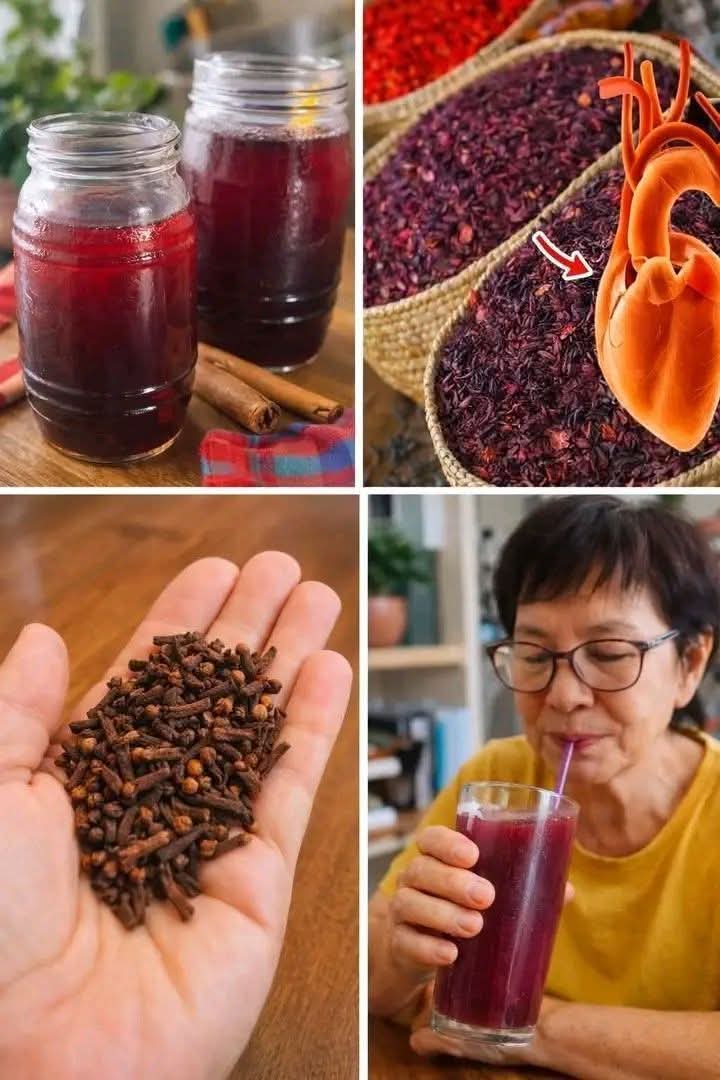
The Powerful Health Benefits of Hibiscus Tea with Cloves: A Natural Elixir for Heart Health, Blood Pressure, and More
In the world of natural remedies and herbal teas, few combinations pack as much nutritional punch as hibiscus tea blended with cloves. This vibrant ruby-red infusion is not just a refreshing beverage—it’s a potent health tonic backed by traditional wisdom and modern scientific research. For centuries, cultures across Africa, Asia, the Caribbean, and the Middle East have relied on hibiscus (scientifically known as Hibiscus sabdariffa) for its medicinal properties. When paired with the warm, aromatic spice of cloves (Syzygium aromaticum), the result is a synergistic drink that supports cardiovascular health, aids digestion, boosts immunity, and offers antioxidant protection that may help fight chronic diseases.
Whether you’re looking to naturally manage blood pressure, improve cholesterol levels, support liver function, or simply enjoy a delicious caffeine-free alternative to coffee or black tea, hibiscus tea with cloves deserves a prominent place in your daily routine. In this comprehensive guide, we’ll explore the rich history, science-backed benefits, preparation methods, potential side effects, and practical tips for incorporating this healing beverage into your lifestyle.
What Is Hibiscus Tea?
Hibiscus tea, often called sorrel in the Caribbean or agua de jamaica in Mexico, is brewed from the dried calyces (the outer protective layer) of the hibiscus flower. These calyces are deep red in color and impart a tart, cranberry-like flavor to the tea. Unlike many herbal teas that come from leaves, hibiscus tea is actually an infusion made from the fleshy sepals that surround the flower.
The plant Hibiscus sabdariffa thrives in tropical and subtropical climates and has been cultivated for thousands of years. In ancient Egypt, hibiscus tea was used as a diuretic and to cool the body during hot weather. Traditional Chinese medicine and Ayurvedic practices have also long recognized its cooling and detoxifying effects.
Hibiscus is rich in organic acids (including citric, malic, and tartaric acids), which give it its characteristic sour taste, along with polyphenols, flavonoids, and anthocyanins—the pigments responsible for its striking red hue. These compounds are powerful antioxidants that help combat oxidative stress in the body.
The Ancient Spice: Cloves
Cloves are the dried flower buds of the evergreen clove tree, native to the Maluku Islands in Indonesia. They have been traded for over 2,000 years and were once as valuable as gold due to their rarity and medicinal value. In traditional medicine systems like Ayurveda and Traditional Chinese Medicine (TCM), cloves are prized for their warming properties, ability to improve digestion, and strong antimicrobial effects.
The primary active compound in cloves is eugenol, which makes up 70-90% of the essential oil. Eugenol is known for its analgesic (pain-relieving), anti-inflammatory, and antiseptic properties. Cloves also contain flavonoids, tannins, and other phenolic compounds that contribute to their antioxidant capacity. When added to hibiscus tea, cloves not only enhance the flavor with their sweet-spicy aroma but also amplify the tea’s health benefits through complementary mechanisms.
Why Combine Hibiscus and Cloves? The Synergistic Effect
Individually, both hibiscus and cloves offer impressive health benefits. Together, they create a powerful synergy that targets multiple systems in the body, particularly the cardiovascular system.
Hibiscus is well-studied for its ability to lower blood pressure and improve lipid profiles. Cloves, on the other hand, provide strong anti-inflammatory and antioxidant support while promoting better blood circulation and digestive health. The combination allows the tartness of hibiscus to be balanced by the warmth of cloves, making the tea more palatable while increasing its overall therapeutic potential.
Many traditional recipes from West Africa, the Middle East, and parts of India naturally incorporate spices like cloves, cinnamon, or ginger with hibiscus for both flavor and enhanced medicinal effects. Modern research is beginning to validate these time-honored practices.
Key Health Benefits of Hibiscus Tea with Cloves
1. Supports Healthy Blood Pressure Levels
One of the most well-documented benefits of hibiscus tea is its ability to help regulate blood pressure. Multiple clinical studies have shown that regular consumption of hibiscus tea can lead to significant reductions in both systolic and diastolic blood pressure, sometimes comparable to certain pharmaceutical medications.
A 2010 study published in the Journal of Human Hypertension found that participants who drank hibiscus tea daily experienced an average drop in systolic blood pressure of 7.2 mmHg and diastolic of 3.1 mmHg. Other reviews suggest even greater effects in people with mild hypertension.
Cloves contribute to this benefit through eugenol, which has been shown to promote vasodilation (widening of blood vessels) and improve endothelial function. The antioxidants in both ingredients help reduce oxidative stress on blood vessels, making the combination particularly effective for heart health.
For individuals with prehypertension or stage 1 hypertension, incorporating hibiscus tea with cloves into a daily routine—along with a healthy diet and exercise—may offer a natural, side-effect-free way to support cardiovascular wellness.
2. Promotes Heart Health and Improves Cholesterol Levels
Heart disease remains one of the leading causes of death worldwide. Hibiscus tea with cloves may help reduce several risk factors associated with cardiovascular disease.
Research indicates that hibiscus can lower “bad” LDL cholesterol and triglycerides while potentially raising “good” HDL cholesterol. The anthocyanins and other polyphenols in hibiscus inhibit the oxidation of LDL cholesterol, a key step in the formation of arterial plaque.
Cloves add another layer of protection. Studies have demonstrated that clove extracts can reduce total cholesterol and improve the LDL/HDL ratio. The anti-inflammatory properties of eugenol help calm chronic low-grade inflammation in the cardiovascular system, which is a major contributor to atherosclerosis.
Together, these ingredients may help maintain healthy arteries, improve blood flow, and reduce the risk of plaque buildup. Regular consumption could be a delicious way to support long-term heart health.
3. Powerful Antioxidant and Anti-Inflammatory Effects
Both hibiscus and cloves rank high on the ORAC (Oxygen Radical Absorbance Capacity) scale, meaning they are excellent at neutralizing free radicals. Free radicals are unstable molecules that can damage cells, proteins, and DNA, accelerating aging and contributing to chronic diseases such as cancer, diabetes, and neurodegenerative conditions.
The deep red color of hibiscus comes from anthocyanins, which are particularly effective against oxidative stress. Cloves contain eugenol and other polyphenols that exhibit even stronger antioxidant activity than many fruits and vegetables.
Chronic inflammation is at the root of many modern diseases. The combination of hibiscus and cloves helps modulate inflammatory pathways, potentially reducing the risk of inflammatory conditions like arthritis, metabolic syndrome, and certain autoimmune disorders.
4. Aids Digestion and Relieves Bloating
Cloves have been used for centuries as a digestive aid. They stimulate the production of digestive enzymes, help relieve gas and bloating, and possess carminative properties (reducing intestinal gas). Eugenol also has mild anesthetic effects on the stomach lining, which can soothe discomfort.
Hibiscus tea acts as a gentle diuretic and mild laxative in some people, helping to promote regular bowel movements and reduce water retention. The combination can be particularly helpful after heavy meals or for individuals who struggle with slow digestion.
Many people report feeling lighter and less bloated after regularly drinking hibiscus tea with cloves, especially when consumed warm after meals.
5. Supports Liver Health and Detoxification
The liver is the body’s primary detoxification organ. Hibiscus has been shown in animal studies to protect the liver from damage caused by toxins and to improve liver enzyme levels. Its high antioxidant content helps neutralize harmful substances before they can cause oxidative damage.
Cloves also support liver function through their hepatoprotective compounds. Some research suggests that eugenol can help regenerate liver cells and improve the organ’s ability to process toxins.
While more human studies are needed, the traditional use of this combination as a “cleansing” tea aligns with emerging scientific findings on its liver-supportive properties.
6. Boosts Immunity and Fights Infections
Both ingredients possess strong antimicrobial properties. Hibiscus has demonstrated activity against certain bacteria and fungi, while cloves are famous for their ability to combat oral pathogens (which is why clove oil is used in dentistry for toothaches).
The vitamin C content in hibiscus, combined with the immune-modulating effects of clove compounds, may help strengthen the body’s natural defenses, especially during cold and flu season.
7. May Aid Weight Management
While not a magic weight-loss solution, hibiscus tea with cloves can support healthy weight management in several ways:
- Its diuretic effect helps reduce water retention and bloating.
- The tart flavor can help curb sweet cravings when consumed as a replacement for sugary drinks.
- Some studies suggest hibiscus extracts may inhibit fat absorption and reduce body fat accumulation.
- Improved digestion and reduced inflammation can indirectly support metabolic health.
When combined with a balanced diet and regular physical activity, this tea can be a helpful addition to a weight-conscious lifestyle.
8. Potential Blood Sugar Regulation
Emerging research indicates that hibiscus may help improve insulin sensitivity and lower fasting blood glucose levels in people with type 2 diabetes or metabolic syndrome. Cloves have also shown promise in modulating blood sugar due to their phenolic compounds.
While this benefit requires more large-scale human trials, the combination shows potential as a supportive beverage for individuals monitoring their blood sugar.
How to Prepare Hibiscus Tea with Cloves
Basic Recipe (Serves 2-4)
Ingredients:
- 2-3 tablespoons dried hibiscus calyces (or 2-3 tea bags)
- 4-6 whole cloves
- 4 cups (1 liter) filtered water
- Optional additions: cinnamon stick, fresh ginger slices, honey or stevia for sweetness, lemon or lime wedges
Instructions:
- Bring the water to a boil in a pot.
- Add the dried hibiscus and cloves (and any optional spices).
- Reduce heat and let simmer for 5-10 minutes. For a stronger brew, steep longer (up to 15-20 minutes).
- Remove from heat and strain into cups or a pitcher.
- Sweeten to taste if desired. Serve hot in winter or chilled over ice in summer.
Cold Brew Method: Place hibiscus and cloves in a jar with cold water and refrigerate overnight for a smoother, less bitter flavor.
Pro Tips:
- Start with a milder brew if you’re new to hibiscus, as it can be quite tart.
- Adjust the number of cloves based on preference—too many can make the tea overly spicy.
- Experiment with additions like mint, orange peel, or cardamom for variety.
Dosage and Consumption Guidelines
Most studies showing benefits used the equivalent of 1-3 cups of hibiscus tea per day. For the combination with cloves, 1-2 cups daily is a good starting point. Listen to your body and consult a healthcare professional if you have underlying conditions or are taking medications.
Best times to drink:
- Morning: For a gentle energy boost and hydration
- After meals: To aid digestion
- Evening: As a caffeine-free wind-down drink (avoid large amounts close to bedtime if it acts as a diuretic for you)
Potential Side Effects and Precautions
While generally safe for most people, hibiscus tea with cloves has some considerations:
- Blood Pressure: Its hypotensive effects mean people with low blood pressure should monitor their levels.
- Pregnancy and Breastfeeding: Hibiscus may affect estrogen levels; pregnant women should consult their doctor before regular use.
- Interactions with Medications: Hibiscus can interact with hydrochlorothiazide (a diuretic), some diabetes medications, and drugs metabolized by the liver (due to CYP450 inhibition). Cloves may enhance the effects of blood thinners.
- Acidity: The tartness may aggravate acid reflux or stomach ulcers in sensitive individuals.
- Allergies: Rare, but possible reactions to either ingredient.
Always start with small amounts and consult a qualified healthcare provider, especially if you have chronic conditions or take prescription medications.
Scientific Backing and Research Overview
Numerous peer-reviewed studies support the benefits of hibiscus tea. A 2021 meta-analysis in Phytomedicine confirmed its blood-pressure-lowering effects. Research on cloves has highlighted eugenol’s role in reducing inflammation and oxidative stress (published in journals such as Molecules and Journal of Medicinal Food).
While direct studies on the exact combination are limited, the complementary bioactive compounds suggest additive or synergistic effects that traditional healers have observed for generations.
Incorporating Hibiscus Tea with Cloves into Your Lifestyle
This versatile tea can be enjoyed year-round:
- Hot with a touch of honey during colder months
- Iced with fresh mint and lemon in summer
- As a base for mocktails or infused water
- In smoothies or as a cooking ingredient (reduced tea can be used in sauces or dressings)
For best results, combine the tea with other heart-healthy habits: a Mediterranean-style diet rich in fruits, vegetables, and healthy fats; regular physical activity; stress management; and adequate sleep.
Conclusion: A Timeless Remedy for Modern Living
Hibiscus tea with cloves represents the perfect marriage of ancient wisdom and contemporary science. Its vibrant color, refreshing taste, and impressive array of health benefits make it more than just a beverage—it’s a daily ritual that supports overall wellness from the inside out.
Whether you’re focused on cardiovascular health, looking for natural ways to manage blood pressure, seeking better digestion, or simply wanting to increase your antioxidant intake, this powerful combination offers a delicious and accessible solution.
Start with one cup a day and observe how your body responds. Over time, you may notice improved energy, better digestion, more stable blood pressure readings, and a greater sense of well-being. In a world filled with processed drinks and artificial ingredients, returning to simple, plant-based elixirs like hibiscus tea with cloves is a step toward reclaiming natural health and vitality.
Embrace this ruby-red tonic as part of your wellness journey. Your heart, your taste buds, and your overall health will thank you.