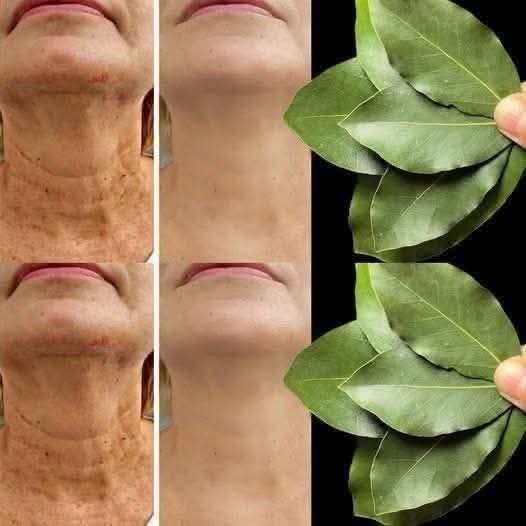
The viral image showing dramatic before-and-after photos of neck skin—deep wrinkles, pigmentation, and sagging on one side versus smoother, more even-toned skin on the other—paired with fresh green bay leaves has sparked widespread interest online. Many viewers wonder if common bay leaves (Laurus nobilis), the aromatic herb used in Mediterranean cooking, can truly transform aging skin, tighten loose neck tissue, fade dark spots, and serve as a natural alternative to expensive creams or procedures. While such images often exaggerate results and lack verified context, they highlight genuine curiosity about natural skincare remedies.
Bay leaf, also known as bay laurel or sweet bay, has a rich history in traditional medicine and cuisine. Its leaves contain bioactive compounds that offer antioxidant, anti-inflammatory, and antimicrobial properties. Emerging laboratory and preliminary research suggests potential supportive benefits for skin health, though claims of dramatic “Botox-like” effects or collagen boosts exceeding 350% stem largely from unverified social media content rather than large-scale human clinical trials. This extensive article examines the science, traditional uses, practical applications, limitations, and safety considerations surrounding bay leaf for skin concerns like wrinkles, sagging neck skin, hyperpigmentation, and overall anti-aging support.
Historical and Traditional Use of Bay Leaf
Laurus nobilis is an evergreen shrub native to the Mediterranean region. Ancient Greeks and Romans crowned victors with wreaths of bay leaves, symbolizing honor and vitality. In folk medicine across Europe and the Middle East, bay leaves were used not only as a culinary seasoning but also for digestive issues, respiratory complaints, rheumatic pain, and skin conditions.
Traditional healers prepared infusions, poultices, or oils from the leaves to soothe irritated skin, reduce inflammation, or promote wound healing. Some cultures applied bay leaf preparations topically for rashes, minor wounds, or to improve skin tone. These uses reflect the plant’s aromatic essential oils and phenolic compounds, which modern phytochemistry now links to biological activity. However, historical records emphasize general wellness rather than specific claims of erasing deep wrinkles or reversing significant sagging.
Phytochemical Composition: The Foundation of Potential Benefits
Bay leaves owe their properties to a complex mixture of compounds:
- Essential oils: Primarily 1,8-cineole (eucalyptol), along with linalool, eugenol, and other terpenes. These contribute to antimicrobial and anti-inflammatory effects.
- Polyphenols: Including flavonoids (such as quercetin and kaempferol derivatives), phenolic acids, and tannins. These act as potent antioxidants.
- Sesquiterpene lactones: Compounds that may influence inflammation but can also trigger allergic reactions in sensitive individuals.
- Vitamins and minerals: Modest amounts of vitamins A and C, which support general skin health.
Antioxidants in bay leaf help neutralize free radicals—unstable molecules generated by UV exposure, pollution, and aging that damage collagen and elastin, leading to wrinkles and loss of firmness. Tannins provide mild astringent effects that may temporarily tighten skin appearance. Anti-inflammatory components could reduce puffiness or redness associated with irritated or aging skin.
Laboratory studies demonstrate that bay leaf extracts exhibit strong antioxidant capacity in test-tube assays. Polyphenols may support cellular protection and modulate pathways involved in inflammation. Some preclinical work explores wound-healing potential, with extracts showing accelerated tissue repair in animal models. These mechanisms provide a plausible basis for supportive skin benefits, but translating them into visible, long-term improvements in human facial or neck skin requires more robust clinical evidence.
Scientific Evidence for Skin-Related Benefits
Most claims circulating online about bay leaf dramatically reducing wrinkles, tightening sagging neck skin (“turkey neck”), or fading age spots rely on anecdotal reports or misinterpretations of preliminary research. No large, peer-reviewed, double-blind, placebo-controlled human trials specifically demonstrate that topical or ingested bay leaf preparations produce the dramatic transformations shown in viral before-and-after images.
Antioxidant and Anti-Aging Potential
Bay leaf polyphenols can scavenge free radicals and may help protect skin cells from oxidative stress, a key driver of photoaging and chronological aging. In vitro studies suggest these compounds support skin barrier function and reduce markers of inflammation. A review of laurel leaf polyphenols notes potential for promoting healthier aging by addressing oxidative stress and inflammation, though this is framed in the broader context of metabolic health rather than direct cosmetic wrinkle reduction.
Collagen and Elasticity
Some popular videos cite unspecified “studies” claiming bay leaf extract boosts collagen production dramatically. However, reliable peer-reviewed sources do not substantiate 300%+ increases in human skin. Certain polyphenols may indirectly support fibroblast activity (cells that produce collagen) through antioxidant effects, but human data remains limited. Topical antioxidants in general can help maintain existing collagen rather than rebuild large amounts of lost tissue.
Hyperpigmentation and Even Skin Tone
Antioxidants like those in bay leaf may help mitigate UV-induced melanin overproduction in laboratory settings. Yet, clinical evidence for bay leaf specifically lightening dark spots or age spots on the neck or face is lacking. Conventional skincare ingredients (such as vitamin C, niacinamide, or retinoids) have far stronger evidence for addressing pigmentation.
Anti-Inflammatory and Soothing Effects
The essential oil components exhibit anti-inflammatory activity that could calm irritated skin or reduce mild puffiness. Traditional use for skin rashes aligns with this, and some modern cosmetic formulations incorporate bay laurel extracts for their soothing properties. Astringent tannins may provide a temporary tightening sensation when used as a toner, though this effect is superficial and short-lived.
Wound Healing
Older animal studies and some in vitro work indicate bay leaf extracts may accelerate wound closure, possibly due to antimicrobial and anti-inflammatory actions. This could theoretically benefit minor skin damage, but it does not equate to reversing established wrinkles or sagging.
Overall, while bay leaf shows promise as a supportive ingredient rich in bioactive compounds, current evidence positions it as a mild adjunct rather than a powerful standalone anti-aging treatment. Exaggerated claims often exceed what science currently supports. Larger, well-designed human trials focusing on cosmetic outcomes are needed.
Practical Ways to Incorporate Bay Leaf for Skin Support
If you wish to explore bay leaf safely as part of a natural skincare routine, consider these evidence-informed methods. Always prioritize patch testing and consult a dermatologist, especially if you have sensitive skin or existing conditions.
1. Bay Leaf Infusion or Tea as a Toner
- Boil 2–4 dried bay leaves in 1–2 cups of water for 5–10 minutes.
- Cool, strain, and store in the refrigerator for up to a few days.
- Apply with a cotton pad to cleansed face and neck as a mild toner. The astringent properties may help refine texture temporarily.
2. Bay Leaf Facial Steam
Add a handful of leaves to hot water and steam your face for 5–10 minutes (avoid if you have rosacea or broken capillaries). This can promote circulation and provide aromatic relaxation.
3. Homemade Oil Infusion
Infuse carrier oil (such as jojoba or almond) with crushed bay leaves for several weeks. Use sparingly as a moisturizer or massage oil. Dilute properly to minimize irritation risk.
4. Culinary Incorporation
Adding bay leaves to soups, stews, or rice dishes provides low-dose internal exposure to polyphenols. While not a direct skincare treatment, systemic antioxidant support may indirectly benefit skin health when combined with a balanced diet.
5. Commercial Products
Some natural or clean beauty lines include bay laurel extract or essential oil in serums, creams, or toners. Look for standardized, properly formulated products from reputable brands, and check ingredient lists for concentration.
Results, if any, are typically gradual and modest. Consistent use alongside proven skincare practices (daily sunscreen, gentle cleansing, hydration, and a nutrient-rich diet) yields better outcomes than relying on any single herb.
Safety Considerations and Potential Risks
Bay leaf is generally recognized as safe for culinary use. However, topical or concentrated applications carry caveats:
- Skin Sensitization and Irritation: Bay laurel essential oil and leaves can cause allergic contact dermatitis in sensitive individuals. Sesquiterpene lactones are common culprits. Always perform a 24–48 hour patch test on the inner arm before facial or neck application.
- Photosensitivity: Some essential oils increase sun sensitivity; use sunscreen diligently.
- Essential Oil Precautions: Never apply undiluted bay laurel essential oil to skin. It may cause redness, burning, or scaling. Pregnant or breastfeeding individuals should exercise extra caution and consult professionals.
- Internal Use: Large medicinal doses or prolonged concentrated tea consumption may interact with medications (e.g., blood sugar or blood pressure drugs) or cause digestive upset. Those with diabetes or on medication should seek medical advice.
- Quality Matters: Use organic, properly identified Laurus nobilis leaves. Avoid confusion with other “bay” plants (such as California bay, which has different chemistry and higher toxicity risk).
Individuals with eczema, allergies to the Lauraceae family, or a history of skin reactions should avoid topical use. If irritation occurs, discontinue immediately and seek medical help if severe.
A Holistic Approach to Skin Health and Anti-Aging
No single herb, including bay leaf, can replace comprehensive skincare or medical treatments for significant aging concerns. Visible improvements in neck wrinkles or sagging often require addressing multiple factors:
- Sun Protection: Daily broad-spectrum SPF 30+ is the most effective anti-aging measure.
- Lifestyle Factors: Adequate sleep, stress management, no smoking, limited alcohol, and a diet rich in fruits, vegetables, healthy fats, and protein support collagen integrity.
- Skincare Basics: Gentle exfoliation, retinoids (where tolerated), peptides, hyaluronic acid, and antioxidants like vitamin C have stronger clinical backing for wrinkles and firmness.
- Professional Options: For pronounced sagging or deep wrinkles, dermatological treatments (topical prescriptions, lasers, radiofrequency, or injectables) offer more predictable results.
- Exercise and Posture: Neck and facial muscle toning through targeted exercises or yoga may improve appearance over time.
Bay leaf can complement these practices as a mild, aromatic addition—perhaps in a soothing toner or as part of an antioxidant-rich routine—but realistic expectations are essential. Dramatic before-and-after transformations in viral images are rarely attributable solely to bay leaves and may involve lighting, makeup, filters, or undisclosed procedures.
Research Gaps and Future Directions
Scientific interest in Laurus nobilis continues, particularly regarding its polyphenols for antioxidant and anti-inflammatory applications. Future studies could explore standardized extracts in controlled cosmetic trials measuring wrinkle depth, skin elasticity, hydration, and pigmentation via objective tools like cutometers or VISIA imaging.
Extraction techniques (ultrasound-assisted, supercritical CO₂, etc.) influence the yield and quality of active compounds, suggesting potential for optimized skincare formulations. However, until more human data emerges, bay leaf remains best viewed as a traditional herb with promising but unproven cosmetic potential rather than a miracle solution.
Conclusion: Appreciating Bay Leaf Within Balanced Skincare
Bay leaves (Laurus nobilis) offer a pleasant aromatic profile and a phytochemical makeup rich in antioxidants and anti-inflammatory agents. Traditional use and laboratory findings support mild benefits for skin soothing, temporary toning, and general wellness. The popular imagery suggesting bay leaf can dramatically erase neck wrinkles, tighten sagging skin, or outperform professional treatments reflects enthusiasm for natural options but overstates current evidence.
Incorporating bay leaf thoughtfully—through diluted infusions, culinary use, or quality commercial products—may provide gentle supportive effects as part of a broader anti-aging strategy. Yet, it is not a substitute for sun protection, healthy lifestyle choices, or evidence-based dermatological care. Those seeking significant improvements in skin texture, firmness, or pigmentation should consult qualified skincare professionals for personalized recommendations.
By approaching natural remedies with informed curiosity and balanced expectations, individuals can enjoy the sensory and potential wellness benefits of bay leaf while prioritizing proven methods for long-term skin health. Whether used in the kitchen or as a mild topical preparation, this Mediterranean classic reminds us that simple plants often contribute modestly yet meaningfully to holistic well-being—one leaf at a time.
- Reviews on Laurus nobilis polyphenols and biological activities.
- Studies on antioxidant and anti-inflammatory properties of bay leaf extracts.
- Safety data regarding essential oils and contact dermatitis.
- General dermatological consensus on natural ingredients versus clinical treatments.
For personalized skincare guidance, seek advice from a licensed professional. Enjoy bay leaf in moderation as part of a thoughtful, evidence-informed routine.