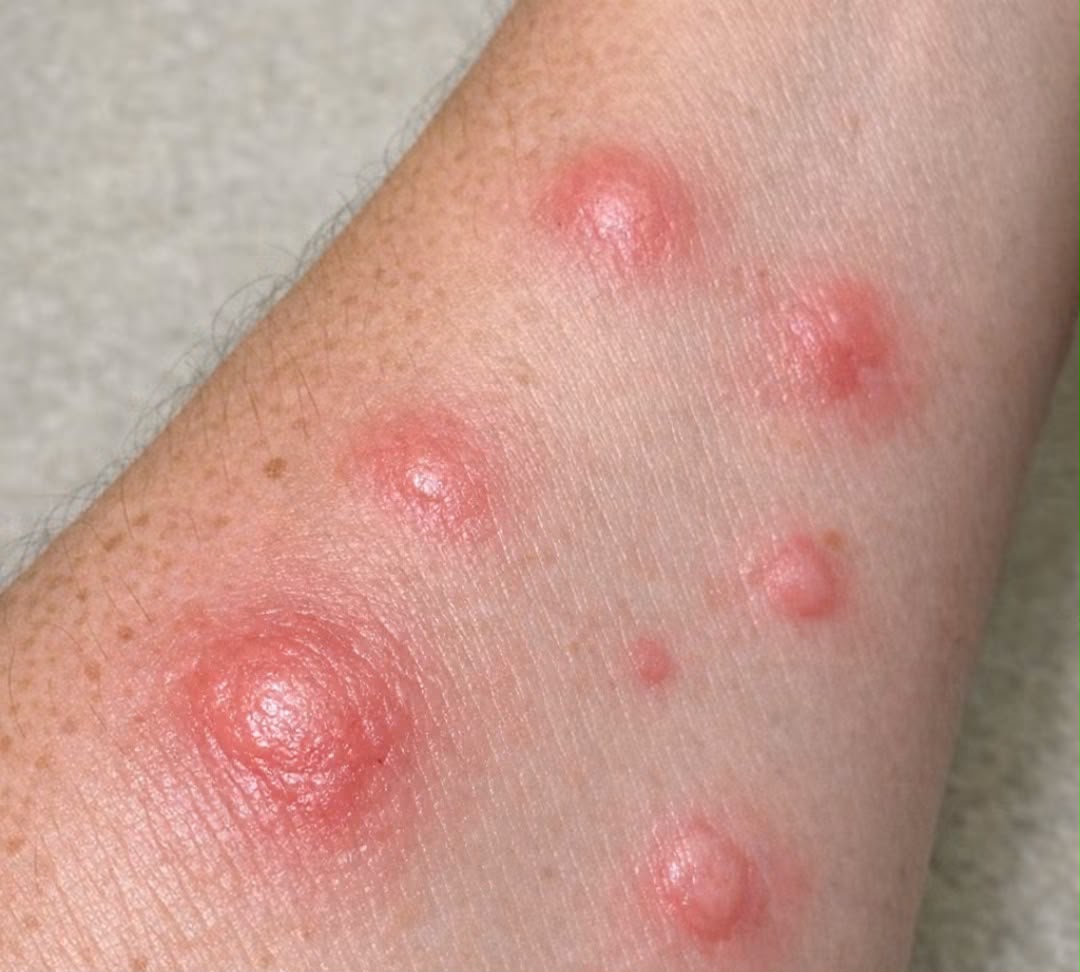
Out here in the country, mosquito season never really asks permission. It arrives with the damp evening air, the tall grass by the mailbox, and the porch light glowing just long enough to bring every biting thing in three counties to supper. I have spent more summers than I can count swatting my arms, dabbing at ankles, and trying not to scratch those hot, swollen little welts that seem to itch twice as hard after sunset. Over the years, I’ve learned that when a bite is fresh and angry red, the simplest tricks are often the ones that calm it down fastest.
The one I reach for most often is a plain cold compress with a clean washcloth, gently rubbed and pressed over the bite for 10 to 15 minutes. It’s not fancy, and it certainly isn’t new, but it can make a world of difference by bringing down swelling, soothing that fiery itch, and helping you stop the scratch-and-swell cycle before it gets going. Let me walk you through exactly how I use it, why it helps, when to add a little more care, and when a bug bite is more than just a bug bite.
1. The one trick: a cold, damp washcloth rubbed gently over the bite
If you want one dependable thing to do the minute you notice a swollen mosquito bite or red bug welt, make it this: run a clean washcloth under cold water, wring it out so it’s damp but not dripping, fold it into a small square, and rub it very gently over the bite for 15 to 30 seconds before pressing it against the area for 10 to 15 minutes.
I say “rub” gently because the motion helps spread the coolness over the full swollen patch, but the real relief comes from the steady cold contact. If the cloth warms up quickly, rinse it again in cold water or wrap an ice cube or small ice pack inside it. Never put ice directly on bare skin for long stretches; 5 to 10 minutes at a time is plenty if it’s very cold.
2. Why cold helps swollen red bug bites so quickly
Most ordinary mosquito bites itch because your body reacts to the insect’s saliva. That reaction can make tiny blood vessels widen and leak fluid into the skin, which is what gives you that puffy, raised, pink-to-red welt. Cold narrows those blood vessels and slows down some of the body’s itch and swelling signals.
In practical terms, that means a bite that feels hot, tight, and unbearable at 8 p.m. may feel much calmer by 8:15. It doesn’t always make the bite vanish, but it can reduce the diameter of a welt, lessen redness, and take the edge off the itch enough that you’re not clawing at your arm with your fingernails.
3. Exactly how I do it at home
My kitchen method is simple. I take one soft cotton washcloth, run it under the coldest tap water I can get, and wring it until it stops dripping. Then I sit down, breathe for a second, and press the folded cloth on the bite. If I’m dealing with several bites scattered across both forearms, I cool one arm for 10 minutes, then switch to the other.
For a particularly puffy welt, I sometimes place a few ice cubes in a zip-top bag, wrap that bag in the washcloth, and hold it there for 5 minutes on, 5 minutes off, for up to 20 minutes total. That rhythm keeps the skin from getting irritated by too much cold while still helping the swelling settle down.
4. The biggest mistake: scratching before you cool it
I know the temptation. A mosquito bite can itch so hard it feels almost electric. But scratching breaks the skin, increases irritation, and often makes the redness spread farther than the original bite. On thin skin, especially around wrists, elbows, and ankles, one minute of scratching can turn a pea-sized bump into a 2-inch patch of inflamed skin.
That is exactly why I reach for cold first. Once the itch starts easing, it becomes much easier to leave the bite alone. If your nails have already gotten there first, wash the area with mild soap and lukewarm water before using the cold cloth. Clean skin lowers the chance of infection.
5. What to put on after the cold compress
After 10 to 15 minutes of cooling, I pat the skin dry and decide whether it needs anything more. If the bite is still itchy, an over-the-counter 1% hydrocortisone cream can help. A thin layer, used up to 2 to 3 times a day for a day or two, often settles stubborn itch and redness.
Calamine lotion is another old standby, especially if there are several bites. If the skin is dry or irritated from rubbing, a plain fragrance-free moisturizer can help too. I avoid putting heavily scented lotions, essential oils, or strong home mixtures on fresh bites because they can sting already angry skin.
6. When a baking soda paste can be a useful second step
Now, I grew up with plenty of homemade remedies, and one that still has some practical value is a simple baking soda paste after the cold cloth. Mix about 1 tablespoon of baking soda with just enough water, usually 1 to 2 teaspoons, to make a spreadable paste. Dab it on the bite, let it sit for 10 minutes, then rinse it off.
I still start with the cold compress because it works fastest for swelling. The baking soda is more of a follow-up for itch. If your skin is sensitive, try it on a small patch first. If it burns, rinse it off right away and stick with the cold cloth and a gentle over-the-counter cream instead.
7. The best timing: treat the bite within the first 30 minutes
In my experience, the sooner you cool a bug bite, the better the result. If you catch it within the first 10 to 30 minutes, you may keep the swelling from getting dramatic in the first place. Wait 2 or 3 hours, and it can still help, but by then the body’s reaction is already in full swing.
That’s why I keep this trick easy. You do not need a special gadget. A sink, a washcloth, and cold water are enough. If you’re outdoors, even a clean damp cloth from a cooler can help until you get inside.
8. How to tell a common bite from a more serious reaction
A typical mosquito bite is small, itchy, raised, and red, usually less than 1 inch across, though some folks do swell more. It should gradually improve over 1 to 3 days, even if the itch lingers a bit longer. Mild warmth and tenderness can happen, especially if you’ve been scratching.
What worries me more is rapidly spreading swelling, hives beyond the bite itself, swelling of the lips or eyes, trouble breathing, wheezing, dizziness, or feeling faint. Those can signal a serious allergic reaction and need urgent medical care right away. If redness keeps expanding after a day or two, the area becomes very painful, or you see pus, that may mean infection rather than a simple bite.
9. When children and older adults need extra caution
Grandchildren seem to find every mosquito in the yard, and little ones often scratch in their sleep without meaning to. For children, I’m extra careful to use only gentle cooling, clean skin, and age-appropriate products. If you’re using a cream or antihistamine, follow the label and the child’s pediatrician’s advice.
Older adults can have thinner skin that bruises or tears more easily, so the “rub” part of this trick really should stay gentle. Press and cool, don’t scrub. If someone has diabetes, poor circulation, a weakened immune system, or very fragile skin, keep a closer eye on bites that don’t heal normally.
10. What not to rub on bug bites
I have seen all sorts of suggestions over the years, and not all of them are kind to skin. I skip bleach, undiluted vinegar, toothpaste, alcohol-heavy products, and strong essential oils. Those can dry, irritate, or even inflame the skin more, especially when the bite has been scratched open.
I’m also cautious with very hot spoons or heat gadgets. Some people swear by heat, but it’s easy to overdo and cause a minor burn, especially on children or on tender skin. Cold is simpler, safer, and far more forgiving when you’re tired and itchy on a summer night.
11. How long relief should last and when to repeat the trick
After one 10- to 15-minute cooling session, many bites feel better for 30 minutes to a few hours. If the itch flares back up, repeat the cold washcloth 3 or 4 times through the day as needed. I like to give the skin a break of at least 30 to 60 minutes between sessions.
If you are using hydrocortisone cream or calamine too, apply it after the skin has returned to normal temperature and is dry. That way, you’re not just wiping the product off with the cloth.
12. Keeping bites from getting “angrier” overnight
Nighttime is when a small bite can turn into a big problem, mostly because we scratch in our sleep. Before bed, wash the bites gently, use the cold cloth for 10 minutes, apply a thin layer of anti-itch product if needed, and keep fingernails trimmed short. A lightweight long-sleeved cotton sleep shirt can help protect your arms if you know you scratch without realizing it.
If the room is warm, the itch may feel worse. I’ve found that a cooler bedroom, around 65 to 68 degrees Fahrenheit if that’s comfortable for you, can help. Heat tends to make itching feel louder.
13. Preventing the next round of bites
The best bite treatment is the one you don’t need. Around my place, that means emptying standing water from buckets, birdbath edges, old flowerpots, and wheelbarrows every 2 to 3 days. Mosquitoes don’t need much water at all to breed.
When I’m outside at dusk, I wear long sleeves, pull on socks, and use an EPA-registered insect repellent according to the label. Window screens, porch fans, and avoiding heavy-scented products outdoors can make a noticeable difference too. It’s not glamorous advice, but it saves a lot of itching later.
14. My plainspoken bottom line
After a lifetime of summer evenings, garden chores, county fair nights, and fishing by the pond, I can tell you this much: the simplest care is often the best. A cold, damp washcloth rubbed gently over a swollen bug bite, then pressed in place for 10 to 15 minutes, is still the first thing I do for itchy mosquito welts and angry redness.
It’s inexpensive, easy on the skin, and quick enough to use before the itch gets the upper hand. Start there, keep the area clean, add a mild anti-itch treatment if needed, and pay attention to any signs that the reaction is more serious than ordinary. Sometimes old-fashioned common sense is exactly what summer skin needs.