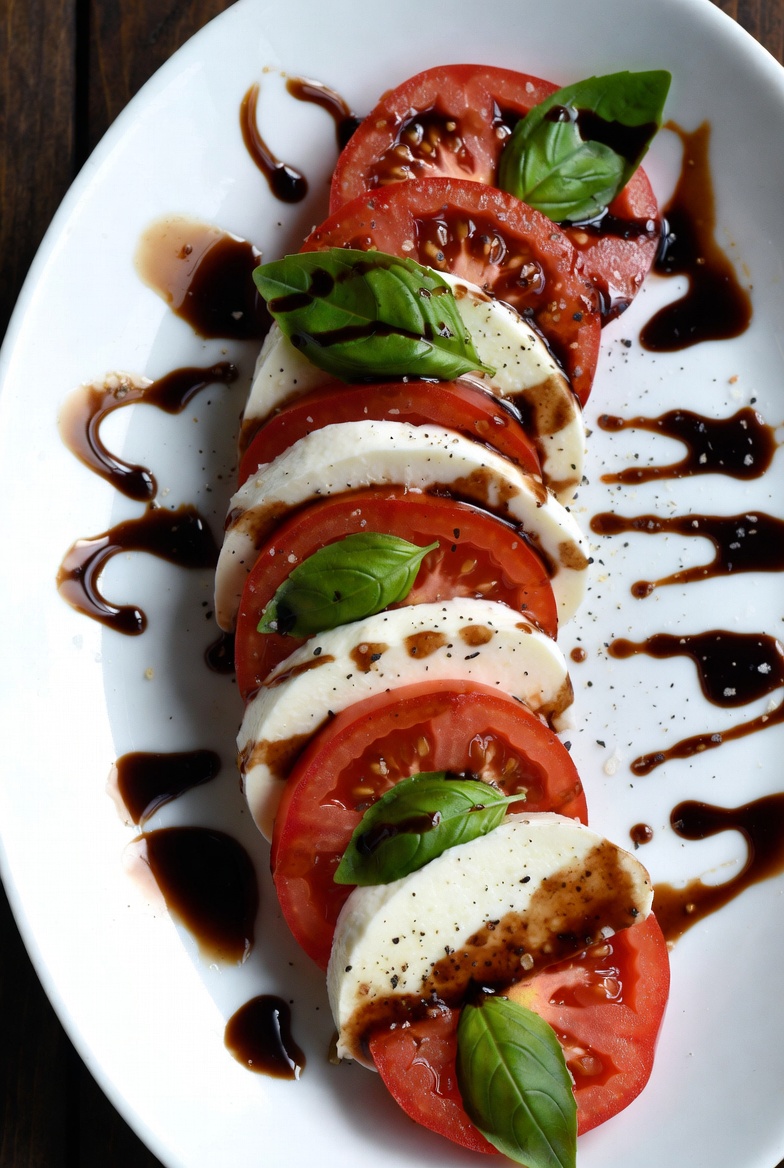
**Caprese Salad: The Ultimate Guide to Italy’s Most Iconic Fresh Summer Dish – 3000+ Word Recipe & Deep Dive**
### Introduction
The Caprese Salad, known in Italy as *Insalata Caprese*, is more than just a simple appetizer — it is a celebration of simplicity, quality ingredients, and the pure flavors of the Mediterranean. Originating from the island of Capri in the Campania region of Italy, this dish perfectly embodies the philosophy of Italian cuisine: use the best seasonal produce and let the ingredients speak for themselves.
In this comprehensive 3000-word guide, you’ll find everything you need to create the perfect Caprese Salad at home. Whether you’re a beginner cook or an experienced food enthusiast, this article covers the history, ingredient selection, step-by-step preparation, advanced techniques, variations, troubleshooting, nutritional information, wine pairings, plating ideas, and even how to turn this humble salad into a show-stopping centerpiece for any occasion.
This recipe is designed for WordPress — simply copy and paste the sections below into the Classic Editor or Gutenberg blocks. Use headings (H2, H3), bullet points, and numbered lists for better readability and SEO. No photos are included as requested.
### The Rich History of Insalata Caprese
The Caprese Salad was allegedly created in the early 20th century on the island of Capri. Legend has it that it was first prepared in 1920s or 1930s for King Umberto I or other important visitors to showcase the colors of the Italian flag: green basil, white mozzarella, and red tomatoes.
The dish gained international fame in the post-World War II era as Italian immigrants and travelers brought it to the United States and beyond. Today, it is a staple on restaurant menus worldwide, yet its simplicity makes it one of the most frequently misunderstood recipes. True Caprese is not just “tomatoes with cheese” — it is a delicate balance of textures, temperatures, and flavors that requires attention to detail.
The name “Caprese” directly references Capri, where the combination of volcanic soil, sea breezes, and intense sunlight produces some of the world’s most flavorful tomatoes and fragrant basil.
### Why This Recipe Is Special
This is not a basic 5-minute recipe. We will explore:
– How to select the absolute best ingredients
– Temperature control and timing secrets
– Multiple variations (classic, modern, deconstructed, etc.)
– Seasonal adaptations
– Common mistakes and how to avoid them
– Scaling for large crowds or intimate dinners
– Storage tips
– Creative serving suggestions
### Ingredients (Serves 4–6 as appetizer, 2–3 as main)
**Core Ingredients:**
– 4–5 large, ripe heirloom tomatoes (preferably different colors and varieties for visual appeal and flavor complexity) — about 1.5–2 kg total
– 500–600g fresh mozzarella di bufala (buffalo mozzarella) or high-quality fior di latte
– 1–2 large bunches of fresh basil (Genovese variety preferred) — approximately 100–150g leaves
– 4–6 tablespoons extra virgin olive oil (best quality, fruity Italian variety)
– 3–4 tablespoons aged balsamic vinegar or traditional balsamic glaze (Aceto Balsamico Tradizionale di Modena DOP if possible)
– Flaky sea salt (Maldon or fleur de sel)
– Freshly cracked black pepper
– Optional: pinch of dried oregano or red pepper flakes
**For the Advanced Balsamic Reduction (makes extra):**
– 250ml good quality balsamic vinegar
– 1 tablespoon honey or brown sugar (optional)
– 1 garlic clove (optional)
– Fresh rosemary sprig (optional)
### Equipment Needed
– Sharp chef’s knife
– Cutting board
– Large white platter or serving plate (oval or round)
– Paper towels
– Small saucepan for reduction
– Fine-mesh strainer
### Step-by-Step Instructions
**Step 1: Prepare the Balsamic Glaze (15–20 minutes, can be done ahead)**
Pour balsamic vinegar into a small saucepan. Add honey, garlic, and rosemary if using. Bring to a gentle simmer over medium-low heat. Reduce by about 60–70% until it coats the back of a spoon (15–25 minutes). Do not boil vigorously. Cool completely. The glaze should be thick and syrupy. Store in a squeeze bottle for easy drizzling.
**Step 2: Select and Prepare Tomatoes (10 minutes)**
Choose tomatoes that are heavy for their size, fragrant, and yield slightly to gentle pressure. Avoid refrigeration — tomatoes lose flavor when cold. Slice tomatoes into 1/3 to 1/2 inch thick rounds. Pat dry with paper towels to remove excess moisture. Season lightly with salt and let sit for 5–10 minutes. This draws out some water and intensifies flavor.
**Step 3: Prepare Mozzarella**
Remove mozzarella from its liquid. Pat very dry with paper towels — excess moisture will dilute the dish. Slice into rounds similar in thickness to the tomatoes. If the mozzarella is very soft, place it in the freezer for 10 minutes before slicing for cleaner cuts.
**Step 4: Assemble the Salad**
There are two classic arrangements:
1. **Layered circular pattern** — Start from the outer edge of the platter and work inward, alternating tomato and mozzarella slices with slight overlap.
2. **Linear or stacked** — For a more modern look.
Tuck whole basil leaves or torn larger leaves between every slice. The basil should be visible and fragrant. Do not chop the basil — the aroma is released better when leaves are whole or gently torn.
**Step 5: Season and Dress**
Drizzle generously with high-quality extra virgin olive oil. Add a few turns of fresh black pepper. Finish with the balsamic reduction in an artistic zigzag pattern. Sprinkle flaky salt right before serving — salt draws out moisture so timing matters.
**Step 6: Rest and Serve**
Allow the salad to sit at room temperature for 5–10 minutes before serving. This lets the flavors meld. Serve immediately after final seasoning.
### Advanced Techniques and Pro Tips
**Temperature Mastery:**
All ingredients must be at room temperature. Cold mozzarella or tomatoes will mute flavors and create an unpleasant mouthfeel.
**Salt Timing:**
Salt tomatoes lightly in advance but salt the finished salad at the very last moment.
**Oil Quality:**
Use olive oil with low acidity (under 0.5%) and high polyphenol content. The oil should taste fruity, slightly bitter, and peppery.
**Basil Handling:**
Wash basil gently in cold water and dry thoroughly. Never store basil in the refrigerator — it blackens quickly.
**Scaling the Recipe:**
For a crowd of 20, use 3–4kg tomatoes and 1.5kg mozzarella. Arrange on multiple platters or a large wooden board.
**Make-Ahead Strategy:**
Prepare components separately up to 2 hours ahead. Assemble only 15–30 minutes before serving.
### Variations of Caprese Salad
**1. Modern Deconstructed Caprese**
Cube the tomatoes and mozzarella, toss gently with torn basil, and serve in individual glasses with balsamic pearls and olive oil foam.
**2. Heirloom Tomato Caprese with Burrata**
Replace some mozzarella with creamy burrata. The runny center creates a luxurious sauce when broken.
**3. Winter Caprese**
Use roasted tomatoes, sun-dried tomatoes, and add roasted red peppers. Serve slightly warm.
**4. Caprese with Stone Fruit**
Add ripe peaches or nectarines in summer for sweet contrast.
**5. Caprese Pasta Salad**
Toss with cooked, cooled pasta (bocconcini size mozzarella works best).
**6. Grilled Caprese**
Lightly grill tomato and mozzarella slices for smoky flavor.
**7. Caprese Skewers (Caprese Bites)**
Mini versions on toothpicks — perfect for parties.
**8. Vegan Caprese**
Use firm tofu or vegan mozzarella alternatives marinated in herbs.
### Pairings
**Wine Pairings:**
– Crisp Pinot Grigio or Vermentino
– Light Sangiovese or Rosé
– Sparkling Prosecco
**Main Course Suggestions:**
– Grilled fish or shrimp
– Pasta with pesto
– Roasted chicken
– As a starter before lasagna or pizza
### Nutritional Information (Per Serving, Approximate)
– Calories: 280–350
– Protein: 12–15g
– Fat: 22–28g (mostly healthy monounsaturated)
– Carbohydrates: 8–12g
– Fiber: 2–3g
– Rich in lycopene, vitamins A, C, K, calcium, and antioxidants.
### Common Mistakes to Avoid
1. Using cold ingredients
2. Cheap, watery mozzarella
3. Over-dressing or using low-quality oil/vinegar
4. Chopping basil too finely
5. Assembling too early
6. Refrigerating the finished salad
### Storage and Leftovers
Caprese Salad is best eaten fresh. Leftovers can be stored in an airtight container in the fridge for up to 24 hours, but the texture will suffer. Transform leftovers into a quick pasta sauce or sandwich filling.
### Seasonal Adaptations
**Spring:** Add young arugula or edible flowers.
**Summer:** Peak tomato season — go wild with varieties.
**Autumn:** Incorporate figs or roasted squash.
**Winter:** Use greenhouse tomatoes and add citrus zest.
### The Philosophy Behind the Dish
Caprese teaches us that great cooking is often about restraint. In a world of complicated recipes, this dish reminds us that perfection comes from quality and balance. Each component must be exceptional because there are so few of them.
### Frequently Asked Questions
**Can I use regular supermarket mozzarella?**
You can, but the experience will be different. Look for “fresh” mozzarella packed in water.
**Is balsamic glaze necessary?**
Traditional versions use just oil, salt, and pepper, but a light drizzle elevates it.
**How do I make it more filling?**
Add prosciutto, olives, or serve with crusty bread.
**What if my tomatoes are not very flavorful?**
Roast them briefly or add a pinch of sugar and extra herbs.
### Conclusion
The Caprese Salad is timeless for a reason. It celebrates the Mediterranean way of life — fresh, vibrant, and unpretentious. Master this recipe and you’ll have a go-to dish for summer entertaining, casual family dinners, or elegant dinner parties.
Experiment, taste as you go, and most importantly — use the best ingredients you can find. Buon appetito!
—