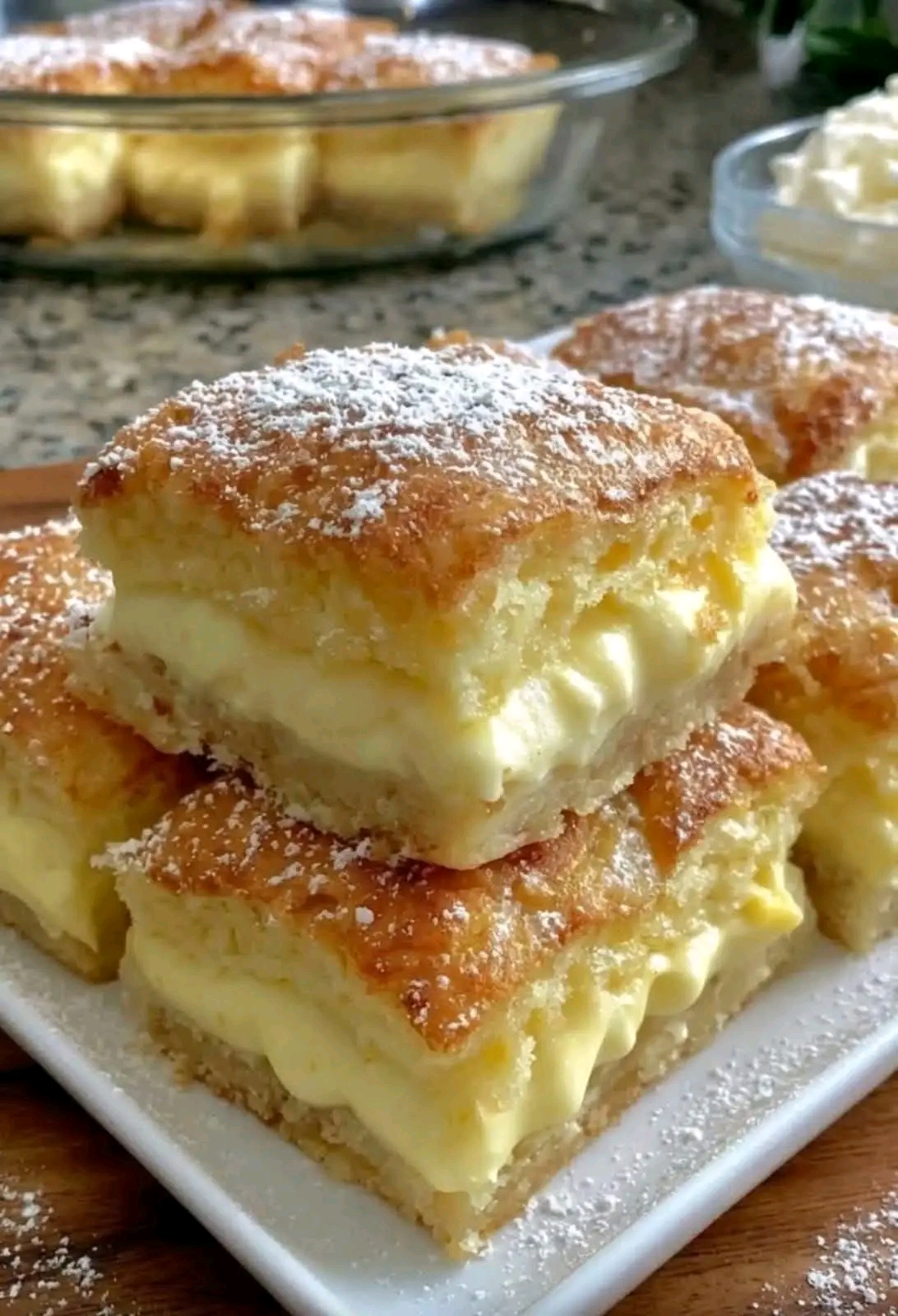
The Ultimate Greek Custard Pie: A Deep Dive into Classic Galaktoboureko
There are desserts that satisfy a sweet tooth, and then there are desserts that transport you to a sun-drenched terrace overlooking the Aegean Sea. Galaktoboureko (pronounced ga-lak-to-BOO-re-ko) falls firmly into the latter category.
This iconic Greek custard pie is a masterpiece of textures: layers of crisp, golden-brown phyllo dough brushed with clarified butter, enveloping a rich, creamy semolina custard, all finished with a cold, lemon-scented simple syrup. It is the gold standard of Mediterranean pastry work, and today, we are going to master it in your own kitchen.
Table of Contents
- The Soul of the Dessert: What is Galaktoboureko?
- Why Semolina is the Secret Ingredient
- The Science of the Syrup: Temperature Matters
- Essential Ingredients Breakdown
- Step-by-Step Instructions
- Mastering the Phyllo: Pro Tips for Crunch
- Storage, Serving, and Reheating
- Frequently Asked Questions
The Soul of the Dessert: What is Galaktoboureko?
The name itself tells the story of the dish: Gala (milk) and boureko (from the Turkish börek, referring to a filled pastry). While many cultures have custard-based desserts, the Greek version is unique because of the semolina custard. Unlike a French pastry cream which uses cornstarch or flour, semolina gives the custard a structural integrity and a slight “bite” that prevents it from becoming a mushy mess when baked.
In Greece, this is a celebratory dish. It is served at weddings, name days, and Sunday family gatherings. It’s meant to be decadent, buttery, and unashamedly sweet.
Why Semolina is the Secret Ingredient
If you use standard flour for this custard, you’ll end up with something resembling a thick pudding. Fine semolina (made from durum wheat) is high in protein and gluten, which allows the custard to set firmly enough to be sliced into perfect squares while remaining silky on the tongue.
When the custard bakes inside the phyllo, the semolina grains swell, absorbing the milk and eggs to create a custard that is almost “cake-like” in its stability but “custard-like” in its creaminess.
The Science of the Syrup: Temperature Matters
The most common mistake people make with Greek pastries is the syrup application. There is a golden rule in the Mediterranean kitchen: One must be hot, and one must be cold.
If you pour hot syrup over hot Galaktoboureko, the phyllo will turn into a soggy, gluey mass. To achieve that legendary “shatter” when your fork hits the pastry, you must prepare the syrup first and let it cool to room temperature (or even chill it in the fridge) before pouring it over the piping-hot pie fresh from the oven. The temperature shock allows the syrup to penetrate the layers without breaking down the structure of the crisp dough.
Essential Ingredients Breakdown
1. The Phyllo (Filo) Dough
Look for “No. 4” or “Country Style” phyllo if available. Standard thin phyllo works perfectly well, but ensure it is completely thawed in the refrigerator overnight. Working with frozen phyllo leads to cracking and frustration.
2. Clarified Butter (Ghee) or High-Quality Unsalted Butter
This is not the place for margarine. The flavor of Galaktoboureko comes heavily from the butter. Clarifying the butter (removing the milk solids) prevents the phyllo from burning too quickly and gives it a cleaner, nuttier finish.
3. Whole Milk and Eggs
Use the highest fat content milk you can find. The eggs should be at room temperature to ensure they incorporate smoothly into the hot semolina mixture without curdling.
Step-by-Step Instructions
Phase 1: The Cold Syrup
- 2.5 cups Sugar
- 1.5 cups Water
- 1 tbsp Honey (This prevents crystallization)
- 1 Lemon peel and 1 Cinnamon stick
In a saucepan, combine sugar, water, and aromatics. Bring to a boil, then simmer for 5–8 minutes until slightly thickened. Stir in the honey and set aside to cool completely.
Phase 2: The Semolina Custard
- 1 quart (4 cups) Whole Milk
- 1/2 cup Fine Semolina
- 1 cup Sugar
- 4 Large Eggs
- 2 tbsp Butter
- 1 tsp Vanilla Extract
- Whisk the eggs and half the sugar in a bowl until pale and fluffy.
- In a large pot, heat the milk and the remaining sugar over medium heat.
- Just before the milk boils, slowly rain in the semolina while whisking constantly.
- Once the mixture thickens to a pudding consistency, remove from heat.
- Temper the eggs by adding a ladle of hot milk to the egg mixture, then pour the eggs back into the main pot. Whisk vigorously.
- Add the butter and vanilla. Cover with plastic wrap (touching the surface) to prevent a skin from forming.
Phase 3: Assembly
- Preheat your oven to 350°F (175°C).
- Grease a 9×13 inch baking pan with butter.
- Layer half the phyllo sheets (usually 6–8) in the pan, brushing each individual sheet generously with melted butter. Let the edges hang over the sides.
- Pour the custard over the phyllo.
- Fold the overhanging edges over the custard.
- Layer the remaining phyllo sheets on top, again brushing each with butter.
- The Secret Step: Use a sharp knife to score the top layers of phyllo into squares. Do not cut all the way through to the custard—just the top layers. This allows steam to escape and makes the final cutting easier.
Phase 4: Baking and Syruping
Bake for 45–50 minutes until the top is a deep, majestic golden brown.
Immediately upon removing the pan from the oven, slowly ladle the cold syrup over the hot pastry. You should hear a satisfying sizzle.
Mastering the Phyllo: Pro Tips for Crunch
- Keep it Covered: Phyllo dries out in minutes. Keep the sheets you aren’t using under a slightly damp (not wet!) kitchen towel.
- The “Accordion” Method: If you want extra crunch, don’t lay the top sheets flat. Ruffle them slightly as you place them down to create air pockets.
- Avoid the Fridge (Initially): Let the Galaktoboureko sit at room temperature for at least 4 hours after syruping. This allows the custard to set perfectly.
Storage, Serving, and Reheating
Galaktoboureko is best served the day it is made. However, if you have leftovers:
- Storage: Cover and keep at room temperature for 24 hours. After that, move it to the fridge.
- The Crunch Factor: Cold Galaktoboureko from the fridge will lose its crunch. To revive it, pop a square into a 350°F oven for 5–7 minutes.
Frequently Asked Questions
Can I use cornstarch instead of semolina?
You can, but it becomes “Milopita” or a general custard pie. The texture will be much softer and harder to slice cleanly.
My syrup crystallized, what happened?
This usually happens if you stir the syrup too much while it’s boiling. Once the sugar dissolves, leave it alone! Adding a squeeze of lemon juice or a tablespoon of honey also helps prevent this.
Can I make this ahead of time?
You can make the custard and syrup a day in advance. Assemble and bake on the day you plan to serve for the best texture.
Final Thoughts
Galaktoboureko is a testament to the beauty of simple ingredients handled with care. It’s a labor of love, but the first time you hear that phyllo crackle under your knife and taste the citrus-kissed cream, you’ll realize it was worth every minute.
Tag us in your creations! We want to see those golden-brown layers.