The Viral Beauty Trap: Why You Should Never Put Toothpaste and Lemon on Your Skin
In the digital age, we are constantly bombarded by “life hacks”—short, flashy videos that promise miraculous results with ingredients found in your kitchen. From DIY teeth whitening to overnight acne cures, the allure of a “natural, cheap fix” is powerful. However, nowhere is this more dangerous than in the realm of skincare.
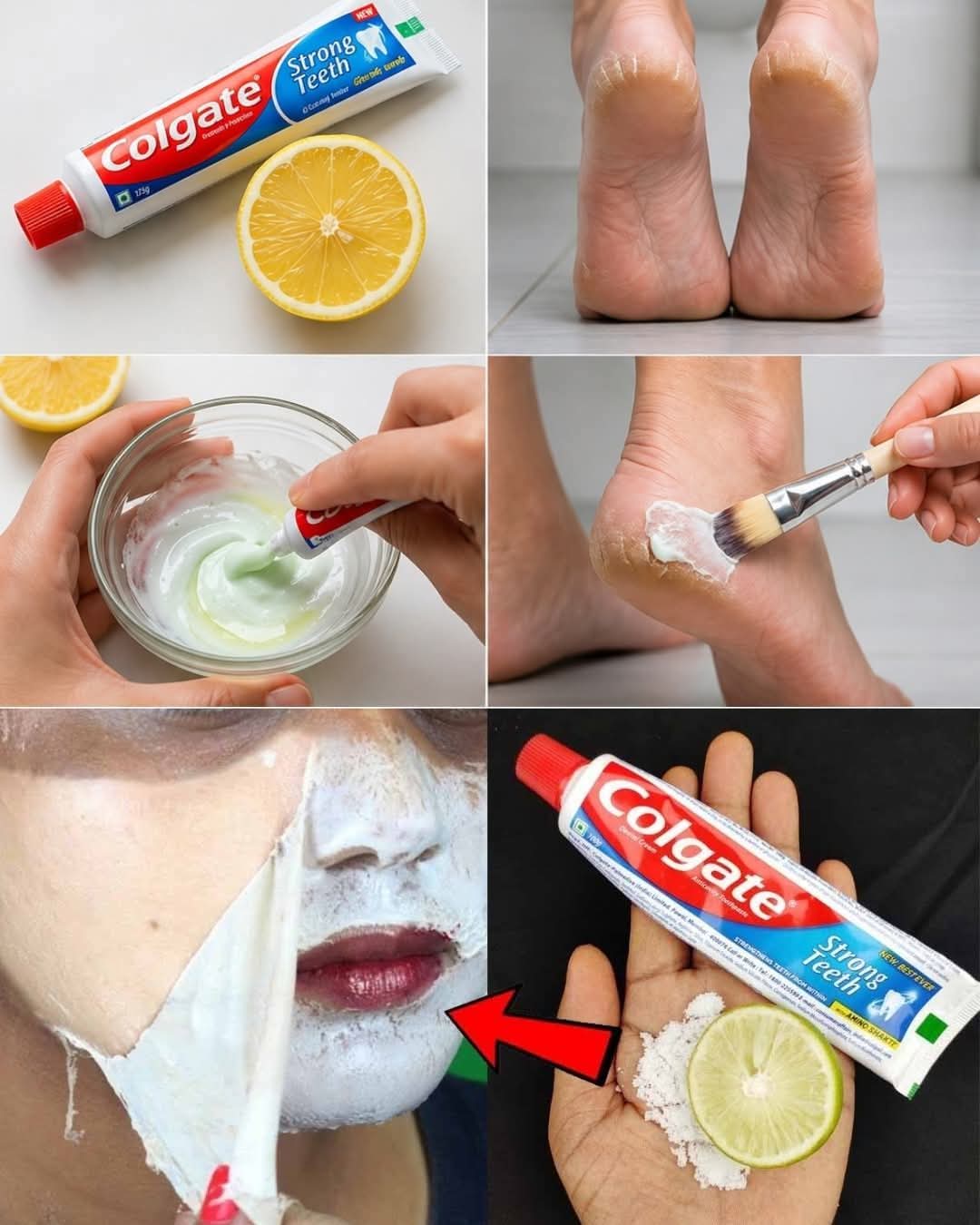
One of the most persistent and damaging trends circulating on social media involves mixing toothpaste and lemon juice to create a topical paste for acne, skin whitening, or even to treat cracked heels.
If you have seen these videos, you might be tempted to try them. Please, do not. In this deep dive, we are going to peel back the layers of these viral “hacks” to understand the chemistry behind them, why they are causing widespread skin damage, and how you can actually treat your skin concerns using science-backed methods.
The Chemistry of the “Hack”: A Recipe for Destruction
To understand why applying toothpaste and lemon to your skin is a bad idea, we have to look at what these products actually are and what they were designed to do.
1. Toothpaste: Formulated for Enamel, Not Skin
Toothpaste is a sophisticated dental cleaning agent. Its primary purpose is to clean teeth—the hardest substance in the human body. To do this, toothpaste contains:
- Abrasives: Calcium carbonate or silica. These are designed to scrub enamel, not the delicate skin of your face or even the thicker skin of your heels.
- Surfactants (like SLS): Sodium Lauryl Sulfate is a detergent that creates foam. It is designed to break down food particles and plaque. On your skin, it strips away the natural lipid barrier, leading to dryness, irritation, and compromised protection.
- Fluoride and Menthol: These can cause severe contact dermatitis, redness, and burning sensations on the skin.
- High pH: Many toothpastes are alkaline (basic). Skin prefers an acidic environment (around 5.5). Disrupting this pH balance invites bacterial growth and weakens the skin barrier.
2. Lemon Juice: The Acidic Disruptor
Lemon juice is highly acidic, usually with a pH between 2 and 3. While some skincare products contain fruit acids (AHAs), they are formulated in controlled concentrations. Pure lemon juice is:
- Photosensitizing: This is the most dangerous aspect. Lemon juice contains compounds called furocoumarins. When these chemicals touch your skin and are then exposed to sunlight, they trigger a reaction called phytophotodermatitis. This can lead to severe blistering, chemical burns, and long-term hyperpigmentation that can last for months or even years.
- Caustic: Applying raw acid to your skin causes immediate inflammation. It doesn’t “lighten” skin; it burns the top layer off, exposing raw, damaged tissue.
Why the “Combination” is Dangerous
When you mix toothpaste and lemon, you aren’t creating a “natural cleanser.” You are essentially creating a volatile chemical slurry.
The abrasive, detergent-heavy nature of toothpaste combined with the concentrated acid of the lemon creates a “perfect storm” for Chemical Contact Dermatitis.
The “Peeling” Misconception
Many viral videos show people peeling dried toothpaste and lemon off their faces, claiming it “removed dead skin” or “extracted blackheads.”
The truth: What you are seeing is the dried paste sticking to your skin. When you peel it off, you are not performing a professional exfoliation. You are ripping away your skin’s healthy stratum corneum (the outermost layer). You are essentially “waxing” your face, causing micro-tears that leave you vulnerable to infection and acne.
Addressing Common Concerns: Why These Hacks Fail
The “Cracked Heels” Myth
One of the photos you may have seen depicts this paste being applied to cracked heels. The logic presented is that the “whitening” properties of the mix will clean the calluses.
The Reality: Calluses on heels are a result of pressure and keratin buildup. They require hydration and keratolytic agents (things that soften the keratin, like urea or salicylic acid).
Toothpaste dries out the skin. Lemon does nothing to break down the dense, hard skin of the heel. Applying this mixture to cracked heels will likely result in the mixture seeping into the cracks, causing stinging, burning, and potentially introducing bacteria into open fissures.
Better Alternatives: * Urea Creams: Look for foot creams containing 20% to 40% urea. Urea is a humectant that actually breaks down the tough keratin of the heel, softening it effectively.
- Salicylic Acid Foot Peels: These are safely formulated to dissolve calluses without burning the skin.
The “Acne/Whitening” Myth
People often use toothpaste to “dry out” a pimple. While it might make the pimple smaller for a few hours, it does so by creating a localized burn and excessive dryness. This is a trauma-based approach to acne, not a treatment. It destroys the skin barrier, which is exactly what you need to keep intact to heal an infection.
The Psychology of Viral Misinformation
Why do these hacks get millions of views? It comes down to three factors:
- Availability: Everyone has toothpaste and lemons. It feels accessible and “free.”
- Visual Proof: The videos are edited to show an immediate “glowing” result. They skip the part 24 hours later when the skin is red, peeling, and inflamed.
- Shock Value: We are naturally drawn to things that seem counter-intuitive.
We must train ourselves to be skeptical. If a treatment sounds too simple to be true, it almost certainly is. Professional skincare is a science; viral hacks are just content creation.
Science-Backed Skincare: What Actually Works
If you are dealing with skin concerns, stop looking in the kitchen cabinet and start looking at the ingredients. Here is how to actually treat the issues these hacks claim to solve.
For Exfoliation (Instead of “Peeling”)
If you want to remove dead skin cells, use ingredients designed for human skin.
- AHAs (Alpha Hydroxy Acids): Glycolic acid or Lactic acid gently dissolve the “glue” holding dead skin cells together.
- BHAs (Beta Hydroxy Acids): Salicylic acid is oil-soluble and is perfect for deep cleaning pores and preventing acne.
- Physical Exfoliation: Use a soft washcloth or a gentle, non-abrasive scrub formulated for facial skin.
For Brightening (Instead of Lemon)
If you want to brighten your complexion, skip the citrus.
- Vitamin C: A stable, topical Vitamin C serum is the gold standard for brightening skin and protecting it from free radicals.
- Niacinamide: Excellent for improving skin texture and reducing the appearance of dark spots.
- Sunscreen: The #1 way to keep skin bright and even-toned is to prevent sun damage.
For Calloused Heels
- Consistent Hydration: Apply a thick moisturizer every night and wear cotton socks to bed. This is the “occlusive” method, and it is more effective than any chemical hack.
- Physical Filing: Use a foot file on dry skin (never wet skin) to gently buff away calluses.
Conclusion: Protect Your Skin Barrier
Your skin is the largest organ in your body. It is a complex ecosystem that protects you from the outside world. It is not an enamel surface, and it is not a fruit to be marinated.
Viral beauty hacks are often designed for engagement, not health. When you see a video of someone putting toothpaste, lemon, baking soda, or sugar on their face, please scroll past it. Protecting your skin barrier is the most important step in any beauty routine.
If you are struggling with chronic acne, severe dryness, or deep calluses, the best “life hack” is to visit a dermatologist or a qualified skincare professional. They can provide treatments that are formulated for safety, efficacy, and your specific skin type.
Your skin is with you for life. Treat it with the care it deserves.
Medical Disclaimer
The information contained in this article is for educational and informational purposes only and is not intended as health or medical advice. Always consult a physician or other qualified health provider regarding any questions you may have about a medical condition or health objectives. Do not disregard professional medical advice or delay in seeking it because of something you have read here.
Toothpaste: Only for teeth.
Lemon/Lime: Only for food/drinks. Never apply to skin before going into the sun.
Baking Soda: Too alkaline for skin; disrupts the acid mantle.
Sugar/Salt: Often too abrasive for facial skin; can cause micro-tears.
Hydrogen Peroxide: Too harsh; kills good cells along with bad ones and delays wound healing.
Did you find this guide helpful? Share this with a friend who needs to stop following dangerous internet trends! If you have specific skin concerns, let me know in the comments, and we can discuss scientifically proven ways to handle them.