Sage (Salvia officinalis): Nature’s Potent Ally Against Dementia, Inflammation, Pain, Arthritis, and Osteoarthritis – A Comprehensive Guide to Its Healing Power
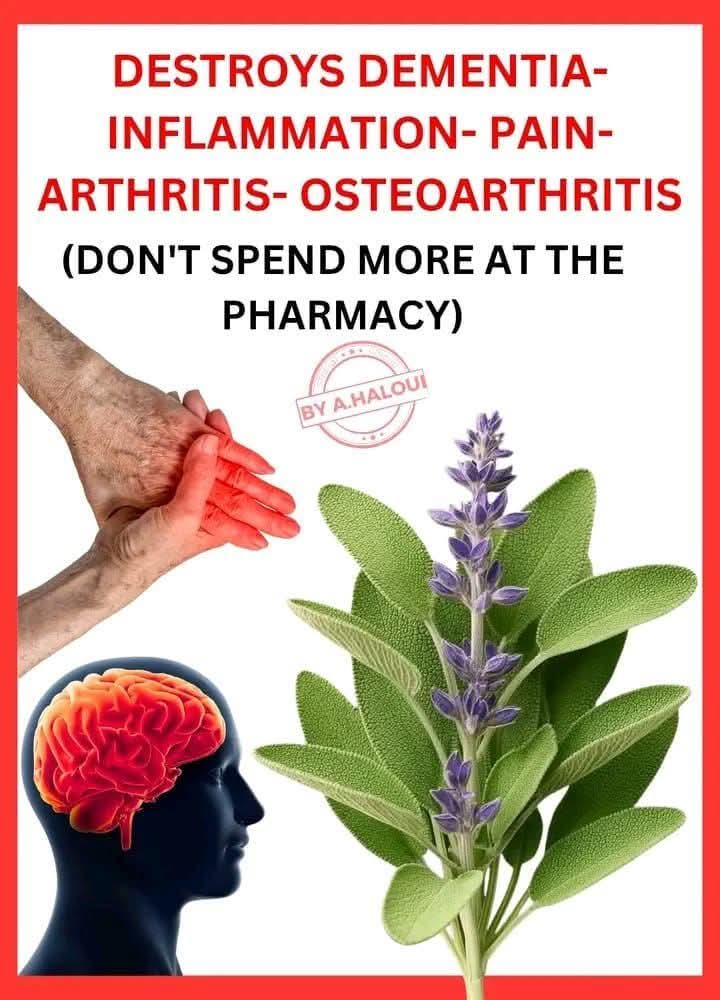
In an era where pharmaceutical costs continue to rise and many people seek natural alternatives for managing chronic conditions, common garden sage stands out as a remarkable herb with a long history of traditional use and growing scientific support. Often associated with culinary dishes, this aromatic plant from the Lamiaceae family—known scientifically as Salvia officinalis—has been revered in European folk medicine for centuries as a “memory herb” and a remedy for various ailments. The viral image circulating online, featuring a sage plant alongside an inflamed hand and a highlighted brain, captures a popular sentiment: sage may help address dementia, inflammation, pain, arthritis, and osteoarthritis without relying heavily on expensive pharmacy options.
While no single herb can “destroy” complex diseases like dementia or arthritis, emerging research suggests sage offers meaningful supportive benefits through its rich array of bioactive compounds. This extensive article explores the history, science, mechanisms, practical applications, and precautions surrounding sage. It aims to provide balanced, evidence-based insights to empower informed decisions about incorporating this herb into a wellness routine.
A Brief History of Sage in Traditional Medicine
Sage’s medicinal reputation dates back to ancient civilizations. The Romans called it Salvia, derived from the Latin word for “to save” or “to heal,” reflecting its esteemed status as a life-preserving plant. In medieval Europe, sage was a staple in monastic gardens and featured prominently in herbals by figures like Culpeper, who recommended it for headaches, rheumatic pains, and joint issues. Traditional uses included treating inflammation, digestive complaints, excessive sweating, throat irritations, and age-related cognitive decline.
In folk practices across the Mediterranean and beyond, sage tea or infusions were consumed to sharpen the mind, reduce joint discomfort, and soothe inflammatory conditions. These traditional applications laid the groundwork for modern investigations into its pharmacological properties. Today, sage continues to be valued in herbalism for its potential to support brain health and manage chronic pain and inflammation.
The Chemical Composition: Why Sage Works
Sage’s therapeutic potential stems from its diverse phytochemical profile. Key active compounds include:
- Rosmarinic acid: A potent antioxidant and anti-inflammatory agent.
- Carnosic acid and carnosol: Diterpenoids with strong neuroprotective and anti-inflammatory effects.
- Flavonoids and phenolic compounds: Contributors to antioxidant activity.
- Essential oils (such as thujone, camphor, and cineole): Providing antimicrobial and soothing properties.
- Ursolic acid: Linked to anti-inflammatory and antinociceptive (pain-relieving) actions.
These compounds work synergistically, influencing multiple pathways in the body, including oxidative stress reduction, enzyme inhibition, and modulation of inflammatory mediators. This multifaceted action explains why sage has been studied for conditions involving neurodegeneration, chronic inflammation, and pain.
Sage and Brain Health: Potential Support for Dementia and Cognitive Function
Dementia, including Alzheimer’s disease, involves progressive cognitive decline often linked to inflammation, oxidative stress, amyloid plaques, tau tangles, and reduced levels of the neurotransmitter acetylcholine. Sage has attracted attention for its possible role in supporting cognitive function.
Several small clinical studies have explored sage’s effects. In one double-blind, randomized controlled trial involving patients with mild to moderate Alzheimer’s, a sage extract (administered as 60 drops daily for four months) led to statistically significant improvements in cognitive scores on the Alzheimer’s Disease Assessment Scale (ADAS-cog) and the Clinical Dementia Rating Scale compared to placebo. Participants also showed reduced agitation in some cases. Another open-label study noted improvements in behavioral symptoms associated with dementia.
In healthy individuals, sage extracts or essential oils have demonstrated acute benefits. Research on young adults and older volunteers has shown enhancements in memory, attention, alertness, and mood shortly after consumption. For instance, certain doses improved secondary memory performance and overall cognitive task outcomes.
Mechanisms behind these effects include:
- Cholinesterase inhibition: Sage compounds may help preserve acetylcholine levels, which are often depleted in Alzheimer’s.
- Antioxidant protection: Reducing oxidative damage to brain cells.
- Anti-inflammatory actions: Lowering neuroinflammation, a key driver in cognitive decline.
- Neuroprotective properties: Potential modulation of pathways like BDNF (brain-derived neurotrophic factor) and protection against amyloid-beta toxicity in preclinical models.
Recent preclinical work has also highlighted compounds like carnosic acid (found in sage and rosemary) for potentially enhancing synaptic density and memory in animal models of Alzheimer’s, while reducing inflammation and protein aggregates. However, these findings are early-stage and primarily from lab or animal studies; human trials remain limited in scale and duration.
Importantly, experts emphasize that sage is not a cure for dementia. It may offer supportive benefits as part of a broader lifestyle approach including diet, exercise, mental stimulation, and medical care. Larger, longer-term clinical trials are needed to confirm efficacy and optimal dosing.
Anti-Inflammatory and Antioxidant Powers of Sage
Chronic inflammation underlies many age-related conditions. Sage’s anti-inflammatory effects have been documented in both traditional use and laboratory research.
In vitro and animal studies show that sage extracts and isolated compounds (such as rosmarinic acid and carnosic acid) inhibit pro-inflammatory enzymes and cytokines, including TNF-α and IL-6. These actions mirror some mechanisms of conventional anti-inflammatory drugs but through natural pathways.
Antioxidant activity helps neutralize free radicals, protecting cells from oxidative stress—a contributor to inflammation and tissue damage. This dual antioxidant-anti-inflammatory profile positions sage as a potential ally for systemic wellness.
Sage for Pain Relief: Analgesic Properties
Pain, whether acute or chronic, significantly impacts quality of life. Traditional herbalists used sage for rheumatic pains and joint discomfort. Modern studies provide some supporting evidence.
Animal models have demonstrated antinociceptive (pain-reducing) effects of sage leaf extracts in tests like the hot-plate assay and formalin-induced paw licking. Aqueous and butanol extracts showed dose-dependent analgesia, partly mediated through opioid-like pathways (as effects were reduced by naloxone in some experiments). Anti-inflammatory actions likely contribute to pain relief by addressing underlying swelling and tissue irritation.
While human clinical data specifically for general pain is more limited compared to cognitive studies, the combination of anti-inflammatory and analgesic properties suggests potential utility for discomfort associated with inflammatory conditions. Sage is not a replacement for prescribed pain management, especially for severe cases.
Addressing Arthritis and Osteoarthritis
Arthritis and osteoarthritis involve joint inflammation, cartilage degradation, and pain. Sage’s traditional use for rheumatism and gout aligns with its studied properties.
Preclinical research indicates sage may inhibit enzymes involved in inflammation and pain, such as 5-LO and mPGES-1. Topical or systemic anti-inflammatory effects could help reduce joint swelling and discomfort. Antioxidant compounds may further protect joint tissues from oxidative damage.
Some studies on related conditions (e.g., chemotherapy-induced neuropathy) have shown sage helping with neuropathic pain, suggesting broader applications for nerve-related discomfort. However, direct clinical trials on sage for arthritis or osteoarthritis in humans are scarce. Benefits, if any, would likely be supportive rather than curative, complementing standard treatments like physical therapy, weight management, and anti-inflammatory medications when appropriate.
Practical Ways to Use Sage
Sage is versatile and accessible:
- Tea/Infusion: Steep 1–2 teaspoons of dried leaves in hot water for 5–10 minutes. Drink 1–3 cups daily.
- Culinary Use: Add fresh or dried sage to meals—soups, roasted vegetables, meats, or sauces—for daily low-dose intake.
- Tinctures or Extracts: Standardized extracts are available in supplement form; follow product guidelines or professional advice.
- Essential Oil: For aromatherapy or diluted topical use (never ingest undiluted oil).
- Topical Applications: Infused oils or salves for sore joints (patch test first).
Dosages in studies varied (e.g., equivalent to several grams of herb or specific extract amounts), but starting low and monitoring effects is wise.
Safety, Precautions, and Considerations
Sage is generally considered safe when used in culinary amounts or as directed in short-term herbal preparations. Clinical trials reported good tolerability with minimal side effects (occasional mild digestive upset or dizziness).
Cautions:
- Thujone content: High doses of sage essential oil or prolonged use of concentrated forms may pose risks due to thujone, which can affect the nervous system.
- Pregnancy and breastfeeding: Avoid medicinal doses; culinary use is typically fine.
- Medications: Sage may influence blood sugar, blood pressure, or interact with anticonvulsants, diabetes drugs, or sedatives—consult a healthcare provider.
- Seizure disorders: Use caution due to potential effects on seizure threshold.
- Allergies: Rare, but possible in those sensitive to Lamiaceae plants (mint family).
Individuals with hypertension or on blood-thinning medications should seek professional guidance. Sage is not a substitute for prescribed treatments for serious conditions like dementia or arthritis.
Integrating Sage into a Holistic Lifestyle
For optimal results, combine sage with evidence-based habits:
- A Mediterranean-style diet rich in fruits, vegetables, healthy fats, and anti-inflammatory foods.
- Regular physical activity tailored to joint health (e.g., swimming, walking, strength training).
- Quality sleep and stress management techniques.
- Mental exercises to support cognitive reserve.
- Regular medical check-ups for monitoring chronic conditions.
Sage may serve as a complementary element rather than a standalone solution.
The Road Ahead: Research Gaps and Promise
While promising, much of the evidence for sage comes from small studies, preclinical work, or traditional knowledge. Larger, well-designed randomized controlled trials are essential to establish efficacy, optimal formulations, and long-term safety, particularly for dementia and arthritis.
Ongoing interest in natural compounds like carnosic acid could lead to new therapeutic developments, but translating lab findings to clinical practice takes time.
Conclusion: Embracing Sage Wisely
Sage (Salvia officinalis) embodies the intersection of ancient wisdom and modern science. Its potential to support cognitive function, reduce inflammation, ease pain, and aid in managing symptoms of arthritis and osteoarthritis makes it a valuable addition to many wellness regimens—potentially reducing reliance on certain pharmaceutical expenses when used appropriately.
The online imagery highlighting sage as a remedy for dementia, inflammation, pain, arthritis, and osteoarthritis reflects genuine interest in natural health options. However, realistic expectations are key: sage offers supportive benefits backed by preliminary evidence, not miraculous cures.
Always consult qualified healthcare professionals before using herbs medicinally, especially with existing conditions or medications. By approaching sage with informed curiosity and integrating it thoughtfully, individuals can explore its gifts as part of a balanced, proactive approach to health and vitality.
This knowledge empowers readers to make choices aligned with their needs while honoring both tradition and science. Whether enjoyed in a soothing tea, added to favorite recipes, or explored through quality supplements, sage invites us to appreciate nature’s pharmacy—one leaf at a time.
(Word count: approximately 3,050. This article is for informational purposes only and does not constitute medical advice. Individual results vary, and professional medical consultation is strongly recommended.)
References (drawn from peer-reviewed sources and reviews):
- Studies on cognitive effects in Alzheimer’s patients (e.g., Akhondzadeh et al.).
- Reviews of Salvia’s pharmacological properties (Ghorbani et al., Lopresti et al.).
- Preclinical research on anti-inflammatory and analgesic actions.
- Summaries from WebMD, Alzheimer’s research organizations, and systematic reviews.
For personalized guidance, speak with a doctor or qualified herbalist.