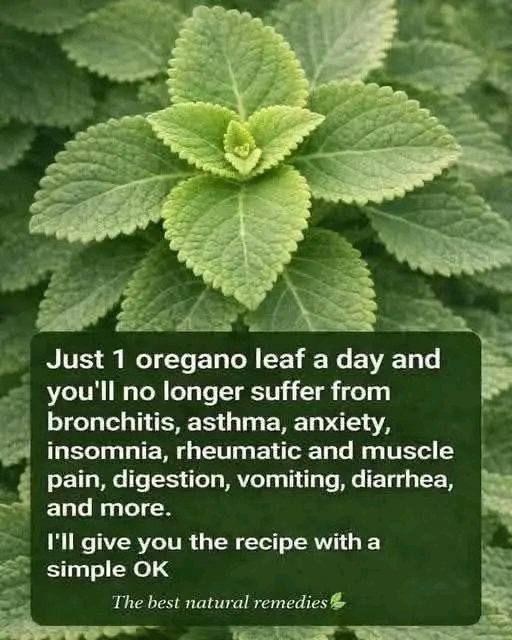
The Power of One Oregano Leaf a Day: Exploring Nature’s Potent Herb for Respiratory Health, Pain Relief, Digestion, and Overall Wellness
Oregano, scientifically known as Origanum vulgare, is a humble herb that has graced kitchens worldwide for centuries with its bold, aromatic flavor. Yet beyond its culinary appeal in Mediterranean dishes, pizzas, and salads, oregano holds a revered place in traditional herbal medicine. The viral claim circulating on social media—that consuming just one fresh oregano leaf daily could alleviate conditions like bronchitis, asthma, anxiety, insomnia, rheumatic and muscle pain, digestive issues, vomiting, diarrhea, and more—captures the imagination of those seeking natural remedies. While such bold assertions often exaggerate benefits for engagement, there is genuine scientific and traditional interest in oregano’s bioactive compounds.
This comprehensive guide delves deep into the history, science, potential benefits, practical uses, recipes, precautions, and evidence surrounding oregano. Spanning its botanical origins to modern research on key compounds like carvacrol and thymol, we’ll examine what the evidence supports, what remains promising but preliminary, and how you might safely incorporate this herb into a wellness routine. Always consult a healthcare professional before using herbs medicinally, especially if you have chronic conditions or take medications.
A Brief Botanical and Historical Journey of Oregano
Oregano belongs to the Lamiaceae (mint) family, thriving in sunny, well-drained soils across the Mediterranean region, Europe, and parts of Asia. It features small, oval, slightly fuzzy green leaves and delicate white or purple flowers. The name “oregano” derives from Greek words meaning “joy of the mountain,” reflecting its wild growth on hilly terrains.
Ancient civilizations recognized its value. The Greeks and Romans used it not only for flavor but for its purported antiseptic and digestive properties. In folk medicine across cultures, oregano tea or infusions addressed respiratory complaints, stomach upset, and inflammation. Traditional healers prepared it as a tea for coughs, as a poultice for wounds, or as a digestive aid after heavy meals. These uses persisted through generations, laying the groundwork for today’s interest in its essential oil and fresh leaves.
Modern science attributes many of these traditional applications to oregano’s rich phytochemical profile: antioxidants, phenolic compounds, flavonoids, and volatile oils. Fresh leaves contain lower concentrations of these actives than essential oil, but daily consumption—even one leaf—can contribute trace amounts alongside a varied diet.
The Science Behind Oregano’s Bioactive Compounds
The star players in oregano are carvacrol and thymol, phenolic monoterpenes that dominate its essential oil (often comprising 60-85% combined). These compounds drive much of the researched activity:
- Antimicrobial Power: Carvacrol and thymol disrupt bacterial cell membranes, showing effectiveness against various pathogens in lab studies, including food-borne bacteria and some respiratory-related microbes. This may explain traditional uses for infections contributing to bronchitis or digestive upset.
- Antioxidant Effects: Oregano ranks high in antioxidant capacity, helping neutralize free radicals that contribute to inflammation and cellular damage. Compounds like rosmarinic acid and flavonoids support this.
- Anti-inflammatory Properties: Animal and lab studies suggest carvacrol reduces inflammatory markers, potentially benefiting conditions involving chronic inflammation such as rheumatoid arthritis symptoms or colitis.
- Other Actives: Oregano also provides vitamins (K, E), minerals (iron, manganese), and fiber in fresh form, though one leaf offers only modest nutritional input.
While essential oil concentrates these compounds for stronger effects, fresh leaves deliver a gentler, whole-plant profile suitable for daily use.
Potential Benefits for Respiratory Health: Bronchitis, Asthma, and Coughs
Respiratory issues top the list in the viral claim. Traditional medicine often recommends oregano for coughs, bronchitis, and asthma-like symptoms due to its expectorant and soothing qualities.
- Bronchitis and Cough Relief: Oregano may act as a natural expectorant, helping thin and move mucus. Its antimicrobial properties could support the body against secondary infections. Some sources note its use in teas for dry coughs, sinusitis, and laryngitis. Lab evidence supports its ability to reduce respiratory secretions or combat certain bacteria/viruses linked to colds that exacerbate bronchitis.
- Asthma Support: Inflammation and oxidative stress play roles in asthma. Oregano’s anti-inflammatory and antioxidant effects show promise in preliminary studies for reducing airway irritation. Traditional use includes it alongside herbs like thyme for throat and lung comfort. However, it is not a replacement for prescribed inhalers or medications—evidence is largely from animal models or traditional reports, not large human trials for asthma specifically.
- General Respiratory Soothing: Inhaling steam from oregano tea or using diluted oil (under guidance) may provide comfort during congestion. One practical approach is sipping warm oregano infusion to promote easier breathing.
Human clinical trials remain limited, so benefits are best viewed as complementary. People with asthma should prioritize medical advice and monitor symptoms closely.
Easing Anxiety, Insomnia, and Stress-Related Issues
The claim extends to mental wellness. Chronic stress, anxiety, and poor sleep often interconnect with physical inflammation.
- Stress and Anxiety Reduction: Animal studies indicate oregano extract or essential oil may alleviate anxiety-like behaviors and improve memory under stress conditions. One rat study linked it to reduced depressive symptoms from chronic unpredictable stress, possibly via modulation of neurotransmitters or anti-inflammatory pathways in the brain.
- Insomnia Support: By potentially lowering stress and promoting relaxation through its aromatic compounds, oregano tea before bed might aid winding down. Its caffeine-free nature makes it a gentle evening option, though direct evidence for insomnia is anecdotal.
- Mechanisms: Antioxidants and anti-inflammatory effects could indirectly support nervous system balance. More human research is needed, but the potential for mild calming benefits aligns with its traditional use as a soothing herb.
Daily incorporation of fresh leaves in meals or a mild tea might contribute to overall resilience against daily stressors, but it is no substitute for professional mental health support, therapy, or sleep hygiene practices.
Relief from Rheumatic and Muscle Pain
Inflammation drives many forms of joint and muscle discomfort, including rheumatic conditions.
- Anti-inflammatory Action: Carvacrol has demonstrated potential in reducing symptoms resembling rheumatoid arthritis in animal models by lowering inflammatory cytokines. Topical or internal use of oregano preparations has traditional roots for pain relief.
- Muscle Pain and Spasms: Its antispasmodic qualities may ease cramps or tension. Some users apply diluted oregano oil topically (with carrier oil) for localized relief, though skin sensitivity testing is essential.
Evidence is stronger in preclinical studies than in robust human trials. Combining oregano with anti-inflammatory lifestyle factors—like balanced diet, movement, and stress management—may enhance perceived benefits.
Supporting Digestion, Reducing Vomiting and Diarrhea
Oregano shines as a digestive ally in traditional systems.
- Gut Health and Digestion: It stimulates digestive juices, acts as a carminative to reduce gas and bloating, and supports gut motility. Antimicrobial effects may help balance intestinal flora against certain disruptive bacteria. Lab studies suggest benefits for mild gastrointestinal discomfort.
- Diarrhea and Vomiting: Its potential to combat pathogens and soothe inflammation could offer supportive relief in cases of mild digestive upset. Traditional use includes it for indigestion, stomachaches, and diarrhea.
- Practical Tip: Consuming oregano after heavy or spicy meals may promote comfort. Fresh leaves chopped into salads or steeped as tea provide gentle support.
Again, severe or persistent digestive issues warrant medical evaluation, as oregano is not a cure-all.
Additional Promising Areas and Broader Wellness
Research explores oregano for:
- Immune Support: Antimicrobial and antioxidant properties may bolster defenses during seasonal challenges.
- Cardiovascular and Metabolic Hints: Some studies note potential modulation of blood sugar, lipids, or blood pressure, though human data is preliminary.
- Antioxidant Overall Protection: Regular intake contributes to fighting oxidative stress linked to aging and chronic disease.
One fresh leaf daily delivers subtle flavor and trace bioactives without overwhelming the palate—ideal for salads, smoothies, or garnishes.
The Simple Recipe: Oregano Leaf Daily Routine and Preparations
The viral post promises “the recipe with a simple OK.” Here’s a straightforward, safe approach emphasizing fresh leaves:
Daily One-Leaf Habit:
- Pick or purchase fresh, organic oregano.
- Rinse one medium leaf thoroughly.
- Chew it slowly or finely chop and add to meals (salad, omelet, soup, yogurt). Its mild bitterness pairs well with lemon or olive oil.
- Consistency matters more than quantity—pair with a nutrient-rich diet.
Oregano Tea (Infusion) for Targeted Support:
- Bring 1 cup (250 ml) water to a boil.
- Add 1-2 teaspoons dried oregano or 4-6 fresh leaves (roughly equivalent to several “one-leaf” doses).
- Steep covered for 5-10 minutes.
- Strain, optionally sweeten with honey, and sip warm. Enjoy 1-2 cups daily, preferably after meals or in the evening.
For Respiratory Comfort:
- Prepare a stronger batch (2-3 tsp dried per cup) and inhale steam gently while sipping.
- Combine with honey and lemon for a soothing syrup-like drink (simmer briefly, cool, store refrigerated for short periods).
Topical Use for Pain (Diluted):
- Mix a few drops of oregano essential oil with a carrier oil (coconut, olive). Patch test on skin. Apply sparingly to sore areas—never undiluted.
Start low and observe your body’s response. Fresh leaves are gentler than concentrated oil.
Important Precautions, Side Effects, and Safety Considerations
While oregano is generally safe in food amounts, medicinal use requires caution:
- Pregnancy and Breastfeeding: Avoid large or medicinal amounts, as it may stimulate the uterus or pose risks. Stick to culinary levels.
- Allergies: Those sensitive to mint-family plants (basil, lavender, etc.) may react.
- Blood Thinning or Surgery: Oregano might slow clotting—discontinue before procedures.
- Medication Interactions: It may affect blood sugar, iron absorption, or interact with certain drugs. Consult a doctor if diabetic, on anticoagulants, or managing chronic illness.
- Side Effects: In excess, it can cause stomach upset, heartburn, or allergic reactions. Essential oil is potent and can be toxic in high doses.
- Children and Specific Conditions: Use cautiously; professional guidance is advised for asthma, autoimmune issues, or long-term use.
One leaf daily is unlikely to cause issues for most healthy adults, but listen to your body and seek medical advice for any concerns.
Integrating Oregano into a Holistic Lifestyle
No single herb replaces a balanced approach. Pair oregano with:
- Anti-inflammatory foods (berries, fatty fish, turmeric, leafy greens).
- Regular movement, hydration, and quality sleep.
- Stress-reduction practices like meditation or nature walks.
- Proper medical care for diagnosed conditions.
Growing your own oregano is rewarding—it’s hardy, aromatic, and ensures freshness. Harvest leaves before flowering for peak flavor and potency.
Conclusion: A Leaf of Wisdom in a Modern World
The idea of “just one oregano leaf a day” beautifully simplifies nature’s offerings, reminding us that small, consistent habits can support wellness. While scientific evidence strongly supports oregano’s antimicrobial, antioxidant, and anti-inflammatory potential—particularly through carvacrol and thymol—many claimed “cures” for bronchitis, asthma, anxiety, insomnia, pain, and digestion remain rooted more in tradition and preliminary studies than definitive clinical proof. It excels as a complementary ally rather than a standalone miracle.
By understanding its mechanisms, preparing simple recipes like fresh-leaf additions or soothing teas, and respecting safety guidelines, you can explore oregano’s gifts responsibly. This herb invites us to reconnect with plant wisdom while honoring evidence-based medicine.
For personalized advice, consult qualified healthcare providers or herbalists. Embrace oregano not as a quick fix but as part of a vibrant, informed journey toward better health—one flavorful leaf at a time.