Nutritional Profile: A Powerhouse of Vitamins, Fiber, and Antioxidants
Guava stands out as one of the most nutrient-dense fruits available. A single medium-sized guava (about 55-100 grams of edible portion) delivers:
- Vitamin C: Often exceeding 200-400% of the daily recommended intake, far more than oranges in many varieties. This potent antioxidant supports immune function, collagen synthesis, and fights oxidative stress.
- Fiber: Approximately 5-9 grams per 100 grams, mostly soluble and insoluble types that aid digestion and blood sugar control.
- Vitamin A and Carotenoids: Important for vision, skin health, and immune support.
- Potassium: Around 400-500 mg per 100 grams, which helps regulate blood pressure and fluid balance.
- Other Micronutrients: Small but meaningful amounts of folate, magnesium, copper, manganese, and B vitamins like B6.
- Low Calorie Count: Typically 60-70 calories per 100 grams, with a low glycemic index (GI) estimated between 12-24, meaning it causes a slower, steadier rise in blood sugar compared to high-GI foods.
The fruit’s phytochemicals—flavonoids like quercetin, kaempferol, and myricetin; phenolic compounds such as gallic acid and ellagic acid; and carotenoids—contribute to its antioxidant, anti-inflammatory, and potential metabolic effects. The leaves, often used in teas or extracts, are even richer in certain polyphenols and tannins, which traditional medicine systems in Asia, Latin America, and Africa have long employed for digestive issues, infections, and metabolic concerns.
These nutrients make guava a versatile addition to diets worldwide. Eaten fresh, blended into smoothies, turned into jam, or consumed as leaf tea, it offers both culinary enjoyment and functional benefits.
Debunking and Examining the Viral Claim: Blood Sugar Control
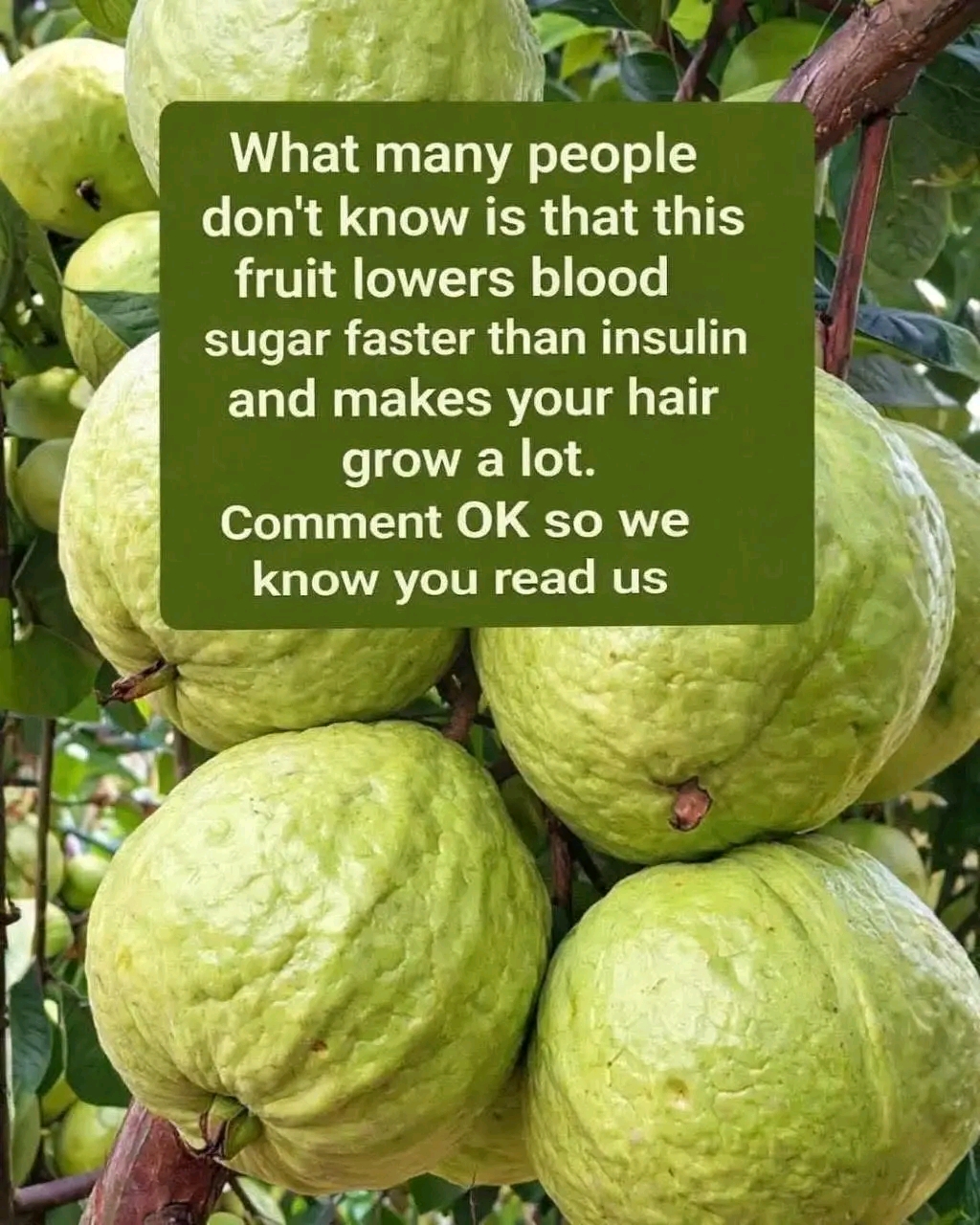
Social media images of guava trees overlaid with text claiming the fruit “lowers blood sugar faster than insulin” have circulated widely. This assertion is overstated and potentially misleading. Insulin is a hormone that rapidly facilitates glucose uptake into cells, a mechanism no whole food can replicate in speed or potency. However, scientific studies do indicate that guava—particularly its leaves and extracts—can help moderate blood glucose levels, especially postprandial (after-meal) spikes, through several indirect pathways. It is not faster or stronger than insulin but can complement lifestyle and medical management for type 2 diabetes or prediabetes.
Key mechanisms supported by research include:
- Inhibition of Carbohydrate-Digesting Enzymes: Guava leaf extracts and, to a lesser extent, fruit components inhibit alpha-glucosidase and alpha-amylase. These enzymes break down starches and sugars in the gut. By slowing this process, guava reduces the rapid absorption of glucose into the bloodstream, leading to flatter post-meal blood sugar curves. Human trials have shown that guava leaf tea consumed with meals can lower the area under the curve (AUC) for glucose by 20-30% in some cases.
- Improved Insulin Sensitivity and Glucose Uptake: Cell and animal studies demonstrate that guava extracts enhance insulin signaling pathways, increasing glucose transporter (GLUT) expression and promoting glycogen storage in the liver. In high-glucose-induced insulin-resistant cell models, guava leaf extract boosted glucose uptake and glycogen accumulation.
- Fiber’s Role in Slowing Absorption: The high dietary fiber content physically slows gastric emptying and sugar absorption, contributing to better glycemic control without dramatic spikes.
- Antioxidant and Anti-Inflammatory Effects: Oxidative stress and chronic inflammation worsen insulin resistance. Guava’s rich polyphenols combat these, potentially protecting pancreatic beta cells and improving overall metabolic health.
Clinical evidence varies by preparation:
- Guava Leaf Tea or Extract: Multiple studies, including those in humans with type 2 diabetes, show reductions in fasting blood glucose, HbA1c, and postprandial glucose. One review highlighted improvements in hyperglycemia, hyperinsulinemia, and lipid profiles with regular consumption.
- Guava Fruit: A small human study found that pulp without peel modestly lowered fasting plasma glucose and improved lipids (total cholesterol, triglycerides, LDL) in healthy adults, while fruit with peel sometimes showed less favorable or neutral effects in certain metrics. Another trial with guava fruit extract reduced postprandial glucose peaks in healthy volunteers after a glucose load.
- Animal Models: Streptozotocin-induced diabetic rats and obese mice exhibited significant blood sugar reductions, better glucose tolerance, and enhanced hepatic glycogen with guava interventions.
Importantly, results are not uniform. Some studies note benefits primarily from leaves rather than fruit alone, and effects are generally supportive rather than curative. Guava does not replace insulin or prescribed medications. People with diabetes should monitor blood sugar closely when adding it to their routine and consult healthcare providers, as individual responses vary based on dosage, ripeness, preparation, and overall diet.
The low GI and high fiber make whole guava fruit a diabetes-friendly snack in moderation—typically 1-2 fruits per day as part of a balanced plate. Overconsumption could still contribute calories or cause digestive discomfort due to fiber.
The Hair Growth Claim: Folklore Meets Emerging Science
The second part of the viral claim—that guava “makes your hair grow a lot”—stems from traditional uses but has weaker direct evidence for the fruit itself. Guava leaves, however, show intriguing potential in preliminary research, particularly for androgenetic alopecia (pattern hair loss).
Traditional practices in Thailand and other regions involve boiling guava leaves for hair rinses to strengthen strands, reduce fallout, and promote growth. Modern investigations point to:
- Anti-Androgen Activity: A 2022 study found guava leaf extract downregulated genes for 5α-reductase enzymes (SRD5A1, SRD5A2, SRD5A3), which convert testosterone to dihydrotestosterone (DHT). DHT miniaturizes hair follicles in genetic hair loss. By inhibiting this, the extract may protect follicles. Compounds like gallic acid and quercetin appear key.
- Antioxidant Protection: Oxidative stress damages scalp and follicles. Guava’s polyphenols neutralize free radicals, potentially creating a healthier environment for growth.
- Nutrient Support from the Fruit: Eating guava provides vitamin C, which aids collagen production essential for hair structure, plus iron and other minerals that combat deficiency-related shedding. Biotin-like benefits from B vitamins may indirectly support keratin production.
- Scalp Health: Leaf rinses or extracts may offer antimicrobial and anti-inflammatory effects, reducing dandruff or irritation that hinders growth.
Evidence remains mostly in vitro (cell-based) or traditional, with limited large-scale human clinical trials confirming dramatic “a lot” of growth. Users report shinier, stronger hair and reduced breakage from guava leaf water rinses, but results are anecdotal or small-scale. The fruit’s systemic nutrients likely contribute modestly to overall hair health via better nutrition rather than targeted stimulation.
For practical use: Brew guava leaf tea as a cooled rinse after shampooing, or incorporate fresh guava into a nutrient-rich diet. Combine with a holistic approach—balanced nutrition, stress management, and gentle hair care—for best outcomes. Those with scalp conditions or using medications should seek professional advice.
Broader Health Benefits of Guava
Guava’s advantages extend far beyond blood sugar and hair:
- Immune Support: Its exceptional vitamin C content bolsters white blood cell function and antioxidant defenses, potentially shortening cold duration.
- Digestive Health: High fiber promotes regularity, prevents constipation, and feeds beneficial gut bacteria. Traditional use includes relief from diarrhea due to astringent tannins in leaves or unripe fruit.
- Heart Health: Potassium aids blood pressure regulation; fiber and antioxidants may improve cholesterol profiles (as seen in some guava pulp studies lowering LDL and triglycerides).
- Weight Management: Low calories, high fiber, and satiety make it ideal for calorie-controlled diets.
- Anti-Cancer Potential: In lab studies, extracts show anti-proliferative effects on certain cancer cells due to polyphenols, though human evidence is preliminary.
- Skin Benefits: Vitamin C and antioxidants support collagen, potentially reducing wrinkles and improving wound healing.
- Anti-Microbial Properties: Effective against some bacteria and fungi, supporting traditional uses for infections.
Guava leaf tea is popular for its mild, earthy flavor and is generally considered safe, though excessive intake might cause mild gastrointestinal upset.
How to Incorporate Guava Safely and Effectively
- Fresh Fruit: Choose ripe but firm guavas. Eat whole (skin is edible and nutrient-rich in some varieties) or scoop the flesh. Pair with savory elements like chili and salt for a traditional twist.
- Leaf Tea: Boil 5-10 fresh or dried leaves in water for 10-15 minutes. Drink 1-2 cups daily or use as a hair rinse. Commercial guava leaf teas are widely available.
- Extracts and Supplements: Standardized extracts exist but vary in quality. Follow label doses and consult a doctor, especially if diabetic or on medications.
- Recipes: Add to smoothies, salads, salsas, or desserts. Guava paste (guayabate) is a common Latin American treat.
- Dosage Notes: Start small—1 fruit or 1 cup tea daily—to assess tolerance. Pregnant or breastfeeding individuals should use caution with concentrated extracts.
Potential Side Effects and Precautions
Guava is safe for most when consumed as food. Possible issues include:
- High fiber leading to bloating or gas if introduced suddenly.
- Allergic reactions (rare).
- Interactions: Leaf extracts may enhance hypoglycemic effects of diabetes drugs, risking low blood sugar. Monitor levels.
- Seeds: Edible but can irritate sensitive digestive tracts in large amounts.
- Pesticides: Choose organic when possible, especially for leaves.
Individuals with kidney issues should note the potassium content. Always prioritize evidence-based medical care over social media hype.
Conclusion: A Valuable Addition, Not a Miracle
Guava is a delicious, nutrient-packed fruit with credible scientific backing for supporting blood sugar regulation—mainly through slowing carbohydrate absorption and improving metabolic markers—rather than outperforming insulin. Its leaves offer promising anti-androgen and antioxidant properties that may aid hair health, though claims of massive growth are unproven and likely overstated. Incorporating guava as part of a varied, balanced diet rich in whole foods can contribute to better glycemic control, immune resilience, digestion, and overall vitality.
The viral post highlights an important truth: nature provides powerful allies for health. However, sustainable wellness comes from consistent habits, not single foods or exaggerated promises. Consult healthcare professionals for personalized advice, particularly for managing chronic conditions like diabetes. Enjoy guava for its flavor and benefits, and let science guide expectations. With mindful consumption, this humble tropical fruit can be a tasty ally in your wellness journey.