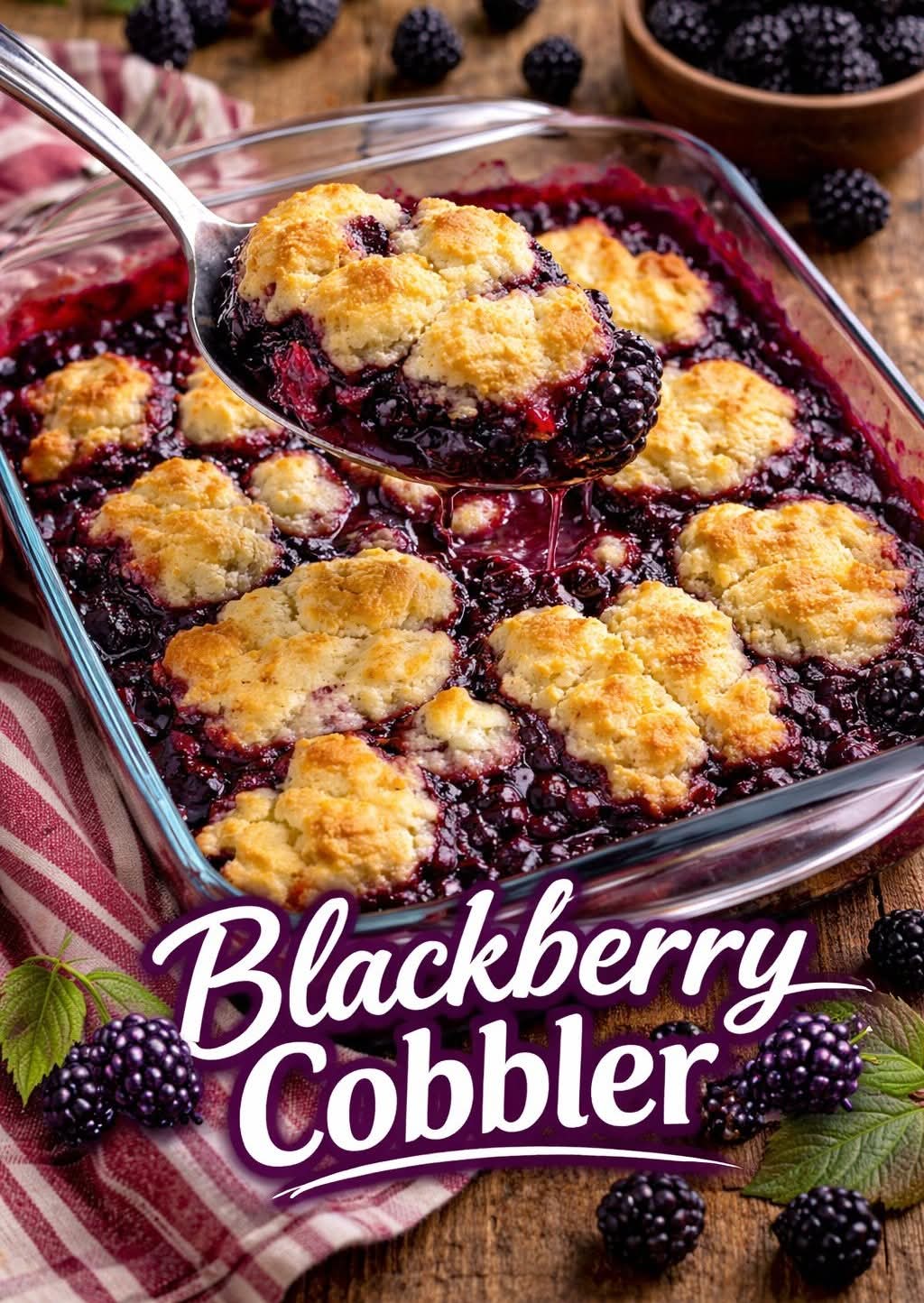
The Ultimate Guide to Blackberry Cobbler: History, Recipes, Tips, and More
Blackberry cobbler is more than just a dessert—it’s a celebration of summer’s bounty, a comforting classic that brings together juicy, tart blackberries and a golden, buttery topping that melts in your mouth. Whether you’re a seasoned baker or a complete beginner in the kitchen, this beloved treat has a way of making any gathering feel special. In this comprehensive 3000-word guide, we’ll dive deep into everything you need to know about blackberry cobbler: its rich history, the science behind its perfect texture, step-by-step recipes for various styles, pro tips for success, variations to suit every taste and dietary need, pairing suggestions, storage advice, and even some fun facts and cultural significance. By the end, you’ll be ready to bake the best blackberry cobbler of your life.
The History of Blackberry Cobbler
The story of cobbler dates back to the early days of American colonization. When European settlers arrived in the New World, they brought with them traditional fruit pies from their homelands. However, ingredients like wheat flour, butter, and sugar were often scarce or expensive in the frontier regions. Lacking the resources or time to make a proper pie crust that required precise rolling and shaping, resourceful cooks improvised.
They created what we now know as “cobbler”—a simple dish where fruit is placed in a baking dish and topped with dollops of biscuit-like dough or batter. The name “cobbler” is thought to come from the cobblestone-like appearance of the irregular topping, resembling the uneven stones used to pave streets in old England. Early versions were often made with whatever wild fruits were available, and blackberries, which grow abundantly in many parts of North America, quickly became a favorite.
Blackberries have a long history of their own. Native to Europe, Asia, and North America, these berries were foraged by indigenous peoples long before European arrival. In the United States, blackberry cobbler gained popularity in the South, where wild blackberry patches were common along roadsides and in woodlands. During the Great Depression and World War II eras, when fresh ingredients were precious, cobblers became a staple because they were forgiving, required minimal ingredients, and stretched a small amount of fruit into a satisfying dessert for the whole family.
In the American South, cobbler traditions vary by region. In some areas, it’s called “blackberry grunt” or “slump” when cooked on the stovetop, or “pandowdy” when the topping is broken up during baking. But the classic baked blackberry cobbler with its biscuit topping remains the most iconic version. Today, it’s a symbol of Southern hospitality and home cooking, often served at family reunions, church potlucks, and summer barbecues.
Interestingly, similar desserts exist around the world. In the United Kingdom, there’s the “crumble,” which features a streusel-like topping. In France, fruit tarts and clafoutis offer elegant alternatives. But the rustic charm of American cobbler sets it apart—it’s unpretentious, hearty, and meant to be shared.
As America industrialized and supermarkets made fresh and frozen blackberries available year-round, blackberry cobbler evolved from a seasonal treat to an anytime comfort food. Modern bakers experiment with global flavors, adding spices from India or herbs from the Mediterranean, but the core appeal remains the same: sweet-tart fruit bubbling beneath a tender, golden crust.
Understanding the Components of a Perfect Blackberry Cobbler
To master blackberry cobbler, it’s essential to understand its two main parts: the fruit filling and the topping.
The Blackberry Filling
Blackberries are the star here. These dark, juicy berries are technically an aggregate fruit, composed of many small drupelets clustered around a central core. When ripe, they offer a perfect balance of sweetness and acidity, with subtle floral and earthy notes. The juice releases during baking, creating a thick, syrupy sauce that soaks into the bottom of the biscuit topping—pure bliss.
Key factors for the filling:
- Ripeness: Use fully ripe blackberries for maximum sweetness and flavor. Underripe berries can be too tart and firm.
- Quantity: A standard 9×13-inch baking dish calls for about 6 to 8 cups of fresh blackberries.
- Sweeteners: Granulated sugar is classic, but you can use brown sugar for deeper molasses notes or honey/maple syrup for natural sweetness.
- Thickeners: Cornstarch or flour helps the juices thicken into a glossy sauce rather than a watery mess. Some recipes add a touch of lemon juice to brighten the flavors and balance sweetness.
- Spices and Flavorings: A pinch of cinnamon, nutmeg, or even cardamom can enhance the berries without overpowering them. Vanilla extract or almond extract adds warmth.
The science behind the filling is fascinating. As the cobbler bakes, the blackberries release pectin—a natural thickener found in fruit cell walls—along with water and sugars. Heat breaks down the cell structure, allowing juices to flow. The added thickener binds these juices, preventing a soggy topping while keeping everything moist.
The Cobbler Topping
Unlike pie crust, which is rolled thin and flaky, cobbler topping is more like a drop biscuit or sometimes a cake-like batter. There are two primary styles:
- Biscuit-Style Topping: Made with flour, baking powder, butter (or shortening), milk or buttermilk, and a bit of sugar. The dough is dropped in spoonfuls or patted into rounds over the fruit. This creates a fluffy, tender interior with a crisp, golden exterior.
- Batter-Style Topping: A thinner mixture poured over the fruit. As it bakes, the batter rises and creates a more uniform crust, similar to a upside-down cake.
Butter is crucial for flavor and tenderness. Cold butter creates steam pockets during baking, leading to flaky layers in biscuit toppings. Buttermilk adds tang and helps activate the leavening agents.
The topping should be slightly sweet but not overly so, allowing the blackberry filling to shine. A light sprinkle of coarse sugar or turbinado sugar on top before baking gives an irresistible crunch.
Classic Blackberry Cobbler Recipe
This is the traditional Southern-style blackberry cobbler that serves 8-10 people. It features a biscuit topping and is perfect for beginners.
Ingredients for the Filling:
- 6 cups fresh blackberries (or frozen, thawed and drained)
- 1 cup granulated sugar (adjust based on berry sweetness)
- 2 tablespoons cornstarch
- 1 tablespoon fresh lemon juice
- 1 teaspoon vanilla extract
- ½ teaspoon ground cinnamon
- Pinch of salt
Ingredients for the Topping:
- 2 cups all-purpose flour
- ¼ cup granulated sugar
- 1 tablespoon baking powder
- ½ teaspoon salt
- ½ cup cold unsalted butter, cubed
- ⅔ cup buttermilk (or regular milk with 1 tsp vinegar)
- 1 large egg
- 1 teaspoon vanilla extract
- Coarse sugar for sprinkling (optional)
Instructions:
- Preheat the oven to 375°F (190°C). Grease a 9×13-inch baking dish with butter or non-stick spray.
- Prepare the filling: In a large bowl, gently toss the blackberries with sugar, cornstarch, lemon juice, vanilla, cinnamon, and salt. Let it sit for 10-15 minutes to allow the berries to release some juices. Pour the mixture into the prepared baking dish, spreading it evenly.
- Make the topping: In a medium bowl, whisk together the flour, sugar, baking powder, and salt. Add the cold butter cubes and use a pastry cutter or your fingers to cut the butter into the flour until the mixture resembles coarse crumbs with some pea-sized pieces remaining. This step is crucial for a tender, flaky texture.
- Combine wet ingredients: In a separate small bowl, whisk the buttermilk, egg, and vanilla. Pour this into the dry ingredients and stir just until combined. Do not overmix—the dough should be slightly lumpy and sticky. Overmixing develops gluten, which can make the topping tough.
- Assemble the cobbler: Drop spoonfuls of the dough evenly over the blackberry filling. Leave some gaps between the dollops so the fruit can bubble up and create that signature cobblestone look. If desired, brush the tops with a little milk or melted butter and sprinkle with coarse sugar.
- Bake: Place the dish on a baking sheet (to catch any bubbling overflow) and bake for 40-50 minutes, or until the topping is golden brown and the filling is thick and bubbly. A toothpick inserted into the topping should come out clean, and the fruit sauce should be visibly thickened.
- Cool and serve: Let the cobbler cool for at least 15-20 minutes before serving. This allows the filling to set slightly. Serve warm with a scoop of vanilla ice cream, a dollop of whipped cream, or even a drizzle of heavy cream for a traditional touch.
Yield: 8-10 servings
Prep time: 20 minutes
Bake time: 45 minutes
This recipe produces a cobbler where the biscuit topping stays crisp on top while absorbing just enough berry juice underneath for moisture without becoming soggy.
Variations and Creative Twists
Blackberry cobbler is wonderfully versatile. Here are some popular and innovative variations:
1. Mixed Berry Cobbler
Combine blackberries with raspberries, blueberries, or strawberries for a more complex flavor profile. The different pectins and acid levels create a beautiful balance. Use 3 cups blackberries and 3 cups mixed berries.
2. Peach-Blackberry Cobbler
The classic Southern pairing. Peaches add sweetness and juiciness that complements the tartness of blackberries. Peel and slice 4-5 ripe peaches and mix with the blackberries. Reduce sugar slightly since peaches are sweeter.
3. Gluten-Free Blackberry Cobbler
Replace all-purpose flour with a 1:1 gluten-free baking blend. Add ½ teaspoon xanthan gum if your blend doesn’t include it. The texture will be slightly different but still delicious. Almond flour can be used for a nutty flavor, though it makes the topping more cake-like.
4. Vegan Blackberry Cobbler
Use plant-based milk (oat or almond works well), vegan butter or coconut oil, and a flax egg (1 tbsp ground flaxseed + 3 tbsp water) instead of the egg. The coconut oil adds a subtle tropical note that pairs surprisingly well with berries.
5. Skillet Blackberry Cobbler
Bake in a 10-12 inch cast-iron skillet for a rustic presentation and even heat distribution. The edges get extra crispy. Preheat the skillet in the oven for best results.
6. Individual Blackberry Cobblers
Divide the filling and topping among ramekins or muffin tins for personal servings. Reduce baking time to 25-35 minutes. Perfect for dinner parties or portion control.
7. Spiced or Herbed Versions
Add fresh thyme, rosemary, or basil to the filling for an herbal twist. Warm spices like ginger, cloves, or even a hint of chili powder can create an unexpected depth, especially in fall or winter when using frozen berries.
8. Cake-Style Cobbler
For a more uniform top, use a batter instead of dropped biscuits. Melt ½ cup butter in the baking dish, mix a simple cake batter (flour, sugar, milk, baking powder), pour over the berries, and bake. The butter creates a crispy edge similar to a pineapple upside-down cake.
9. Blackberry Cobbler with Streusel Topping
Combine elements of a crisp and cobbler by adding oats, brown sugar, and nuts to the topping for extra crunch.
10. Boozy Blackberry Cobbler
Add 2-3 tablespoons of bourbon, rum, or blackberry liqueur to the filling for an adult version. The alcohol cooks off mostly, leaving behind nuanced flavor.
These variations allow you to adapt the recipe to seasonal ingredients, dietary restrictions, or simply what you have on hand.
Pro Tips for Baking the Best Blackberry Cobbler
Achieving cobbler perfection takes a few insider secrets:
- Fresh vs. Frozen Berries: Fresh is ideal in season, but frozen works excellently. Do not thaw frozen berries completely—add them straight from the freezer and increase thickener by 1 tablespoon to account for extra liquid.
- Taste Before Sweetening: Blackberries vary greatly in sweetness depending on variety, growing conditions, and ripeness. Always taste a berry and adjust sugar accordingly. Too much sugar can mask the bright tartness that makes blackberry cobbler special.
- Don’t Overmix the Dough: For biscuit-style toppings, mix just until the ingredients come together. Lumps are good—they create pockets of steam for lightness.
- Use Cold Ingredients: Keep butter and buttermilk cold. This ensures flaky layers rather than a dense, bread-like topping.
- Baking Dish Matters: Glass or ceramic dishes provide even heating. Metal can brown the bottom too quickly. If using a deep dish, you may need to extend baking time.
- Prevent Overflow: Always place the baking dish on a rimmed baking sheet lined with foil or parchment. Blackberry juice can bubble vigorously and create a sticky mess in your oven.
- Test for Doneness: Look for a deep golden color on the topping and thick, syrupy bubbles around the edges. If the top browns too quickly, tent with foil for the last 10 minutes.
- Resting Period: Resist the urge to serve immediately. 15-30 minutes of cooling lets the juices set, making slicing and serving easier while the topping stays crisp.
- Altitude Adjustments: At high elevations, increase oven temperature by 25°F and slightly decrease baking powder to prevent the topping from rising too much and then collapsing.
Common mistakes to avoid:
- Using too much liquid in the topping, leading to a gummy texture.
- Under-thickening the filling, resulting in a soupy cobbler.
- Over-baking, which dries out the topping and makes the berries mushy.
Seasonal Considerations and Sourcing Blackberries
Blackberry season typically peaks from late June through August in most temperate regions, though it can extend into early fall depending on climate. In the Pacific Northwest and parts of the American South, wild blackberries (like Himalayan blackberries) are prolific and free for the picking—though always ensure the area hasn’t been sprayed with pesticides.
When buying:
- Look for plump, deeply colored berries with a glossy sheen. Avoid those with mold, mushiness, or green/red unripe drupelets.
- Store fresh blackberries in the refrigerator unwashed for up to 3-5 days. Wash just before use to prevent premature spoilage.
- Freeze extras: Spread berries in a single layer on a baking sheet, freeze until solid, then transfer to freezer bags. They keep for up to a year.
In winter months, frozen blackberries are your best friend. Many grocery stores carry organic options that are picked at peak ripeness and flash-frozen, preserving flavor and nutrients better than out-of-season fresh imports.
For foragers: Learn to identify true blackberries (Rubus spp.) versus black raspberries or other look-alikes. Blackberries have a white core that stays with the fruit when picked, while raspberries leave the core behind.
Nutritional Benefits and Health Aspects
Blackberries are nutritional powerhouses. They’re low in calories (about 60 per cup) but packed with:
- Fiber (8g per cup) for digestive health and blood sugar control.
- Vitamin C (nearly 50% of daily needs per cup) for immune support and skin health.
- Vitamin K, manganese, and antioxidants like anthocyanins, which give the berries their deep purple color and combat oxidative stress.
- Polyphenols linked to reduced inflammation and potential heart health benefits.
The cobbler itself isn’t exactly “health food” due to the sugar and refined flour, but you can make lighter versions by reducing sugar, using whole wheat pastry flour, or incorporating oats into the topping. A serving with vanilla ice cream still provides a decent dose of fruit and makes for a satisfying occasional treat.
For those with dietary concerns:
- Diabetics can use sugar substitutes like monk fruit or erythritol, though they may affect browning and texture.
- Low-carb/keto versions often use almond flour, coconut flour, and sugar-free sweeteners with a xanthan gum-thickened filling.
Remember, moderation is key. Enjoy blackberry cobbler as part of a balanced diet.
Serving Suggestions and Pairings
The classic way to serve blackberry cobbler is warm, with a generous scoop of high-quality vanilla bean ice cream. The cold cream contrasts beautifully with the hot fruit and melts slightly into the juices.
Other delicious pairings:
- Whipped Cream: Lightly sweetened with vanilla or flavored with bourbon.
- Crème Fraîche or Greek Yogurt: Adds tang that cuts through the sweetness.
- Custard or Crème Anglaise: For an elegant, restaurant-style presentation.
- Sharp Cheddar Cheese: A surprising Southern tradition— the saltiness complements the berries (try it!).
- Coffee or Tea: A strong black coffee or herbal tea like chamomile balances the dessert.
For beverages:
- Pair with sparkling wine, rosé, or a light red like Pinot Noir for dinner parties.
- Non-alcoholic options: Iced tea (sweet or unsweet), lemonade, or berry-infused water.
At potlucks or barbecues, blackberry cobbler shines alongside grilled meats, coleslaw, and cornbread. Its casual nature makes it ideal for outdoor events.
Storage, Freezing, and Reheating
Leftover blackberry cobbler keeps well:
- Room Temperature: Up to 1 day, covered loosely.
- Refrigerator: 3-4 days in an airtight container. The topping may soften slightly but remains tasty.
- Freezer: Freeze the baked cobbler for up to 3 months. Wrap tightly in plastic wrap and foil. Thaw overnight in the fridge and reheat in a 350°F oven for 15-20 minutes until warmed through. Individual portions reheat well in the microwave (30-60 seconds).
You can also freeze unbaked cobbler. Assemble, wrap tightly, and freeze for up to 2 months. Bake from frozen, adding 10-15 extra minutes to the baking time.
To refresh a day-old cobbler, warm it in the oven and consider adding a fresh sprinkle of sugar on the topping for renewed crispness.
Troubleshooting Common Issues
- Soggy Topping: Increase thickener in the filling or ensure the topping has enough gaps for steam to escape. Bake at a slightly higher temperature initially.
- Too Runny Filling: Add more cornstarch next time or cook the filling on the stovetop briefly before assembling.
- Dry Topping: Use more liquid in the dough or cover with foil partway through baking.
- Burnt Edges: Lower the oven temperature or use a lighter-colored baking dish.
- Bland Flavor: Taste and adjust seasonings. Fresh lemon zest or a touch more vanilla can brighten things up.
Cultural Significance and Fun Facts
Blackberry cobbler holds a special place in American folklore. It’s often mentioned in Southern literature and cookbooks as a symbol of simple pleasures and family traditions. In some communities, annual blackberry festivals celebrate the harvest with cobbler-eating contests and pie-baking competitions.
Fun facts:
- The world’s largest blackberry cobbler was reportedly made in some small towns during harvest festivals, weighing hundreds of pounds.
- Blackberries were once used as natural dyes for fabrics and even in early ink production.
- In folklore, blackberry brambles were associated with protection and were sometimes planted near homes to ward off evil spirits (though their thorns made them effective barriers regardless of superstition).
- The average American consumes only a fraction of the recommended fruit intake, making blackberry cobbler one enjoyable way to boost that number.
Internationally, while not as common, similar fruit desserts appear in many cultures. Australians have “berry sponge puddings,” and Mexicans enjoy “cobbler” adaptations with local fruits like guava or mango.
Advanced Techniques for Bakers
For those wanting to elevate their cobbler game:
- Maceration: Let the berries sit with sugar and lemon for 30+ minutes to draw out more juices and intensify flavor.
- Infused Sugars: Make vanilla sugar or citrus sugar by burying a split vanilla bean or lemon peels in sugar for a week.
- Multiple Textures: Combine biscuit and streusel toppings for contrast.
- Blind Baking Elements: Pre-bake the topping separately on a sheet pan for extra crispness, then place on the hot filling.
- Flavor Layering: Roast the blackberries briefly before assembling to caramelize natural sugars.
Experiment with different flours—einkorn, spelt, or rye—for unique flavor profiles in the topping.
Conclusion: Why Blackberry Cobbler Endures
In a world of elaborate, Instagram-worthy desserts with multiple components and exotic ingredients, blackberry cobbler stands out for its simplicity and soul-satisfying qualities. It requires no special equipment, forgives minor mistakes, and transforms humble pantry staples and seasonal fruit into something magical.
Whether you’re baking it for a weeknight family dinner, a holiday gathering, or just because the blackberries at the market looked too good to pass up, this dessert delivers comfort, nostalgia, and pure joy in every bite. The contrast of warm, jammy berries against tender biscuit, the way the juices pool and the topping crisps—it’s a sensory experience that connects us to generations of home cooks who came before.
So the next time life gives you blackberries (or you pick them up at the store), don’t hesitate. Fire up the oven, gather your ingredients, and create your own version of this timeless classic. Share it with loved ones, savor it slowly, and maybe even start your own family tradition.
Blackberry cobbler isn’t just food—it’s a reminder that the best things in life are often the simplest.