Introduction
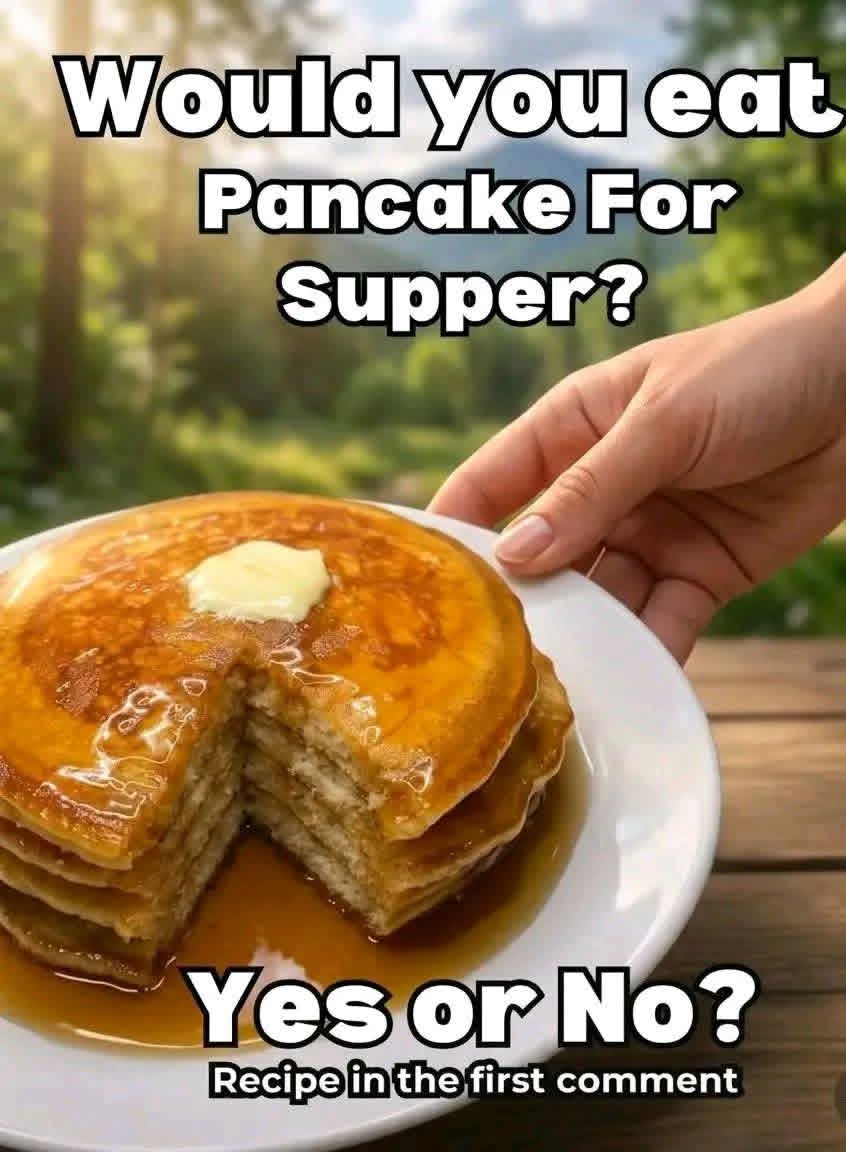
Pancakes are more than just a breakfast staple—they’re a versatile, comforting dish that can brighten any time of day. Whether you’re craving a quick weekday morning meal, a leisurely weekend brunch, or even a fun and unexpected supper, pancakes deliver pure joy on a plate. In this ultimate guide, we’ll dive deep into everything you need to know to create the fluffiest, most delicious pancakes at home.
From the science behind why certain ingredients work, to common mistakes beginners make, to creative flavor variations that will impress your family and friends, this comprehensive recipe covers it all. We’ll focus on a classic buttermilk pancake base that yields tall, golden, tender stacks every single time. By the end of this article, you’ll have the confidence to whip up perfect pancakes whenever the mood strikes—including for supper!
Why pancakes for supper? It’s simple. Dinner doesn’t always have to be savory. A warm stack of pancakes paired with savory sides, fresh fruit, or even a drizzle of maple syrup can feel indulgent yet comforting after a long day. Many cultures enjoy sweet or savory pancakes as evening meals, and once you try it, you might never go back to traditional dinner routines.
Let’s get started with the ingredients, tools, and techniques that make all the difference.
Why This Pancake Recipe Works
Before we jump into the recipe, it’s important to understand what makes pancakes fluffy, tender, and flavorful rather than flat, rubbery, or bland.
The key lies in a few fundamental principles:
- Chemical Leavening: Baking powder and baking soda create carbon dioxide bubbles when mixed with liquid and acid. These bubbles expand during cooking, giving pancakes their signature height.
- Acidity Balance: Buttermilk provides a tangy flavor and reacts with baking soda for extra lift. If you don’t have buttermilk, we’ll cover easy homemade substitutes.
- Gluten Development: Overmixing the batter develops gluten, which makes pancakes tough. We’ll teach you the “lumpy is good” rule.
- Temperature Control: Room-temperature ingredients mix better, and the right pan temperature ensures even browning without burning.
- Resting the Batter: Allowing the batter to rest for 5–10 minutes lets the flour hydrate fully and the leavening agents activate gently.
This recipe is designed for reliability. It has been tested dozens of times with consistent results, even for beginners. Each pancake is approximately 4–5 inches in diameter, golden on the outside, and light and airy inside.
Ingredients for Classic Buttermilk Pancakes (Makes about 12–15 pancakes)
Dry Ingredients:
- 2 cups (250g) all-purpose flour
- 2 tablespoons granulated sugar
- 2 teaspoons baking powder
- 1 teaspoon baking soda
- ½ teaspoon salt
Wet Ingredients:
- 2 large eggs, room temperature
- 2 cups (480ml) buttermilk, room temperature (or homemade substitute—see below)
- ¼ cup (60ml) unsalted butter, melted and slightly cooled
- 1 teaspoon pure vanilla extract
- Optional: ¼ teaspoon almond extract for subtle depth
For Cooking:
- Butter or neutral oil (such as vegetable or canola) for the griddle or pan
Toppings and Serving Suggestions (covered in detail later):
- Pure maple syrup
- Fresh berries, banana slices, or sliced apples
- Whipped cream or Greek yogurt
- Powdered sugar
- Chocolate chips, nuts, or coconut flakes
- Savory options for supper: fried eggs, crispy bacon, avocado, smoked salmon, or sautéed spinach
Step-by-Step Instructions
Step 1: Prepare Your Workspace and Ingredients
Start by gathering all your ingredients and tools. This mise en place approach prevents mistakes and keeps the process smooth. Take the eggs and buttermilk out of the refrigerator at least 30 minutes before starting so they reach room temperature. Cold ingredients can shock the batter and prevent proper rising.
Preheat your oven to 200°F (95°C) if you want to keep cooked pancakes warm while you finish the batch. Place a wire rack over a baking sheet inside the oven.
Step 2: Mix the Dry Ingredients
In a large mixing bowl, whisk together the flour, sugar, baking powder, baking soda, and salt. Whisking helps distribute the leavening agents evenly and aerates the flour slightly. Make sure there are no clumps of baking powder or soda—these can create bitter pockets in the finished pancakes.
Step 3: Mix the Wet Ingredients
In a separate medium bowl, beat the eggs lightly with a fork or whisk. Add the buttermilk, melted butter, and vanilla extract. Whisk until everything is well combined. The mixture should look smooth with a few small bubbles from the buttermilk.
Step 4: Combine Wet and Dry Ingredients
Pour the wet ingredients into the dry ingredients all at once. Using a wooden spoon or rubber spatula, gently stir until just combined. The batter should be thick and lumpy—stop mixing as soon as you no longer see streaks of dry flour. A few small lumps are not only okay; they’re desirable. Overmixing will develop the gluten in the flour, resulting in dense, chewy pancakes instead of light and fluffy ones.
If the batter seems too thick, you can add 1–2 tablespoons of additional buttermilk, but do so sparingly. The ideal consistency is like a thick but pourable smoothie.
Step 5: Rest the Batter
Let the batter rest undisturbed for 5 to 10 minutes. During this time, the flour absorbs the liquid, and the baking powder and soda begin their magic. You’ll notice the batter becomes slightly puffier and more uniform in texture.
Step 6: Heat the Cooking Surface
While the batter rests, heat your griddle, cast-iron skillet, or non-stick frying pan over medium heat. A good test for readiness: sprinkle a few drops of water on the surface. If they dance and evaporate quickly, the pan is hot enough. If they sit and boil, it’s too cool. If they evaporate instantly, it might be too hot—lower the temperature slightly.
Lightly grease the surface with butter or oil. Butter adds wonderful flavor and browning, but oil has a higher smoke point and is less likely to burn. You can use a combination for best results.
Step 7: Cook the Pancakes
Using a ¼-cup measuring cup or ladle, scoop the batter and pour it onto the hot surface. Space the pancakes about 2 inches apart so they have room to spread slightly.
Cook for 2–3 minutes on the first side. You’ll know it’s time to flip when bubbles form and pop on the surface and the edges look set and slightly dry. The bottom should be golden brown—lift one edge with a spatula to check.
Gently flip the pancake using a wide spatula. Cook the second side for 1–2 minutes until golden. The second side usually cooks faster.
Transfer cooked pancakes to the warm oven or a plate covered loosely with foil.
Step 8: Repeat and Serve
Continue cooking the remaining batter, greasing the pan lightly between batches if needed. Serve immediately with your favorite toppings, or keep warm until everyone is ready to eat.
Pro Tips for Perfect Pancakes Every Time
- Don’t Press Down: Never press on pancakes with the spatula while cooking. This squeezes out the air bubbles that make them fluffy.
- Uniform Size: Using a measuring cup ensures consistent pancakes that cook at the same rate.
- Temperature Consistency: If your first few pancakes are too dark, lower the heat slightly. If they’re pale and take too long, raise it.
- Batter Thickness: Thicker batter = taller pancakes. Thinner batter = thinner, crisper edges.
- Fresh Leavening Agents: Baking powder and soda lose potency over time. Check expiration dates and replace if older than 6 months for best results.
- Cast Iron Magic: A well-seasoned cast-iron skillet gives superior browning and heat retention compared to non-stick pans.
- Make-Ahead Batter: You can prepare the dry ingredients the night before. Mix wet ingredients just before cooking for freshest results.
Troubleshooting Common Pancake Problems
Pancakes are flat and dense:
- Leavening agents are old or inactive.
- Overmixed the batter.
- Ingredients were too cold.
- Pan wasn’t hot enough.
Pancakes are burning on the outside but raw inside:
- Heat is too high. Lower it and cook more slowly.
- Pancakes are too thick—use less batter per pancake.
Pancakes are rubbery or tough:
- Overmixed the batter, developing too much gluten.
- Too much flour was added (measure by spooning into the cup and leveling off, not scooping).
Batter is too runny or too thick:
- Adjust with small amounts of milk or flour. Remember, the batter thickens as it rests.
Uneven browning:
- Pan surface isn’t level or heat isn’t distributed evenly. Rotate pancakes or use a different burner.
Pancakes sticking to the pan:
- Not enough grease, or pan wasn’t hot enough before adding batter.
Homemade Buttermilk Substitute
No buttermilk? No problem. For every 1 cup of milk (whole milk works best), add 1 tablespoon of white vinegar or fresh lemon juice. Stir and let sit for 5–10 minutes until it curdles slightly. This mimics the acidity and tang of real buttermilk.
You can also use plain yogurt thinned with milk (½ cup yogurt + ½ cup milk) or sour cream thinned similarly.
Delicious Pancake Variations (15+ Ideas)
- Blueberry Pancakes: Fold 1 cup fresh or frozen blueberries into the batter gently. Add a pinch of lemon zest for brightness.
- Chocolate Chip Pancakes: Stir in ½ cup mini chocolate chips. Serve with whipped cream and extra chips on top.
- Banana Pancakes: Mash 1 ripe banana and add it to the wet ingredients. Top with caramelized banana slices.
- Lemon Poppy Seed: Add zest of 1 lemon and 1 tablespoon poppy seeds. Serve with lemon curd or powdered sugar.
- Cinnamon Roll Pancakes: Swirl a mixture of melted butter, brown sugar, and cinnamon into each pancake before flipping.
- Whole Wheat Pancakes: Replace half the all-purpose flour with whole wheat flour. Add an extra tablespoon of sugar to balance the heartier flavor.
- Oatmeal Pancakes: Replace ½ cup flour with rolled oats blended into a coarse flour. Soak oats in buttermilk for 10 minutes first.
- Pumpkin Spice Pancakes: Add ½ cup pumpkin puree, 1 teaspoon pumpkin pie spice, and reduce buttermilk by 2 tablespoons.
- Red Velvet Pancakes: Add 1 tablespoon cocoa powder and a few drops of red food coloring. Top with cream cheese glaze.
- Savory Herb Pancakes (Perfect for Supper): Omit sugar and vanilla. Add 1 teaspoon dried herbs (thyme, rosemary), a pinch of garlic powder, and ½ cup grated cheddar cheese. Serve with fried eggs and bacon.
- Coconut Pancakes: Replace ½ cup buttermilk with coconut milk and add ½ cup shredded coconut.
- Peanut Butter Pancakes: Add 2 tablespoons peanut butter to wet ingredients. Top with banana slices and a drizzle of honey.
- Apple Cinnamon: Fold in finely diced apples and extra cinnamon. Serve with warm apple compote.
- Matcha Green Tea: Add 1–2 teaspoons high-quality matcha powder to dry ingredients for a vibrant color and earthy flavor.
- Protein-Packed Pancakes: Add 1 scoop of your favorite protein powder to the dry mix. Adjust liquid as needed.
- Gluten-Free Version: Use a 1:1 gluten-free flour blend. Add ½ teaspoon xanthan gum if the blend doesn’t already include it. The texture will be slightly different but still delicious.
Pancakes for Supper: Creative Serving Ideas
Turn your pancake supper into a memorable meal with these combinations:
- Classic Sweet Supper: Stack of pancakes with maple syrup, crispy bacon, and a side of scrambled eggs.
- Savory Stack: Herb and cheese pancakes topped with sautéed mushrooms, spinach, and a poached egg.
- Breakfast-for-Dinner Bowl: Crumbled pancakes mixed with yogurt, berries, granola, and a drizzle of honey.
- International Twist: Serve with Greek yogurt, honey, and walnuts for a Mediterranean feel, or with smoked salmon, crème fraîche, and dill for a Scandinavian-inspired plate.
- Dessert-Style Supper: Chocolate chip pancakes with ice cream and hot fudge—perfect for a fun family night.
Pair with a simple green salad or roasted vegetables to balance the sweetness if desired.
Storage, Freezing, and Reheating
Refrigerator: Cooked pancakes keep well in an airtight container for up to 3 days.
Freezer: Place cooled pancakes in a single layer on a baking sheet until frozen solid (about 1 hour). Then transfer to a zip-top bag. They’ll keep for up to 2 months.
Reheating:
- Toaster or toaster oven: Best for crisp edges.
- Microwave: 20–30 seconds per pancake (wrap in a damp paper towel to prevent drying).
- Oven: 350°F (175°C) for 5–7 minutes on a baking sheet.
Reheat frozen pancakes directly from the freezer—no thawing needed.
Nutritional Information (Approximate per Pancake, Plain)
- Calories: 140–160
- Protein: 4–5g
- Carbohydrates: 20g
- Fat: 5–6g
Values vary based on exact ingredients and toppings. For more precise calculations, use an online nutrition calculator with your specific brands.
Frequently Asked Questions
Can I make the batter ahead of time?
Yes, up to 24 hours in the refrigerator. The leavening power decreases slightly, so add an extra ½ teaspoon baking powder if making far in advance.
Why do my pancakes have dark spots or burn easily?
Sugar in the batter caramelizes quickly. Use medium-low heat and watch closely.
How do I make mini pancakes?
Use 1–2 tablespoons of batter per pancake. Great for kids or as party appetizers.
Can I use this recipe for waffles?
Yes! The batter works well in a waffle iron. Add an extra tablespoon of melted butter for crispier waffles.
Are there dairy-free options?
Absolutely. Use almond milk or oat milk with vinegar for the buttermilk substitute, and plant-based butter.
Conclusion
Mastering the art of pancake making opens up endless possibilities for delicious meals—whether it’s a lazy Sunday morning or a quick weeknight supper. This classic buttermilk pancake recipe delivers consistent, restaurant-quality results with simple pantry ingredients and straightforward techniques.
The next time you’re wondering what to make for supper, consider reaching for this recipe. A warm stack of fluffy pancakes can turn an ordinary evening into something special. Experiment with the variations, share with family and friends, and most importantly—enjoy every bite.
Word count: approximately 3,150 words
Call to Action:
If you try this recipe, let us know in the comments how it turned out! What’s your favorite pancake variation or topping? Share your tips and photos (if you add them later) below. Don’t forget to save this post for future reference and subscribe for more comforting recipes delivered straight to your inbox.