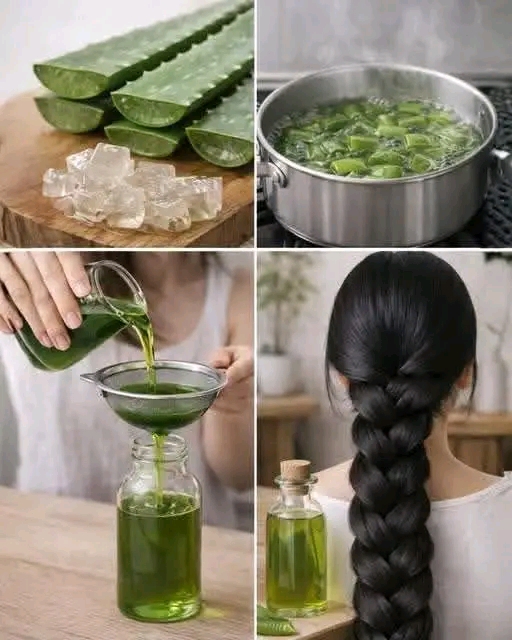
How to Make Aloe Vera Hair Oil at Home: The Complete Natural Guide for Long, Strong, and Shiny Hair
In a world flooded with chemical-laden hair products promising miracles, more people are turning back to nature’s most powerful remedies. Among these, aloe vera stands out as one of the most effective, versatile, and time-tested ingredients for hair care. Known for its soothing, moisturizing, and healing properties, aloe vera has been used for centuries in traditional medicine across cultures—from ancient Egypt to Ayurvedic practices in India and folk remedies in North Africa.
This comprehensive guide will walk you through everything you need to know about making your own aloe vera hair oil at home. Whether you struggle with hair fall, dryness, dandruff, slow growth, or simply want thicker, shinier, and healthier hair, this natural DIY method can become your new go-to ritual.
Understanding Aloe Vera: Nature’s Hair Superfood
Aloe vera, scientifically known as Aloe barbadensis miller, is a succulent plant that stores water in its thick, fleshy leaves. The clear gel inside these leaves is packed with over 75 active compounds, including vitamins, minerals, enzymes, amino acids, and antioxidants.
Key nutrients in aloe vera that benefit hair include:
- Vitamins: A, C, E, and B-complex vitamins (especially B12 and folic acid) that nourish the scalp and promote hair follicle health.
- Minerals: Zinc, magnesium, copper, and manganese that strengthen hair strands and support keratin production.
- Enzymes: Such as bradykinase, which reduce inflammation and soothe irritated scalps.
- Amino acids: Essential building blocks for hair protein (keratin).
- Polysaccharides and lignin: These help the gel penetrate deeply into the hair shaft, delivering moisture and nutrients where they are needed most.
- Anthraquinones and saponins: Natural antimicrobial and antifungal agents that fight scalp infections and dandruff.
Unlike many commercial hair oils that sit on the surface of the hair, aloe vera’s unique composition allows it to hydrate from within while balancing the scalp’s pH. Its gel-like consistency also makes it an excellent carrier for infusing other beneficial oils and herbs, creating a powerful homemade hair treatment.
Why Combine Aloe Vera with Oil? The Science Explained
Pure aloe vera gel is fantastic for hair, but it has one limitation: it is water-based. Hair strands are naturally hydrophobic (they repel water), so water-based treatments often don’t penetrate deeply or last long. By infusing aloe vera into a carrier oil, you create a product that combines the best of both worlds:
- Deep Moisturization: The oil helps lock in the moisture and nutrients from the aloe vera.
- Better Absorption: Oil-soluble compounds mix better with the hair’s natural sebum.
- Longer Shelf Life: Properly prepared and stored aloe vera oil can last several months, unlike fresh gel which spoils quickly.
- Enhanced Benefits: You can add other nourishing oils (coconut, olive, castor, jojoba) and herbs (fenugreek, hibiscus, amla) to target specific hair concerns.
This infusion method—gently heating aloe vera pieces in oil—extracts the beneficial compounds without destroying heat-sensitive nutrients when done carefully at low temperatures.
Benefits of Homemade Aloe Vera Hair Oil
Regular use of aloe vera hair oil can deliver impressive results. Here’s what you can expect:
1. Reduced Hair Fall and Thicker Hair
Aloe vera strengthens hair roots by improving scalp circulation and providing essential nutrients. Its enzymes help remove dead skin cells that can clog follicles, reducing hair fall. Many users report noticeably less shedding after 4–6 weeks of consistent use.
2. Promotes Faster Hair Growth
The combination of vitamins, minerals, and proteolytic enzymes in aloe vera stimulates dormant hair follicles. When massaged into the scalp, it increases blood flow, delivering more oxygen and nutrients to the roots.
3. Deep Conditioning and Shine
The moisturizing properties repair dry, damaged hair, reduce frizz, and add natural luster. It works especially well for chemically treated or heat-styled hair.
4. Fights Dandruff and Scalp Issues
Its antifungal and antibacterial properties help control Malassezia fungus (the main cause of dandruff). It soothes itchiness, reduces flaking, and maintains a healthy scalp environment.
5. Soothes Irritated Scalp
If you suffer from psoriasis, eczema, or general scalp sensitivity, aloe vera’s cooling and anti-inflammatory effects provide quick relief.
6. Prevents Split Ends and Breakage
By sealing the hair cuticle, aloe vera oil minimizes breakage and split ends, leading to longer, healthier hair over time.
7. Natural Detangling and Softness
It makes hair more manageable, reducing tangles and making combing easier, especially for curly or wavy hair types.
8. Balances Oily and Dry Scalp
Aloe vera regulates sebum production, making it suitable for both oily and dry scalps.
Ingredients Needed for Homemade Aloe Vera Hair Oil
To make approximately 200–250 ml of aloe vera hair oil, you will need:
- Fresh aloe vera leaves: 4–6 large, mature leaves (the thicker and fleshier, the better)
- Carrier oil of your choice: 500 ml (coconut oil, olive oil, or a blend work best)
- Optional add-ins for enhanced benefits:
- 2–3 tablespoons fenugreek (methi) seeds
- A handful of hibiscus flowers or leaves
- 1 tablespoon amla powder or dried amla pieces
- A few drops of essential oils (rosemary, lavender, tea tree, or peppermint) for fragrance and extra benefits
- Cheesecloth or fine mesh strainer
- Glass jars for storage (dark-colored or amber glass is ideal to protect from light)
Choosing the right carrier oil:
- Coconut oil: Antifungal, penetrates hair shaft deeply, great for all hair types.
- Olive oil: Rich in antioxidants, excellent for dry and damaged hair.
- Castor oil: Thick and rich, promotes growth but can be heavy—use in blend.
- Jojoba oil: Closest to natural sebum, non-greasy, good for oily scalps.
Step-by-Step Guide: How to Make Aloe Vera Hair Oil at Home
Follow these detailed steps carefully for best results. The process involves four main stages: preparing the aloe vera, infusing it into the oil, straining, and storing.
Step 1: Harvesting and Preparing Fresh Aloe Vera
Choose mature aloe vera plants that are at least 3–4 years old for maximum potency. The outer leaves are usually the most mature and contain the highest concentration of beneficial compounds.
- Cut 4–6 large leaves from the base of the plant using a clean, sharp knife. Avoid damaging the center of the plant.
- Place the leaves upright in a bowl or sink for 10–15 minutes. This allows the yellow latex (aloin) to drain out. Aloin can be irritating to the skin and scalp, so this step is important.
- Rinse the leaves thoroughly under running water.
- Using a sharp knife, carefully slice off the thorny edges on both sides of each leaf.
- With the flat side down, cut the leaf lengthwise to open it like a book.
- Scoop out the clear, gel-like inner pulp using a spoon or knife. Avoid including the green outer skin, as it may contain more aloin.
- Chop the gel into small 1–2 cm pieces. You should have about 200–300 grams of fresh aloe vera gel pieces.
Pro Tip: If you cannot find fresh aloe vera, you can use store-bought 99% pure aloe vera gel, but fresh is always more potent and free from preservatives.
Step 2: Infusing Aloe Vera into the Carrier Oil
This is the heart of the process—the gentle heating method that extracts the goodness from the aloe vera into the oil.
- In a heavy-bottomed stainless steel pan, add 500 ml of your chosen carrier oil (or blend).
- Add the chopped aloe vera pieces to the oil. If using optional herbs like fenugreek seeds or hibiscus, add them now.
- Place the pan on very low heat. The key is to warm the mixture gently without letting it boil vigorously.
- Stir occasionally with a wooden spoon. You will notice small bubbles forming around the aloe vera pieces after 10–15 minutes.
- Continue heating on low flame for 20–30 minutes. The oil will gradually take on a greenish tint as the aloe vera compounds infuse. Do not exceed 40–45 minutes to preserve heat-sensitive vitamins.
- The mixture should be warm but not smoking. If it starts to bubble too much, remove from heat immediately.
Alternative Cold Infusion Method (for those who prefer no heat):
Mix the aloe vera gel pieces with the oil in a glass jar and place it in a sunny window for 7–10 days, shaking daily. This method takes longer but preserves more delicate nutrients.
Step 3: Straining the Oil
Once the infusion is complete, allow the mixture to cool slightly (still warm but safe to handle).
- Place a fine mesh strainer or cheesecloth over a clean glass bowl.
- Pour the warm oil mixture through the strainer slowly. Press gently on the aloe vera solids with the back of a spoon to extract as much oil as possible.
- For an even clearer oil, strain a second time through a finer cloth or coffee filter.
- If you added essential oils, stir them in now (5–10 drops total).
You should now have a beautiful greenish-golden aloe vera infused oil with a subtle herbal scent.
Step 4: Bottling and Storing
- Pour the strained oil into clean, dry glass bottles. Amber or dark glass bottles are best as they protect the oil from light degradation.
- Seal tightly with a cork or screw cap.
- Label the bottle with the date of preparation and ingredients used.
- Store in a cool, dark place away from direct sunlight. Properly made and stored, this oil can last 3–6 months at room temperature or up to 12 months in the refrigerator.
Shelf Life Tip: Always use clean, dry utensils when handling the oil to prevent contamination. If you notice any off smell, cloudiness, or mold, discard immediately.
How to Use Aloe Vera Hair Oil for Best Results
Consistency is key. Here’s how to incorporate it into your hair care routine:
Basic Application Method (Hot Oil Treatment)
- Warm a small amount of the oil (2–4 tablespoons depending on hair length) by placing the bottle in a bowl of warm water. Never microwave.
- Section your dry hair and apply the oil directly to the scalp using your fingertips. Massage gently in circular motions for 5–10 minutes. This stimulates blood flow.
- Work the remaining oil through the lengths and ends of your hair.
- Cover with a shower cap or warm towel to create heat, which helps deeper penetration.
- Leave on for at least 1 hour (or overnight for intensive treatment).
- Wash off with a mild, sulfate-free shampoo. You may need to shampoo twice to remove all the oil.
- Follow with a conditioner if desired.
Frequency:
- For hair fall and growth: 2–3 times per week
- For maintenance and shine: Once a week
- For dry/damaged hair: 3–4 times per week
Other Creative Ways to Use It
- Pre-shampoo Treatment: Apply 30 minutes before washing.
- Leave-in Serum: Use a few drops on damp hair ends for frizz control and shine (dilute with a lighter oil if too heavy).
- Scalp Serum: Apply directly to scalp overnight 2–3 times a week for dandruff control.
- Hair Mask Booster: Mix with yogurt, honey, or banana for a richer mask.
- Edge Control: Dab a tiny amount on baby hairs or edges for smooth styling.
Personalized Variations for Different Hair Concerns
For Severe Hair Fall and Thinning
Add 2 tablespoons castor oil + 1 tablespoon fenugreek seeds + a pinch of black pepper powder during infusion. Massage vigorously.
For Dry, Frizzy, or Chemically Damaged Hair
Use coconut + olive oil blend. Add a few drops of argan or jojoba oil after straining. Include hibiscus for extra conditioning.
For Dandruff and Itchy Scalp
Infuse with neem leaves or tea tree essential oil. Use more frequently on the scalp only.
For Oily Scalp and Fine Hair
Use lighter oils like jojoba or grapeseed as the base. Add peppermint or rosemary essential oil for a refreshing feel. Apply mainly to lengths, less on scalp.
For Color-Treated or Bleached Hair
Add vitamin E oil (from capsules) after straining. This helps protect color and repair damage.
Ayurvedic-Style Variation
Include amla, brahmi, bhringraj, and hibiscus for traditional Indian hair growth benefits.
Expected Results and Timeline
Results vary based on hair type, diet, lifestyle, and consistency of use. Here’s a general timeline reported by many users:
- Week 1–2: Reduced dryness, softer hair, less tangling, scalp feels calmer.
- Week 3–4: Noticeably less hair fall, improved shine, easier manageability.
- Month 2–3: New baby hair growth along the hairline, thicker texture, reduced dandruff.
- Month 4–6: Significant improvement in length retention, stronger strands, overall healthier appearance.
Combine with a balanced diet rich in protein, iron, biotin, and omega-3s for faster and better results. Stay hydrated and manage stress levels, as these greatly impact hair health.
Precautions and Safety Tips
While aloe vera is generally safe, keep these points in mind:
- Always do a patch test: Apply a small amount behind the ear or on the inner arm and wait 24 hours to check for allergic reactions.
- Some people are sensitive to aloin. If irritation occurs, dilute further or use less frequently.
- Pregnant or breastfeeding women should consult a doctor before using any new herbal treatment.
- Do not use if you have open wounds on the scalp.
- Avoid getting the oil in your eyes.
- If using fresh aloe vera, ensure the plant has not been treated with chemical pesticides.
- People with latex allergy should be cautious, as aloe vera is related to the lily family.
Children can use it, but in smaller amounts and under adult supervision. Always dilute for sensitive skin.
Common Mistakes to Avoid When Making Aloe Vera Hair Oil
- Using too high heat— this destroys beneficial enzymes and vitamins.
- Not draining the aloin properly—leads to irritation.
- Using wet utensils or bottles—causes spoilage.
- Overloading with too many ingredients—can make the oil too heavy or ineffective.
- Expecting overnight miracles—natural remedies work gradually.
- Storing in plastic or clear glass exposed to light.
Real Stories: What People Say About Aloe Vera Hair Oil
Many women and men across different ages and hair types have shared transformative experiences with homemade aloe vera oil.
One user with postpartum hair loss reported that after using the oil twice weekly for two months, her shedding reduced by almost 70% and she could see new growth filling in her thinning areas.
Another with chronic dandruff said that commercial anti-dandruff shampoos only provided temporary relief, but consistent use of aloe vera oil cleared the flakes within three weeks and kept the scalp balanced.
A person with very dry, brittle hair from frequent coloring mentioned that their hair felt softer and more elastic after the first treatment, with split ends visibly reduced after a month.
These anecdotal results highlight the power of consistent, natural care over quick chemical fixes.
Integrating Aloe Vera Hair Oil into Your Overall Hair Care Routine
For maximum benefits, combine the oil treatment with good habits:
- Wash hair with lukewarm water only—hot water strips natural oils.
- Use a wide-tooth comb or fingers to detangle.
- Trim ends every 8–10 weeks to prevent split ends from traveling up.
- Protect hair from sun, pollution, and chlorine with a scarf or hat.
- Eat hair-healthy foods: eggs, nuts, spinach, berries, fatty fish.
- Avoid excessive heat styling and tight hairstyles that cause traction alopecia.
You can also make a simple aloe vera rinse by mixing fresh gel with water and using it as a final rinse after shampooing for extra shine.
Frequently Asked Questions (FAQs)
Q: Can I use bottled aloe vera gel instead of fresh?
A: Yes, but choose 99–100% pure gel without added colors, fragrances, or alcohol. Fresh is preferable for potency.
Q: How long does the oil last?
A: 3–6 months at room temperature if stored properly. Refrigerate for longer shelf life.
Q: Will it make my hair greasy?
A: If applied correctly and washed properly, it shouldn’t. Start with smaller amounts and focus more on the scalp.
Q: Can men use it too?
A: Absolutely. It works the same for all genders and helps with beard growth and scalp health as well.
Q: Is it suitable for curly hair?
A: Yes, many with curly and coily hair love it for moisture retention and definition.
Q: Can I add onion juice or garlic?
A: Yes, but they have strong smells. Infuse carefully and use essential oils to mask the odor if needed.
Conclusion: Embrace Nature’s Gift for Beautiful Hair
Making your own aloe vera hair oil is more than just a DIY project—it’s a return to simple, effective, and holistic hair care. With just a few fresh aloe vera leaves and quality carrier oil, you can create a powerful treatment that nourishes your hair from root to tip without harsh chemicals or expensive salon visits.
The process is straightforward, the ingredients are accessible, and the results, while gradual, are often profound and long-lasting. Whether you have straight, wavy, curly, or coily hair, this natural oil can address multiple concerns simultaneously: growth, strength, moisture, shine, and scalp health.
Start small, be consistent, and listen to your hair’s needs. Over time, you may find that this humble succulent becomes your hair’s best friend. Share your own aloe vera hair oil journey in the comments below—your experience might inspire someone else to take the natural path.
Remember, true hair beauty comes from inside out. Combine this external care with healthy nutrition, gentle handling, and patience, and you will be amazed at the transformation.
Your hair deserves the best—and nature has already provided it in the form of aloe vera.