Add This to Your Water? The Truth About Baking Soda and Blood Circulation
Why Your Blood Circulation Will Not Suddenly “Feel Like You’re in Your 20s”
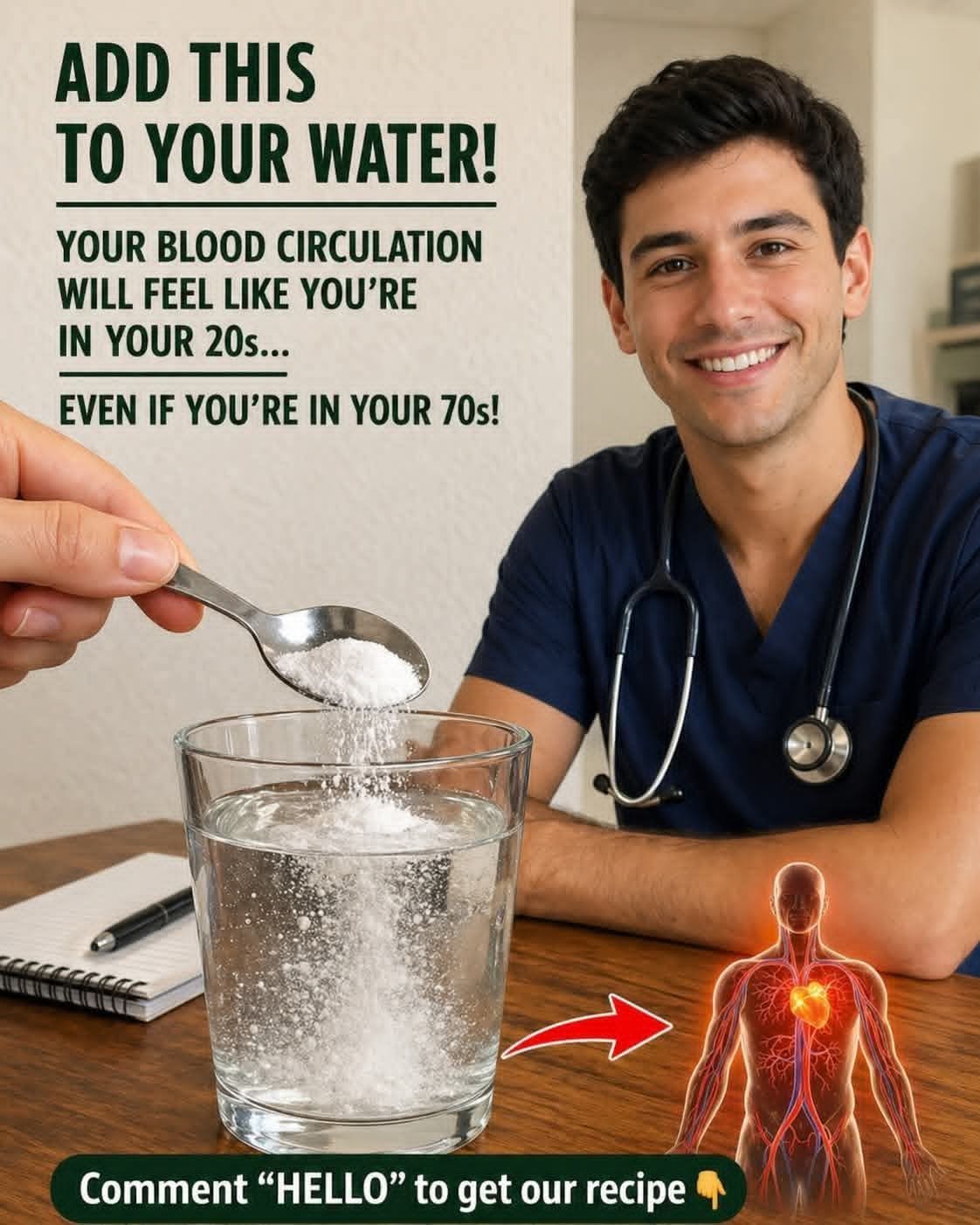
Social media health posts often make a simple promise: add a spoonful of a common kitchen ingredient to water, drink it, and your blood circulation will suddenly improve dramatically. The image above suggests that adding baking soda to water can make circulation feel decades younger.
It is an attractive idea. Baking soda is inexpensive, easy to find, and already sitting in many kitchen cupboards. But does adding baking soda to water really improve blood circulation, “clean” the blood, unclog arteries, or make the cardiovascular system younger?
The honest answer is no—not in the way these viral claims suggest.
Baking soda, also called sodium bicarbonate, does have legitimate medical uses. However, there is no good evidence that routinely drinking baking soda water reverses aging, removes arterial plaque, or restores blood circulation to the level of someone decades younger. Because it contains a significant amount of sodium, using it carelessly can also create problems for some people.
The good news is that circulation can often be supported and improved through real, evidence-based habits. Regular physical activity, not smoking, managing blood pressure, controlling cholesterol and blood sugar, eating a heart-healthy diet, and receiving proper medical care when circulation problems are present can make a meaningful difference.
This article explores what blood circulation really means, what baking soda actually does in the body, why the viral claim is misleading, and what you can realistically do to support healthier blood vessels at any age.
What Is Blood Circulation?
Your circulatory system is one of the most important systems in the human body. Every minute of every day, your heart pumps blood through an extraordinary network of arteries, veins, and tiny blood vessels called capillaries.
Blood circulation performs many essential functions, including:
- Delivering oxygen to tissues
- Transporting nutrients
- Removing carbon dioxide and other waste products
- Carrying hormones and chemical signals
- Helping regulate body temperature
- Supporting immune function
- Maintaining the health of organs, muscles, and the brain
When people say they have “poor circulation,” they may mean many different things. Some are describing cold hands or feet. Others experience leg pain while walking, swelling, numbness, tingling, or fatigue.
In some cases, circulation problems may be related to peripheral artery disease (PAD), a condition in which blood flow to the limbs is reduced. PAD can be associated with diabetes, smoking, high blood pressure, high cholesterol, kidney disease, and other cardiovascular risk factors.
That is why a viral “one ingredient” solution should never replace proper medical evaluation.
The Viral Claim: Add Baking Soda to Water
Baking soda is a white alkaline powder chemically known as sodium bicarbonate. It is commonly used in baking, cleaning, and certain medications.
When mixed with an acidic substance, baking soda reacts and produces carbon dioxide gas. This familiar chemical reaction is one reason it helps baked goods rise.
Inside the body, sodium bicarbonate can also influence acid-base balance. For example, healthcare professionals may use sodium bicarbonate in specific medical situations. It is also an ingredient in some antacid products.
However, this does not mean that a spoonful of baking soda in water will:
- Unclog arteries
- Dissolve cholesterol plaque
- Remove blood clots
- “Clean” the blood
- Reverse vascular aging
- Cure poor circulation
- Prevent heart attacks
- Treat peripheral artery disease
- Make the cardiovascular system function like that of a person in their 20s
These are major medical claims, and baking soda water should not be promoted as a proven treatment for them.
What Does Baking Soda Actually Do?
Sodium bicarbonate is best understood by looking at its chemistry and medical uses.
The human body carefully regulates its acid-base balance. Blood pH is normally kept within a narrow range through complex systems involving the lungs, kidneys, and chemical buffers.
Under specific circumstances, healthcare professionals may use sodium bicarbonate to address particular acid-base problems. It is also used as an antacid to neutralize stomach acid.
But an important distinction must be made:
A substance that changes acidity in the stomach is not automatically a circulation remedy.
Baking soda is not a blood-vessel “cleaner.” Your arteries are not pipes that can simply be flushed with an alkaline drink.
The body is far more complex than that.
Blood vessel health depends on many factors, including:
- Blood pressure
- Cholesterol levels
- Blood sugar
- Smoking exposure
- Physical activity
- Genetics
- Inflammation
- Kidney function
- Body weight
- Diet
- Age
- Existing medical conditions
No single glass of water can erase all of these influences.
Does Baking Soda Improve Blood Flow?
At present, there is no strong basis for claiming that drinking baking soda water regularly will dramatically improve blood circulation in healthy people or reverse established circulation problems.
People may occasionally report feeling better after drinking a homemade beverage, but personal experience does not prove that circulation has improved. A person may feel temporarily different because of hydration, relief from indigestion, expectations, changes in diet, or unrelated factors.
To understand why the claim is misleading, imagine someone who begins drinking baking soda water while also:
- Walking every day
- Drinking more plain water
- Eating more vegetables
- Sleeping better
- Reducing alcohol
- Losing weight
- Quitting smoking
If their health improves, the baking soda may receive the credit even though the lifestyle changes were responsible for much of the benefit.
This is why controlled research is important.
Why the “20 Years Younger” Claim Is Especially Misleading
Your chronological age is determined by the passage of time. Your cardiovascular health can certainly be better or worse than that of another person the same age, but no drink can literally turn a 70-year-old circulatory system into that of a healthy 20-year-old.
The good news is more realistic and more encouraging.
You are not helpless against age-related cardiovascular changes.
Healthy habits can improve:
- Physical fitness
- Walking ability
- Blood pressure
- Blood sugar control
- Cholesterol levels
- Heart function
- Blood vessel health
- Endurance
- Muscle strength
- Overall cardiovascular risk
People can become fitter and more active at older ages. Someone in their 60s or 70s may improve their functional capacity substantially through appropriate exercise and lifestyle changes.
That message is much more powerful than a miracle-drink promise because it is based on changes you can realistically maintain.
The Sodium Problem
One of the biggest concerns with casually drinking baking soda water is often overlooked:
Baking soda contains sodium.
Sodium is an essential nutrient, but excessive sodium intake can be a concern for people who have been advised to follow a sodium-restricted diet or who have conditions such as high blood pressure, heart failure, or kidney disease.
MedlinePlus specifically advises people to tell their healthcare provider if they have had high blood pressure, congestive heart failure, or kidney disease before using sodium bicarbonate. It also warns that sodium bicarbonate increases the amount of sodium in the body and can interact with other medications.
The NHS also warns that some sodium-containing antacids may be unsuitable for people who need to control their sodium intake, including some people with high blood pressure, heart failure, kidney disease, or other conditions.
For that reason, turning baking soda water into a daily “circulation drink” is not automatically harmless.
Who Should Be Especially Careful?
Do not begin regularly consuming sodium bicarbonate as a health remedy without discussing it with a qualified healthcare professional if you have conditions such as:
- High blood pressure
- Heart failure
- Kidney disease
- Significant swelling or fluid retention
- A medically prescribed low-sodium diet
- Certain digestive or acid-base disorders
You should also be careful if you take prescription medications. Sodium bicarbonate can affect how some medicines are absorbed or used, and antacids may need to be separated from certain medications.
This is especially important because “natural” or “kitchen remedy” does not mean risk-free.
Possible Problems With Too Much Baking Soda
Using excessive amounts of sodium bicarbonate can cause health problems.
Potential symptoms and complications may include:
- Increased thirst
- Stomach cramps
- Gas and bloating
- Nausea
- Vomiting
- Weakness
- Swelling
- Sodium-related problems
- Changes in the body’s acid-base balance
Severe symptoms require medical attention.
Another problem is that people sometimes assume more is better.
It is not.
A person should never repeatedly increase the amount of baking soda in a drink because a viral post claimed that a larger amount will produce faster results.
Real Ways to Support Healthy Circulation
Now for the positive part.
If your goal is to support blood flow and cardiovascular health, there are strategies with far more scientific support than adding baking soda to water.
1. Walk Regularly
Walking is one of the simplest activities for supporting cardiovascular health.
You do not need an expensive gym membership to begin. A regular walking routine can help you become less sedentary and improve overall fitness.
For people with diagnosed peripheral artery disease, structured exercise programs can be particularly important. The American Heart Association notes that walking and supervised or structured exercise can help improve symptoms and walking ability.
If you are new to exercise, start gradually.
For example:
- Begin with a comfortable pace
- Walk for a manageable amount of time
- Increase duration gradually
- Include rest when necessary
- Choose safe footwear and walking surfaces
People with chest pain, severe shortness of breath, dizziness, severe leg symptoms, or known cardiovascular disease should seek medical guidance about the safest exercise plan.
2. Do Not Smoke
Smoking is one of the most important risk factors for vascular disease.
Tobacco damages the cardiovascular system and increases the risk of serious disease. Quitting smoking can benefit blood vessel health and overall cardiovascular risk.
The American Heart Association identifies smoking as a major risk factor for peripheral artery disease and emphasizes tobacco cessation as part of prevention and treatment.
If quitting feels difficult, remember that needing help is normal.
Effective support may include:
- Counseling
- Behavioral support
- Smoking cessation programs
- Appropriate medications
- Nicotine replacement when medically suitable
A single “detox drink” cannot cancel the effects of smoking. Stopping tobacco exposure is a far more meaningful investment in circulation.
3. Manage Blood Pressure
High blood pressure can damage blood vessels over time.
Unfortunately, many people do not feel high blood pressure, which is why regular screening matters.
Depending on the individual, management may involve:
- Regular physical activity
- Dietary improvements
- Sodium reduction when recommended
- Weight management
- Better sleep
- Stress management
- Medication when prescribed
This is another reason baking soda water is not automatically appropriate for everyone. Adding extra sodium to the diet may conflict with medical advice in some situations.
4. Keep Blood Sugar Under Control
Chronically elevated blood sugar can damage blood vessels and nerves over time.
For people with diabetes, cardiovascular health depends heavily on managing blood sugar alongside other risk factors such as blood pressure, cholesterol, physical activity, and smoking.
The American Heart Association notes that diabetes and high blood sugar can damage blood vessels and contribute to cardiovascular complications, while regular physical activity can support blood sugar management.
5. Pay Attention to Cholesterol
Cholesterol itself is not something you can simply “wash away” with a drink.
Blood cholesterol and atherosclerosis are complex medical issues influenced by genetics, diet, metabolism, and other factors.
For some people, lifestyle changes are enough to improve cholesterol levels. For others, medication is necessary.
A heart-healthy eating pattern generally emphasizes foods such as:
- Vegetables
- Fruits
- Whole grains
- Legumes
- Nuts
- Seeds
- Fish
- Other appropriate sources of protein
- Unsaturated fats
The best plan depends on the individual.
6. Avoid Sitting for Too Long
Movement matters throughout the day.
Even if you exercise in the morning, spending the entire remainder of the day sitting can still contribute to an inactive lifestyle.
Try adding more movement naturally:
- Walk while talking on the phone
- Take short walking breaks
- Use stairs when appropriate
- Stretch after long periods of sitting
- Park slightly farther away when practical
- Do light household activity
You do not need to become an athlete overnight.
The goal is to make movement a regular part of life.
7. Stay Properly Hydrated
This may be one reason people associate water-based drinks with “better circulation.”
Hydration is important for normal body function. However, there is a difference between drinking enough fluid and believing that a special powder added to water will repair diseased arteries.
For most people, plain water is an excellent choice.
Fluid requirements vary according to:
- Climate
- Physical activity
- Diet
- Body size
- Pregnancy
- Illness
- Kidney and heart conditions
- Certain medications
People who have been given specific fluid restrictions by their healthcare professionals should follow that individualized advice.
8. Eat for Your Blood Vessels
A circulation-friendly eating pattern does not require exotic ingredients.
Think in terms of consistency.
Try to include more:
- Leafy vegetables
- Colorful vegetables
- Fresh or frozen fruit
- Beans and lentils
- Whole grains
- Nuts and seeds in appropriate portions
- Fish and other nutritious protein sources
At the same time, consider reducing heavily processed foods that are often high in sodium, unhealthy fats, and added sugars.
The American Heart Association recommends dietary patterns emphasizing vegetables, fruits, whole grains, legumes, nuts, seeds, and healthier fats for cardiovascular and PAD risk management.
9. Sleep Well
Sleep is not simply “doing nothing.”
Your body uses sleep for important biological processes, and consistently poor sleep can make it harder to maintain healthy habits.
A better routine may include:
- Going to bed at a regular time
- Reducing excessive screen exposure before sleep
- Avoiding large meals immediately before bed when they disturb sleep
- Keeping the bedroom comfortable
- Exercising regularly
- Seeking help for persistent sleep problems
You do not need to achieve perfect sleep every night. The goal is consistency.
Signs You Should Not Ignore
Do not assume that serious circulation symptoms can be treated at home with a drink.
Seek medical evaluation for symptoms such as:
- Leg pain or cramping that repeatedly occurs during walking
- New or worsening numbness
- Unusual weakness
- A foot or leg that is unusually cold
- Sores that do not heal
- Significant color changes in the skin
- Sudden severe pain
- Sudden loss of sensation
Symptoms of peripheral artery disease can include pain, fatigue, cramping, or discomfort in the legs or other lower-body areas during walking or exercise. PAD may also occur without obvious symptoms.
Emergency symptoms such as sudden weakness on one side of the body, difficulty speaking, severe chest pain, or sudden severe shortness of breath require urgent medical attention.
A Better “Circulation Challenge” for 30 Days
Instead of adding large amounts of baking soda to water, try a safer lifestyle challenge.
For 30 days:
Day 1 to Day 30
Walk regularly.
Choose a level appropriate for your health and gradually increase your activity.
Move more during the day.
Avoid staying seated for long periods when possible.
Drink enough fluid.
Choose plain water as a regular beverage unless you have individualized fluid instructions.
Eat more whole foods.
Add vegetables, fruit, legumes, and whole grains.
Reduce heavily processed foods.
This can help reduce unnecessary sodium intake.
Do not smoke.
If you smoke, use the month as an opportunity to begin a quit plan.
Monitor important health numbers.
Blood pressure, blood sugar, and cholesterol matter.
Take prescribed medications correctly.
Do not stop or replace them with viral remedies without medical advice.
After a month, you may notice improvements in energy, fitness, walking ability, or daily habits.
That may not sound as dramatic as “one spoonful makes you 20 years younger.”
But it is far more believable—and potentially much more valuable.
Frequently Asked Questions
Can baking soda clean the blood?
No. The body already has sophisticated systems for filtering and maintaining the composition of the blood. The kidneys, liver, lungs, and other organs play important roles.
Baking soda water is not a blood-cleaning treatment.
Can baking soda unclog arteries?
No evidence supports the idea that drinking baking soda dissolves or flushes away arterial plaque.
Arterial disease should be assessed and treated according to the underlying problem.
Can I drink baking soda water every day?
Do not assume that daily use is safe or appropriate simply because baking soda is available in the kitchen. Sodium bicarbonate adds sodium and can interact with medications or be unsuitable for people with certain medical conditions. Ask a healthcare professional if you are considering regular use.
What is the best drink for circulation?
There is no single miracle drink.
For most people, plain water can be an excellent everyday choice. Overall circulation is influenced much more by physical activity, diet, smoking status, blood pressure, cholesterol, blood sugar, and medical care than by a single beverage.
Can an older person improve circulation?
Yes, many aspects of cardiovascular and physical health can improve with appropriate lifestyle changes and medical treatment.
Age does not mean that improvement is impossible.
Walking, strength training, smoking cessation, better nutrition, and management of cardiovascular risk factors can support health at many stages of life.
The Bottom Line
The message in the viral image is powerful:
Add this to your water, and your blood circulation will feel like you are in your 20s.
Unfortunately, the evidence does not support that promise.
Baking soda has legitimate uses, but it is not a proven miracle remedy for poor circulation. It does not clean the blood, unclog arteries, reverse vascular aging, or automatically make your cardiovascular system decades younger.
More importantly, excessive or inappropriate use may be harmful because sodium bicarbonate contains sodium and may be unsuitable for people with certain conditions or medications.
The most effective approach is less glamorous but more dependable:
- Move your body regularly
- Walk when you can
- Do not smoke
- Eat a heart-healthy diet
- Manage blood pressure
- Control blood sugar
- Address cholesterol
- Follow prescribed medical treatment
- Get symptoms checked instead of hiding them with home remedies
Your circulatory system is incredibly valuable. It deserves more than a viral shortcut.
A healthy lifestyle may not literally make you 20 years old again—but it can help you protect the years ahead, improve physical function, and support your heart and blood vessels at every age.
**And when a social media post promises that one inexpensive ingredient can dramatically reverse a complex health problem, it is always wise to pause, ask questions, and look at the evidence before taking the first sip.**