Fig Leaves: The Hidden Treasure in Your Garden — Uses, Benefits, Fig Leaf Tea Recipe, Nutrition, Safety, and More
Introduction
Fig trees are famous for their sweet, soft fruit, but there is another part of the tree that deserves attention: the fig leaf. Large, green, beautifully shaped and naturally aromatic, fig leaves have been used in traditional food cultures for generations. They can be used as a wrapping ingredient, infused into beverages, incorporated into cooking, and explored as part of traditional herbal practices.
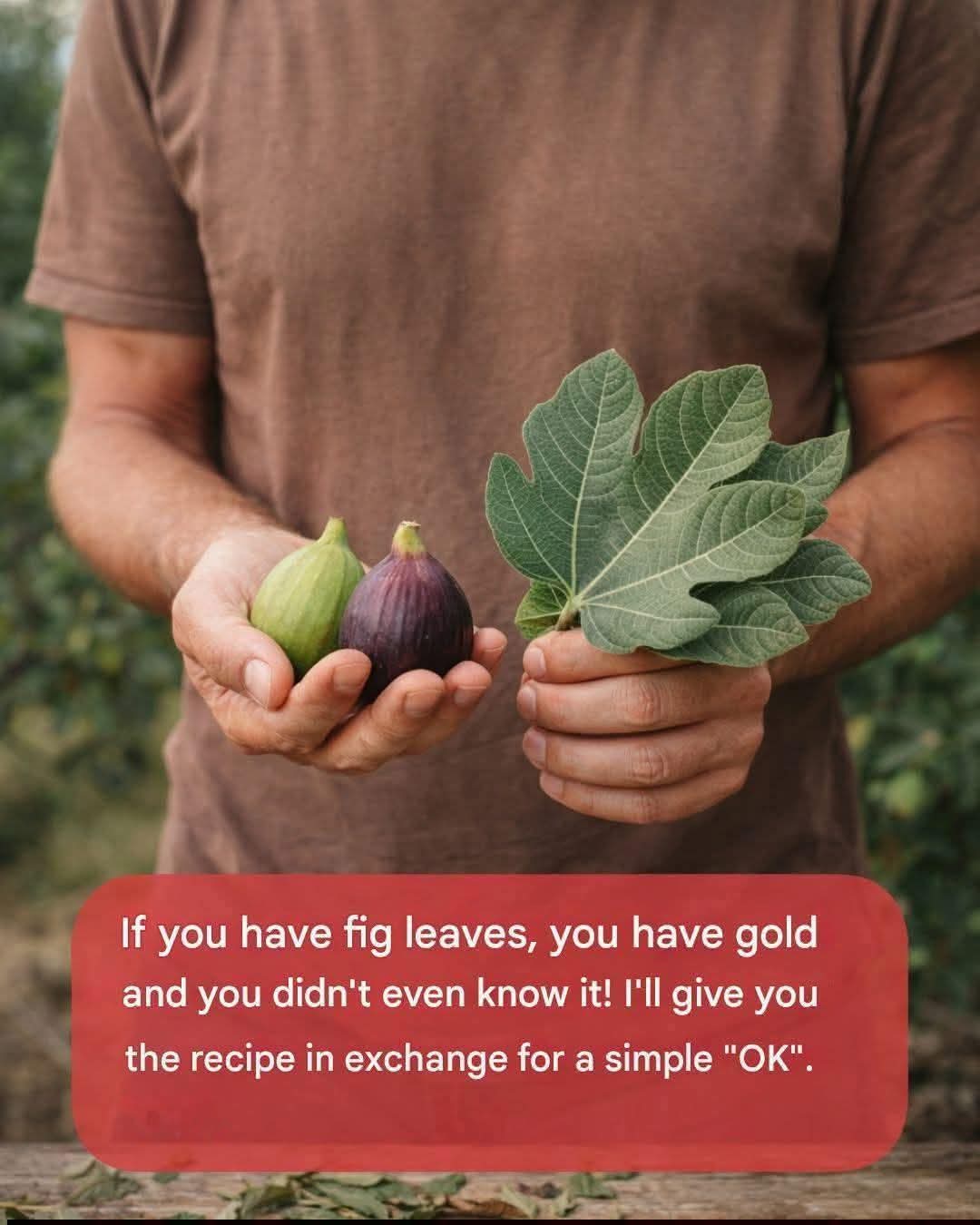
An image circulating online says, “If you have fig leaves, you have gold and you didn’t even know it.” While that phrase is certainly catchy, it is important to separate traditional uses from scientifically established medical claims. Fig leaves are interesting and potentially useful, but they should not be described as a miracle cure or as a replacement for medical treatment.
One of the easiest ways to explore fig leaves is by preparing a simple fig leaf infusion. The leaves have a distinctive herbal, slightly coconut-like and green aroma when heated. Some people enjoy the drink as a caffeine-free herbal beverage.
This article explores what fig leaves are, their traditional uses, possible nutritional and antioxidant properties, how to make fig leaf tea, how to use fresh leaves in cooking, how to select and prepare them, and what safety precautions are worth knowing.
What Are Fig Leaves?
Fig leaves grow on the common fig tree, botanically known as Ficus carica. The tree is believed to have originated in regions around the Mediterranean and western Asia and has been cultivated for thousands of years.
The leaves are usually large and deeply lobed. Depending on the variety and growing conditions, they can vary considerably in shape and size.
Most people recognize figs because of their fruit, but the leaves have their own culinary characteristics. When fresh, they have a green, earthy aroma. When heated, their fragrance can become more pronounced and sometimes develops sweet, nutty or coconut-like notes.
This makes fig leaves interesting not only for traditional herbal preparations but also for creative cooking.
Why Are Fig Leaves Called “Gold”?
The word “gold” in viral social media posts is usually figurative rather than literal.
Fig leaves can be valuable in the kitchen because they are versatile and often freely available to people who grow fig trees. Instead of throwing away healthy leaves after harvesting figs, cooks can experiment with them in several ways.
Traditionally and creatively, fig leaves can be:
- Used as food wrappers
- Added to herbal infusions
- Used to flavor syrups
- Incorporated into sauces
- Used to perfume desserts
- Added to grilled or roasted dishes
- Used to create flavored oils
- Dried for later culinary use
However, claims that fig leaves can “cure” diabetes, clean the blood, dissolve fat, eliminate disease, or replace medication should not be treated as established facts.
Potential Benefits of Fig Leaves
Research into fig leaves and fig-leaf extracts has explored various biological properties, including antioxidant activity and possible effects on glucose and lipid metabolism. Much of this research involves laboratory studies, animals, or concentrated extracts rather than ordinary homemade tea.
That distinction matters.
Drinking a mild fig-leaf infusion is not equivalent to taking a concentrated research extract, and promising laboratory findings do not automatically mean that the same effect occurs in humans.
Nevertheless, fig leaves contain naturally occurring plant compounds that make them an interesting ingredient.
- They Contain Plant Compounds
Plants produce numerous compounds that help protect them from environmental stress. Fig leaves contain various phytochemicals, including polyphenolic compounds.
Polyphenols are widely studied because many have antioxidant properties.
A varied diet containing fruits, vegetables, herbs, nuts, seeds and other plant foods can provide many different phytochemicals.
Fig leaves can therefore be viewed as one possible plant ingredient rather than a magical source of health.
- They May Provide Antioxidant Compounds
Oxidative stress is a normal biological process, and the body has its own antioxidant defense systems. Diet also contributes compounds that can participate in antioxidant activity.
Laboratory research has found antioxidant activity in fig leaves and their extracts. However, the antioxidant activity measured in a laboratory test should not be interpreted as proof that drinking fig-leaf tea prevents a particular disease.
A sensible approach is to enjoy fig leaves as part of a varied diet rather than expecting one ingredient to provide extraordinary protection.
- Traditional Interest in Blood Sugar
One of the most common claims made online about fig leaves concerns blood sugar.
Some experimental studies have investigated fig leaves or fig-leaf preparations in relation to glucose metabolism. This has generated interest in their traditional use.
But there is an important difference between research interest and proven treatment.
People with diabetes should not stop insulin, tablets, dietary treatment or glucose monitoring because they have started drinking fig-leaf tea.
If someone with diabetes wants to try fig-leaf preparations regularly, especially alongside medication, discussing it with a doctor or pharmacist is sensible.
- They Can Add Variety to a Plant-Based Diet
A healthy eating pattern is generally built around variety.
Vegetables, fruits, legumes, whole grains, nuts, seeds and herbs can all contribute different nutrients and plant compounds.
Fig leaves are not a replacement for these foods, but they can add culinary variety.
Using edible leaves creatively can also encourage people to make more meals at home and experiment with traditional ingredients.
- They Are Naturally Caffeine-Free
A simple fig-leaf infusion made from water and fresh leaves does not naturally contain caffeine.
That makes it an appealing alternative for people who enjoy warm herbal drinks but want to avoid caffeine.
Of course, the absence of caffeine does not automatically make a beverage suitable for everyone. Individual allergies, medications and health conditions still matter.
How to Make Fig Leaf Tea
One of the simplest preparations is fig-leaf tea or infusion.
Ingredients
- 2 to 3 fresh, healthy fig leaves
- 2 cups of water
- Optional: a small amount of lemon
- Optional: honey or another sweetener
Instructions
Step 1: Choose the Leaves
Select young or moderately mature, healthy-looking fig leaves from a tree that has not been sprayed with pesticides or other chemicals that are unsuitable for consumption.
Avoid leaves that are moldy, heavily damaged, diseased or contaminated.
Step 2: Wash Thoroughly
Rinse the leaves under clean running water.
Gently rub the surfaces to remove dirt, dust and other debris.
Step 3: Cut the Leaves
Remove any particularly tough stems and tear or cut the leaves into smaller pieces.
This increases the surface area exposed to the water.
Step 4: Heat the Water
Bring approximately 2 cups of water to a boil.
Step 5: Add the Leaves
Place the prepared leaves into the hot water.
Reduce the heat and allow them to gently simmer for approximately 5 to 10 minutes.
Step 6: Strain
Remove the leaves and strain the liquid into a cup.
Step 7: Flavor if Desired
You can add a squeeze of lemon or a small amount of honey.
Allow the beverage to cool to a comfortable drinking temperature.
What Does Fig Leaf Tea Taste Like?
Fig leaf tea does not taste exactly like fig fruit.
The fruit is sweet and juicy, whereas the leaves have a greener and more herbal character.
Depending on the variety and preparation method, the infusion may have notes that people describe as:
- Earthy
- Green
- Mildly nutty
- Herbal
- Slightly sweet
- Aromatic
Some people prefer to combine fig leaves with other culinary ingredients such as lemon, mint, ginger or cinnamon for additional flavor.
The best approach is to start with a mild infusion. If the flavor is too strong, simply dilute it with more hot water.
A Refreshing Iced Fig Leaf Drink
Fig leaves can also be used to prepare a refreshing cold beverage.
Ingredients
- 3 fresh fig leaves
- 3 cups water
- Lemon slices
- Ice
- Optional honey
Method
Wash and cut the leaves.
Simmer them in the water for approximately 8 to 10 minutes.
Strain the infusion and allow it to cool.
Add lemon slices and refrigerate.
Serve over ice.
This creates a caffeine-free drink with a distinctive herbal aroma.
Using Fig Leaves in Cooking
Tea is only one possibility.
Fig leaves can be used as aromatic wrappers for food.
Their large size makes them particularly useful for wrapping ingredients before grilling, roasting or steaming.
For example, a cook might use a clean fig leaf to wrap:
- Fish
- Vegetables
- Rice
- Cheese
- Chicken
- Grains
- Stuffed vegetables
The leaf helps create an aromatic environment around the food.
Before using fig leaves for cooking, always make sure they are clean and appropriate for culinary use.
Fig Leaf-Wrapped Fish
Here is a simple culinary idea.
Ingredients
- 2 fish fillets
- 2 clean fig leaves
- 1 tablespoon olive oil
- 1 lemon
- 1 garlic clove, minced
- Salt and pepper
- Fresh herbs
Method
Preheat your oven or grill.
Wash the fig leaves thoroughly.
Brush the fish lightly with olive oil.
Season with garlic, lemon juice, herbs, salt and pepper.
Place each fillet on a fig leaf and wrap it carefully.
Cook until the fish reaches a safe internal temperature and flakes easily.
Open the leaves carefully before serving because steam can escape.
The fig leaf is primarily used here as an aromatic cooking wrapper rather than something that must be eaten.
Fig Leaves and Traditional Food Culture
The fig tree has a remarkable history.
Figs have been cultivated for thousands of years, particularly around Mediterranean and Middle Eastern regions. Because the tree provided fruit, shade and useful plant material, it became deeply connected with traditional food culture.
The leaves were also used in different culinary contexts.
In traditional cooking, plant leaves often serve practical purposes. They can protect food from direct heat, retain moisture, provide fragrance and make presentation more attractive.
Fig leaves fit naturally into this tradition.
Their broad shape makes them particularly useful as natural food wrappers.
Can You Eat Fig Leaves?
Fig leaves can be used in cooking, but people should not assume that every leaf picked from every fig tree is automatically suitable to eat.
Correct identification of the plant is important.
The tree should also be free from pesticides, herbicides, animal waste and other contaminants.
Another consideration is the white or milky sap that can emerge when fig stems or leaves are damaged.
This sap contains compounds that can irritate the skin and may cause reactions in sensitive individuals, especially when combined with sunlight.
For that reason, handling fresh fig leaves should be done carefully.
Fig Leaf Sap and Skin Sensitivity
The sap of fig trees can irritate some people’s skin.
Some individuals may develop redness, burning, itching or blister-like reactions after contact with fig sap, particularly when the exposed skin is subsequently exposed to sunlight.
This is one reason why people harvesting fig leaves should consider wearing gloves and washing their hands afterward.
If you develop a significant skin reaction, stop handling the plant and seek appropriate medical advice.
Do not deliberately apply fig sap to your skin as a home remedy.
Who Should Be Careful With Fig Leaf Preparations?
Natural does not always mean risk-free.
People who are pregnant or breastfeeding, children, individuals with significant medical conditions, and people taking prescription medicines should be particularly cautious about regularly consuming concentrated herbal preparations.
People taking medications that affect blood glucose should be especially careful with products marketed as fig-leaf remedies for blood sugar.
The biggest mistake is assuming that because something is a leaf or herb, it cannot interact with medication.
Fig Leaves and Diabetes: What You Should Know
This is one of the most important sections because social media frequently exaggerates the potential benefits of fig leaves for diabetes.
Fig leaves have attracted scientific interest because experimental research has investigated their effects on glucose-related processes.
But a homemade tea should not be presented as a diabetes treatment.
Diabetes management can require:
- Blood glucose monitoring
- Balanced nutrition
- Physical activity
- Medication
- Insulin in some cases
- Regular medical appointments
A person should never replace prescribed treatment with fig-leaf tea without medical supervision.
If you enjoy fig-leaf tea, think of it as a beverage—not as a cure.
Can Fig Leaves Help With Weight Loss?
Another popular online claim is that fig leaves can melt body fat or produce rapid weight loss.
There is no good reason to consider fig leaves a magic weight-loss ingredient.
Sustainable weight management generally depends on overall eating patterns, physical activity, sleep, stress management and individual health factors.
Replacing sugary beverages with unsweetened herbal tea can be useful for some people simply because it reduces added sugar and calories.
But that benefit comes from the overall dietary change rather than a special fat-burning property of fig leaves.
Fig Leaves and “Detox” Claims
The word “detox” is widely used online.
Many social media posts claim that a particular tea “cleans the blood,” “flushes toxins” or “detoxifies the liver.”
These statements are usually far more dramatic than the evidence supports.
Your body already has sophisticated systems for processing and eliminating waste, involving organs such as the liver and kidneys.
Fig-leaf tea should therefore not be marketed as a detox cure.
A healthier message is much simpler:
Fig leaves can be enjoyed as a traditional plant ingredient and caffeine-free beverage, but they are not a substitute for normal body detoxification systems or medical treatment.
How to Choose Good Fig Leaves
If you have access to a fig tree, look for leaves that are:
- Fresh
- Green
- Free from mold
- Free from obvious disease
- Free from excessive insect damage
- Not contaminated by chemicals
- Not collected from roadsides or polluted areas
Avoid leaves that have an unusual smell, extensive discoloration or visible fungal growth.
If you are uncertain about the plant’s identification, do not consume the leaves.
How to Store Fresh Fig Leaves
Fresh leaves are best used relatively soon after harvesting.
If you need to store them temporarily, gently wash and dry them, then wrap them in a clean, slightly breathable material and place them in the refrigerator.
Avoid storing wet leaves in a tightly sealed container for long periods because excess moisture can encourage spoilage.
For longer storage, some people dry leaves for culinary or infusion purposes.
However, proper drying is important. Leaves should be completely dry before being stored in an airtight container.
Discard anything that develops mold or an unusual odor.
Can Fig Leaves Be Dried?
Yes, fig leaves can be dried for later use.
Wash them thoroughly and dry the surface.
Place them in a clean, dry environment with good airflow, away from excessive humidity.
Once completely dry and brittle, store them in a clean airtight container.
Label the container with the date.
Dried leaves can later be crumbled for culinary use or used to make an infusion.
As with fresh leaves, only use leaves that have been correctly identified and are free from chemical contamination.
A Simple Fig Leaf and Lemon Infusion
For a refreshing variation, try this combination.
Ingredients
- 2 fresh fig leaves
- 2 cups water
- 1 lemon slice
- Optional honey
Preparation
Wash the fig leaves.
Cut them into smaller pieces.
Simmer them in water for 5 to 10 minutes.
Strain.
Add lemon after the drink has cooled slightly.
Sweeten lightly if desired.
This is a simple way to enjoy the aroma of fig leaves without making exaggerated health claims.
Why Viral Health Posts Need a Little Context
The image that inspired this article uses the phrase “you have gold.”
That kind of language is common in viral food and wellness content because it creates curiosity.
There is nothing wrong with appreciating traditional ingredients. The problem arises when a catchy phrase turns into an unsupported medical promise.
A responsible article should distinguish between:
Traditional use:
People have used fig leaves in cooking and herbal preparations.
Scientific possibility:
Researchers have investigated compounds in fig leaves and their potential biological activities.
Proven medical treatment:
A treatment supported by strong human clinical evidence and appropriate medical guidance.
These are three different things.
Keeping them separate helps readers make safer decisions.
The Best Way to Think About Fig Leaves
Instead of asking, “What disease can fig leaves cure?” a better question is:
“How can I safely use fig leaves as part of food and traditional culinary practice?”
That question opens the door to many interesting possibilities.
You can use them as cooking wrappers.
You can experiment with infusions.
You can dry them.
You can explore their aroma in sauces and desserts.
You can combine them with other whole-food ingredients.
And you can appreciate the remarkable versatility of the fig tree.
Frequently Asked Questions
Can I drink fig leaf tea every day?
There is not enough evidence to recommend a particular daily amount for everyone. Occasional consumption as a mild beverage may be reasonable for many healthy adults, but people with medical conditions or those taking medications should ask a healthcare professional before making it a regular habit.
Does fig leaf tea cure diabetes?
No. Fig leaf tea should not be described as a cure for diabetes. Some research has investigated fig leaves and glucose metabolism, but that does not establish homemade tea as a replacement for medical treatment.
Can I eat fresh fig leaves?
Fig leaves can be used in culinary preparations, particularly as wrappers or flavoring ingredients. Make sure the plant is correctly identified and the leaves are clean and free from chemical contamination.
Does fig leaf tea contain caffeine?
A simple infusion made solely from fig leaves and water is naturally caffeine-free.
Can fig leaves help you lose weight?
There is no reliable evidence that fig leaves are a magic fat-burning ingredient. Weight management depends primarily on overall lifestyle and dietary patterns.
Can fig leaf sap be used on the skin?
It is better not to use fig sap as a home skin treatment. The sap can irritate the skin and may cause stronger reactions after sunlight exposure.
Can children drink fig leaf tea?
Because evidence about appropriate amounts and safety in children is limited, it is better to consult a pediatric healthcare professional before giving children regular herbal preparations.
Final Thoughts
Fig leaves are an excellent example of how ordinary plants can have more culinary possibilities than we sometimes realize.
The fig tree gives us much more than delicious fruit. Its large aromatic leaves can be used in cooking, food wrapping and traditional beverage preparation. Fig leaves also contain a variety of naturally occurring plant compounds that researchers continue to study.
At the same time, responsible use is important.
Fig leaves should not be presented as a miracle cure for diabetes, high blood pressure, obesity, cancer or other serious diseases. Scientific research into plant compounds is valuable, but laboratory findings and animal studies do not automatically prove that a homemade tea treats disease in humans.
If you have a healthy fig tree in your garden, however, you may have a fascinating culinary ingredient growing right in front of you.
Try a mild fig-leaf infusion. Experiment with fig-leaf-wrapped fish or vegetables. Explore the aroma in sauces and desserts. Use clean, properly identified leaves and handle them carefully because the plant’s sap can irritate sensitive skin.
Most importantly, enjoy fig leaves for what they genuinely are: a versatile traditional plant ingredient with an intriguing history and plenty of culinary potential.
So perhaps the viral phrase is not completely wrong—it just needs a little perspective.
You may not literally have “gold” growing on your fig tree, but those beautiful green leaves may be far more useful than you thought.
Important note: This article is for educational and culinary information only and is not medical advice. If you have diabetes, take prescription medication, are pregnant or breastfeeding, or have another medical condition, consult a qualified healthcare professional before using fig-leaf preparations regularly.