Black Sesame Seeds: Nutrition, Potential Benefits, Uses, Recipes, and What Science Really Says
Introduction
Black sesame seeds are tiny, dark-colored seeds with a surprisingly rich nutritional profile. Used for centuries in Asian, Middle Eastern, African, and Mediterranean cuisines, they add a distinctive nutty flavor, pleasant crunch, and beautiful color to both sweet and savory dishes.
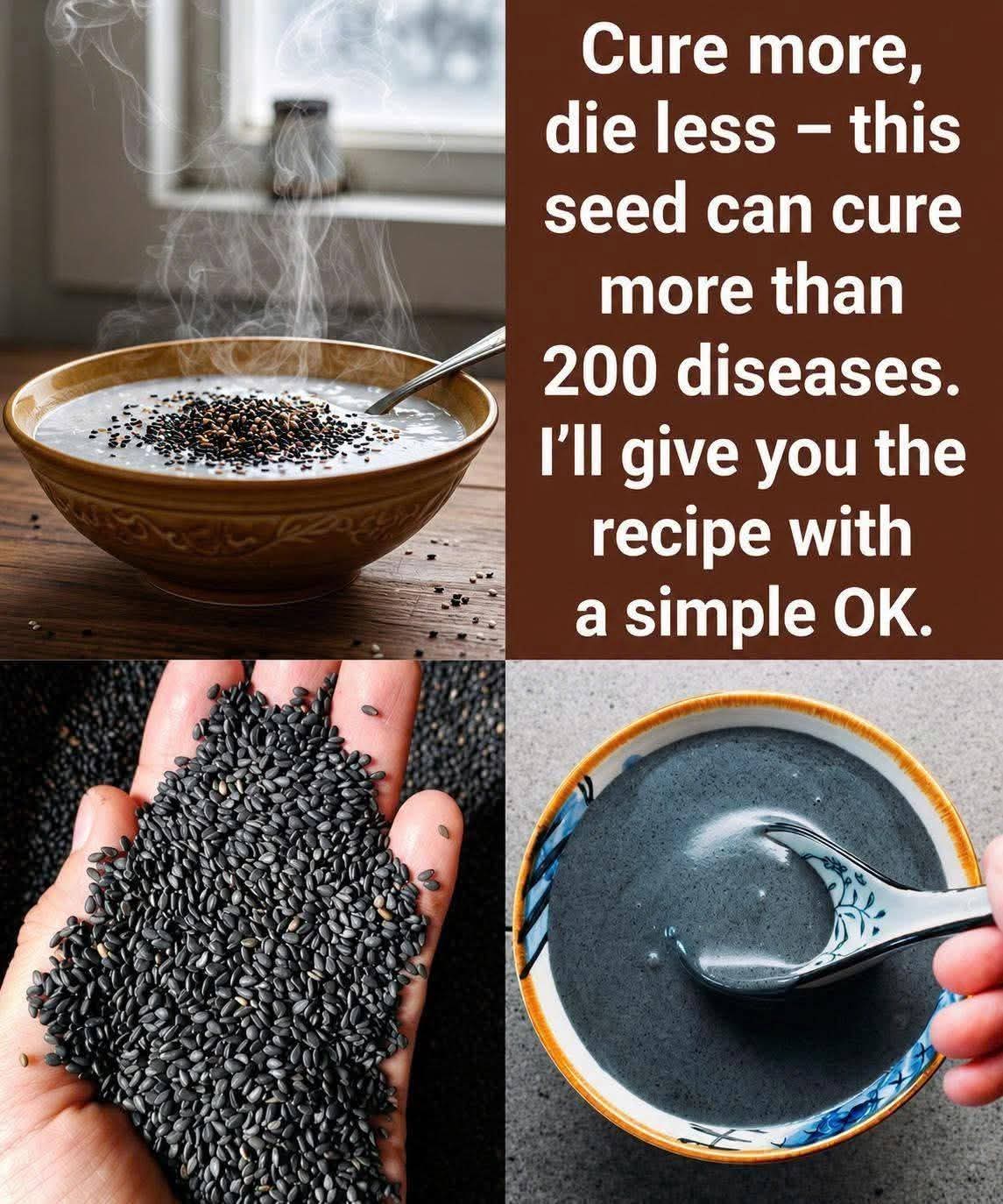
A viral claim associated with the image above says that one particular seed can “cure more than 200 diseases.” That statement should be treated with caution. Black sesame seeds are nutritious food, but there is no good scientific evidence that they can cure 200 diseases or replace medical treatment.
What makes black sesame interesting is not a supposed miracle cure, but its combination of plant protein, unsaturated fats, minerals, fiber, lignans, and other bioactive compounds. Scientific research has investigated sesame and sesame products for possible effects on blood sugar, blood pressure, blood lipids, inflammation, and oxidative stress. Some studies are encouraging, but researchers also emphasize that the evidence is not strong enough to call sesame a treatment for disease.
This article explores black sesame seeds in detail: what they are, their nutritional qualities, traditional uses, possible health benefits, how to prepare them, recipe ideas, precautions, and how to separate realistic nutrition advice from exaggerated internet claims.
What Are Black Sesame Seeds?
Black sesame seeds come from the same general sesame plant family as the more familiar white and tan sesame seeds. The scientific name of sesame is Sesamum indicum.
The seeds are naturally small and oval-shaped. Their dark appearance comes from plant pigments and compounds concentrated in the outer seed layer.
Compared with white sesame, black sesame often has a stronger, more pronounced roasted flavor. It is commonly used in:
- Breads and pastries
- Rice dishes
- Salads
- Tahini
- Sauces
- Soups
- Porridge
- Smoothies
- Desserts
- Sesame drinks
- Traditional confectionery
The seeds can be eaten whole, ground into a paste, toasted, or incorporated into other foods.
Black sesame is therefore best understood as a nutrient-dense culinary ingredient, rather than a medicinal cure.
Why Are Black Sesame Seeds So Popular?
There are several reasons these tiny seeds have attracted so much attention.
First, sesame seeds contain substantial amounts of fat, much of it unsaturated fat. They also provide plant protein and minerals.
Second, sesame contains naturally occurring compounds called lignans, including sesamin and sesamolin. These compounds have attracted scientific interest because of their antioxidant and metabolic properties.
Third, sesame is extremely versatile. A small quantity can transform the flavor of a simple meal.
Finally, black sesame has a long history in traditional food cultures. In some traditions, it has been associated with vitality, healthy aging, hair, skin, and general nourishment.
Traditional use can be culturally important, but it should not automatically be interpreted as proof that a food can treat a medical condition.
Black Sesame Seeds and Nutrition
One of the strongest reasons to include black sesame in a balanced diet is its nutritional density.
Sesame seeds provide:
- Plant protein
- Unsaturated fats
- Dietary fiber
- Calcium
- Magnesium
- Phosphorus
- Iron
- Copper
- Manganese
- Zinc
- Various antioxidant compounds
- Sesame lignans
The exact nutritional composition varies depending on the variety, growing conditions, processing, serving size, and whether the seeds are whole, roasted, ground, or made into tahini.
Because sesame is relatively energy-dense, portion size matters. A food can be nutritious while still contributing a significant number of calories.
That is why black sesame is best used as a nutrient-rich addition to meals, rather than consumed in enormous quantities because of a health claim on social media.
- Source of Healthy Fats
Sesame seeds contain considerable amounts of dietary fat, including monounsaturated and polyunsaturated fatty acids.
Replacing some foods high in saturated fat with foods containing predominantly unsaturated fats can be part of a heart-conscious dietary pattern.
However, eating sesame does not automatically guarantee lower cholesterol or prevent cardiovascular disease.
Research on sesame is promising but mixed. Some controlled studies and meta-analyses have reported improvements in certain lipid measures, while other analyses have found insufficient evidence for meaningful cholesterol-lowering effects.
The practical lesson is simple:
Use sesame as part of an overall healthy eating pattern rather than treating it as a cholesterol medicine.
- Provides Plant Protein
Protein is important for maintaining muscles, supporting enzymes and hormones, and contributing to normal body functions.
Sesame seeds provide plant-based protein and can complement other protein sources such as:
- Beans
- Lentils
- Chickpeas
- Peas
- Nuts
- Seeds
- Eggs
- Fish
- Poultry
- Dairy products
Adding a spoonful of ground sesame to oatmeal, yogurt, soup, or a salad can increase the nutritional value of the meal.
For people following vegetarian or plant-forward diets, sesame can be one small component of a varied protein strategy.
- Contains Important Minerals
Sesame is particularly interesting because seeds can contribute minerals to the diet.
Among the minerals found in sesame are magnesium, calcium, phosphorus, iron, copper, manganese, and zinc.
These nutrients have different functions.
Magnesium participates in hundreds of biochemical reactions in the body.
Calcium is essential for bones, teeth, muscle contraction, and nerve signaling.
Iron is required for hemoglobin production and oxygen transport.
Copper contributes to normal connective tissue, energy metabolism, and iron transport.
Zinc plays roles in immune function, wound healing, protein synthesis, and many other biological processes.
A tablespoon of sesame is not a substitute for a complete diet, but regularly including seeds, nuts, legumes, whole grains, fruits, and vegetables can help create a more nutrient-diverse eating pattern.
- Antioxidant Compounds
Sesame contains several compounds with antioxidant activity, including lignans.
Antioxidants are substances that can help protect cells from oxidative processes. The body naturally produces reactive molecules during normal metabolism, and antioxidant systems help maintain balance.
Sesame’s lignans have been extensively investigated in laboratory and human research.
However, it is important not to turn the word “antioxidant” into a cure-all claim.
A food containing antioxidants does not mean it can cure cancer, reverse aging, eliminate toxins, or treat hundreds of diseases.
Nutrition is more complicated than that.
- May Support Cardiovascular Health as Part of a Healthy Diet
Cardiovascular health is one area where sesame has received considerable scientific attention.
Recent systematic reviews have investigated sesame products and cardiovascular risk factors. Some trials have reported improvements in blood pressure, blood lipids, oxidative stress markers, or related measures. However, the quality and consistency of the evidence vary.
One recent GRADE-assessed review involving people with prehypertension or hypertension reported improvements across several cardiovascular measurements, but rated the certainty of evidence as very low because of small studies, heterogeneity, and methodological limitations.
This distinction is extremely important.
It means researchers are interested in sesame, but it does not mean a bowl of black sesame porridge can replace blood-pressure medication or treatment prescribed by a healthcare professional.
- Possible Effects on Blood Sugar
Sesame has also been studied in relation to glucose metabolism.
A systematic review and meta-analysis of controlled clinical trials found that sesame products were associated with reductions in fasting blood glucose and HbA1c in the included studies. However, the interventions varied and included sesame oil, sesamin, and tahini rather than exclusively whole black sesame seeds.
A newer 2025 systematic review also reported potential improvements in glycemic and inflammatory markers, while emphasizing the need for better clinical trials.
Therefore, it is reasonable to say:
Sesame may have a beneficial role within a balanced diet for metabolic health, but it is not a cure for diabetes.
Anyone taking diabetes medication should not change medication or deliberately consume large amounts of sesame to lower blood sugar without medical guidance.
- May Contribute to a Fiber-Rich Diet
Whole sesame seeds contain dietary fiber.
Fiber supports normal digestive function and can contribute to fullness. A diet containing adequate fiber from vegetables, fruits, legumes, whole grains, nuts, and seeds is generally beneficial for overall health.
When eating sesame, however, the rest of the diet matters.
Adding sesame to a diet dominated by highly processed foods will not magically cancel out poor dietary habits.
Think of black sesame as one useful ingredient in a larger nutritional picture.
- Black Sesame and Healthy Aging
The internet frequently associates black sesame with longevity, youthful appearance, hair color, and anti-aging effects.
Some of these traditional associations are interesting, and sesame’s antioxidant compounds have attracted scientific attention.
But there is an important difference between:
“This food contains compounds involved in antioxidant activity.”
and:
“This food reverses aging.”
The first statement is reasonable.
The second is an unsupported medical claim.
Healthy aging depends on many factors, including physical activity, sleep, nutrition, blood pressure, blood sugar, smoking status, alcohol intake, social connection, genetics, and access to healthcare.
No single seed can control all of these factors.
- Does Black Sesame Improve Hair?
This is one of the most common claims associated with black sesame.
Traditional food cultures have used black sesame in recipes connected with hair and general vitality.
Nutritionally, sesame provides minerals, protein, fats, and other compounds that contribute to a healthy diet.
But there is not enough clinical evidence to say that eating black sesame will reliably reverse gray hair, stop hair loss, or produce dramatic hair growth.
Hair changes can have many causes, including genetics, aging, nutritional deficiencies, hormonal factors, medications, stress, and medical conditions.
If someone experiences sudden or significant hair loss, identifying the underlying cause is more useful than relying on a single food.
- Does Black Sesame “Clean the Body”?
The image suggests that the seed can cure numerous diseases or provide a sweeping cleansing effect.
The human body already has sophisticated systems for processing and eliminating waste, especially the liver, kidneys, gastrointestinal tract, lungs, and skin.
There is no need to “wash” the body internally with a special seed drink.
Eating black sesame can contribute nutrients, but calling it a “detox cure” is misleading.
A healthier approach is to support normal body function through:
- Adequate hydration
- A varied diet
- Regular physical activity
- Good sleep
- Avoiding tobacco
- Limiting excessive alcohol
- Maintaining a healthy weight
- Managing medical conditions appropriately
Black Sesame Paste: A Simple Traditional Preparation
One convenient way to consume black sesame is to grind it into a paste.
Ingredients
- 1 cup black sesame seeds
- 1–2 teaspoons neutral oil, optional
- A small pinch of salt, optional
Method
- Place the black sesame seeds in a dry pan.
- Toast them gently over low to medium heat.
- Stir frequently to prevent burning.
- Allow the seeds to cool completely.
- Grind them in a food processor or powerful blender.
- Continue processing until the seeds release their natural oils and become a thick paste.
- Add a tiny amount of neutral oil if necessary.
- Store the paste in a clean, sealed container.
This paste can be spread on whole-grain toast, mixed into oatmeal, stirred into yogurt, or incorporated into sauces.
Black Sesame Breakfast Bowl
The image shows a warm bowl topped with black sesame. A simple breakfast can be created using ingredients that complement sesame nutritionally and flavor-wise.
Ingredients
- 1 cup cooked oats
- 1 tablespoon ground black sesame
- 1 small banana or apple
- 1 tablespoon chopped walnuts
- ½ teaspoon cinnamon
- Milk or unsweetened plant milk as needed
- Optional: plain yogurt
Instructions
Prepare the oats according to the package directions.
Transfer them to a bowl and allow them to cool slightly.
Add the ground black sesame, fruit, walnuts, and cinnamon.
Add milk or yogurt for additional creaminess.
Mix well and serve.
This is a food-based breakfast, not a medicinal treatment. Its value comes from combining whole-food ingredients rather than expecting one ingredient to perform a miracle.
Black Sesame Drink
A traditional-style sesame drink can be made by blending soaked sesame seeds with water or milk.
Ingredients
- 2 tablespoons black sesame seeds
- 1 cup water or milk
- 1 small date, optional
- A pinch of cinnamon, optional
Preparation
Soak the sesame seeds for several hours if desired.
Drain and rinse.
Blend with water or milk until smooth.
Strain if you prefer a thinner drink.
Add a date for natural sweetness.
Serve chilled or gently warmed.
If using a sweetener, remember that adding large quantities of sugar can reduce the nutritional quality of the drink.
How to Add Black Sesame to Everyday Meals
You do not need a complicated recipe.
Try sprinkling black sesame over:
- Rice
- Stir-fried vegetables
- Salads
- Soups
- Noodles
- Eggs
- Avocado toast
- Yogurt
- Oatmeal
- Roasted vegetables
- Homemade bread
- Smoothies
- Fruit bowls
You can also mix ground sesame into hummus, tahini-based sauces, or homemade energy bites.
The goal should be variety, not excessive consumption.
Black Sesame vs. White Sesame
Both black and white sesame are nutritious.
Black sesame generally has a darker outer layer and a distinctive appearance and flavor. White sesame has a milder flavor and is extremely common in breads, sauces, tahini, and Middle Eastern cuisine.
The health differences between sesame varieties should not be exaggerated.
Processing can also matter. Whole seeds, hulled seeds, roasted seeds, ground seeds, and sesame paste are not nutritionally identical.
For everyday eating, choose the variety you enjoy and can incorporate into a balanced diet.
Can Black Sesame Cure More Than 200 Diseases?
No reliable scientific evidence supports this claim.
This is perhaps the most important message to take from the viral image.
Sesame is a nutritious food with biologically active compounds, and scientific research continues to investigate possible health effects. A 2026 systematic review described sesame as nutritionally rich and reviewed evidence involving potential health benefits as well as allergy risks. It also emphasized the need for additional research to clarify mechanisms, doses, and clinical effectiveness.
That is very different from saying that black sesame cures 200 diseases.
There is no single food that can replace appropriate treatment for hundreds of unrelated diseases.
A responsible health article should distinguish between:
Nutrition:
A food supplies nutrients and bioactive compounds.
Potential health association:
Research suggests a possible relationship with a health outcome.
Clinical treatment:
A therapy has sufficient evidence to be recommended for managing a specific disease.
Black sesame clearly belongs in the first category and is being investigated in the second. It should not automatically be promoted as the third.
Important Safety Warning: Sesame Allergy
One of the most important issues that viral health posts often ignore is sesame allergy.
Sesame is a recognized food allergen, and allergic reactions can range from mild symptoms to severe, potentially life-threatening reactions. Reviews estimate sesame allergy prevalence around 0.1–0.2% in the population, although estimates vary.
Possible symptoms can include:
- Hives
- Itching
- Swelling
- Vomiting
- Abdominal symptoms
- Coughing
- Wheezing
- Breathing difficulty
- Dizziness
- Severe allergic reaction
People who know they have sesame allergy should follow their healthcare professional’s advice and avoid sesame-containing foods as directed.
Do not deliberately test sesame at home if you suspect an allergy.
Who Should Be Careful?
Although sesame can be part of a healthy diet for many people, certain individuals should take additional care.
People with sesame allergy
Avoid sesame according to medical advice.
People taking medication for diabetes
Sesame-containing foods can be part of a balanced diet, but people using glucose-lowering medication should not attempt to use sesame as a substitute for prescribed treatment.
People taking blood-pressure medication
Do not stop or reduce medication because you begin eating sesame.
People with dietary restrictions
Sesame is energy-dense, so portion size matters when managing total calorie intake.
People with digestive sensitivity
Large amounts of seeds may cause digestive discomfort in some individuals, particularly if someone is not accustomed to high-fiber foods.
How Much Black Sesame Should You Eat?
There is no universally established medicinal dose of black sesame because it is a food, not an approved drug for treating disease.
A practical approach is to use a modest serving as part of meals.
For example, approximately 1–2 tablespoons of sesame can be incorporated into a meal depending on the individual’s dietary needs and overall calorie intake.
More is not necessarily better.
There is also no evidence that eating huge quantities will produce proportionally greater health benefits.
Choosing Good-Quality Black Sesame Seeds
When purchasing black sesame, look for seeds that:
- Have a fresh, nutty smell
- Are dry
- Are free from visible moisture
- Do not show mold
- Have clean packaging
- Come from a reputable food producer
- Have an appropriate expiration or best-before date
Store sesame in an airtight container.
Because sesame contains substantial amounts of oil, prolonged exposure to heat, light, and oxygen can eventually lead to rancidity.
For longer storage, refrigeration can help preserve freshness.
Should You Eat Raw or Toasted Sesame?
Both options can be used.
Lightly toasted sesame develops a deeper, nuttier flavor and works beautifully in savory dishes.
However, overheating can burn the seeds and create an unpleasant taste.
A gentle toast is usually sufficient.
If you are grinding the seeds into paste, allowing them to cool before processing can make the process easier.
Black Sesame in Traditional Cuisine
Sesame has an exceptionally long culinary history.
It has been used in many regions of the world, including parts of Africa, the Middle East, South Asia, East Asia, and the Mediterranean.
Sesame seeds appear in:
- Tahini
- Halva
- Sesame breads
- Asian sauces
- Rice dishes
- Sweets
- Confectionery
- Sesame oils
- Traditional drinks
- Spice mixtures
Black sesame in particular is valued in many East Asian cuisines for its distinctive color and roasted flavor.
Its history demonstrates something important: foods can have cultural significance for generations without needing exaggerated medical claims to justify their value.
The Better Way to Think About “Superfoods”
The term “superfood” is popular online, but it can create unrealistic expectations.
A healthy diet does not depend on finding one extraordinary food.
Instead, think about dietary patterns.
A strong everyday diet can include:
- Vegetables
- Fruits
- Whole grains
- Beans and lentils
- Nuts
- Seeds
- Fish or other quality protein sources
- Healthy fats
- Fermented or dairy foods where appropriate
Black sesame can fit comfortably into this pattern.
It does not need to cure anything to be worth eating.
Frequently Asked Questions
Can black sesame cure disease?
No. There is no evidence that black sesame can cure more than 200 diseases. It is a nutritious food, and sesame products have been studied for potential effects on several health markers.
Can black sesame lower blood pressure?
Some clinical studies have reported improvements in blood pressure with sesame interventions, but recent evidence reviews have noted very low certainty and important study limitations. Sesame should not replace prescribed blood-pressure treatment.
Can black sesame lower blood sugar?
Research suggests sesame products may influence some glucose-related measurements, but results do not establish sesame as a diabetes treatment.
Does black sesame reverse gray hair?
There is no strong clinical evidence that eating black sesame reliably reverses gray hair.
Is black sesame good for digestion?
Whole sesame contributes fiber, and fiber can support normal digestive health. However, individual tolerance varies.
Can I eat black sesame every day?
For most people who tolerate sesame, a moderate culinary serving can fit into a varied diet. People with sesame allergy should avoid it.
Is black sesame better than white sesame?
Neither should automatically be considered dramatically superior. Both can contribute useful nutrients and flavor.
Can black sesame replace medication?
No. Food and medication serve different purposes. Never discontinue prescribed medication because of a social-media health claim.
A Simple Weekly Black Sesame Meal Plan
Black sesame can be rotated through different meals instead of consumed in one large serving.
Monday
Add ground black sesame to oatmeal with banana and walnuts.
Tuesday
Sprinkle toasted black sesame over steamed vegetables and rice.
Wednesday
Mix a teaspoon or two into yogurt with fruit.
Thursday
Add black sesame to a homemade salad dressing.
Friday
Use black sesame in a noodle or stir-fry dish.
Saturday
Prepare a small sesame drink.
Sunday
Make homemade black sesame paste and use it with whole-grain toast.
This approach provides variety while preventing the idea that one ingredient must be consumed in excessive amounts to produce a health effect.
Black Sesame Recipe: Creamy Sesame Porridge
Ingredients
- ½ cup oats
- 1½ cups milk or unsweetened plant milk
- 1 tablespoon ground black sesame
- 1 banana
- ½ teaspoon cinnamon
- 1 tablespoon chopped nuts
- Optional: one chopped date
Instructions
Place the oats and milk in a saucepan.
Cook gently until the oats become soft and creamy.
Stir in the ground black sesame and cinnamon.
Slice the banana and place it on top.
Add chopped nuts and the optional date.
Serve warm.
This breakfast provides a combination of carbohydrates, fat, protein, fiber, and micronutrients.
Nutrition Works Best as a Pattern
Perhaps the most useful lesson from black sesame is that nutrition does not have to be complicated.
Instead of searching for a seed that supposedly cures hundreds of diseases, focus on habits that have broad nutritional value.
Eat more whole foods.
Choose a variety of colorful vegetables and fruits.
Include legumes, whole grains, nuts, and seeds.
Choose healthy sources of protein.
Drink enough water.
Stay physically active.
Sleep adequately.
Avoid smoking.
Keep alcohol intake within recommended limits or avoid it.
And when a medical condition exists, use evidence-based medical care.
Black sesame can happily be part of that lifestyle.
Final Thoughts
Black sesame seeds are small, flavorful, and nutritionally interesting. They provide plant protein, unsaturated fats, minerals, fiber, and naturally occurring compounds such as sesame lignans.
Scientific research has explored sesame’s possible relationships with cardiovascular markers, glucose metabolism, inflammation, oxidative stress, and lipid profiles. Some findings are encouraging, but the evidence is not strong enough to describe black sesame as a cure for disease. Recent reviews specifically highlight uncertainty, variation between studies, and the need for better clinical research.
The viral claim that one seed can “cure more than 200 diseases” is therefore an example of a health statement that goes far beyond the available evidence.
The good news is that black sesame does not need a miracle claim.
It is already a valuable culinary ingredient.
Use it in oatmeal, rice, vegetables, salads, yogurt, sauces, breads, smoothies, and traditional recipes. Enjoy its rich flavor and nutritional contribution while keeping your expectations realistic.
And remember: a healthy food can support a healthy diet without being a cure.
If you have a medical condition, take medication, are pregnant, or have a known or suspected sesame allergy, discuss dietary changes with an appropriately qualified healthcare professional.
The Bottom Line
Black sesame is a nutritious food—not a miracle medicine.
Enjoy it as part of a diverse, balanced diet, but do not rely on it to cure diseases, replace medications, or “clean” the body. The strongest health strategy is not one magical ingredient; it is a consistent combination of nutritious food, physical activity, good sleep, preventive care, and appropriate medical treatment.