Lemon and Egg Mixture: Uses, Benefits, Myths, Safety, and How to Prepare It Properly
Introduction
Lemons and eggs are two simple ingredients found in kitchens around the world. Lemon is valued for its bright flavor, refreshing aroma, and vitamin C content, while eggs provide protein, fats, vitamins, and minerals. Because both ingredients are inexpensive and widely available, they have also become popular in traditional home remedies and homemade beauty treatments.
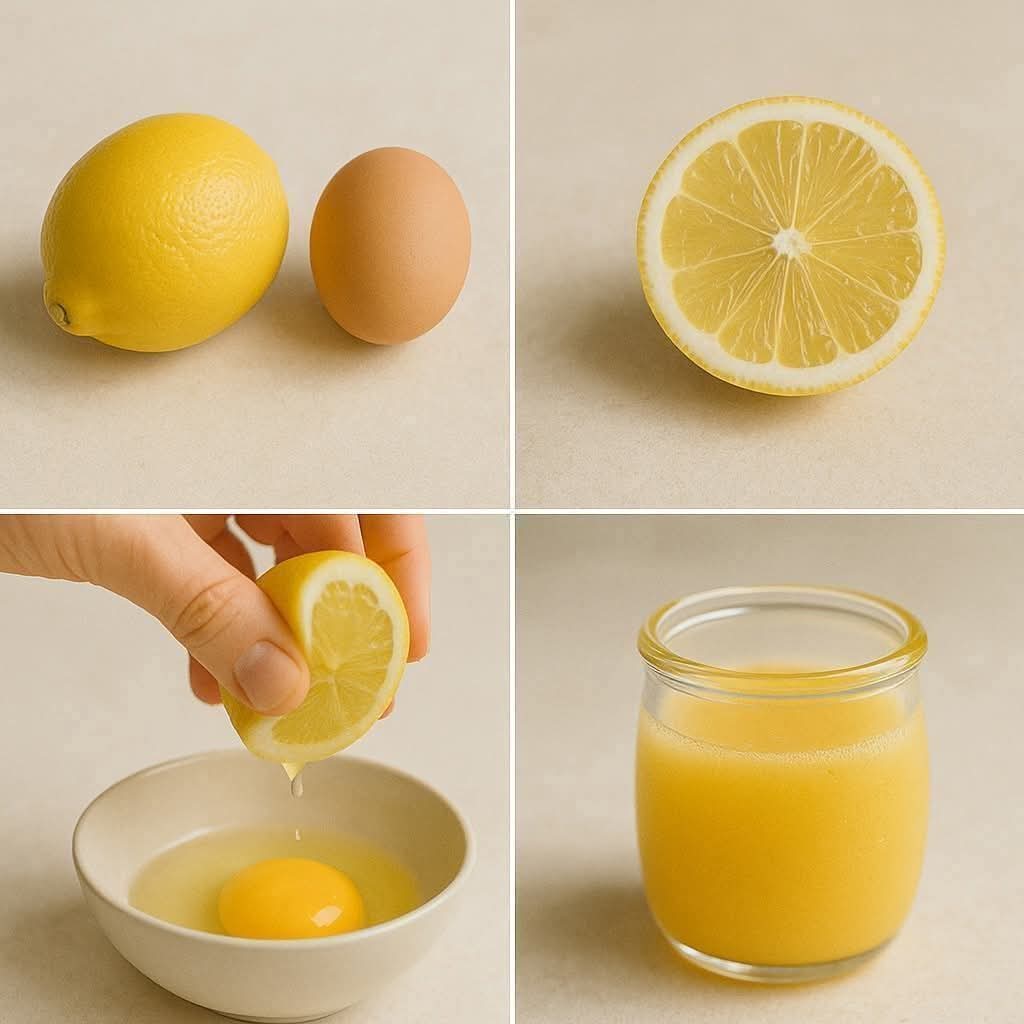
The image accompanying this article shows lemon being combined with an egg and the mixture being placed into a jar. Recipes and social-media posts featuring combinations like this are sometimes presented as a powerful natural treatment for hair, skin, digestion, weight loss, immunity, or other health concerns. Some of these claims are exaggerated, and others have little scientific evidence behind them.
That does not mean lemon and eggs have no value. Both foods can be nutritious when included appropriately in a balanced diet. They can also be used in certain traditional cosmetic preparations. However, it is important to distinguish between a food’s genuine nutritional properties and claims that a homemade mixture can “detox” the body, cure disease, reverse aging, or replace medical treatment.
This detailed guide explains what lemon and egg actually contain, why people combine them, possible culinary and cosmetic uses, potential benefits, important precautions, common myths, and safer ways to use these ingredients.
What Is a Lemon and Egg Mixture?
A lemon and egg mixture is generally made by combining fresh lemon juice with an egg. Depending on the recipe, people may use the whole egg, only the egg white, or only the yolk.
The ingredients serve very different purposes.
Lemon juice contributes:
- Vitamin C
- Citric acid
- Water
- Small amounts of potassium and other nutrients
- A strong acidic flavor and aroma
Eggs contribute:
- High-quality protein
- Fat, particularly in the yolk
- Vitamin B12
- Riboflavin
- Selenium
- Choline
- Vitamin A and other micronutrients
When mixed together, lemon juice changes the texture of the egg proteins. The acid can cause the proteins to partially denature, which means they change structure. This is one reason the mixture can become thicker or behave differently from the original ingredients.
It is important to remember that combining two nutritious foods does not automatically create a special medicinal substance. The nutritional value of the ingredients remains, but the mixture itself should not be considered a cure or detox treatment.
Why Do People Combine Lemon and Egg?
There are several reasons this combination appears in traditional recipes and home-remedy discussions.
- Traditional beauty practices
Egg has long been used in homemade hair masks. Egg white is often associated with a temporary tightening or cleansing sensation, while egg yolk contains fats that can make hair feel softer.
Lemon juice is sometimes added because of its acidic nature and fresh scent.
- Hair-care recipes
Homemade egg-and-lemon masks are commonly promoted for oily hair, dull hair, or scalp cleansing. Some people believe the mixture can make hair shinier or reduce excess oil.
There is limited scientific evidence that such a mixture can improve hair growth. However, the conditioning effect some people notice may simply come from coating the hair shaft and washing it afterward.
- Culinary purposes
Egg and lemon are also perfectly normal culinary ingredients. They appear together in sauces, dressings, soups, desserts, marinades, and other dishes.
One famous example is the Greek-style egg-and-lemon preparation known as avgolemono, in which eggs and lemon are combined with broth to create a creamy, tangy mixture.
- Traditional home remedies
In many cultures, lemon and egg have been used as household ingredients in various traditional preparations. Modern social media sometimes takes these old traditions and attaches dramatic health claims to them.
Those claims should be evaluated carefully.
Nutritional Benefits of Lemons
Lemons are particularly useful as a source of vitamin C.
Vitamin C is an essential nutrient involved in normal collagen formation, immune function, antioxidant protection, and wound healing. It also helps the body absorb non-heme iron from plant foods.
Lemons can therefore contribute to a healthy diet.
Vitamin C
Vitamin C is one of the best-known nutrients in citrus fruits. Regularly eating fruits and vegetables that contain vitamin C can help people meet their nutritional needs.
However, drinking a small amount of lemon juice does not provide a magical boost to the immune system. Your body requires an adequate overall diet rather than a single “superfood.”
Hydration
Lemon water can encourage some people to drink more fluids because the lemon adds flavor.
The hydration comes primarily from the water itself, not from the lemon.
Citric acid
Lemon juice contains citric acid, which gives lemons their characteristic sour taste.
Citric acid can also influence the taste and chemistry of foods. In some dietary contexts, citrate is relevant to kidney stone prevention, although drinking lemon water should not be presented as a universal treatment for kidney stones.
Anyone with recurrent kidney stones should discuss prevention with a healthcare professional.
Nutritional Benefits of Eggs
Eggs are nutrient-dense foods that can fit into many balanced eating patterns.
Protein
Eggs provide complete protein, meaning they contain all nine essential amino acids.
Protein is important for maintaining muscles, supporting tissues, producing enzymes and hormones, and many other normal body functions.
For older adults in particular, adequate protein intake can be important for maintaining muscle mass when combined with appropriate physical activity.
Choline
Egg yolks are an important dietary source of choline.
Choline contributes to normal cell structure, nervous-system function, and metabolism.
Vitamin B12
Eggs contain vitamin B12, which is necessary for normal red blood cell formation and neurological function.
Selenium
Eggs also provide selenium, a mineral involved in antioxidant defense and normal thyroid function.
Other nutrients
Depending on the egg and the overall diet, eggs can contribute vitamin A, riboflavin, phosphorus, iodine, and other nutrients.
The key point is that eggs are nutritious foods. Their value does not depend on mixing them with lemon.
Can Lemon and Egg Improve Hair?
This is one of the most common reasons people use this combination.
Egg-based hair masks are traditionally promoted as natural conditioners. The proteins and fats in an egg can temporarily coat the hair, potentially changing how it feels and looks.
However, this should not be confused with repairing the internal structure of damaged hair.
Hair is composed primarily of keratin, and once a hair fiber has been significantly damaged, a homemade food mask cannot permanently restore it to its original condition.
A lemon-and-egg treatment may make hair feel different after washing, but there is no strong evidence that it can:
- Cure hair loss
- Reverse baldness
- Permanently repair split ends
- Make follicles produce new hair
- Eliminate genetic hair loss
- Cure scalp disease
If someone is experiencing significant or sudden hair loss, it is much more useful to investigate possible causes with a healthcare professional.
Lemon and Egg for Oily Hair
Some people use egg white and lemon juice because they feel their scalp becomes oily quickly.
The acidity of lemon juice and the cleansing process used afterward can make hair feel less greasy. However, lemon juice can also irritate the scalp, particularly if used frequently or in concentrated form.
If your scalp is sensitive, itchy, inflamed, or damaged, applying lemon juice directly may make the problem worse.
For oily hair, a gentle shampoo formulated for the scalp is generally a safer and more predictable option.
Can It Make Hair Grow Faster?
There is no good evidence that applying lemon and egg to the scalp makes hair grow faster.
Hair growth is influenced by many factors, including:
- Genetics
- Age
- Hormones
- Nutrition
- General health
- Certain medications
- Stress
- Scalp conditions
- Hair-care practices
A topical food mixture cannot address all of these factors.
If hair growth is your primary concern, avoid relying on viral remedies that promise dramatic results.
Can Lemon and Egg Whiten Skin?
Another common claim is that lemon and egg can lighten dark spots or make the skin “white.”
This deserves caution.
Lemon juice contains acids that may temporarily alter the appearance of the skin, but applying fresh lemon juice directly to the skin can cause irritation.
Citrus compounds can also increase the risk of a reaction when skin is exposed to sunlight. This can lead to redness, burning, discoloration, or a condition known as phytophotodermatitis.
Therefore, lemon juice should not be considered a safe DIY skin-whitening treatment.
Egg-based masks may temporarily make skin feel tighter because the drying mixture forms a film as it dries. That effect is temporary and does not mean that the skin has become permanently firmer or younger.
The Important Difference Between Nutrition and Medicine
One of the biggest problems with viral home-remedy articles is the assumption that a food must be medicinal because it contains nutrients.
Lemon contains vitamin C.
Egg contains protein and several vitamins and minerals.
That does not mean the combination can cure chronic diseases.
A nutritious food can support a healthy diet without being a medical treatment.
This distinction is particularly important for conditions such as:
- Diabetes
- High blood pressure
- High cholesterol
- Kidney disease
- Liver disease
- Thyroid disorders
- Cancer
- Heart disease
- Severe anemia
People with these conditions should not replace prescribed treatments with lemon-and-egg mixtures.
How to Prepare a Lemon and Egg Mixture for Culinary Use
If your goal is simply to enjoy these ingredients as food, there are many safer options.
One approach is to prepare an egg-and-lemon sauce using cooked eggs rather than consuming raw eggs.
Basic ingredients
- 2 eggs
- 1–2 tablespoons fresh lemon juice
- A small amount of cooked broth or another appropriate liquid
- Salt and herbs to taste
Method
- Crack the eggs into a clean bowl.
- Beat them thoroughly.
- Add lemon juice gradually.
- Slowly incorporate warm broth while whisking continuously.
- Heat the mixture gently according to the recipe you are following.
- Avoid overheating or scrambling the eggs if you are preparing a smooth sauce.
- Serve immediately or refrigerate appropriately.
The exact method depends on the dish.
What About Drinking Raw Lemon and Egg?
This is where food safety becomes especially important.
Some internet recipes encourage people to drink raw egg mixed with lemon juice.
Lemon juice does not make raw eggs automatically safe.
Acidic ingredients can change the proteins in an egg, but they should not be relied upon as a substitute for proper cooking or pasteurization.
Raw or undercooked eggs can carry Salmonella bacteria. Infection can cause diarrhea, fever, stomach cramps, nausea, and vomiting.
The risk may be greater for:
- Young children
- Older adults
- Pregnant people
- People with weakened immune systems
- People with certain chronic medical conditions
For recipes that require raw or lightly cooked eggs, pasteurized eggs or pasteurized egg products can reduce the risk.
Does Lemon “Cook” an Egg?
You may have seen recipes claiming that lemon juice “cooks” raw egg.
The chemistry is more complicated.
Acid causes proteins to denature, which means their structure changes. This can produce a cooked-like appearance or texture.
But protein denaturation is not necessarily equivalent to the same level of microbial safety achieved through appropriate heat treatment.
For that reason, lemon juice should not be treated as a reliable substitute for cooking.
Can This Mixture Detox the Body?
The idea of “detox drinks” is extremely popular online.
However, healthy human bodies already have sophisticated systems for processing and eliminating waste. The liver, kidneys, lungs, gastrointestinal tract, and skin all play roles in maintaining internal balance.
There is no need to “clean” your body with a special lemon-and-egg drink.
A balanced diet, adequate hydration, regular physical activity, sufficient sleep, and avoidance of harmful substances are much more meaningful for long-term health.
Lemon may be a useful flavoring for water, and eggs can be a nutritious food, but neither ingredient needs to be marketed as a detoxifier.
Does Lemon and Egg Help With Weight Loss?
Another common claim is that this mixture burns fat.
There is no convincing evidence that drinking lemon and egg causes significant fat burning.
Weight management is influenced by total energy intake, dietary composition, physical activity, sleep, genetics, medications, and numerous other factors.
Eggs can be part of a satisfying meal because their protein may contribute to fullness.
Lemon can add flavor to foods and beverages without adding much energy.
But neither ingredient should be described as a fat-burning miracle.
Could It Help Digestion?
Lemon juice can stimulate taste and saliva production because of its sourness, and some people enjoy lemon with meals.
Eggs are generally well tolerated by many people and provide protein.
But a lemon-and-egg mixture is not a universal digestive treatment.
People with acid reflux, gastritis, or sensitivity to acidic foods may find concentrated lemon juice uncomfortable.
If you repeatedly experience heartburn, abdominal pain, persistent nausea, diarrhea, or other digestive symptoms, it is better to identify the underlying cause rather than relying on home remedies.
Lemon and Egg for Immunity
Both ingredients can contribute nutrients that support normal body functions.
Vitamin C is involved in immune function, while protein and micronutrients from eggs support overall nutrition.
But eating this combination does not create an immediate immune shield.
The immune system depends on many nutrients and biological processes. A varied diet containing fruits, vegetables, whole grains, legumes, nuts, seeds, dairy or alternatives, and appropriate protein sources is generally more valuable than focusing on one combination.
Common Myths About Lemon and Egg
Myth 1: It cures every disease
There is no scientific basis for this claim.
Myth 2: It melts body fat
It does not act as a magical fat-burning drink.
Myth 3: It permanently repairs damaged hair
Hair masks may temporarily improve the feel of hair, but they cannot permanently restore severely damaged fibers.
Myth 4: Lemon makes skin permanently lighter
Fresh lemon juice can irritate skin and may cause discoloration after sun exposure.
Myth 5: Lemon makes raw eggs safe
Acidic juice should not be considered a replacement for safe egg handling and cooking.
Myth 6: It removes toxins from the kidneys
The kidneys naturally filter waste from the blood. There is no special need to cleanse them with a lemon-and-egg mixture.
Myth 7: More is better
Using larger quantities does not necessarily increase benefits and may increase the chance of irritation or adverse effects.
Important Safety Considerations
Protect your teeth
Frequent exposure to acidic lemon juice can contribute to dental enamel erosion.
If you drink lemon-containing beverages:
- Avoid slowly sipping acidic drinks for long periods.
- Consider drinking through a straw.
- Rinse your mouth with plain water afterward.
- Avoid brushing immediately after acidic drinks.
Protect your skin
Do not assume that natural means harmless.
Fresh lemon juice can irritate skin, especially sensitive or broken skin.
Avoid applying concentrated lemon juice before sun exposure.
Handle eggs safely
Keep eggs refrigerated according to local food-safety recommendations.
Wash hands after handling raw eggs.
Clean surfaces and utensils that have contacted raw egg.
Cook eggs appropriately unless using pasteurized products specifically intended for recipes involving raw or lightly cooked eggs.
Consider allergies
Egg is a common food allergen.
People with egg allergies should avoid egg-containing preparations.
Citrus allergies are less common but can also occur.
A Safer Homemade Hair Mask Alternative
If your goal is hair conditioning rather than consuming the mixture, you can avoid lemon altogether.
Simple egg hair mask
Ingredients:
- 1 egg
- 1 tablespoon plain yogurt
- 1 teaspoon of a suitable hair oil, if desired
Instructions
- Beat the egg thoroughly.
- Mix in the yogurt.
- Add a small amount of oil if your hair tolerates it.
- Apply primarily to the lengths of the hair rather than aggressively rubbing the scalp.
- Leave on briefly.
- Rinse thoroughly with cool or lukewarm water.
- Shampoo gently if needed.
Avoid very hot water because it can cause the egg to coagulate on the hair, making removal unpleasant.
This is a cosmetic treatment, not a cure for hair loss.
A Better Way to Use Lemon and Egg in Your Diet
Rather than drinking a raw mixture, consider using the ingredients as part of normal meals.
For example, you can prepare:
- Lemon-herb eggs
- Egg and vegetable salad with lemon dressing
- Lemon egg soup
- Omelets with vegetables and lemon-herb seasoning
- Hard-boiled eggs with a fresh salad
- Egg-based sauces containing lemon
- Lemon-flavored baked dishes
This allows you to enjoy the flavor and nutritional value without unnecessarily increasing food-safety risks.
How to Make a Simple Lemon Egg Breakfast
Ingredients
- 2 eggs
- 1 teaspoon lemon juice
- Chopped parsley
- Black pepper
- A small pinch of salt
- Vegetables of your choice
- Whole-grain toast, if desired
Instructions
- Beat the eggs in a bowl.
- Add the vegetables and seasonings.
- Cook the eggs thoroughly in a suitable pan.
- Remove from the heat.
- Add a small amount of lemon juice after cooking.
- Sprinkle with parsley.
- Serve with whole-grain toast or another balanced side.
This gives you protein, vegetables, and the fresh flavor of lemon in a normal meal.
Who Should Be Especially Careful?
Some people should avoid experimenting with raw egg mixtures altogether.
These include people who are pregnant, very young children, older adults, and people with weakened immune systems.
People with egg allergies should also avoid egg-based preparations.
Anyone with severe reflux or another condition aggravated by acidic foods may need to limit lemon.
If you take medications or have a medical condition requiring dietary restrictions, check with a healthcare professional before making a home remedy part of your routine.
How to Recognize Exaggerated Health Claims Online
A useful skill is learning how to evaluate viral health content.
Be cautious when an article says a food:
- “Cures everything”
- “Removes all toxins”
- “Melts belly fat overnight”
- “Regrows hair in days”
- “Reverses aging”
- “Replaces medication”
- “Works for everyone”
- “Doctors don’t want you to know this”
These statements are usually warning signs.
Reliable health information normally explains limitations, possible risks, and the quality of evidence.
The fact that thousands of people comment that a remedy “worked for me” does not establish that the remedy treats a medical condition.
Personal experiences can be interesting, but they are not the same as controlled scientific evidence.
The Bottom Line
Lemon and eggs are both useful foods, but they do not become a miracle medicine when mixed together.
Lemon provides vitamin C and adds flavor to foods and beverages. Eggs provide high-quality protein and several important nutrients. Together, they can be used in many traditional and culinary preparations.
For beauty purposes, egg-based masks may temporarily change how hair or skin feels, but claims about dramatic hair growth, permanent skin whitening, detoxification, or disease treatment are not well supported.
The biggest concern with consuming raw lemon-and-egg mixtures is food safety. Lemon juice may change the texture of raw egg proteins, but it should not be considered a reliable substitute for cooking or pasteurization.
If you enjoy these ingredients, the safest and most practical approach is to incorporate them into balanced meals and properly prepared recipes.
Frequently Asked Questions
Can I drink lemon and raw egg together?
It is better to avoid raw egg unless the recipe specifically uses pasteurized eggs or pasteurized egg products. Lemon juice should not be relied upon to eliminate harmful bacteria.
Does lemon and egg help hair growth?
There is no strong evidence that applying lemon and egg causes new hair growth or treats baldness.
Can lemon and egg remove dark spots?
There is no reliable reason to recommend fresh lemon juice as a treatment for dark spots. It can irritate the skin and may cause reactions after sun exposure.
Is lemon and egg good for weight loss?
Eggs can be part of a nutritious weight-management diet because they provide protein. Lemon adds flavor with very little energy. However, the combination itself is not a proven fat-burning remedy.
Can I use lemon and egg as a face mask?
It is generally safer to avoid applying fresh lemon juice directly to your face. If you want a skincare treatment, products formulated and tested for facial skin are more predictable.
Does lemon cook raw egg?
Acid can denature egg proteins and change their texture, but this should not be confused with reliable microbial safety.
How often should I use a lemon-and-egg hair mask?
There is no medically established schedule because these masks have not been proven to treat hair disorders. If you use a cosmetic preparation, discontinue it if irritation, itching, burning, or unusual dryness occurs.
Can this mixture detox the liver?
No special lemon-and-egg mixture is needed to detox a healthy liver. The liver naturally performs important metabolic and detoxification functions.
Is lemon water healthy?
For most people, lemon water can be a pleasant way to add flavor to water and can contribute vitamin C. However, frequent acidic drinks can affect tooth enamel.
Final Thoughts
The appeal of simple home remedies is easy to understand. Ingredients such as lemons and eggs are inexpensive, familiar, and available in almost every kitchen. They have legitimate nutritional and culinary value, and generations of people have incorporated them into traditional recipes.
The problem begins when a simple food preparation is presented as a cure-all.
A lemon is not a medicine simply because it contains vitamin C. An egg is not a hair-growth treatment simply because it contains protein. And combining the two does not automatically create a powerful therapeutic formula.
The healthiest approach is to appreciate these ingredients for what they genuinely offer.
Use lemon to brighten meals, dress salads, flavor water, or complement cooked foods. Use eggs as a convenient source of protein and essential nutrients. If you enjoy traditional beauty treatments, approach them cautiously and remember that temporary cosmetic effects are different from medical treatment.
Most importantly, do not allow viral home-remedy claims to replace professional care when you have persistent symptoms or a diagnosed medical condition.
Natural ingredients can have a valuable place in everyday life—but “natural” does not automatically mean “risk-free,” and simple does not automatically mean “miraculous.”
The best results usually come from the basics: a varied diet, safe food preparation, good hygiene, regular movement, adequate sleep, appropriate hydration, and evidence-based medical care when needed.
Lemon and egg can certainly be part of that healthy lifestyle. They just do not need exaggerated promises to be useful.