Hibiscus, Turmeric and Herbal Tea: A Traditional Drink With Potential Wellness Benefits
Introduction
A warm cup of brightly colored herbal tea can be much more than a comforting beverage. Across many cultures, flowers, leaves, roots, spices, and other plants have been steeped in hot water for generations as part of everyday food traditions and traditional wellness practices.
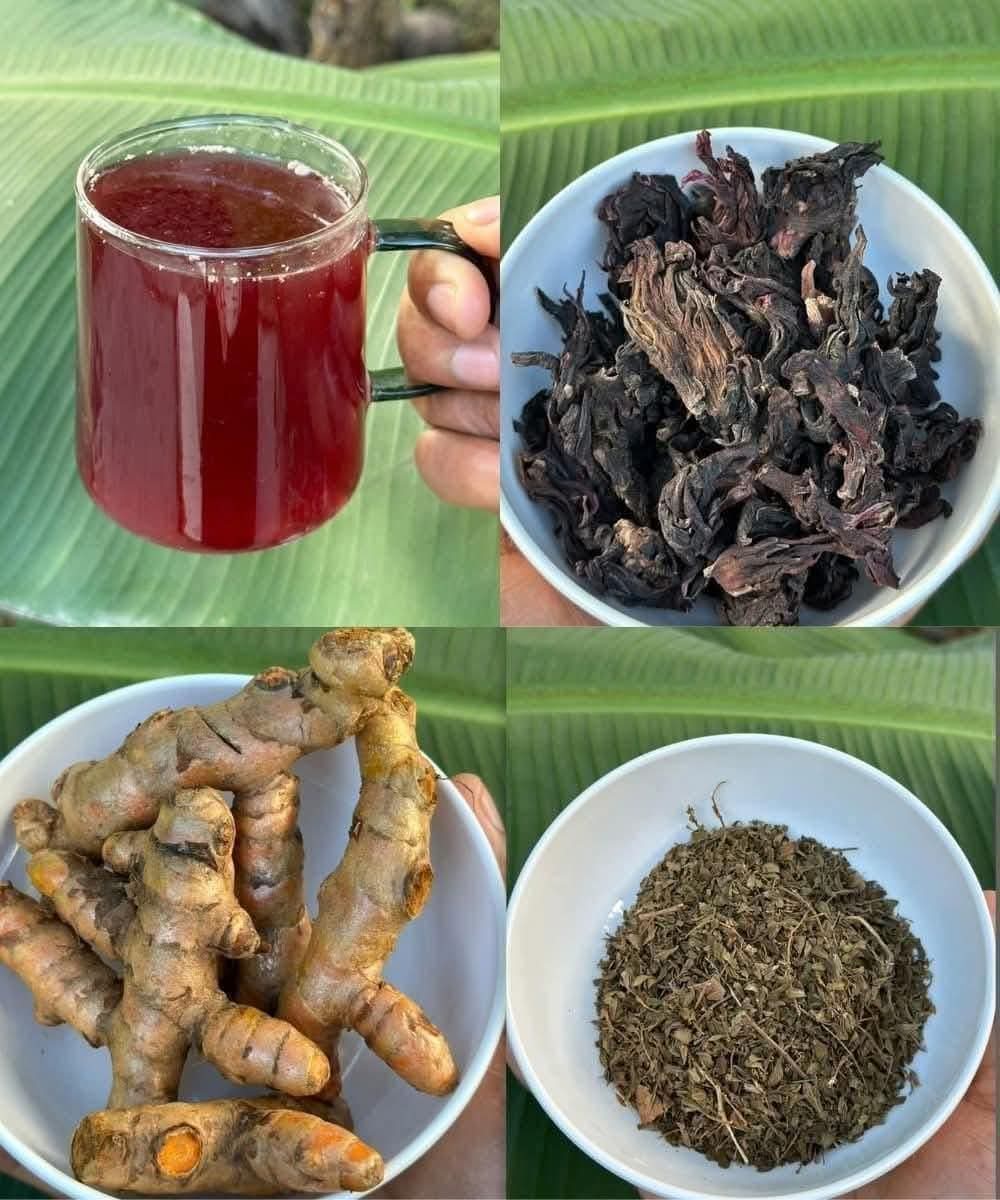
The image accompanying this article shows a deep red herbal drink alongside dried plant material and fresh turmeric roots. The red color is characteristic of hibiscus, also known as roselle, when it is prepared as an infusion. The fresh turmeric root adds another familiar traditional ingredient. Because dried herbs can look very similar to one another, however, it is important not to assume that every dried plant shown in a photograph is a particular species without proper identification.
Hibiscus and turmeric have attracted considerable attention because they contain naturally occurring compounds that researchers have investigated for antioxidant, anti-inflammatory, and cardiovascular effects. At the same time, many claims circulating online go much further than the available scientific evidence.
This distinction matters.
A homemade herbal tea can be a pleasant addition to a balanced diet, but it should not be presented as a cure for high blood pressure, diabetes, arthritis, liver disease, infections, cancer, or any other medical condition. Research on herbal ingredients is often promising but incomplete, and concentrated supplements can behave very differently from ordinary amounts used in food and beverages.
In this article, we will explore what makes hibiscus and turmeric interesting, how to prepare a simple tea, possible benefits, nutritional considerations, safety precautions, common myths, and practical ways to enjoy this traditional drink responsibly.
What Is Hibiscus Tea?
Hibiscus tea is commonly prepared from the dried calyces of Hibiscus sabdariffa, a plant also known as roselle. When steeped in hot water, the dried material produces a striking ruby-red or burgundy-colored beverage with a naturally tart flavor.
The taste is often compared with cranberry because hibiscus has a pleasantly acidic, fruity character. Some people drink it unsweetened, while others add lemon, ginger, cinnamon, honey, or a small amount of another natural sweetener.
Hibiscus has a long history of culinary and traditional use in different parts of the world. It may be served hot or cold and can be incorporated into beverages, syrups, jams, and other preparations.
One reason hibiscus is interesting to researchers is its content of plant compounds, including anthocyanins and other polyphenols. These compounds contribute to the plant’s color and are associated with antioxidant activity.
However, antioxidant activity observed in a laboratory does not automatically mean that drinking hibiscus tea will prevent disease. Human studies are necessary to determine whether a particular preparation produces meaningful health outcomes.
What Is Turmeric?
Turmeric is the bright yellow-orange rhizome of Curcuma longa, a member of the ginger family.
The fresh root pictured in the image resembles the turmeric commonly sold for culinary use. When sliced, turmeric has an intense orange-yellow interior and a warm, earthy aroma.
Turmeric has been used for centuries in Asian cuisines and traditional medicine systems. It is commonly dried and ground into a yellow spice used in curries, soups, rice dishes, sauces, and beverages.
One of turmeric’s best-known compounds is curcumin, a type of curcuminoid responsible for much of its characteristic yellow color.
Researchers have investigated curcumin for its possible effects on inflammation, oxidative stress, joint discomfort, and several other areas of health. Some early findings are encouraging, but evidence varies depending on the condition, product, dosage, and formulation.
The National Center for Complementary and Integrative Health notes that research on turmeric and curcumin is still developing. Some studies suggest possible benefits for osteoarthritis symptoms, but higher-quality research is still needed to establish definitive conclusions.
Why Combine Hibiscus and Turmeric?
Hibiscus and turmeric provide very different flavors and colors.
Hibiscus contributes a tart, fruity taste and deep red color, while turmeric contributes an earthy flavor and golden-orange pigments.
Combining them can create an attractive herbal infusion without relying on highly processed ingredients.
The combination is also interesting from a nutritional perspective because both plants contain naturally occurring phytochemicals. Hibiscus contains polyphenolic compounds, while turmeric contains curcuminoids and other plant constituents.
It is important, however, to avoid the common mistake of assuming that combining two ingredients automatically creates a powerful medical treatment.
There is not enough evidence to say that a hibiscus-and-turmeric tea cures disease or produces dramatic health effects. The most sensible way to view it is as a flavorful beverage that can fit into an overall healthy lifestyle.
Potential Benefit 1: A Source of Plant Compounds
One of the main reasons people are interested in herbal teas is their variety of naturally occurring plant compounds.
Plants produce polyphenols, pigments, essential oils, and other substances as part of their normal biology. Some of these compounds demonstrate antioxidant activity in laboratory research.
Hibiscus is particularly rich in colorful plant compounds, including anthocyanins. Turmeric contains curcuminoids.
Antioxidants are frequently discussed as substances that “fight free radicals.” While that description is convenient, human biology is considerably more complicated.
Free radicals and other reactive molecules are naturally produced in the body. They are not always harmful; they also participate in normal biological processes. Problems can arise when oxidative processes become excessive or poorly regulated.
Eating a varied diet containing fruits, vegetables, herbs, legumes, whole grains, nuts, and other plant foods provides a broad mixture of naturally occurring compounds.
A cup of herbal tea can contribute to this dietary pattern, but it should not replace nutritious meals.
Potential Benefit 2: Hibiscus and Blood Pressure
Hibiscus has received particular attention for its possible effect on blood pressure.
According to the National Center for Complementary and Integrative Health, some research suggests that roselle (Hibiscus sabdariffa) may help reduce blood pressure in people with hypertension. However, the evidence is limited, and the observed effects are small compared with those of conventional blood-pressure medications.
This is an important distinction.
If someone has high blood pressure, drinking hibiscus tea should not be considered a substitute for prescribed treatment.
High blood pressure can damage blood vessels and organs over time and increases the risk of serious cardiovascular complications. Appropriate treatment may involve dietary changes, physical activity, weight management, stress management, medication, or a combination of these approaches.
Hibiscus tea can potentially be enjoyed as part of a healthy diet, but people taking blood-pressure medication should discuss regular use with their healthcare professional because adding something that may influence blood pressure could potentially contribute to readings becoming too low.
Potential Benefit 3: Supporting a Healthy Beverage Routine
Sometimes the simplest benefit of herbal tea is that it can replace less nutritious beverages.
If someone normally drinks large amounts of sugar-sweetened soda, sweetened energy drinks, or heavily flavored beverages, replacing some of those drinks with unsweetened herbal tea can reduce added sugar intake.
This does not mean hibiscus tea “burns fat” or automatically causes weight loss.
Instead, the benefit comes from the overall dietary substitution.
An unsweetened cup of hibiscus tea can provide flavor without requiring a large amount of added sugar. Served cold, it can also be a refreshing alternative to sugary drinks.
For people trying to improve their eating habits, these small substitutions can become meaningful when repeated consistently.
Potential Benefit 4: Turmeric and Inflammation Research
Turmeric is often marketed as an anti-inflammatory miracle ingredient.
The reality is more nuanced.
Curcumin has demonstrated biological activity in laboratory research, and researchers have investigated turmeric and curcumin supplements for inflammatory and painful conditions.
NCCIH reports that some systematic reviews have found possible benefits for knee osteoarthritis pain and function, but researchers still need better evidence regarding ideal formulations, doses, and long-term effects.
Therefore, it is reasonable to say that turmeric is an interesting food ingredient that is being studied for possible health effects.
It is not reasonable to promise that turmeric tea will eliminate inflammation throughout the body or cure arthritis.
A cup of turmeric tea is also very different from a concentrated curcumin supplement. Supplements can contain much larger amounts and may be formulated to increase absorption.
Potential Benefit 5: A Warming Drink for Digestion
Turmeric has traditionally been used for digestive complaints, and warm beverages are often associated with comfort after meals.
Some people find herbal drinks soothing, particularly when consumed slowly and without excessive sugar.
However, turmeric can also cause digestive problems in some people. NCCIH notes that oral turmeric may cause nausea, acid reflux, stomach upset, diarrhea, or constipation.
This illustrates an important principle: “natural” does not automatically mean “harmless.”
If a particular tea causes heartburn, abdominal discomfort, nausea, or other unwanted symptoms, it is better to stop drinking it rather than assuming that discomfort means the tea is “working.”
Potential Benefit 6: Hydration
Tea contributes to daily fluid intake.
Hydration is essential for normal body function, and many people find it easier to consume enough fluids when they have flavorful options available.
Hibiscus tea can be served hot or chilled. Turmeric can be incorporated into warm beverages, soups, and other foods.
However, herbal tea should not be treated as a detoxifying replacement for water.
The kidneys and liver already perform sophisticated processes that help regulate fluids and remove waste products from the body. There is no need for a special tea to “flush toxins” from a healthy person’s system.
A Simple Hibiscus and Turmeric Tea Recipe
If the ingredients have been correctly identified and are food-grade, a simple preparation can be made at home.
Ingredients
- 1 to 2 teaspoons dried hibiscus/roselle calyces
- A small piece of fresh turmeric root, thinly sliced, or about ¼ teaspoon turmeric powder
- 2 cups water
- Optional: a small piece of fresh ginger
- Optional: lemon juice
- Optional: a small amount of honey
Instructions
- Pour the water into a small saucepan.
- Add the sliced turmeric.
- Bring the water close to a boil.
- Reduce the heat and allow the turmeric to gently simmer for approximately 5 minutes.
- Remove the saucepan from the heat.
- Add the dried hibiscus.
- Cover and steep for another 5 to 10 minutes.
- Strain the liquid into cups.
- Add lemon if desired.
- If you want sweetness, use a modest amount of honey or another preferred sweetener.
- Serve warm, or allow the tea to cool and pour it over ice.
Because hibiscus can be naturally tart, you may prefer to adjust the amount according to taste.
How to Make the Tea Taste Better
The combination of hibiscus and turmeric can be quite strong. Fortunately, there are several ways to make it more enjoyable.
Add ginger
Fresh ginger provides warmth and a slightly spicy flavor that pairs naturally with turmeric.
Add lemon
A small squeeze of lemon can brighten the flavor, although hibiscus is already acidic and tart.
Add cinnamon
A cinnamon stick can provide a naturally sweet-smelling aroma without adding sugar.
Use a little honey
If the tea is too sour, a small amount of honey can soften the taste.
Serve it cold
Hibiscus tea is excellent over ice. Add lemon slices, mint, or a few pieces of fresh fruit for a refreshing drink.
What About Black Pepper and Turmeric?
Many turmeric recipes include black pepper because piperine, a compound in black pepper, can increase the absorption of curcumin.
This is one reason turmeric and black pepper are frequently paired in recipes and supplements.
However, higher absorption is not automatically equivalent to greater health benefit.
In addition, concentrated formulations designed to greatly increase curcumin absorption have raised safety concerns. NCCIH notes that some highly bioavailable curcumin products have been associated with liver injury.
For a simple food or tea preparation, there is no need to turn the drink into a highly concentrated supplement.
Is This Tea a Detox Drink?
This is one of the most common claims associated with herbal beverages.
You may see statements suggesting that hibiscus and turmeric tea “cleans the liver,” “flushes toxins,” or “detoxes the kidneys.”
These claims should be treated cautiously.
The human body already has organs responsible for processing and eliminating waste, particularly the liver and kidneys.
Drinking a herbal tea does not give these organs a magical cleaning process.
A better approach is to support normal health by eating a balanced diet, drinking adequate fluids, being physically active, avoiding tobacco, limiting excessive alcohol, getting adequate sleep, and following appropriate medical care.
The tea can be part of that lifestyle, but it should not be described as a detoxification treatment.
Can This Tea Help With Weight Loss?
Another popular claim is that hibiscus and turmeric tea can rapidly melt body fat.
There is no good basis for promising dramatic weight loss from this beverage.
If the tea is unsweetened and replaces a high-calorie sugary drink, it may indirectly help reduce total calorie intake. But that is very different from saying the tea itself burns significant amounts of body fat.
Sustainable weight management depends on the overall pattern of eating, activity, sleep, stress, genetics, medications, and other factors.
A flavorful herbal tea can certainly be included in that lifestyle, but it should not be marketed as a fat-burning cure.
Can It Lower Blood Sugar?
You may also encounter claims that turmeric and hibiscus tea “controls diabetes.”
This wording is too strong.
Laboratory and preliminary human research has investigated various plant compounds and glucose metabolism, but that does not establish a particular homemade tea as a treatment for diabetes.
Anyone with diabetes should follow the treatment plan provided by their healthcare team and monitor blood glucose as recommended.
If a person regularly consumes an herbal preparation that might influence blood pressure or blood sugar, it is worth discussing that habit with a healthcare professional, especially if medications are being used.
Can It Cure Arthritis?
Turmeric is frequently promoted as a natural cure for arthritis.
Current evidence does not justify that claim.
Research into turmeric and curcumin for osteoarthritis has produced encouraging findings in some studies, particularly concerning pain and function, but the evidence is not strong enough to say that turmeric cures arthritis.
For someone with persistent joint pain, the underlying cause should be properly evaluated.
Exercise, physical therapy, weight management when appropriate, medications, and other treatments may be recommended depending on the condition.
Turmeric tea can be a food choice—not a replacement for diagnosis and treatment.
Safety Considerations
Herbal ingredients deserve the same thoughtful approach as any other dietary product.
Pregnancy
Concentrated turmeric supplements may not be appropriate during pregnancy. NCCIH advises that turmeric supplements may be unsafe during pregnancy and that there is limited information about amounts beyond those commonly found in food during breastfeeding.
Pregnant or breastfeeding individuals should ask a qualified healthcare professional before using concentrated herbal preparations.
Medications
Herbs and supplements can interact with medications.
This is particularly important for people taking medicines for blood pressure, blood clotting, diabetes, or other chronic conditions.
NCCIH emphasizes that interactions and contamination are among the important safety concerns associated with complementary health products.
Stomach Sensitivity
Turmeric may cause stomach upset, nausea, diarrhea, constipation, or reflux in some people.
Hibiscus is also acidic and may not be comfortable for everyone.
Start with a mild preparation rather than an extremely concentrated drink.
Liver Concerns
Ordinary culinary turmeric is not the same as highly concentrated curcumin supplements.
NCCIH reports that liver injury has occurred in some people using highly bioavailable curcumin formulations. If someone taking a turmeric or curcumin product develops symptoms such as unusual fatigue, nausea, loss of appetite, dark urine, or yellowing of the skin or eyes, they should stop the product and seek medical advice.
Product Quality
Only use herbs that are clearly identified and intended for food or beverage use.
Do not collect unknown plants from the wild and assume they are safe because they resemble an herb shown online.
The dried plant material in a photograph cannot reliably establish botanical identity.
How Often Can You Drink It?
There is no universal medically established amount of hibiscus-and-turmeric tea that is appropriate for everyone.
A modest homemade cup is very different from a concentrated extract or supplement.
For healthy adults who tolerate the ingredients, an occasional or moderate serving can be treated as a beverage rather than a medicine.
There is no need to drink extremely large quantities in the belief that more tea means more health benefits.
When it comes to herbal products, “more” is not necessarily “better.”
Choosing Good Ingredients
Quality matters.
When buying dried hibiscus, look for a reputable food supplier and clear labeling. The product should have a recognizable botanical name or common food name and should be intended for consumption.
Fresh turmeric should be firm, free of obvious mold, and stored appropriately.
Dried herbs should have a pleasant natural aroma rather than a musty or contaminated smell.
Avoid ingredients that are unlabeled or whose identity is uncertain.
This is especially important when preparing a tea based on an image from social media. A photograph can inspire a recipe, but it cannot guarantee the identity, purity, dosage, or safety of every ingredient.
Traditional Knowledge and Modern Science
Traditional herbal practices deserve respect, but traditional use and scientific evidence answer different questions.
Traditional use can tell us that people have valued a plant for generations. It can provide clues for researchers and preserve culinary and cultural knowledge.
Scientific research asks additional questions:
- What compounds are present?
- How much of them reaches the body?
- What dose was used?
- Does the preparation work in humans?
- How large is the effect?
- What are the side effects?
- Does it interact with medications?
- Is it safe for long-term use?
These questions help separate promising possibilities from exaggerated claims.
The most responsible approach is neither to dismiss every traditional remedy nor to believe every health claim attached to it.
Instead, enjoy traditional foods and beverages while remaining honest about what is known and what remains uncertain.
Hibiscus Tea vs. Turmeric Tea
Although they can be combined, hibiscus and turmeric have different characteristics.
Hibiscus
- Deep red color
- Naturally tart flavor
- Often served hot or cold
- Contains colorful plant compounds such as anthocyanins
- Has been studied for possible effects on blood pressure
- Can be used as a refreshing unsweetened beverage
Turmeric
- Golden-yellow to orange color
- Earthy, warm flavor
- Common culinary spice
- Contains curcuminoids, including curcumin
- Studied for possible effects related to inflammation and joint symptoms
- More commonly used in food than as a simple tea
Combining them creates a flavorful beverage with a beautiful red-gold appearance.
Five Simple Ways to Enjoy Hibiscus and Turmeric
- Morning Herbal Tea
Prepare a mild cup and drink it alongside breakfast.
Avoid adding large amounts of sugar simply to make it more palatable.
- Afternoon Iced Tea
Prepare the tea, allow it to cool, and serve it over ice with lemon and mint.
This can be a refreshing alternative to sweetened soft drinks.
- Evening Warming Drink
A mild turmeric-hibiscus infusion can be enjoyed as part of a relaxing evening routine.
Remember that herbal tea is not a treatment for insomnia or anxiety.
- Naturally Tart Fruit Cooler
Cool the hibiscus infusion and combine it with sparkling water and fresh fruit.
This makes a colorful drink for gatherings.
- Ginger-Turmeric Variation
Add a few slices of fresh ginger during preparation.
The ginger provides a warming flavor that complements turmeric particularly well.
Common Myths About Hibiscus and Turmeric Tea
Myth 1: “It cures every disease.”
No food or tea can cure every disease.
Hibiscus and turmeric are interesting plants with ongoing research, but they should not be presented as universal treatments.
Myth 2: “It cleans your blood.”
Your body already has organs that continuously regulate and process substances in the bloodstream.
A tea does not literally wash or clean the blood.
Myth 3: “It melts belly fat overnight.”
There is no credible reason to expect a homemade herbal tea to produce dramatic overnight fat loss.
Myth 4: “Natural means completely safe.”
Natural substances can cause side effects and interact with medications.
Myth 5: “More turmeric means more benefit.”
Higher doses can increase the chance of side effects, and concentrated curcumin products are not equivalent to culinary turmeric.
Myth 6: “If a tea lowers blood pressure, medication is unnecessary.”
Absolutely not.
Even if hibiscus produces a modest blood-pressure effect in some people, it has not been shown to replace prescription treatment.
A Balanced Wellness Approach
If you enjoy hibiscus and turmeric tea, the greatest value may come from placing it within a larger healthy routine.
A healthy lifestyle includes:
- Plenty of vegetables and fruits
- Adequate protein
- Whole grains and high-fiber foods
- Healthy sources of fat
- Regular physical activity
- Adequate sleep
- Sufficient fluid intake
- Limited highly processed foods
- Moderate added sugar
- Avoidance of tobacco
- Appropriate medical screening
- Following prescribed medications when needed
No single herb can replace these foundations.
Think of herbal tea as one small part of a much larger picture.
Frequently Asked Questions
Can I drink hibiscus and turmeric tea every day?
Some healthy adults may tolerate a modest homemade tea, but there is no universally established daily dose for the combination. People with medical conditions or those taking medications should ask their healthcare professional before making it a regular habit.
Does hibiscus tea contain caffeine?
Pure hibiscus tea is naturally caffeine-free. However, commercial blends may contain black tea, green tea, or other caffeinated ingredients, so check the label.
Can I drink it cold?
Yes. Hibiscus is particularly enjoyable chilled and served over ice.
Can children drink it?
Children have different nutritional and safety considerations from adults. Avoid giving children concentrated herbal preparations without appropriate guidance from a pediatric healthcare professional.
Can turmeric tea replace turmeric in cooking?
Tea can be one way to consume turmeric, but culinary turmeric can also be incorporated into soups, vegetables, rice, sauces, curries, and other meals.
Should I add honey?
Honey is optional. If you enjoy the tart flavor of hibiscus, you may not need it. If you add honey, remember that it contributes sugar and calories.
Final Thoughts
The beautiful red drink shown in the image is a reminder of how simple plant ingredients can become enjoyable traditional beverages. Hibiscus, particularly roselle, is valued for its vibrant color and tart flavor, while turmeric is a familiar culinary root containing curcuminoids such as curcumin.
Both have attracted scientific interest. Hibiscus has been studied for its possible modest effect on blood pressure, while turmeric and curcumin have been investigated for several health conditions, including joint symptoms. Yet the evidence does not justify the dramatic claims sometimes found online.
The most responsible way to enjoy this beverage is to treat it as a food and wellness drink—not as a miracle cure.
A simple cup made from clearly identified, food-grade ingredients can be part of a balanced lifestyle. Keep the preparation moderate, avoid excessive sweeteners, and remember that concentrated supplements are not the same as ordinary culinary amounts.
If you take prescription medication, are pregnant or breastfeeding, have a chronic health condition, or are considering concentrated turmeric or herbal supplements, talk with a qualified healthcare professional before using them regularly.
Most importantly, don’t let a beautiful cup of herbal tea distract from the basics of good health. A nutritious diet, regular movement, adequate sleep, hydration, stress management, and appropriate medical care remain the foundation.
Hibiscus and turmeric can add color, flavor, tradition, and variety to that foundation—but they do not need exaggerated promises to be worthwhile.
Disclaimer: This article is for general educational purposes and is not medical advice. Herbal products can have side effects and may interact with medications. If you have a medical condition or take prescription medicines, consult a qualified healthcare professional before using herbal preparations regularly or in concentrated forms.