Tomato and Ginger for Joint Health: A Complete Guide to This Powerful Food Combination
Tomato and ginger are two simple kitchen ingredients that have been used for generations in traditional food and wellness practices. Tomatoes provide vitamin C, carotenoids such as lycopene, potassium, and other plant compounds, while ginger contains naturally occurring compounds called gingerols and shogaols. Together, they can make a flavorful addition to a balanced diet.
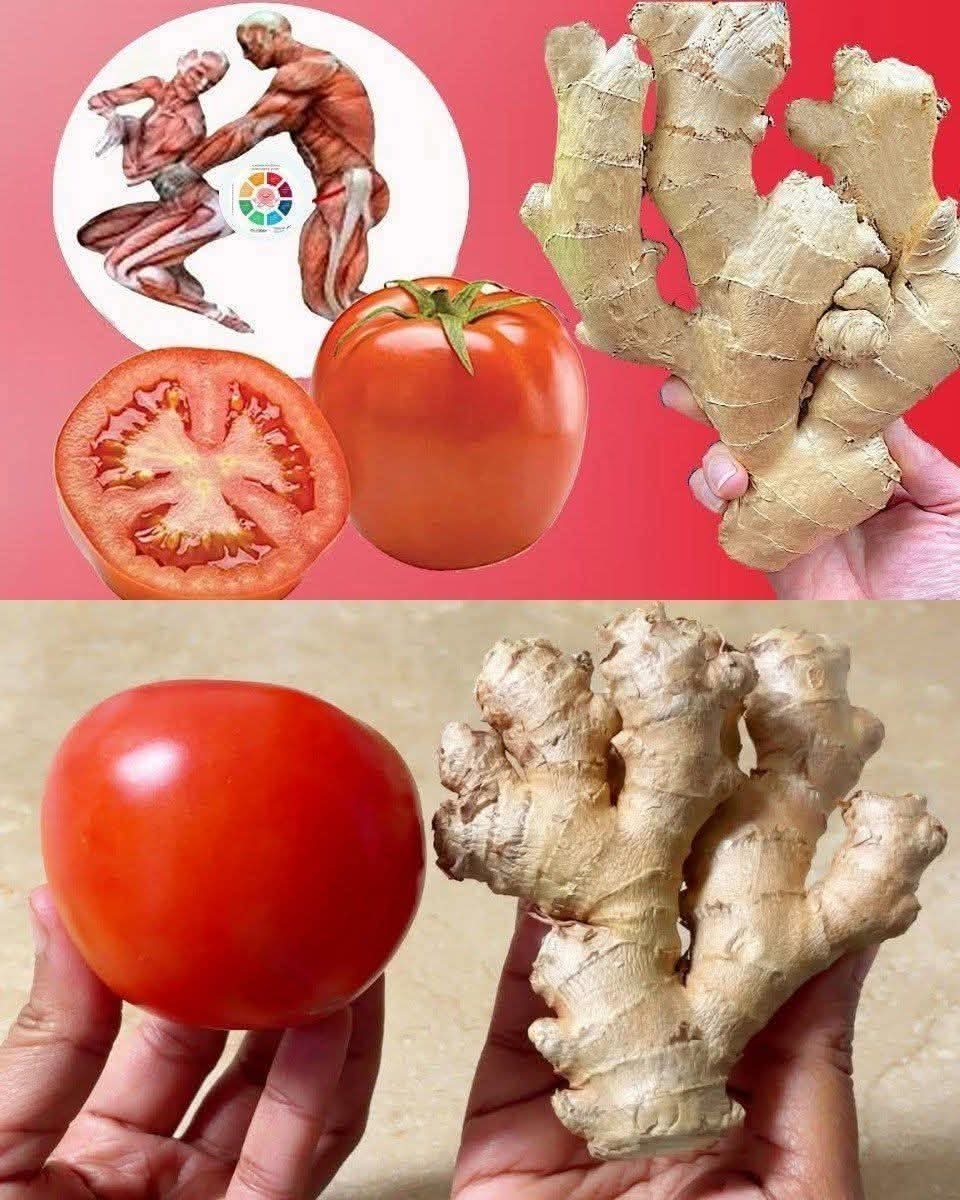
The image associated with this article presents tomatoes and ginger alongside an illustration of muscles and joints, suggesting their use as part of a natural approach to joint comfort. However, it is important to separate traditional wellness claims from established medical evidence. No tomato-and-ginger recipe has been proven to cure arthritis, repair damaged cartilage, or eliminate chronic joint disease. Still, incorporating nutrient-rich foods into an overall healthy eating pattern may support general health.
This article explains how tomatoes and ginger can fit into a healthy lifestyle, how to prepare a simple tomato-and-ginger drink or mixture, possible nutritional benefits, precautions, and practical ways to enjoy these ingredients.
Why Are Tomato and Ginger So Popular?
Tomatoes and ginger have very different nutritional profiles, but they complement one another surprisingly well.
Tomatoes are juicy, refreshing, naturally low in calories, and rich in several nutrients and plant compounds. One of the best-known compounds in tomatoes is lycopene, a carotenoid responsible for much of their red color.
Ginger, meanwhile, is an aromatic root traditionally used in cooking and herbal preparations. It contains pungent compounds known as gingerols, which contribute to its characteristic flavor.
When combined, tomato and ginger create a mixture that is:
- Rich in plant foods
- Naturally flavorful
- Easy to prepare
- Suitable for many meals
- A source of antioxidants and micronutrients
- Compatible with a generally healthy diet
Rather than thinking of the combination as a miracle remedy, it is more useful to consider it one small part of a nutritious dietary pattern.
Nutritional Benefits of Tomatoes
Tomatoes are botanically fruits, although they are commonly used as vegetables. They come in many varieties, including cherry, plum, beefsteak, heirloom, and Roma tomatoes.
Their nutritional value makes them a useful addition to everyday meals.
1. Tomatoes Provide Vitamin C
Vitamin C is an essential nutrient involved in normal immune function, collagen formation, and antioxidant protection.
Collagen is an important structural protein found throughout the body, including connective tissues.
Getting enough vitamin C through foods such as tomatoes, peppers, citrus fruits, berries, and broccoli can help support normal body functions.
However, eating tomatoes should not be interpreted as a treatment for joint disease.
2. Tomatoes Contain Lycopene
Lycopene is one of the most extensively studied compounds in tomatoes.
It belongs to the carotenoid family and contributes to the red color of ripe tomatoes.
Interestingly, the body can often absorb lycopene more efficiently from cooked tomatoes, particularly when tomatoes are prepared with a small amount of fat.
This is one reason tomato sauces and cooked tomato dishes can be nutritionally interesting.
Lycopene has antioxidant properties, although the health effects of individual antioxidants should not be exaggerated.
3. Tomatoes Supply Potassium
Potassium is an important mineral involved in:
- Normal muscle function
- Nerve signaling
- Fluid balance
- Blood pressure regulation
Tomatoes can contribute potassium to the diet, especially when consumed regularly alongside other fruits and vegetables.
4. Tomatoes Are Naturally Hydrating
Fresh tomatoes contain a large amount of water.
Adequate hydration is important for overall well-being and normal physical function.
While tomatoes cannot replace drinking water, foods with high water content can contribute to daily fluid intake.
The Nutritional Benefits of Ginger
Ginger has been used as a culinary spice and traditional herbal ingredient for centuries.
The root can be consumed fresh, dried, powdered, cooked, or steeped in hot water.
1. Ginger Contains Gingerols
Fresh ginger contains compounds known as gingerols.
These naturally occurring substances contribute to ginger’s:
- Spicy flavor
- Aroma
- Pungency
- Biological activity
When ginger is dried or heated, some compounds can change into related substances such as shogaols.
2. Ginger Has Traditionally Been Used for Digestion
Ginger is commonly consumed after meals or in teas.
Traditional uses include supporting comfortable digestion and reducing feelings of nausea.
Some research has investigated ginger for nausea and other digestive symptoms, although results depend on the specific condition, preparation, and amount consumed.
3. Ginger Is an Aromatic Addition to Meals
One advantage of ginger is that a small amount can dramatically change the flavor of a dish.
Instead of relying heavily on salt, sugar, or rich sauces, you can use ginger, garlic, herbs, lemon, and spices to create flavorful meals.
This can make healthy cooking more enjoyable.
Can Tomato and Ginger Help Joint Health?
This is one of the most important questions surrounding the combination.
There are many online claims suggesting that tomato and ginger can:
- Remove joint pain
- Rebuild cartilage
- Cure arthritis
- Eliminate inflammation
- Restore mobility
- Repair damaged joints
These claims are too strong.
There is no good evidence that simply drinking tomato and ginger juice can cure arthritis or reverse structural joint damage.
However, both foods contain compounds that have been investigated for their biological effects, and a diet rich in vegetables, fruits, herbs, whole grains, legumes, nuts, seeds, and other minimally processed foods is generally compatible with overall health.
The distinction is important:
A nutritious food can support a healthy lifestyle without being a cure for a disease.
A Simple Tomato and Ginger Drink
If you enjoy the combination, you can make a simple fresh drink at home.
Ingredients
- 2 medium ripe tomatoes
- 1 small piece of fresh ginger, about 1–2 cm
- ½ cup cold water
- 1–2 teaspoons fresh lemon juice, optional
- A few fresh mint leaves, optional
- A small pinch of black pepper, optional
Instructions
- Wash the tomatoes thoroughly.
- Cut the tomatoes into smaller pieces.
- Peel the ginger if desired.
- Grate or finely chop the ginger.
- Add the tomatoes and ginger to a blender.
- Add the water.
- Blend until smooth.
- Add lemon juice if desired.
- Taste and adjust the consistency with additional water.
- Serve immediately.
There is no need to add large quantities of ginger. A small amount provides plenty of flavor.
Tomato and Ginger Savory Juice
For people who prefer a savory drink, try this version.
Ingredients
- 2 ripe tomatoes
- 1 small piece fresh ginger
- ½ cucumber
- A few parsley leaves
- ½ cup water
- Small squeeze of lemon
- Pinch of black pepper
Method
Wash all ingredients carefully.
Cut the tomatoes and cucumber into chunks. Add everything to a blender and process until smooth.
You can drink it immediately or strain it if you prefer a thinner texture.
For maximum dietary fiber, consider leaving the mixture unstrained.
Why Keeping the Fiber Can Be Helpful
When fruits and vegetables are blended rather than strained, much of their natural fiber remains in the drink.
Fiber contributes to:
- Digestive health
- Feelings of fullness
- A healthy eating pattern
- Normal bowel function
For this reason, a smoothie-like preparation can sometimes be preferable to a clear juice.
If you use a juicer, much of the pulp may be removed.
A Warm Tomato and Ginger Soup
You don’t have to drink tomato and ginger.
One of the best ways to enjoy these ingredients is in soup.
Ingredients
- 5 ripe tomatoes
- 1 small onion
- 1–2 cm fresh ginger
- 2 garlic cloves
- 2 cups vegetable stock
- 1 tablespoon olive oil
- Black pepper
- Fresh basil
- Small amount of salt
Preparation
Heat the olive oil in a saucepan.
Add chopped onion and cook gently until softened.
Add minced garlic and grated ginger. Cook briefly while stirring.
Add chopped tomatoes and vegetable stock.
Bring the mixture to a gentle simmer.
Cook for approximately 20–25 minutes, allowing the tomatoes to soften completely.
Blend until smooth using a blender or immersion blender.
Add black pepper and a small amount of salt to taste.
Finish with fresh basil.
This preparation provides a much more substantial meal than a small glass of juice.
Tomato, Ginger, and Garlic Sauce
Another easy option is a homemade tomato sauce.
Ingredients
- 4 tomatoes
- 1 teaspoon grated ginger
- 2 garlic cloves
- 1 tablespoon olive oil
- Basil
- Oregano
- Black pepper
Cook the garlic and ginger gently in olive oil.
Add chopped tomatoes.
Simmer until the tomatoes break down and the sauce becomes thick.
Add herbs and pepper.
Serve over:
- Whole-grain pasta
- Brown rice
- Roasted vegetables
- Beans
- Lentils
- Grilled chicken
- Fish
This approach turns the ingredients into part of a complete meal.
Why Overall Diet Matters More Than One Ingredient
When people experience joint discomfort, they often search for one special food.
But human nutrition doesn’t work quite that way.
There is no single food that supplies everything the body needs.
A better approach is to build a dietary pattern around:
- Vegetables
- Fruits
- Whole grains
- Beans and lentils
- Nuts and seeds
- Fish or other protein sources
- Healthy fats
- Adequate water
- Moderate portions of highly processed foods
Tomato and ginger can fit comfortably into this pattern.
Foods That Pair Well With Tomato and Ginger
You can combine these ingredients with many other nutritious foods.
Tomatoes + Olive Oil
A small amount of olive oil can enhance the flavor of tomatoes and helps create satisfying meals.
Tomatoes + Garlic
Garlic provides additional flavor and plant compounds.
Tomatoes + Leafy Greens
Spinach, kale, arugula, and other greens can turn a tomato dish into a nutrient-dense meal.
Ginger + Lemon
Fresh ginger and lemon make a refreshing combination for beverages and dressings.
Ginger + Turmeric
These spices are frequently used together in cooking.
Tomatoes + Beans
Tomatoes work especially well with chickpeas, lentils, kidney beans, and white beans.
Tomato and Ginger Salad
A very simple salad can be prepared in minutes.
Ingredients
- 2 large tomatoes
- ½ cucumber
- 1 small piece grated ginger
- Fresh parsley
- Lemon juice
- Olive oil
- Black pepper
Instructions
Slice the tomatoes and cucumber.
Add grated ginger and chopped parsley.
Drizzle with lemon juice and olive oil.
Add black pepper.
Toss gently.
Serve fresh.
This is an easy way to include more vegetables in lunch or dinner.
Does Ginger Reduce Inflammation?
Ginger has been investigated for possible effects related to inflammation and pain pathways.
Some clinical research has explored ginger preparations in conditions involving pain, including certain forms of osteoarthritis.
However, research results do not mean that drinking homemade ginger juice will necessarily produce the same effect as a standardized preparation used in a clinical study.
Dosage, preparation, individual health status, and study design all matter.
Therefore, it is more accurate to say:
Ginger is an interesting food that has been studied for potential anti-inflammatory and pain-related effects, but it should not be promoted as a guaranteed treatment for arthritis or chronic pain.
What About Tomatoes and Inflammation?
Tomatoes contain numerous nutrients and plant compounds, including lycopene, vitamin C, and other carotenoids.
Some laboratory and observational research has investigated relationships between tomato consumption, oxidative stress, and inflammatory processes.
However, individual foods should not be treated as medications.
If you notice that a particular food consistently causes symptoms for you, discuss this with a healthcare professional rather than relying on internet claims.
Is Tomato Safe for Everyone?
For most people, tomatoes are a normal and nutritious food.
However, individual tolerance varies.
Tomatoes are acidic and can aggravate symptoms in some people who experience acid reflux or similar digestive discomfort.
Tomato products can also contain significant amounts of sodium when commercially prepared, particularly canned soups, sauces, and juices.
Choosing fresh tomatoes or low-sodium products can help control sodium intake.
Is Ginger Safe for Everyone?
Ginger is commonly used as a food ingredient, but larger supplemental amounts may not be appropriate for everyone.
Some people may experience:
- Heartburn
- Stomach discomfort
- Diarrhea
- Mouth irritation
People taking medications that affect blood clotting, or people preparing for surgery, should discuss concentrated ginger supplements with a healthcare professional.
Pregnant people should also seek individualized medical advice before using medicinal or concentrated amounts of ginger.
Food amounts and high-dose supplements are not necessarily equivalent.
A Note About Joint Pain
Joint pain has many possible causes.
It can result from:
- Osteoarthritis
- Rheumatoid arthritis
- Injuries
- Tendon problems
- Bursitis
- Gout
- Infections
- Autoimmune conditions
- Overuse
- Other medical conditions
Because the causes differ, treatment differs as well.
If joint pain is persistent, severe, worsening, associated with swelling, or interfering with normal activities, it is important to obtain appropriate medical evaluation.
A tomato-and-ginger recipe should complement—not replace—professional care.
Lifestyle Habits That May Support Healthy Joints
Food is only one part of joint health.
Maintain Regular Physical Activity
Appropriate movement helps maintain strength, mobility, and physical function.
Depending on the individual, activities can include:
- Walking
- Swimming
- Cycling
- Strength training
- Stretching
- Water exercise
- Low-impact aerobics
People with painful joints should choose activities appropriate for their condition.
Maintain a Healthy Body Weight
For people carrying excess body weight, gradual weight reduction can reduce mechanical stress on weight-bearing joints.
Even modest changes may be meaningful.
A sustainable approach is generally preferable to extreme diets.
Strengthen the Muscles Around Joints
Strong muscles can help support movement and physical function.
For example, strengthening the muscles around the hips and knees can be useful for people dealing with certain types of joint problems.
A physical therapist can provide individualized exercises when necessary.
The Importance of Protein
Joint health isn’t just about vegetables and spices.
Protein is important for maintaining muscle tissue.
Good protein sources include:
- Eggs
- Fish
- Poultry
- Yogurt
- Beans
- Lentils
- Tofu
- Nuts and seeds
A balanced diet combining protein with vegetables, whole grains, and healthy fats can be more beneficial than focusing on a single “superfood.”
Hydration and Joint Comfort
Water is essential for many physiological processes.
Although drinking tomato and ginger juice can contribute to fluid intake, plain water should remain an important part of hydration.
There is no need to rely on special drinks to maintain normal hydration.
How Often Can You Eat Tomato and Ginger?
There is no universal requirement to consume this combination every day.
Tomatoes can be enjoyed regularly as part of a varied diet.
Ginger can be used in cooking, teas, soups, sauces, smoothies, and dressings.
The goal should be variety.
Instead of consuming the same mixture repeatedly, rotate different vegetables, fruits, herbs, spices, protein sources, and whole grains throughout the week.
Fresh Ginger vs. Ground Ginger
Both forms can be useful.
Fresh Ginger
Fresh ginger has a bright, spicy flavor and works particularly well in:
- Smoothies
- Soups
- Stir-fries
- Dressings
- Teas
Ground Ginger
Ground ginger is convenient for:
- Baking
- Spice blends
- Sauces
- Marinades
- Warm beverages
They are not identical in flavor or chemical composition, so recipes may require different quantities.
How to Choose Good Tomatoes
Look for tomatoes that are:
- Firm but not rock-hard
- Free from major bruising
- Pleasantly fragrant
- Naturally colored for their variety
- Free from mold or significant damage
Ripe tomatoes generally provide better flavor.
Different varieties can also be used depending on the recipe.
How to Choose Fresh Ginger
Fresh ginger should feel relatively firm.
Avoid pieces that are:
- Very soft
- Moldy
- Wet or slimy
- Strongly shriveled
The skin does not need to be perfectly smooth.
Small knobs and irregular shapes are completely normal.
Storage Tips
Store fresh tomatoes according to their ripeness and variety.
Fully ripe tomatoes are often best used relatively soon for maximum flavor.
Fresh ginger can be refrigerated for longer storage.
You can also peel and grate ginger before freezing it in small portions.
This makes it easy to add a small amount to soups, sauces, or smoothies.
A Seven-Day Healthy Meal Idea
If your goal is to include more tomatoes and ginger in your diet, consider a varied weekly approach.
Day 1
Tomato, cucumber, parsley, and ginger salad.
Day 2
Tomato and ginger vegetable soup.
Day 3
Grilled fish with tomato and ginger salsa.
Day 4
Lentils cooked with tomatoes, garlic, and ginger.
Day 5
Whole-grain pasta with homemade tomato-ginger sauce.
Day 6
Vegetable stir-fry with fresh ginger and tomatoes.
Day 7
Fresh tomato smoothie with a small amount of ginger and lemon.
This approach keeps meals interesting rather than turning one recipe into a daily obligation.
Common Mistakes to Avoid
Mistake 1: Expecting a Miracle Cure
Tomatoes and ginger are foods, not guaranteed cures.
Mistake 2: Using Excessive Ginger
More is not necessarily better.
Large amounts can cause digestive discomfort.
Mistake 3: Adding Too Much Sugar
Some homemade “health drinks” become sugar-heavy when honey, sugar, syrups, or sweetened juices are added.
If you enjoy the natural flavor, there may be no need for added sweeteners.
Mistake 4: Replacing Medical Treatment
If you have diagnosed arthritis or another medical condition, don’t stop prescribed treatment because of a social-media recipe.
Mistake 5: Focusing on One Food
Joint health involves physical activity, muscle strength, weight management when appropriate, sleep, nutrition, and medical care when needed.
Frequently Asked Questions
Can tomato and ginger cure arthritis?
No. There is no established evidence that a tomato-and-ginger mixture cures arthritis or reverses joint damage.
Can I drink tomato and ginger every day?
For most healthy adults, moderate food quantities can fit into a varied diet. However, individual tolerance differs, particularly with ginger and acidic tomatoes.
Is ginger good for joint pain?
Ginger has been studied for possible effects on pain and inflammatory pathways, but it should not be considered a guaranteed treatment.
Is tomato good for the body?
Yes. Tomatoes provide vitamin C, potassium, carotenoids such as lycopene, water, and other nutrients.
Should I drink it on an empty stomach?
There is no special requirement to consume tomato and ginger on an empty stomach. In fact, people who experience reflux or stomach irritation may prefer consuming them with food.
Can I add lemon?
Yes. Lemon can add freshness and acidity, although people sensitive to acidic foods may prefer to leave it out.
Can I use powdered ginger?
Yes. Ground ginger can be used, although its flavor differs from fresh ginger.
Can this drink replace medicine?
No. It should not replace medication prescribed by a qualified healthcare professional.
Final Thoughts
Tomatoes and ginger are inexpensive, versatile ingredients that can easily become part of a nutritious eating pattern.
Tomatoes provide vitamin C, potassium, lycopene, water, and other plant compounds. Ginger contributes characteristic flavor and naturally occurring compounds such as gingerols. Together, they can be used in fresh drinks, soups, salads, sauces, marinades, and everyday meals.
Their potential role in supporting general health is interesting, but online claims often go far beyond the available evidence. Tomato and ginger should not be presented as a cure for arthritis, cartilage damage, or chronic joint pain.
For people interested in joint health, a much broader strategy is appropriate: eat a varied diet rich in vegetables and fruits, obtain adequate protein and essential nutrients, remain physically active within your abilities, maintain a healthy body weight when appropriate, stay hydrated, and seek medical evaluation for persistent or unexplained joint symptoms.
A simple tomato-and-ginger recipe can be a delicious part of that lifestyle—but the real benefit comes from the overall pattern of healthy habits, not from a single magical ingredient.
Easy Tomato and Ginger Recipe Card
Recipe: Fresh Tomato & Ginger Wellness Blend
Prep Time: 10 minutes
Servings: 2
Difficulty: Easy
Ingredients
- 2 ripe tomatoes
- 1–2 cm fresh ginger
- ½ cup water
- 1 teaspoon lemon juice
- Fresh mint or parsley, optional
- Pinch of black pepper, optional
Directions
- Wash the tomatoes.
- Cut them into chunks.
- Wash, peel, and grate the ginger.
- Place tomatoes, ginger, and water into a blender.
- Blend until smooth.
- Add lemon juice.
- Add herbs or pepper if desired.
- Serve immediately.
Helpful Tip
For a more filling option, keep the mixture unstrained so that more of the natural fiber remains.
Important Reminder
This recipe is a food and not a medical treatment. If you have ongoing joint pain, swelling, stiffness, or reduced mobility, speak with a qualified healthcare professional to determine the underlying cause and appropriate treatment.
Enjoy tomato and ginger as part of a colorful, balanced diet—and remember that consistency, variety, movement, and overall lifestyle matter far more than any single food.