Let’s Approach This With Calm, Prepared Wisdom
Oh, my dear friend, this is one of those topics that we must take very seriously—but we can approach it with calm, prepared wisdom rather than panic.
I’ll never forget the day I realized how quickly an allergic reaction can escalate. A friend of mine—healthy, active, in her late sixties—bit into a piece of fish she’d eaten dozens of times before. Within minutes, her skin flushed, her throat felt tight, and a rash bloomed across her chest. She’d never had a food allergy in her life. But that day, she learned the hard way that allergies can develop at any age.
At 73, living alone in my cozy farmhouse, I’ve made it my personal mission to be the best, calmest advocate for my own health. Between keeping a watchful eye on my circulation, monitoring those sudden unexplained purple blotches on my arms, and staying proactive about recognizing the early warning signs of serious medical conditions, I know one thing for certain: knowing the red flags is our greatest protection.
So, I put the kettle on, brewed a soothing cup of my favorite chamomile tea, and reflected on the important health science behind this specific warning. Grab your favorite cozy sweater, and let’s separate the fear from the facts so you can feel empowered, prepared, and completely in control of your well-being.
The Connection Between Skin and Breathing: Why They Matter Together
Let’s start with something gentle but essential: Your skin and your respiratory system are deeply connected when it comes to allergic reactions.
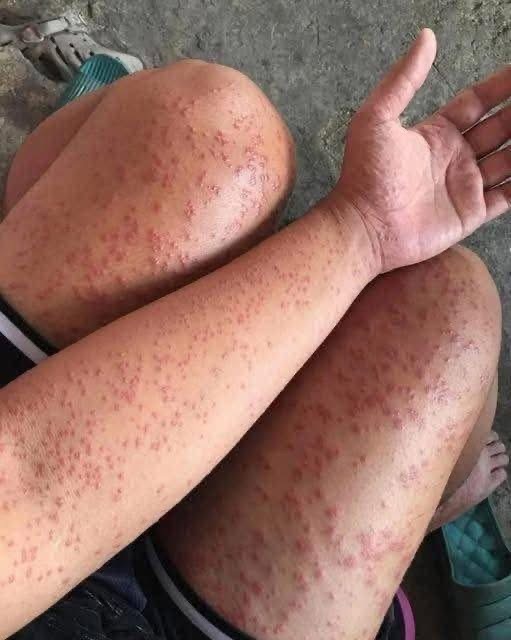
When your body encounters an allergen it considers dangerous—like certain foods, medications, insect stings, or latex—it releases a flood of chemicals, including histamine. These chemicals cause blood vessels to leak fluid into surrounding tissues. That’s what triggers those telltale signs:
- Hives or rash – Red, itchy, raised welts on the skin
- Swelling – Especially of the lips, tongue, face, or throat
- Breathing changes – Wheezing, shortness of breath, or a feeling of tightness in the chest
Here’s the crucial point: when a rash appears alongside breathing trouble, it’s no longer just a simple allergy. It’s a warning that the reaction may be systemic—affecting your whole body—and could be progressing toward something much more serious.
What Is Anaphylaxis? (And Why It Matters)
The medical term for this severe, whole-body allergic reaction is anaphylaxis. It’s not just a bad case of hives. Anaphylaxis is a life-threatening emergency that requires immediate treatment.
According to organizations like the American Academy of Allergy, Asthma & Immunology (AAAAI), anaphylaxis can involve:
- Skin symptoms like hives, redness, or itching
- Swelling of the throat or tongue that can block your airway
- Difficulty breathing or wheezing
- Dizziness, fainting, or a sudden drop in blood pressure
- Nausea, vomiting, or abdominal cramps
- A feeling of impending doom or anxiety
The scariest part? Anaphylaxis can progress very quickly—sometimes within minutes—and it can be fatal if not treated promptly.
But here’s the empowering truth: anaphylaxis is highly treatable, especially when you catch it early. The standard treatment is epinephrine (commonly known as an EpiPen), which works rapidly to reverse the reaction and open your airways. That’s why prompt action—and knowing what to do—saves lives.
Who Is at Risk?
Here’s something that often surprises people: allergies don’t always show up in childhood. You can develop a severe allergy at any age—in your 40s, 60s, or even 80s.
You may be at higher risk if you:
- Have a history of allergies, asthma, or eczema
- Have experienced a mild allergic reaction in the past (which can sometimes worsen with subsequent exposures)
- Are managing chronic conditions that affect your immune system
- Take multiple medications, as drug allergies are common in older adults
But even if none of these apply to you, it’s wise to be aware. Allergies can be unpredictable—and knowledge is your best defense.
Red Flags: When to Get Help Immediately
If you or someone near you experiences any of these symptoms together, don’t wait. Don’t hesitate. Call 911 or go to the nearest emergency room right away:
- Skin: Hives, flushing, itching, or swelling on the face, lips, or tongue
- Breathing: Wheezing, shortness of breath, coughing, or a sensation of throat tightness
- Stomach: Nausea, vomiting, or diarrhea
- Heart/Dizziness: Feeling faint, lightheaded, or weak
- Mental: Confusion or a sense of panic
One helpful way to remember these signs is the “two or more systems” rule. If the reaction affects two different parts of your body—say, your skin and your breathing—it’s a strong indicator of anaphylaxis and requires emergency care.
What to Do in an Emergency (Step by Step)
Let’s walk through this gently, so you feel prepared—not frightened.
If You Have an Epinephrine Auto-Injector (EpiPen):
- Use it immediately. Do not wait to see if symptoms get better on their own—they won’t.
- Inject it into the outer thigh (through clothing if necessary) and hold for the recommended time (usually 5-10 seconds).
- Call 911 or have someone drive you to the ER—even if you feel better after the injection. You may need a second dose or further medical monitoring.
If You DON’T Have an EpiPen:
- Call emergency services immediately(911 or your local emergency number).
- Stay as calm as possible. Try to sit upright—do not lie flat, as this can affect your breathing. If you feel dizzy, sit with your legs elevated.
- If the person is unconscious or not breathing, start CPR if you’re trained, and continue until help arrives.
- Do NOT try to induce vomiting or give anything by mouth unless directed by a medical professional.
Preventing Allergic Reactions in Daily Life
While not every allergy is preventable, there are practical steps that can reduce your risk—especially if you know you have certain sensitivities.
For Food Allergies:
- Read labels carefully. Ingredients can change without notice.
- When dining out, ask about preparation methods and potential cross-contamination.
- Wear a medical alert bracelet if you have a known severe allergy.
For Medication Allergies:
- Keep a list of all your medications and known allergies—and share it with every healthcare provider you see.
- Ask questions before starting a new medication, especially antibiotics or NSAIDs (like ibuprofen).
For Insect Stings:
- Avoid wearing brightly colored clothing or scented lotions outdoors.
- Wear shoes and long sleeves in grassy or wooded areas.
- If you know you’re allergic, carry your EpiPen at all times.
For Latex Allergies:
- Ask for non-latex gloves during medical visits.
- Be mindful of products like rubber bands, balloons, or household gloves that may contain latex.
A Gentle Reminder: You Are Not Overreacting
One of the most common concerns I hear from friends—especially women of my generation—is: “I don’t want to make a fuss.” Or, “I’m sure it’s nothing.”
Dear heart, let me tell you: when it comes to breathing, there is no such thing as overreacting. Our bodies are wise, and they send us signals for a reason. Trusting those signals—and acting on them—is not fear. It’s wisdom.
If you ever find yourself wondering, “Should I call someone?” the answer is always yes. Better to be safe and reassured than to wait and worry. Your health is too precious to gamble with.
Frequently Asked Questions
Can a rash alone be a sign of anaphylaxis?
Yes—but usually not by itself. A widespread rash or hives can occur without breathing issues. However, if a rash is accompanied by any breathing changes, dizziness, or swelling of the face, it’s an emergency.
Can allergies develop later in life?
Absolutely. Adult-onset allergies are more common than many people realize. Foods, medications, and insect stings are frequent culprits.
What if I have asthma—does that increase my risk?
Yes. People with asthma may be more prone to severe allergic reactions, and breathing symptoms can escalate more quickly. If you have asthma, be especially vigilant about any allergy-related changes in your breathing.
Is it safe to take an antihistamine instead of using an EpiPen?
No. Antihistamines work too slowly for anaphylaxis. They can be used for mild allergic reactions but should never be a substitute for epinephrine in emergencies.
Can stress cause allergic reactions?
Stress doesn’t cause allergies, but it can worsen symptoms or lower your body’s ability to handle them. Managing stress is always a good idea—but if you have skin rash and breathing trouble, treat it as a medical emergency regardless of stress levels.
Final Thoughts: Empowerment Over Fear
My dear friend, I hope this article has given you clarity rather than alarm. The goal here isn’t to make you fearful—it’s to help you feel prepared.
You now know the warning signs. You know when to act. And you know that taking quick action isn’t panic—it’s self-care at its most powerful.
So keep that cozy sweater close, your chamomile tea warm, and your awareness gentle but sharp. You are your own best advocate, and you deserve to feel safe, informed, and in control of your health.