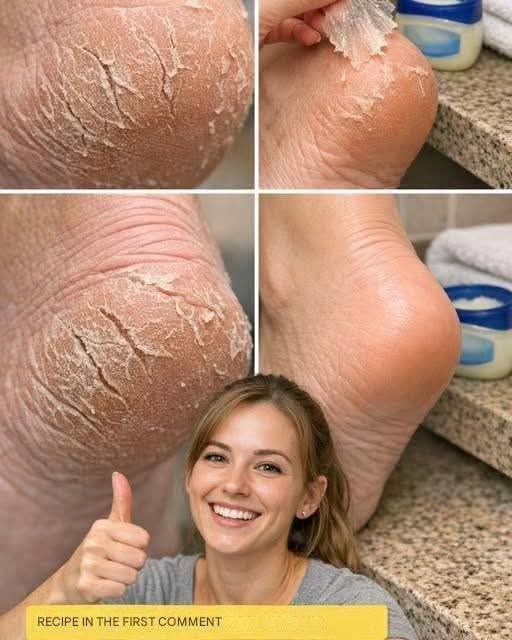
How to Heal Cracked Heels Naturally: The Complete Guide to Soft, Healthy Feet
Introduction
Cracked heels are one of the most common foot problems affecting people of all ages. While they may begin as a minor cosmetic concern, untreated cracked heels can become painful, bleed, and even lead to infections. Dry skin, prolonged standing, walking barefoot, obesity, aging, cold weather, and certain medical conditions can all contribute to this frustrating problem.
Fortunately, cracked heels can often be treated successfully at home with proper care, regular exfoliation, and deep moisturization. A consistent foot-care routine helps restore the skin’s natural barrier, keeping your heels smooth, healthy, and comfortable.
This comprehensive guide explains everything you need to know about cracked heels, including their causes, symptoms, prevention tips, natural remedies, and the best ingredients to restore soft feet.
What Are Cracked Heels?
Cracked heels, medically known as heel fissures, occur when the skin around the heel becomes excessively dry and thick. As pressure is applied while standing or walking, the hardened skin splits, creating painful cracks.
Initially, these cracks may only affect the outer layer of skin. However, if ignored, they can deepen and become painful enough to make walking difficult.
Common Causes of Cracked Heels
Several factors contribute to dry, cracked heels:
- Dry skin
- Walking barefoot
- Wearing open-back shoes or sandals
- Standing for long periods
- Obesity
- Cold or dry climates
- Aging
- Hot showers
- Harsh soaps
- Poor foot hygiene
- Diabetes
- Eczema
- Psoriasis
- Thyroid disorders
Most cases are caused by a combination of dry skin and excessive pressure on the heel.
Symptoms
Common signs include:
- Rough skin
- Thick calluses
- White or yellow patches
- Flaky skin
- Deep cracks
- Pain while walking
- Bleeding
- Itching
- Redness
- Swelling in severe cases
If infection develops, symptoms may include warmth, pus, or increasing pain.
Why Moisturizing Is Essential
Healthy skin contains natural oils that keep it flexible. When moisture is lost, skin becomes brittle and prone to cracking.
Daily moisturizing restores hydration and strengthens the skin barrier, preventing future damage.
Look for creams containing:
- Urea
- Glycerin
- Shea butter
- Coconut oil
- Petroleum jelly
- Lactic acid
- Aloe vera
- Ceramides
These ingredients soften thick skin while locking in moisture.
Daily Foot Care Routine
Following a simple routine can dramatically improve heel health.
Step 1: Soak Your Feet
Soak your feet in warm water for 15–20 minutes to soften dead skin.
Step 2: Exfoliate
Use a pumice stone or foot file gently to remove thick, dry skin. Avoid excessive scrubbing.
Step 3: Apply Moisturizer
Immediately after drying your feet, apply a thick moisturizing cream.
Step 4: Wear Cotton Socks
Cotton socks help lock in moisture overnight for deeper hydration.
Best Natural Remedies
Coconut Oil
Rich in healthy fatty acids, coconut oil deeply moisturizes dry skin and may help reduce inflammation.
Apply before bedtime and wear socks overnight.
Aloe Vera Gel
Aloe vera hydrates the skin while promoting healing.
Use pure aloe vera gel on clean heels daily.
Shea Butter
Packed with vitamins A and E, shea butter nourishes extremely dry skin.
Massage generously into cracked heels twice daily.
Honey
Honey is a natural humectant that attracts moisture and has mild antibacterial properties.
Mix honey with warm water for a relaxing foot soak.
Olive Oil
Olive oil contains antioxidants and healthy fats that soften rough skin.
Massage a small amount into your heels after bathing.
Petroleum Jelly
Petroleum jelly creates a protective barrier that locks moisture into the skin, making it especially effective for severely dry heels.
Prevention Tips
Preventing cracked heels is easier than treating them.
- Moisturize your feet every day.
- Wear supportive, closed-back shoes.
- Avoid walking barefoot on hard surfaces.
- Drink enough water.
- Use gentle soaps.
- Exfoliate once or twice a week.
- Wear cotton socks.
- Maintain a healthy weight.
- Protect your feet during winter.
Foods That Support Healthy Skin
Nutrition also plays an important role in skin health.
Include foods rich in:
- Vitamin A
- Vitamin C
- Vitamin E
- Zinc
- Omega-3 fatty acids
- Protein
- Biotin
Drink plenty of water each day to help keep skin hydrated from the inside.
When to See a Doctor
Seek medical advice if:
- Cracks are deep or bleeding.
- Walking becomes painful.
- Signs of infection appear.
- Home treatments do not improve symptoms after two weeks.
- You have diabetes or poor circulation.
Early treatment helps prevent complications.
Common Myths
Myth: Only older adults get cracked heels.
Fact: Anyone can develop cracked heels.
Myth: Drinking more water alone cures cracked heels.
Fact: Hydration helps, but external moisturization is also necessary.
Myth: Cutting off thick skin is safe.
Fact: This can cause injury and infection.
Conclusion
Cracked heels are common but highly treatable with consistent care. Regular moisturizing, gentle exfoliation, proper footwear, and good nutrition can restore soft, healthy feet and prevent future cracking. While most cases respond well to home care, severe or persistent cracks should be evaluated by a healthcare professional, especially for people with diabetes or circulation problems.
By following a simple daily foot-care routine and using effective moisturizing ingredients, you can enjoy smoother, healthier heels throughout the year.