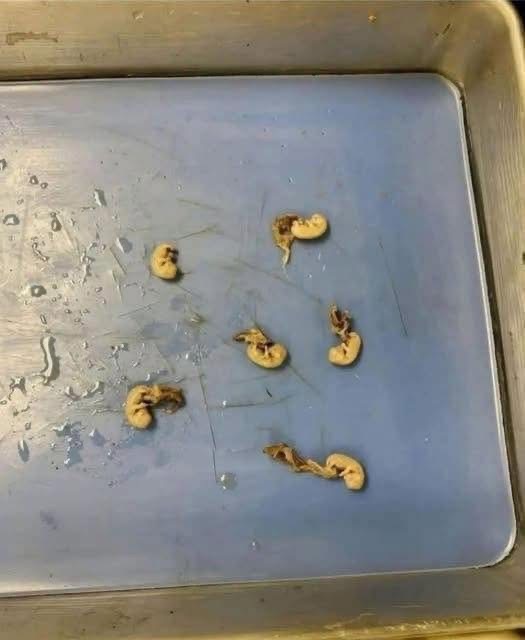
Subtitle: Oh, my dear friend, I know headlines like this can make your heart skip a beat!
Let me tell you about the first time I heard about the hidden threats in seeds.
I was in my late thirties, and I was reading an article about the potential dangers of seeds. I was surprised. I thought seeds were healthy.
I did some research, and I learned that there are some specific situations where seeds can be a problem.
The Real Story: Seeds Are Generally Superfoods!
First, let’s get this straight: Seeds are incredibly healthy for most people! Chia seeds, flaxseeds, pumpkin seeds, sunflower seeds, sesame seeds—they’re packed with:
- Healthy fats (omega-3s and monounsaturated fats) that support circulation and brain health.
- Fiber for digestive health and steady blood sugar.
- Magnesium, zinc, and selenium for immune function and cellular defense.
- Antioxidants that fight inflammation.
For the vast majority of us, seeds are a wonderful, nourishing addition to our diet.
The Actual Hidden Threats (And How to Handle Them)
1. Cyanogenic Compounds in Fruit Pits and Seeds
This is the one that makes the scary headlines! Apple seeds, cherry pits, apricot kernels, and peach pits contain compounds that can release cyanide when chewed or digested.
The Reality Check. You would need to chew and swallow a very large number of these seeds to experience any toxic effects. Accidentally swallowing a few apple seeds or a cherry pit is not dangerous. The real risk comes from intentionally consuming large quantities of crushed apricot kernels or bitter almond extracts, which some alternative health circles mistakenly promote.
My Rule. Don’t intentionally chew or consume fruit pits and seeds. If you accidentally swallow a few, don’t panic! Your body can handle it.
2. Aflatoxin Contamination
What it is. Aflatoxins are toxic compounds produced by certain molds.
The risk. They can contaminate seeds and nuts.
The problem. Aflatoxins can be harmful to the liver.
The solution. Buy high-quality seeds from reputable sources.
The prevention. Store seeds properly to prevent mold growth.
My Rule. Store seeds in a cool, dry place, and discard any that look or smell moldy.
3. Phytic Acid
What it is. Phytic acid is an “anti-nutrient” that can bind to minerals and reduce their absorption.
The risk. It can reduce the absorption of iron, zinc, and calcium.
The problem. This can be a concern for people with nutrient deficiencies.
The solution. Soak or sprout seeds before eating them.
The prevention. Soaking and sprouting reduce phytic acid.
My Rule. Soak or sprout seeds before eating them for better nutrient absorption.
4. Allergies
What it is. An allergic reaction to seeds.
The risk. Can cause a range of symptoms, from mild to severe.
The problem. Seed allergies are not as common as peanut or tree nut allergies, but they do occur.
The solution. Avoid seeds you are allergic to.
The prevention. Read food labels carefully.
My Rule. If you have a known seed allergy, avoid all seeds.
How to Enjoy Seeds Safely
Choose high-quality seeds. Buy seeds from reputable sources.
Store them properly. Store seeds in a cool, dry place.
Soak or sprout them. Soaking and sprouting improve digestibility.
Don’t overconsume. Eat seeds in moderation.
Be mindful of allergies. Be aware of any seed allergies.
Don’t chew fruit pits. Don’t intentionally chew fruit pits.
Frequently Asked Questions
Are seeds healthy?
Yes, they are packed with nutrients.
Are there any risks?
Yes, but they are manageable.
What are aflatoxins?
Toxic compounds produced by certain molds.
What is phytic acid?
An “anti-nutrient” that can reduce mineral absorption.
Can I be allergic to seeds?
Yes, though it’s not as common as other allergies.
A Final Thought
When I learned about the hidden threats in seeds, I felt more informed and empowered. It’s a reminder to be mindful and proactive about my health.