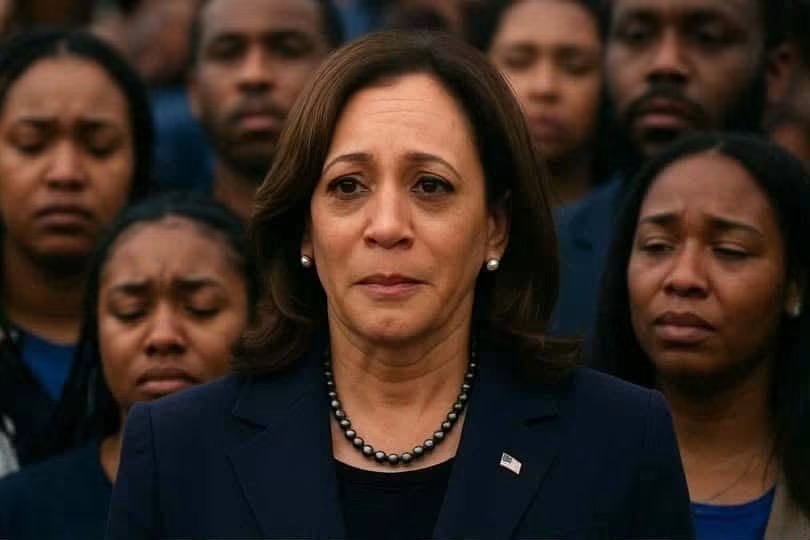
A Historic Turning Point: Kamala Harris Secures the Democratic Presidential Nomination
In a moment poised to reshape the trajectory of American political history, Kamala Harris has officially been confirmed as the Democratic Party nominee for President of the United States. The decisive vote took place during the Democratic National Convention in California, where delegates from all fifty states, United States territories, and the District of Columbia cast their ballots in overwhelming support of her candidacy. The announcement sparked emotional reactions inside the convention hall, with delegates erupting into cheers and applause as confetti filled the air.
The Path to the Nomination
Harris ascended to the top of the Democratic ticket with remarkable speed following President Joe Biden unexpected decision to withdraw from the reelection race. In a nationally televised address, Biden described Harris as the right person at the right time, praising her leadership, experience, and dedication to justice while formally endorsing her candidacy. Following that endorsement, Democratic leaders quickly rallied behind her. Support poured in from progressive activists, moderate Democratic governors, labor unions, and grassroots organizers across the country. Within days, the party had largely unified around her campaign.
This rapid consolidation builds upon a long and influential career in public service. Before becoming Vice President, Harris served as the District Attorney of San Francisco, the Attorney General of California, and a United States Senator from California. Her legal background and policy experience have helped shape her reputation as a skilled prosecutor, policy strategist, and national political leader.
A Historic Milestone
A Historic Milestone
Beyond the immediate political mechanics, this confirmation represents a defining milestone in American politics. With this nomination, Harris becomes the first woman of color and only the second woman in United States history to lead a major political party presidential ticket. She is also the first Black and South Asian woman to achieve this distinction. For many observers and millions of voters, the moment represents more than just a political event. It marks a profound symbolic moment of representation and change, highlighting the growing influence of diverse leadership in American politics. Her personal story resonates deeply with many Americans, as she is the daughter of an Indian immigrant mother and a Jamaican immigrant father, raised in Oakland during a period of major civil rights activism.
The Campaign Platform and Strategy
As the Democratic nominee, Harris has already begun outlining the major priorities of her presidential campaign. Her platform is expected to focus on three central pillars. First, she has repeatedly emphasized the importance of protecting reproductive rights, describing them as fundamental to personal freedom and healthcare access. Second, economic equity will remain a major focus, particularly regarding job growth, middle class tax policy, affordable housing, and support for working families. Third, Harris has highlighted climate change as a defining challenge of the century, calling for urgent action and investment in clean energy innovation.
Furthermore, Harris has signaled that her campaign will draw strong contrasts with her Republican opponent. Her messaging frames the upcoming election as a broader national choice between democracy and division, inclusion and exclusion, and progress and regression. By presenting the election in these terms, her campaign hopes to mobilize a broad coalition of voters, including young voters, suburban women, working class families, and communities of color. Democratic strategists believe this coalition is key to winning several critical swing states.
Momentum and Challenges Ahead
Within hours of the nomination announcement, early indicators suggested a surge of enthusiasm within the Democratic Party. Campaign officials reported that fundraising donations spiked dramatically, volunteer signups increased across key battleground states, and social media engagement surged nationwide. Political analysts note that early momentum can be an important factor in shaping the narrative of a presidential campaign.
However, the path to the White House remains challenging. The general election is only months away, leaving limited time to unite all factions within the Democratic Party, define her policy vision in detail, build campaign infrastructure across swing states, and counter a well organized Republican campaign. Presidential elections in the United States are among the most expensive and competitive political contests in the world, and the next several months will determine whether this historic nomination can translate into electoral victory.
Common Questions Addressed
Many observers have questions regarding this unprecedented political shift. Kamala Harris is the current Vice President of the United States and the Democratic Party nominee for president, having previously served as a United States senator and attorney general of California. Her nomination is historic because she is the first Black and South Asian woman to lead a major party presidential ticket in United States history. President Joe Biden stepped aside from the race and endorsed Harris, citing her experience and leadership abilities as the driving factors. The United States presidential election is scheduled for November, when voters across the country will decide the next president. Leading up to that date, her campaign is expected to emphasize reproductive rights, economic equity, and climate action as core priorities.
Conclusion
The confirmation of Kamala Harris as the Democratic presidential nominee marks a defining moment in American political history. It represents both a milestone in representation and the beginning of one of the most closely watched presidential campaigns in recent years. As the election approaches, the coming months will reveal whether this historic nomination can transform into electoral victory or simply stand as a powerful symbol of how far the nation political landscape has evolved. One thing is certain, this moment will be remembered as a turning point in modern American politics.