Although critters are a natural part of the world and should be respected from a distance, that does not mean we want them making themselves at home in our houses or gardens. Traditional traps and poisons are cruel and dangerous, but many of us long for a gentle, do-it-yourself method that will simply deter unwanted pests and encourage them to stay out in the wild where they belong.
Recently, a viral social media post by a woman named Elizabeth Liesch caught the internet’s attention. She shared that she successfully keeps mice, rats, skunks, snakes, coyotes, and javelina away from her property. Her method involved cutting V shapes into plastic containers, filling them with water, and dropping in four to six mothballs, claiming the water-soluble scent lasts a long time and drives pests away.
It sounds like a simple, clever trick. However, before you rush to buy mothballs and set them around your yard, we need to pause for a very important safety conversation.
While the intention behind this do-it-yourself hack is wonderful, wanting to deter pests without harming them, the use of mothballs outdoors in water is actually highly dangerous, illegal in many places, and harmful to the exact environment we are trying to protect.
Let us explore why we need to skip the mothballs, and instead look at truly safe, humane, and minimal-ingredient do-it-yourself methods to keep your home pest-free.
The Truth About Mothballs: Why We Must Skip Them
It is incredibly important to understand that mothballs are not just strong-smelling deodorizers. They are solid pesticides. They are made of either naphthalene or paradichlorobenzene, both of which are toxic chemicals.
Why the mothball in water hack is dangerous requires careful consideration. First, it is illegal. In the United States, the Environmental Protection Agency strictly regulates mothballs. It is a violation of federal law to use them outdoors, in water, or in any manner not specified on the product label.
Second, water contamination is a serious risk. Because mothballs are water-soluble, the toxic chemicals leach directly into the soil and local groundwater, harming the ecosystem we are trying to protect.
Third, pet and wildlife toxicity is a major concern. Dogs, cats, and wild animals are highly attracted to the smell and may eat them. Ingesting even one mothball can be fatal to a pet or a wild bird.
Fourth, human health is at risk. The fumes are toxic to humans, especially children, and can cause respiratory issues and headaches.
We want to coexist peacefully with nature, not poison the soil and water to do it. Fortunately, there are beautifully simple, non-toxic alternatives that work just as well.
The Safe, Three-Ingredient Do-It-Yourself Pest Deterrent Spray
Safe, Three-Ingredient Do-It-Yourself Pest Deterrent Spray
If you love simple, minimal-ingredient solutions that are gentle on the earth but tough on pests, this homemade peppermint spray is your new best friend. Mice, rats, spiders, and even some larger mammals absolutely despise the strong scent of peppermint.
What you will need: one cup of water, one tablespoon of witch hazel or rubbing alcohol to help the oil and water mix, and fifteen to twenty drops of peppermint essential oil.
Instructions: Pour the water and witch hazel into a glass spray bottle. Drop in the peppermint essential oil. Shake vigorously before each use. Spray generously around the entry points of your home: door thresholds, window sills, foundation cracks, and the corners of your garage.
For a longer-lasting effect, soak cotton balls in pure peppermint oil and tuck them into corners, crawl spaces, or near known entry holes. Replace them every two weeks.
How to Deter Larger Pests: Skunks, Coyotes, and Javelina
Larger wildlife is not going to be stopped by a cotton ball. To humanely encourage larger critters to stay out of your yard, you need to make your property unappealing to them without causing them harm.
Motion-activated sprinklers are the gold standard for humane pest control. When a coyote, skunk, or stray cat crosses your yard, it gets a sudden, harmless spray of water. It startles them, and they quickly learn to avoid the area.
Remove the buffet. Never leave pet food outside overnight. Secure your trash cans with bungee cords, and pick up fallen fruit from trees. If there is no food, they will move on.
Cayenne and garlic perimeter spray is another effective option. Blend garlic cloves and cayenne pepper with water, strain it, and spray it around the perimeter of your garden. The strong scent and spicy taste deter animals from digging or foraging, but it will not harm them.
Light and noise also help. Coyotes and skunks prefer the dark and quiet. Install motion-sensor floodlights in your yard to keep them feeling exposed and uncomfortable.
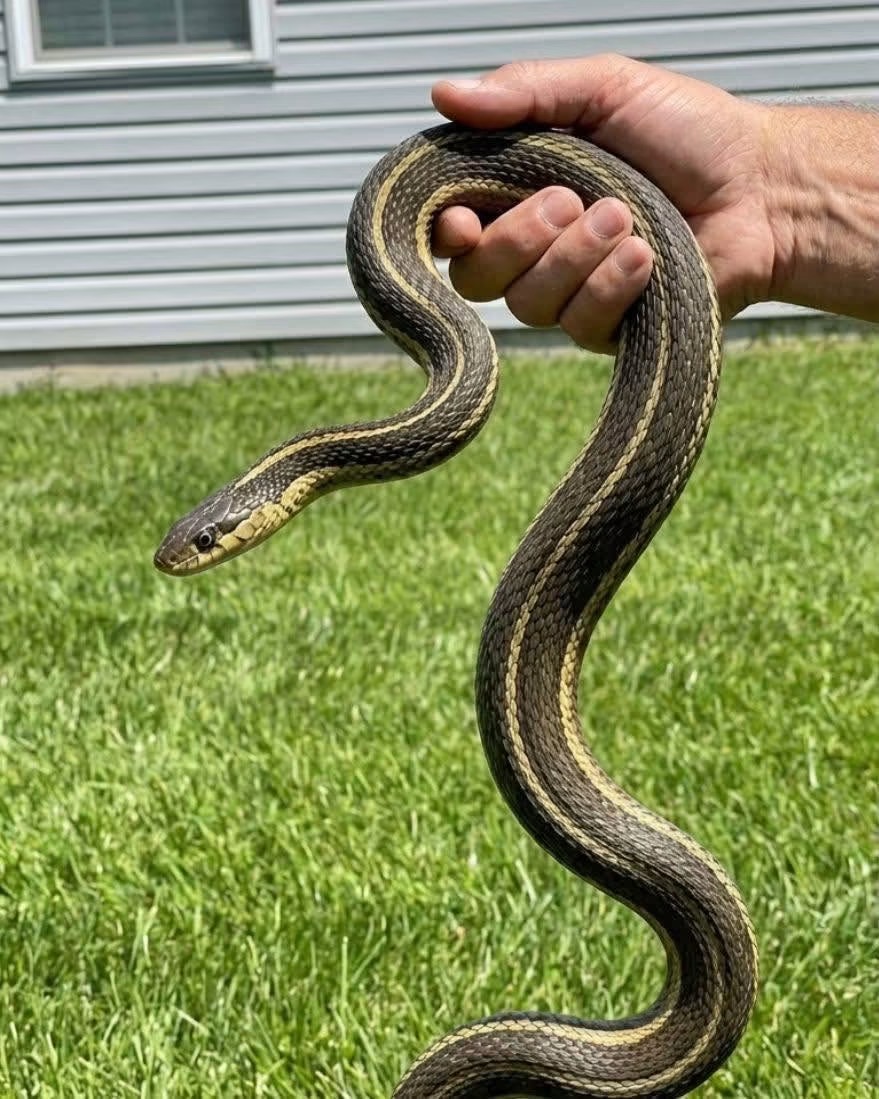
How to Deter Snakes Humanely
Snakes are incredibly beneficial to the ecosystem because they eat rodents, but it is completely understandable to want them out of your immediate living space.
Remove their hiding spots. Snakes hate open spaces. Keep your grass mowed short, clear away thick brush, and move piles of firewood or rocks away from the foundation of your house.
Eliminate their food source. If you have mice, you will have snakes. By sealing your home against mice using steel wool, which they cannot chew through, snakes will naturally leave to hunt elsewhere.
Use a vibrating deterrent. Solar-powered sonic stakes placed in the yard emit vibrations in the ground that snakes and moles find highly uncomfortable, prompting them to leave without being hurt.
The Ultimate Defense: Seal the Perimeter
The most effective, zero-ingredient way to keep pests out is to simply close the door on them.
For mice, remember they can fit through a hole the size of a dime. Stuff any gaps around pipes or vents with coarse steel wool, then seal it in place with caulk. They cannot chew through steel wool.
For doors, install heavy-duty door sweeps on all exterior doors to eliminate the gap at the bottom.
For vents, cover chimney and attic vents with heavy-duty, rust-proof wire mesh.
Frequently Asked Questions
What if I already put mothballs in my yard? How do I clean it up?
Please remove them immediately. Wear gloves and a mask. Use a shovel to pick them up and place them in a sealed plastic bag. Dispose of them in your outdoor trash. Do not put them in the recycling or compost. Wash the area thoroughly with a hose, and wash your hands and clothes afterward.
Do ultrasonic pest repellers actually work?
The science is mixed. While they may annoy some insects and rodents initially, pests often get used to the sound over time. Physical barriers like steel wool and scent deterrents like peppermint are generally more reliable.
Is it safe to use peppermint oil if I have cats or dogs?
You must use caution. While diluted peppermint spray around the exterior foundation of your house is generally fine, highly concentrated essential oils can be toxic to pets if ingested or applied directly to their skin. Keep the cotton balls and sprays out of reach of your furry friends.
How do I get rid of a mouse that is already inside without killing it?
Use a humane catch-and-release trap. Bait it with a tiny smear of peanut butter. Once caught, release the mouse at least a mile away from your home in a wooded area, so it cannot find its way back.
A Compassionate Closing Thought
If you are reading this because you want to protect your home and garden while still honoring the natural world around you, please know that your heart is in the right place.
Coexistence is a beautiful balance. We share this earth with so many wonderful creatures. The goal is not to destroy them, but simply to draw a gentle, firm boundary that says, This is my home, and that is yours.
Nature provides the best solutions. You do not need harsh, illegal chemicals to keep your space safe. The earth gives us peppermint, garlic, cayenne, and water, simple ingredients that protect our homes while respecting the ecosystem.
A well-kept home is a peaceful home. Taking the time to seal a crack, clear away some brush, or spray a little peppermint oil is a quiet act of care. It brings peace of mind to you, and safety to the wildlife outside.
You do not need to harm the creatures of the wild to enjoy the comfort of your own home.
With a little bit of simple, mindful maintenance, you can keep your sanctuary safe, clean, and peaceful.
And the best part? You can do it all with a clear conscience, knowing that the critters outside are safe, and the space inside is entirely your own.