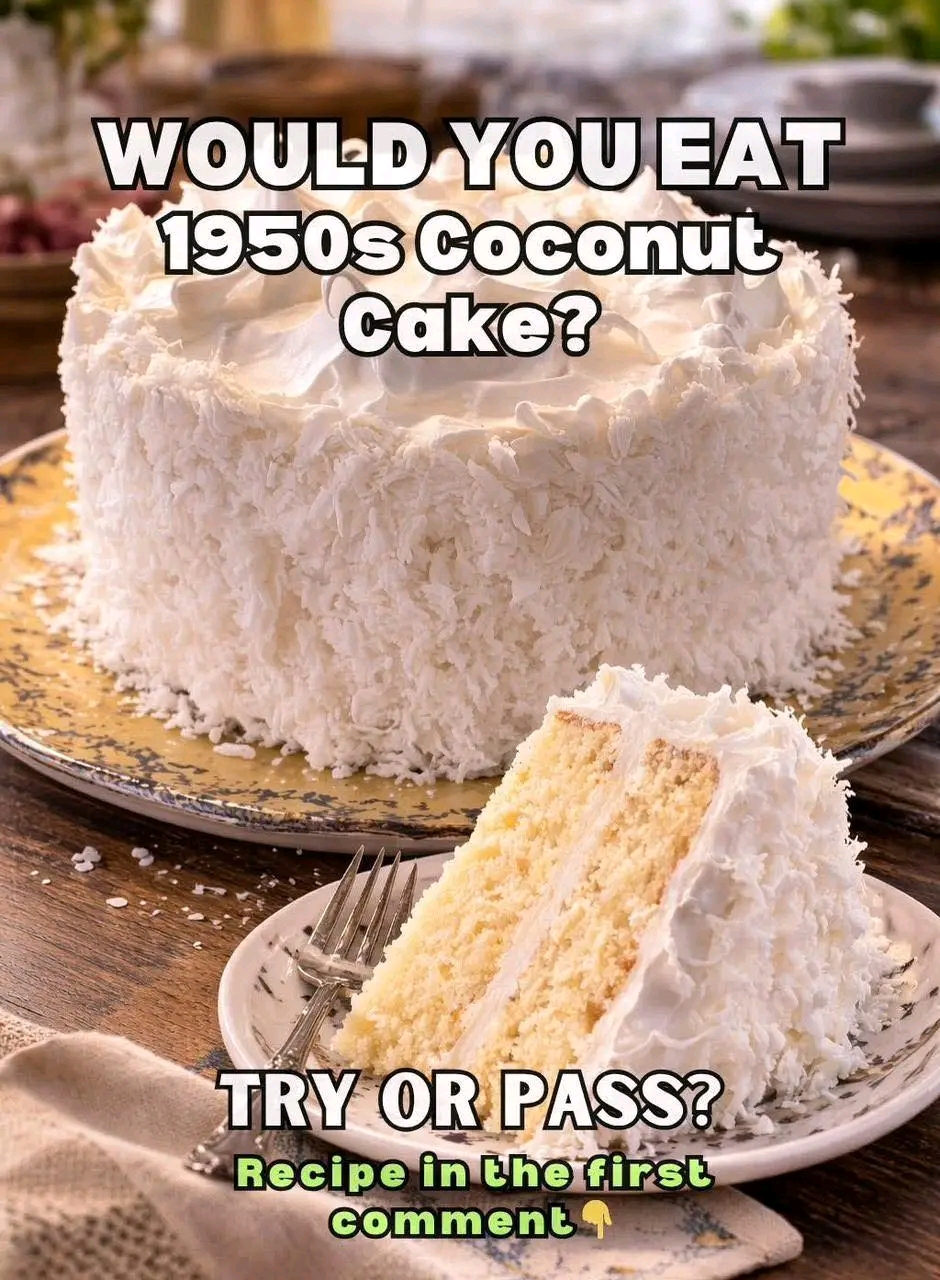
Soft & Fluffy Coconut Layer Cake with Thick Coconut Frosting
Introduction
Few homemade desserts capture the feeling of celebration quite like a classic Coconut Layer Cake. With its incredibly soft, fluffy cake layers, rich and creamy coconut frosting, and snowy coating of shredded coconut, this timeless dessert has been the centerpiece of birthdays, weddings, holidays, church dinners, family reunions, and Sunday gatherings for generations.
For many people, coconut cake brings back cherished memories of childhood kitchens filled with the comforting aroma of butter, vanilla, and freshly baked cake. It is one of those desserts that immediately creates a sense of warmth and nostalgia. Every bite combines moist vanilla cake with silky coconut frosting and delicate flakes of coconut that melt in your mouth.
Unlike many modern desserts that rely on complicated techniques, a traditional coconut layer cake focuses on quality ingredients and careful preparation. The result is an elegant cake with light, airy layers that remain moist for days.
This recipe creates a bakery-quality coconut cake that is perfect for both beginners and experienced bakers. Whether you’re celebrating a birthday, Easter, Mother’s Day, Christmas, or simply enjoying an afternoon with family, this cake will become one of your favorite homemade desserts.
—
Why You’ll Love This Recipe
Exceptionally soft and fluffy texture
Rich homemade coconut frosting
Moist cake that stays fresh for several days
Beautiful presentation
Perfect for celebrations
Easy-to-follow instructions
Delicious coconut flavor without being overwhelming
Can be made ahead of time
—
Ingredients
For the Cake
3 cups all-purpose flour
2½ teaspoons baking powder
½ teaspoon baking soda
½ teaspoon salt
1 cup unsalted butter, softened
2 cups granulated sugar
5 large eggs, room temperature
1 tablespoon vanilla extract
1 teaspoon coconut extract
1 cup whole milk
½ cup sour cream
½ cup canned coconut milk
—
For the Coconut Frosting
1½ cups unsalted butter, softened
8 ounces cream cheese, softened
6 cups powdered sugar
1 teaspoon vanilla extract
1 teaspoon coconut extract
3–4 tablespoons heavy cream
Pinch of salt
—
For Decoration
3 cups sweetened shredded coconut
Toasted coconut flakes (optional)
White chocolate curls (optional)
Fresh berries (optional)
Mint leaves for garnish (optional)
—
Kitchen Equipment
Three 8-inch cake pans
Mixing bowls
Electric mixer
Measuring cups
Rubber spatula
Cooling rack
Offset spatula
Cake stand
Parchment paper
Wire whisk
—
Preparing the Cake Pans
Grease each cake pan generously with butter.
Line the bottoms with parchment paper.
Dust lightly with flour.
Preheat the oven to 350°F (175°C).
—
Mixing the Dry Ingredients
In a large bowl combine:
Flour
Baking powder
Baking soda
Salt
Whisk thoroughly until evenly mixed.
Set aside.
—
Making the Cake Batter
Beat softened butter until creamy.
Slowly add sugar.
Continue beating for about 4–5 minutes until pale and fluffy.
Add eggs one at a time.
Mix well after each addition.
Stir in vanilla and coconut extract.
Mix sour cream with coconut milk and whole milk.
Add the dry ingredients in three additions, alternating with the milk mixture.
Mix only until combined.
Do not overmix.
—
Baking
Divide batter evenly among the prepared pans.
Bake for approximately 25–30 minutes.
The cakes are done when:
Tops spring back lightly.
Toothpick comes out clean.
Edges begin pulling from the pan.
Allow cakes to cool for 10 minutes.
Transfer to cooling racks.
Cool completely before frosting.
—
Making the Coconut Frosting
Beat butter until smooth.
Add cream cheese.
Continue beating until fluffy.
Gradually mix in powdered sugar.
Add vanilla.
Add coconut extract.
Mix in heavy cream until frosting becomes smooth and spreadable.
Beat for another 3 minutes for extra fluffiness.
—
Assembling the Cake
Place one cake layer onto a cake stand.
Spread frosting evenly.
Repeat with the second layer.
Add the final layer.
Cover the top and sides with frosting.
Press shredded coconut onto every surface.
Decorate with toasted coconut if desired.
Refrigerate for 30 minutes before slicing.
—
Expert Baking Tips
Always use room-temperature ingredients.
Measure flour accurately.
Do not overmix.
Never overbake.
Cool cakes completely.
Use high-quality vanilla.
Use full-fat dairy.
Apply a crumb coat before the final frosting.
Chill between frosting layers.
Slice with a warm knife.
—
Variations
Lemon Coconut Cake
Add fresh lemon zest and lemon juice.
—
Pineapple Coconut Cake
Spread crushed pineapple between layers.
—
Chocolate Coconut Cake
Replace part of the flour with cocoa powder.
—
Almond Coconut Cake
Add almond extract.
Decorate with toasted almonds.
—
Coconut Lime Cake
Add lime zest to both cake and frosting.
—
Tropical Coconut Cake
Layer with mango and pineapple preserves.
—
Serving Suggestions
Serve with:
Fresh strawberries
Blueberries
Raspberries
Mango slices
Coffee
Tea
Vanilla ice cream
Coconut ice cream
—
Storage
Store covered at room temperature for one day.
Refrigerate for up to five days.
Bring to room temperature before serving.
Freeze unfrosted layers for up to three months.
—
History of Coconut Cake
Coconut cake has a long history in American baking, especially in the Southern United States. As trade routes expanded during the nineteenth century, dried coconut became more widely available and quickly became a treasured baking ingredient. Home bakers combined coconut with rich butter cakes to create elegant layered desserts for weddings, holidays, Easter dinners, Christmas celebrations, and church socials.
By the early twentieth century, coconut layer cakes appeared in many family cookbooks. They became symbols of hospitality, often reserved for life’s biggest celebrations because the multiple layers and homemade frosting required time, care, and patience.
Today, coconut cake remains one of the most beloved classic desserts around the world, celebrated for its delicate texture, beautiful appearance, and comforting flavor.
—
Benefits of Homemade Coconut Cake
Although coconut cake is an indulgent dessert, making it from scratch has several advantages:
No unnecessary preservatives.
Fresh ingredients provide better flavor.
You control the sweetness.
Homemade butter and eggs improve texture.
Coconut adds natural fiber.
Milk contributes calcium.
Eggs provide protein.
Baking at home creates memorable family traditions.
—
Formation of the Perfect Coconut Cake
Creating the perfect coconut cake involves balancing moisture, structure, and flavor.
Butter provides richness and tenderness.
Sugar helps create a delicate crumb.
Eggs strengthen the cake while adding richness.
Baking powder and baking soda provide lift.
Sour cream adds moisture.
Coconut milk contributes a gentle tropical flavor.
Vanilla enhances sweetness.
Coconut extract intensifies the coconut aroma without making the cake heavy.
Cream cheese in the frosting balances sweetness with a slight tang, while butter creates a silky, luxurious texture. The shredded coconut adds the final signature finish, giving the cake its snowy appearance and pleasant chew.
—
Common Mistakes to Avoid
Using cold ingredients.
Overmixing the batter.
Opening the oven door too early.
Overbaking.
Frosting warm cake layers.
Using stale coconut.
Skipping the parchment paper.
Applying thick frosting before the crumb coat.
Cutting the cake immediately after frosting.
—
Decorating Ideas
Transform your coconut cake into a stunning centerpiece by decorating it with:
Toasted coconut flakes
White chocolate curls
Edible flowers
Fresh raspberries
Strawberries
Blueberries
Lemon slices
Pearl sprinkles
Coconut chips
Whipped cream rosettes
—
Nutrition (Approximate Per Slice)
Servings: 12
Each serving contains approximately:
Calories: 620
Protein: 6 g
Carbohydrates: 74 g
Fat: 33 g
Saturated Fat: 20 g
Cholesterol: 135 mg
Sodium: 260 mg
Fiber: 2 g
Sugar: 56 g
Calcium: 10% Daily Value
Iron: 8% Daily Value
Nutritional values may vary depending on the ingredients used.
—
Why Everyone Loves This Cake
There is something undeniably comforting about a homemade coconut layer cake. Its cloud-like texture, creamy frosting, and delicate coconut flavor appeal to both children and adults. Unlike trendy desserts that come and go, this cake has stood the test of time because it represents celebration, generosity, and homemade goodness.
Many families pass down coconut cake recipes through generations, making them treasured heirlooms. Whether served at weddings, birthdays, Easter brunches, baby showers, anniversaries, or holiday feasts, it never fails to impress guests. The combination of soft cake, luscious frosting, and coconut creates a dessert that feels elegant yet comforting, making every slice a memorable experience.
—
Conclusion
Soft, fluffy, and generously coated with thick coconut frosting, this Coconut Layer Cake is the definition of a classic celebration dessert. Its light vanilla-coconut sponge, rich cream cheese frosting, and snowy coconut finish create a cake that is as beautiful as it is delicious.
Whether you’re baking it for a special occasion or simply to share with loved ones, this recipe delivers bakery-quality results with homemade charm. Once you’ve mastered this timeless favorite, it is sure to become a tradition that family and friends will request year after year. Every slice offers a perfect balance of sweetness, richness, and coconut flavor, proving why this beloved cake continues to hold a special place on dessert tables around the world.