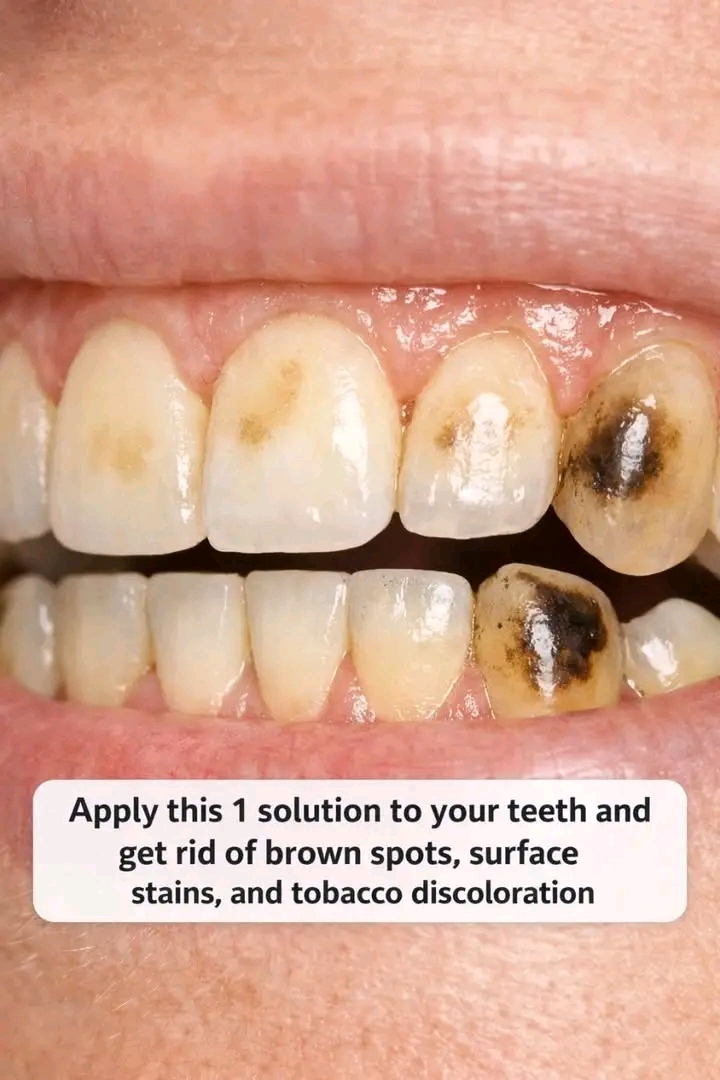
Natural Solution to Remove Brown Spots, Surface Stains, and Tobacco Discoloration from Teeth: A Complete Guide
Discolored teeth, especially those with brown spots, surface stains, and tobacco discoloration, can affect your confidence and oral health. While professional dental treatments are effective, many seek natural, affordable, and easy-to-make solutions at home. This guide introduces a powerful natural remedy that can help restore your teeth’s brightness and improve your smile.
In this extensive article, you will learn about the causes of tooth discoloration, the science behind natural whitening agents, a detailed recipe for a homemade whitening solution, application methods, benefits, precautions, and tips for maintaining healthy, white teeth.
Table of Contents
Introduction: Understanding Tooth Discoloration
Causes of Brown Spots, Surface Stains, and Tobacco Discoloration
History of Teeth Whitening and Natural Remedies
Key Ingredients for the Natural Whitening Solution
Step-by-Step Recipe and Preparation
How to Apply the Solution Safely and Effectively
Scientific Explanation of How the Solution Works
Benefits of Using Natural Whitening Solutions
Precautions and When to Consult a Dentist
Additional Tips for Maintaining White Teeth
Nutritional Considerations for Oral Health
Common Myths About Teeth Whitening
Frequently Asked Questions
Conclusion: Embrace a Brighter, Healthier Smile
1. Introduction: Understanding Tooth Discoloration
Tooth discoloration can range from mild surface stains to deep brown spots caused by various factors. These discolorations not only affect aesthetics but can also indicate underlying dental issues. Understanding the nature of these stains is crucial for effective treatment.
2. Causes of Brown Spots, Surface Stains, and Tobacco Discoloration
Brown Spots: Often caused by enamel hypoplasia, fluorosis, or decay.
Surface Stains: Result from consumption of coffee, tea, red wine, or certain foods.
Tobacco Discoloration: Nicotine and tar in tobacco products cause stubborn yellow or brown stains.
3. History of Teeth Whitening and Natural Remedies
Teeth whitening has ancient roots, with early civilizations using natural abrasives and herbal pastes. Modern dentistry offers advanced bleaching techniques, but natural remedies remain popular for their accessibility and gentleness.
4. Key Ingredients for the Natural Whitening Solution
Baking soda (sodium bicarbonate)
Hydrogen peroxide (3% solution)
Coconut oil (optional for oil pulling)
Activated charcoal (optional for extra absorption)
Lemon juice (used cautiously)
5. Step-by-Step Recipe and Preparation
Ingredients:
1 teaspoon baking soda
1 teaspoon hydrogen peroxide
A few drops of lemon juice (optional)
1 teaspoon coconut oil (optional)
Preparation:
In a small bowl, mix baking soda and hydrogen peroxide to form a paste.
Add lemon juice carefully if desired, but use sparingly to avoid enamel damage.
Optionally, mix in coconut oil for added antibacterial benefits.
Stir until smooth.
6. How to Apply the Solution Safely and Effectively
Use a soft toothbrush to apply the paste gently to teeth.
Leave on for 1-2 minutes, avoiding gums.
Rinse thoroughly with water.
Limit use to 2-3 times per week to prevent enamel erosion.
7. Scientific Explanation of How the Solution Works
Baking soda acts as a mild abrasive to remove surface stains. Hydrogen peroxide is a bleaching agent that breaks down stain molecules. Lemon juice provides acidity that can enhance whitening but must be used cautiously. Coconut oil may reduce bacteria and plaque.
8. Benefits of Using Natural Whitening Solutions
Affordable and easy to prepare at home.
Gentle on enamel when used correctly.
Reduces surface stains and improves overall oral hygiene.
Avoids harsh chemicals found in some commercial products.
9. Precautions and When to Consult a Dentist
Avoid overuse to prevent enamel damage.
Do not use if you have sensitive teeth or gum disease without professional advice.
Consult a dentist for deep stains or underlying dental issues.
10. Additional Tips for Maintaining White Teeth
Brush twice daily with fluoride toothpaste.
Floss regularly to remove plaque.
Limit intake of staining foods and drinks.
Quit smoking or using tobacco products.
Drink plenty of water to rinse mouth.
11. Nutritional Considerations for Oral Health
Consume calcium-rich foods for strong teeth.
Include vitamin D for calcium absorption.
Eat crunchy fruits and vegetables to stimulate saliva production.
Avoid excessive sugary snacks.
12. Common Myths About Teeth Whitening
Whitening damages teeth permanently (false when done properly).
Natural remedies work instantly (requires consistent use).
All stains can be removed at home (some require professional treatment).
13. Frequently Asked Questions
Q: How long does it take to see results?
A: Typically 1-2 weeks with regular use.
Q: Can I swallow the paste?
A: No, rinse thoroughly and avoid ingestion.
Q: Is it safe for children?
A: Consult a pediatric dentist before use.
14. Conclusion: Embrace a Brighter, Healthier Smile
Natural whitening solutions offer a safe and effective way to reduce brown spots, surface stains, and tobacco discoloration. With proper use and good oral hygiene, you can enjoy a radiant smile and improved confidence. Remember, consistency and care are key to achieving the best results.