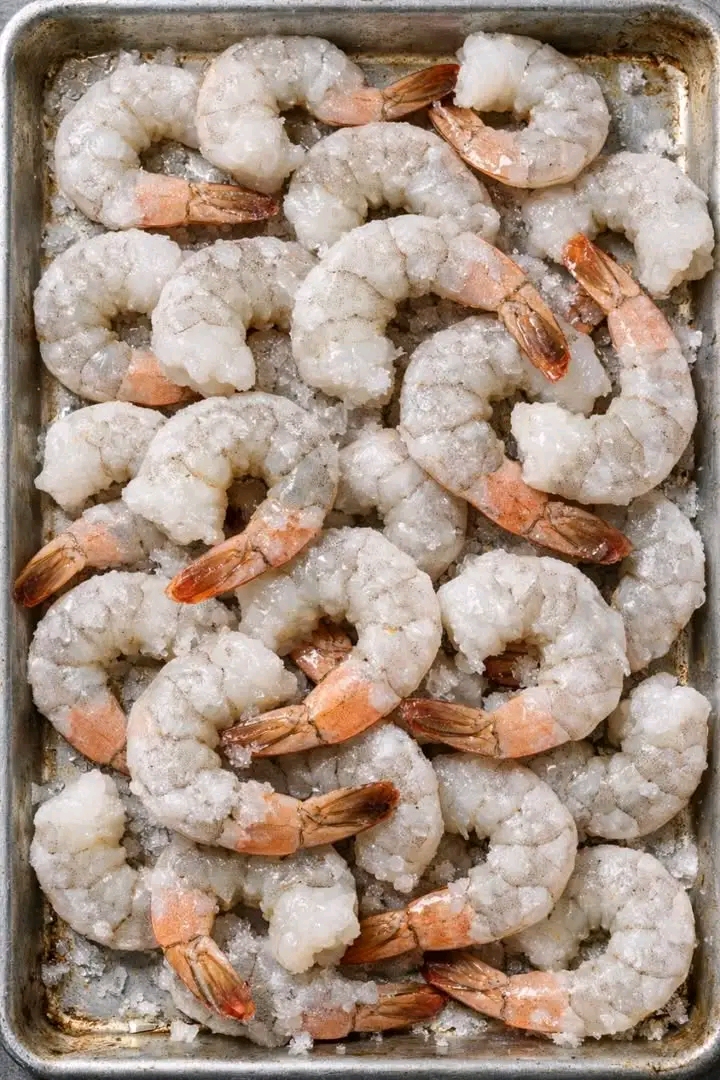
The Ultimate Guide to Cooking with Shrimp: Techniques, Recipes, and Health Benefits
Shrimp is one of the most beloved seafood choices worldwide, cherished for its delicate flavor, versatility, and nutritional value. Whether you are a novice cook or a seasoned chef, understanding how to select, prepare, and cook shrimp can elevate your culinary skills and bring a touch of elegance to your meals. This comprehensive guide explores everything you need to know about shrimp—from its varieties and health benefits to cooking techniques and delicious recipes.
Introduction: Why Shrimp Deserves a Place in Your Kitchen
Shrimp has been a staple in global cuisines for centuries, appreciated not only for its taste but also for its quick cooking time and adaptability. From casual weeknight dinners to gourmet feasts, shrimp fits seamlessly into a variety of dishes, including salads, pastas, stir-fries, and grilled entrees.
The appeal of shrimp lies in its sweet, slightly briny flavor and firm yet tender texture. It pairs well with a wide range of ingredients and seasonings, making it a versatile protein option for diverse culinary styles.
Understanding Different Types of Shrimp
Shrimp come in many varieties, each with unique characteristics that influence flavor, texture, and cooking methods.
1. Wild-Caught vs. Farmed Shrimp
Wild-Caught Shrimp: Harvested from oceans and rivers, wild shrimp often have a more robust flavor due to their natural diet. They tend to be more expensive and are considered more sustainable when sourced responsibly.
Farmed Shrimp: Raised in controlled environments, farmed shrimp are more widely available and affordable. Advances in aquaculture have improved their quality and sustainability.
2. Common Shrimp Species
White Shrimp: Mild flavor and tender texture, popular in many cuisines.
Brown Shrimp: Slightly sweeter and firmer, often used in Cajun and Creole dishes.
Pink Shrimp: Sweet and delicate, commonly found in salads and cold dishes.
Tiger Shrimp: Large with a firm texture and distinctive stripes, ideal for grilling.
Rock Shrimp: Known for its lobster-like texture, often used in specialty dishes.
3. Fresh vs. Frozen Shrimp
Fresh shrimp is prized for its texture and flavor but can be harder to find and more perishable. Frozen shrimp, when properly handled, retains much of its quality and offers convenience and longer shelf life.
Nutritional Profile and Health Benefits of Shrimp
Shrimp is not only delicious but also packed with nutrients that support a healthy diet.
High-Quality Protein
Shrimp is an excellent source of lean protein, essential for muscle repair, immune function, and overall health.
Low in Calories and Fat
With about 85-100 calories per 3-ounce serving and very low fat content, shrimp is ideal for weight management and heart health.
Rich in Vitamins and Minerals
Shrimp provides important nutrients such as vitamin B12, iodine, selenium, phosphorus, and zinc, which support metabolism, thyroid function, and antioxidant defense.
Omega-3 Fatty Acids
Though not as high as fatty fish, shrimp contains omega-3 fatty acids that contribute to cardiovascular health and reduce inflammation.
Antioxidants and Anti-Inflammatory Compounds
Shrimp contains astaxanthin, a powerful antioxidant that gives shrimp its pink color and offers anti-inflammatory benefits.
How to Select and Store Shrimp for Maximum Freshness
Choosing the right shrimp and storing it properly is key to enjoying its best flavor and texture.
Selecting Fresh Shrimp
Look for shrimp with a firm texture and translucent flesh.
Avoid shrimp with a strong fishy or ammonia smell.
Check for intact shells and tails; avoid shrimp with black spots or discoloration.
Buy from reputable seafood markets or trusted suppliers.
Storing Shrimp
Keep shrimp cold, ideally on ice or in the refrigerator at 32°F (0°C).
Use fresh shrimp within 1-2 days.
For longer storage, freeze shrimp in airtight containers or vacuum-sealed bags.
Preparing Shrimp: Cleaning and Deveining
Proper preparation ensures shrimp cooks evenly and tastes its best.
Cleaning Shrimp
Rinse shrimp under cold water to remove any surface impurities.
Peel the shell off if desired, leaving the tail on for presentation or removing it for ease of eating.
Deveining Shrimp
Use a small knife or shrimp deveiner to remove the dark vein along the back, which is the digestive tract.
Deveining improves texture and appearance but is optional for smaller shrimp.
Cooking Techniques for Shrimp
Shrimp cooks quickly and can be prepared using various methods, each bringing out different flavors and textures.
Boiling
Boiling shrimp in seasoned water or broth is a simple method, often used for shrimp cocktails or salads. Avoid overcooking to prevent rubbery texture.
Sautéing
Sautéing shrimp in butter, olive oil, or garlic-infused oil enhances flavor and creates a slightly crispy exterior.
Grilling
Grilled shrimp develop a smoky flavor and firm texture, perfect for skewers or as a main dish.
Baking
Baking shrimp with herbs, spices, and a drizzle of oil is an easy, hands-off method that retains moisture.
Frying
Deep-fried or pan-fried shrimp, often breaded or battered, are popular in dishes like shrimp tempura or southern-style fried shrimp.
Steaming
Steaming preserves the natural sweetness and tenderness of shrimp, ideal for delicate preparations.
Stir-Frying
Quick stir-frying with vegetables and sauces is common in Asian cuisine, keeping shrimp tender and flavorful.
Tips for Perfectly Cooked Shrimp
Cook shrimp until they turn pink and opaque, usually 2-3 minutes per side.
Avoid overcooking, which makes shrimp tough and rubbery.
Marinate shrimp briefly to add flavor without compromising texture.
Use high heat for quick cooking methods like sautéing and grilling.
Flavor Pairings and Seasonings for Shrimp
Shrimp’s mild flavor pairs well with a wide range of herbs, spices, and sauces.
Classic Seasonings
Garlic, lemon, and parsley
Old Bay seasoning
Paprika and cayenne pepper
Fresh herbs like cilantro, basil, and dill
Sauces and Marinades
Garlic butter sauce
Spicy chili sauce
Coconut curry sauce
Teriyaki glaze
Lemon garlic aioli
Delicious Shrimp Recipes to Try at Home
Garlic Butter Shrimp
Sauté shrimp in garlic-infused butter with a splash of lemon juice and fresh parsley. Serve over pasta or rice for a quick, flavorful meal.
Shrimp Scampi
Cook shrimp in a sauce of garlic, white wine, lemon, and butter, tossed with linguine or spaghetti.
Grilled Shrimp Skewers
Marinate shrimp in olive oil, garlic, and herbs, then grill on skewers until charred and juicy.
Shrimp Tacos
Season shrimp with chili powder and cumin, sauté, and serve in tortillas with fresh salsa, avocado, and lime.
Shrimp Fried Rice
Stir-fry shrimp with rice, vegetables, soy sauce, and scrambled eggs for a satisfying one-pan meal.
Coconut Shrimp
Coat shrimp in shredded coconut and panko breadcrumbs, then fry until golden and crispy. Serve with sweet chili sauce.
Shrimp in Global Cuisines
Shrimp features prominently in many culinary traditions around the world.
Mediterranean
Shrimp is often grilled or cooked in tomato-based sauces with olives, garlic, and herbs.
Asian
From Thai curries to Chinese stir-fries and Japanese tempura, shrimp is a versatile ingredient in Asian cooking.
Cajun and Creole
Spicy shrimp dishes like jambalaya and gumbo highlight bold flavors and hearty ingredients.
Latin American
Shrimp ceviche and shrimp tacos showcase fresh, vibrant flavors with citrus and chili.
Sustainability and Ethical Considerations
As demand for shrimp grows, sustainability is a critical concern.
Choose shrimp certified by organizations like the Marine Stewardship Council (MSC) or Aquaculture Stewardship Council (ASC).
Support responsible farming and fishing practices to protect marine ecosystems.
Be aware of the environmental impact of shrimp farming, including habitat destruction and pollution.
Common Mistakes When Cooking Shrimp and How to Avoid Them
Overcooking shrimp, leading to toughness.
Using poor-quality or improperly thawed shrimp.
Neglecting to season shrimp adequately.
Cooking shrimp with incompatible ingredients that overpower its delicate flavor.
Storing and Reheating Cooked Shrimp
Refrigerate cooked shrimp within two hours of cooking.
Store in airtight containers and consume within 2-3 days.
Reheat gently to avoid drying out, using methods like steaming or microwaving with a damp paper towel.
Conclusion: Embrace Shrimp for Flavor, Nutrition, and Culinary Creativity
Shrimp is a remarkable ingredient that offers endless possibilities in the kitchen. Its quick cooking time, nutritional benefits, and ability to absorb flavors make it a favorite among cooks worldwide. By understanding the different types of shrimp, mastering preparation and cooking techniques, and exploring diverse recipes, you can bring the taste of the sea to your table with confidence and flair.
Whether you prefer simple garlic butter shrimp or adventurous international dishes, shrimp is sure to delight your palate and impress your guests. Embrace this versatile seafood and let it inspire your next culinary creation.i