The Definitive Guide to the Ultimate Homemade Blueberry Cobbler
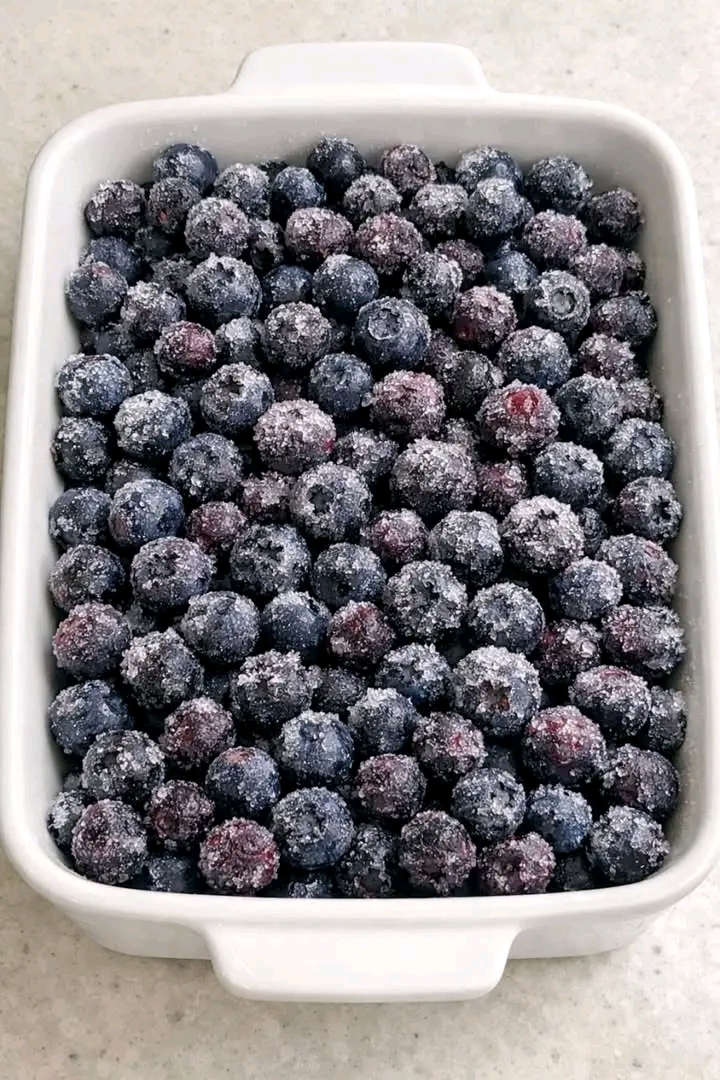
There is a specific kind of magic that happens when fresh, plump blueberries meet heat, sugar, and a golden, biscuit-like topping. The image of those berries, frosted with sugar and nestled in a baking dish, is the quiet before the storm—the moment of anticipation before they transform into a bubbling, purple-hued masterpiece.
Blueberry cobbler is a cornerstone of dessert history, representing the perfect marriage of rustic simplicity and sophisticated flavor. Unlike a pie, which demands the precision of a chilled crust, or a crumble, which relies on oats and nuts, a cobbler is defined by its “cobbled” top—drops of sweet dough that resemble a cobblestone street.
In this comprehensive guide, we will dive deep into the science of the blueberry, the mechanics of a perfect biscuit topping, and the step-by-step process to ensure your dessert is never runny and always extraordinary.
The Anatomy of a Perfect Blueberry
To understand why this recipe works, we must first look at the berry itself. Blueberries are unique because of their high pectin content and their thin skins. When heated, the water inside the berry expands, eventually bursting the skin and releasing a juice that, when paired with the right thickener, creates a luxurious syrup.
Sourcing Your Berries
- Fresh vs. Frozen: While the image shows stunning fresh berries, you can use frozen. If using frozen, do not thaw them beforehand; this prevents them from turning the entire batter grey.
- The Variety: If you can find “Wild Blueberries,” they are smaller and offer a more intense, acidic punch. Cultivated blueberries (like the ones pictured) are sweeter and provide more juice.
- The Ripeness Factor: You want berries that are firm and deep blue. A few reddish ones are fine—they provide a necessary acidity that balances the sugar.
The Role of Sugar and Acid
In the photo, you see the berries generously coated in sugar. This isn’t just for sweetness. Sugar is hygroscopic, meaning it draws moisture out of the fruit. This creates the “sauce” of the cobbler. However, sweetness needs a foil. We use lemon juice and zest to brighten the flavors and cinnamon to provide a warm, earthy undertone.
Ingredients: The Essential List
The Fruit Base
- 6-8 Cups Fresh Blueberries: Cleaned and stemmed.
- 3/4 Cup Granulated Sugar: Adjusted based on the sweetness of the fruit.
- 2 Tablespoons Cornstarch: This is your insurance policy against a “soupy” cobbler.
- 1 Tablespoon Lemon Juice & 1 Teaspoon Zest: For brightness.
- A Pinch of Nutmeg: To add a “secret” bakery-style depth.
The Cobbler Topping
- 2 Cups All-Purpose Flour: Provides the structure.
- 1/2 Cup Sugar: For the dough.
- 1 Tablespoon Baking Powder: The leavening agent that makes the topping fluffy.
- 1/2 Teaspoon Salt: To sharpen all the other flavors.
- 6 Tablespoons Cold Unsalted Butter: This must be “pea-sized” within the flour to create steam pockets.
- 1/2 Cup Boiling Water or Warm Milk: A “hot water” crust creates a unique, crispy-yet-tender texture.
The Scientific Method: Step-by-Step
1. Preparing the Fruit (The Maceration)
Place your berries in a large bowl. Sprinkle the sugar, cornstarch, lemon, and spices over them. Toss gently. Let this sit for 15 minutes. You will notice a shiny syrup starting to form at the bottom of the bowl. This is the maceration process, ensuring that the cornstarch is fully hydrated before it hits the oven.
2. The “Cutting In” Technique
For the topping, whisk your dry ingredients. Take your cold butter and use a pastry cutter or two forks to “cut” it into the flour. You are looking for a texture that resembles coarse cornmeal with some larger, pea-sized chunks. These chunks of butter are vital—as they melt in the oven, the water in the butter turns to steam, lifting the dough and creating a light, flaky texture.
3. The Assembly
Pour the berries into a buttered baking dish (as seen in the photo). Drop spoonfuls of the dough over the berries. Do not spread it flat! You want gaps between the dough “stones” so that the steam from the bubbling berries can escape, thickening the sauce.
4. The Final Touch: Sparkling Sugar
Before sliding the dish into the oven, sprinkle the top of the dough with Turbinado sugar (coarse sugar). This provides a professional-looking crunch that contrasts beautifully with the soft fruit.
Baking and Temperature Control
Bake at 375°F (190°C) for 40 to 45 minutes.
The visual cues are more important than the timer. You are looking for two things:
- The Bubble: The juices in the center must be bubbling vigorously. This ensures the cornstarch has reached its “gelatinization point” (around 203°F), which is necessary for the sauce to thicken.
- The Golden Crust: The topping should be deep golden brown, not pale. A pale topping will be doughy and “gummy” underneath.
Common Pitfalls and How to Avoid Them
Why is my cobbler runny?
This usually happens if the fruit didn’t reach a full boil in the oven. If the juices are just simmering, the cornstarch won’t set. Another culprit is using too many “wet” fruits without increasing the starch.
Why is my topping hard?
Over-mixing the dough is the enemy. When you add the liquid to the flour, mix only until just combined. Over-mixing develops gluten, turning your fluffy biscuit into a tough bread.
Can I make this vegan?
Absolutely. Replace the butter with a high-quality vegan butter stick (avoid tubs, as they have too much water) and use almond or oat milk for the dough.
Serving and Storage
The Warmth Factor
Cobbler is best served about 20 minutes after it comes out of the oven. This resting period allows the juices to settle and the sauce to reach its final consistency.
Pairings
- Vanilla Bean Ice Cream: The classic. The cold cream melts into the warm berry juice to create a “berries and cream” sauce.
- Lemon Zest Whipped Cream: For those who prefer a less sweet, more tart finish.
- A Sharp Cheddar: A traditional New England pairing that highlights the savory notes of the butter.
Storage
If you have leftovers (a rare occurrence), store them in the refrigerator for up to 3 days. To reheat, use the oven rather than the microwave to restore the crispiness of the topping.
Final Thoughts
The beauty of the blueberry cobbler lies in its imperfections. It is meant to be messy, purple, and served in big, steaming scoops. Looking at those berries in your dish, you are halfway to a dessert that evokes memories of summer afternoons and farmhouse kitchens.
Whether you are a seasoned baker or a beginner, the key is to respect the fruit and keep your butter cold. Happy baking!