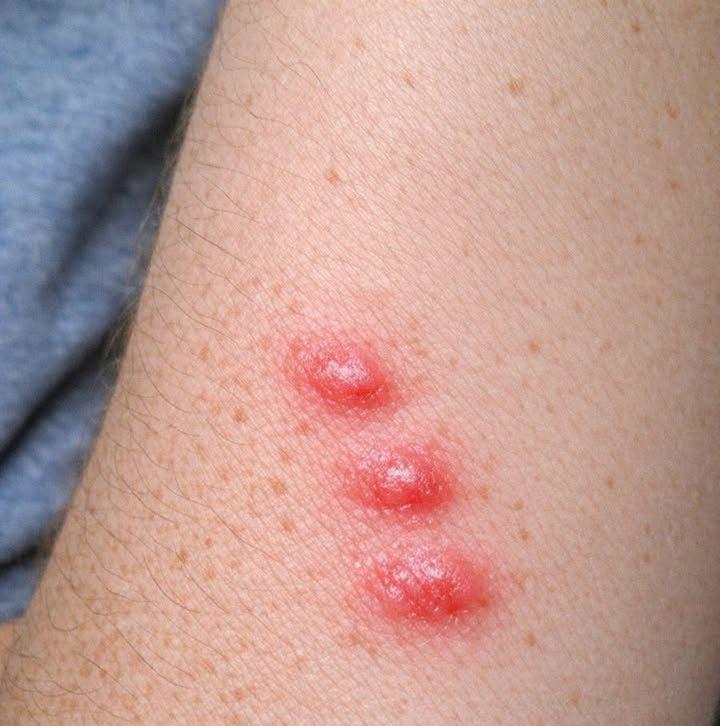
Waking up to discover your loved one covered in itchy red welts is a distressing experience. When these welts appear in a zigzag pattern and you’ve recently stayed in a hotel, it’s natural to worry about bed bugs. Bed bugs are notorious for hitchhiking back home with travelers, and the possibility of an infestation can be downright terrifying.
This article will guide you through understanding whether bed bugs are the culprits, how to inspect your home for these unwelcome guests, and what immediate steps you can take to address the problem. We’ll also cover how to prevent bringing bed bugs into your home in the future and how to handle any bites safely.
- Why Zigzag Welts After a Hotel Stay Point to Bed Bugs
Bed bug bites often appear in clusters or lines, such as zigzag patterns, because of their feeding behavior. When feeding, bed bugs typically bite multiple times while moving along the skin. The bites are usually small, red, and itchy, and they can be found anywhere on the body that was exposed while sleeping.
If you stayed at a hotel, the chances of encountering bed bugs increase, as these pests are adept at traveling from one place to another hidden within luggage, clothing, and personal items. Hotels, with their high turnover of guests, are prime locations for bed bug infestations. - How to Tell Bed Bug Bites From Mosquitoes, Fleas, and Allergies
Differentiating bed bug bites from other types of insect bites or allergic reactions can be challenging. Bed bug bites are usually red, swollen, and itchy, similar to mosquito bites, but they often appear in a distinctive line or cluster. The bites are typically 2 to 5 millimeters in size.
Mosquito bites, while itchy and red, are typically more spread out and not as patterned. Flea bites often occur on the lower legs and are smaller, with a more random distribution. Allergic reactions might appear more rash-like and be accompanied by other symptoms such as sneezing or hives. - Step-By-Step: Inspecting Your Bed, Mattress, and Bedroom Like a Pro
To inspect for bed bugs, start by examining the seams, tags, and piping of your mattress and box spring. Look for live bugs, shed skins, or small rust-colored spots, which are bed bug fecal matter. Use a flashlight and magnifying glass for a closer inspection.
Check the headboard, bed frame, and any nearby furniture, especially in cracks and crevices. Bed bugs are about the size of an apple seed, so be thorough. Also, inspect electrical outlets, picture frames, and baseboards in the room. - What to Do With Your Luggage and Clothes Right Now
Upon suspecting bed bugs, immediately isolate your luggage and clothing from the rest of your home. Place clothing and other washable items in sealed plastic bags and wash them in hot water (at least 60°C/140°F), then dry them on the highest heat setting for at least 30 minutes.
For non-washable items, consider using a steamer or placing them in a freezer at -18°C (0°F) for at least four days to kill any bed bugs. Thoroughly vacuum luggage and store it in a sealed plastic bag. - DIY Treatment: Washing, Drying, Vacuuming, and Decluttering
Begin by washing and drying all bedding, clothing, and linens on the hottest settings. Use a vacuum cleaner with a HEPA filter to vacuum the mattress, bed frame, and surrounding areas, paying special attention to cracks and crevices.
Declutter your bedroom to reduce the number of hiding spots for bed bugs. Use bed bug-proof mattress and pillow encasements to trap any remaining bugs and prevent new ones from settling. - When You Need a Professional Exterminator (And How to Choose One)
If bed bugs persist despite your best efforts, it’s time to call a professional exterminator. Choose a pest control company that specializes in bed bugs and offers a comprehensive treatment plan, including inspection, treatment, and follow-up.
Verify the company’s credentials and read reviews from previous clients. Ensure they use Integrated Pest Management (IPM) practices, which focus on long-term prevention and minimal use of harmful chemicals. - How to Stop the Itching and Take Care of the Bites Safely
To relieve itching from bed bug bites, apply a topical anti-itch cream, such as hydrocortisone, or take oral antihistamines. Calamine lotion can also help soothe the skin.
Avoid scratching the bites to prevent infection. If the itching is severe or if you notice signs of infection, such as increased redness or pus, consult a healthcare professional. - Protecting Kids, Pets, and Roommates From a Possible Infestation
To protect others in your household, inform them about the potential infestation and encourage them to inspect their sleeping areas. Regularly wash and heat-dry bedding and clothing.
For pets, inspect their bedding and sleeping areas. While bed bugs do not typically feed on pets, they can hide in their bedding. Regular cleaning and vacuuming can help keep these areas safe. - How to Talk to the Hotel and What You Can Ask For
If you suspect you encountered bed bugs at a hotel, contact management immediately. Calmly explain the situation and provide evidence if possible, such as photos of bites or bugs.
You can request a refund or compensation for any expenses related to the infestation, such as cleaning costs or medical bills. Report the issue to local health departments or consumer protection agencies if the hotel is unresponsive. - Preventing Bed Bugs on Future Trips and Hotel Stays
To avoid bringing bed bugs home from future trips, inspect hotel rooms upon arrival. Check the mattress, headboard, and surrounding areas for signs of bed bugs.
Keep luggage on a luggage rack away from the bed and floor, and store clothing in sealed plastic bags. Upon returning home, immediately wash and dry clothing on the hottest settings, and vacuum your luggage before storing it. - When It Might Not Be Bed Bugs After All
If you find no evidence of bed bugs after a thorough inspection, consider other causes for the welts. Mosquitoes, fleas, or allergic reactions could be responsible. Examine your environment for other pests or allergens.
Consult a dermatologist or allergist for further evaluation if the bites persist or worsen. They can help determine the exact cause and provide appropriate treatment.