The Truth About Mucus: Separating Myth from Evidence-Based Respiratory Care
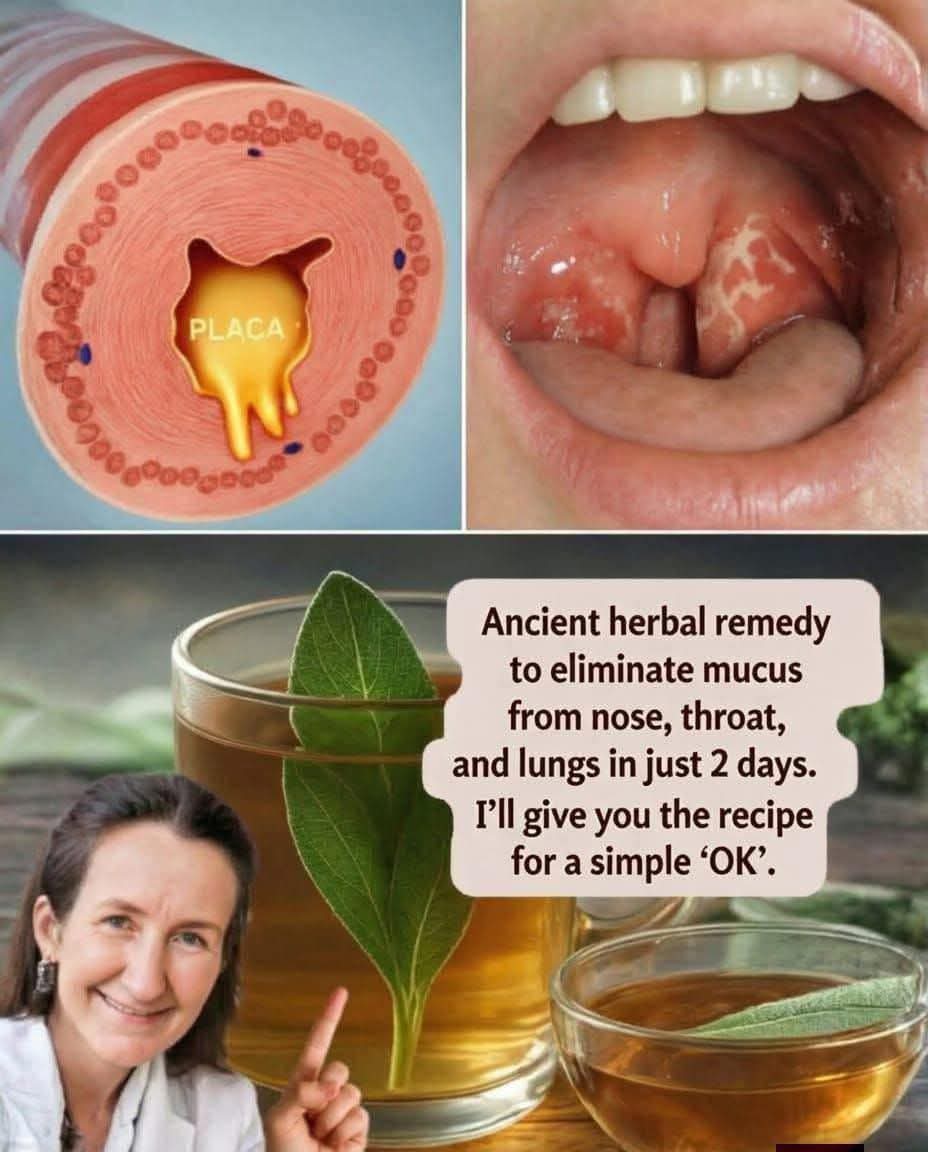
Persistent coughs, throat congestion, and the feeling of fluid in the lungs are among the most common reasons individuals seek out health information online. In the age of social media, it is common to encounter viral images and posts promising “miracle” cures—often claiming to eliminate mucus from the nose, throat, and lungs in as little as 48 hours using simple, “ancient” herbal remedies.
While the desire for rapid relief is understandable, it is essential to navigate these claims with a critical eye. Biology is complex, and the body’s immune response to congestion is a multi-faceted process that rarely adheres to arbitrary timelines. This guide explores the physiology of mucus, the reality behind viral health claims, and evidence-based strategies to support respiratory health effectively and safely.
Understanding the Role of Mucus
Before attempting to “eliminate” mucus, it is vital to understand why it exists. Mucus is not inherently “bad”; it is a crucial component of our immune system and physiological health.
The Function of Mucus
Mucus is produced by the mucous membranes, which line the nose, throat, lungs, and gastrointestinal tract. It serves several vital functions:
- Protection: It acts as a physical barrier, trapping dust, pollen, bacteria, and viruses before they can enter deeper into the respiratory system.
- Lubrication: It keeps the tissues of our airways moist, preventing them from drying out and cracking, which would make them susceptible to infection.
- Immune Defense: Mucus contains antibodies, enzymes, and proteins that help neutralize pathogens.
When Mucus Becomes a Problem
We typically only notice mucus when the body begins producing it in excess. This usually happens in response to:
- Viral Infections: The common cold, flu, or RSV causes inflammation, leading to increased mucus production to flush out the invader.
- Allergies: Pollen, dander, or dust triggers an immune response that manifests as increased nasal and throat secretions.
- Irritants: Tobacco smoke, pollution, and chemical fumes irritate the airway lining, prompting more mucus production.
- Chronic Conditions: Conditions like asthma, chronic bronchitis, or sinusitis can lead to long-term mucus buildup.
When mucus becomes too thick, sticky, or abundant, it creates the congestion and discomfort that leads people to search for quick solutions.
The “Quick Fix” Trap: Why 48-Hour Promises Are Misleading
The viral claim that a tea or tonic can “eliminate” all mucus in 48 hours is scientifically unsupported.
Why “Cure-Alls” Fail
- Biological Variation: Every individual has a different immune response. What might provide relief for one person’s seasonal allergies will not treat a bacterial infection in another.
- The Immune Timeline: If your mucus is caused by a virus, your body must go through its natural cycle to fight the infection. A tea cannot “eliminate” the virus; at best, it can only soothe symptoms.
- The Danger of Masking: By focusing solely on “eliminating” the symptom (mucus) without addressing the root cause, you might ignore signs of a serious infection that requires antibiotics or other medical intervention.
While certain herbs and compounds (like ginger, honey, or steam) can help loosen mucus to make it easier to expel, they do not “erase” it. Understanding this distinction is the difference between healthy self-care and ineffective health-seeking behavior.
Evidence-Based Strategies for Respiratory Relief
While there is no “magic bullet” that clears the lungs in two days, there are many science-backed methods to help the body clear secretions, reduce irritation, and restore comfort.
1. Hydration: The Ultimate Expectorant
The most effective, under-utilized, and scientifically sound way to thin mucus is hydration. When you are well-hydrated, the mucus membranes in your respiratory tract produce thinner, more watery secretions that are easier to cough up or blow out.
- Water: Drink adequate amounts throughout the day.
- Warm Liquids: Herbal teas, clear broths, and warm lemon water provide dual benefits: hydration and the soothing effect of warmth on inflamed tissues.
2. Humidity and Steam
Dry air is a major trigger for thickened, sticky mucus.
- Humidifiers: Running a cool-mist humidifier in your bedroom at night can help keep airways moist.
- Steam Inhalation: Taking a hot shower or leaning over a bowl of hot water (with a towel over your head) can help loosen dried mucus in the nasal passages. Caution: Be careful with hot water to avoid steam burns.
3. Honey: The Natural Cough Suppressant
Numerous clinical studies, including those published in JAMA Pediatrics, have shown that honey can be as effective—and sometimes more effective—than over-the-counter cough suppressants for reducing nighttime coughing in children and adults. Honey coats the throat, providing a soothing barrier that reduces the irritation that triggers the cough reflex.
4. Saline Irrigation
For nasal congestion, saltwater irrigation (using a Neti pot or a saline spray) is highly effective. It physically flushes out trapped allergens, dust, and excess mucus from the nasal passages, providing immediate, albeit temporary, relief.
5. Herbal Support (Used Wisely)
While no herb is a universal cure, some have been used traditionally and have some evidence suggesting they may support respiratory comfort:
- Ginger: Known for its anti-inflammatory properties, ginger can help soothe a sore throat and reduce the urge to cough.
- Thyme: Often used in cough syrups, thyme contains compounds that may help relax the muscles in the trachea and bronchi, potentially making it easier to expel mucus.
- Peppermint (Menthol): Menthol provides a cooling sensation that can make breathing feel easier, even if it doesn’t physically clear the lungs.
Note: Always consult with a healthcare provider before using herbal supplements, as they can interact with medications.
Lifestyle Factors for Long-Term Respiratory Health
If you find yourself frequently battling excess mucus, it is worth looking at lifestyle factors that may be contributing to chronic inflammation.
Identifying Environmental Triggers
- Air Quality: If you live in an area with high pollution or if your home is dusty, consider using high-efficiency particulate air (HEPA) filters.
- Smoke and Fumes: Avoiding tobacco smoke and harsh chemical cleaners (like bleach or ammonia) is essential for anyone with sensitive airways.
- Allergen Control: If you suffer from seasonal allergies, keep windows closed during high-pollen times and wash bedding frequently in hot water to reduce dust mite accumulation.
Dietary Considerations
While there is a long-standing myth that dairy products increase mucus production, scientific evidence on this is mixed. For most people, dairy does not increase mucus, though it may make existing saliva feel thicker.
Instead of focusing on eliminating specific food groups, focus on an anti-inflammatory diet rich in fruits, vegetables, and omega-3 fatty acids, which can support overall immune function.
When to See a Doctor: The Red Flags
It is vital to know when a respiratory issue requires more than just a home remedy. Self-treatment should never delay necessary medical care. Consult a physician if you experience any of the following:
- Fever: A persistent high fever is a hallmark of a bacterial infection or severe viral infection that may require antibiotics.
- Color Changes: While mucus color isn’t a definitive diagnostic tool, dark yellow, green, or blood-streaked mucus can sometimes indicate a bacterial infection or severe inflammation that warrants medical evaluation.
- Duration: If symptoms persist for more than 10-14 days without improvement, it is time to see a doctor.
- Difficulty Breathing: Shortness of breath, wheezing, or tightness in the chest are serious symptoms and require immediate medical attention.
- Underlying Conditions: If you have asthma, COPD, or a compromised immune system, do not attempt to “wait out” a respiratory illness with home remedies alone.
Conclusion
The viral claim of an “ancient remedy” that can clear all mucus in 48 hours is a classic example of health misinformation that preys on the desire for simple, fast solutions. Respiratory health is far more complex than a 2-day timeline, and real healing is almost always a result of supporting the body’s innate processes rather than looking for a “miracle” tea.
By prioritizing hydration, managing your environment, using proven soothing methods like honey and steam, and knowing when to seek professional help, you can effectively manage respiratory discomfort. Remember, your body is an incredibly resilient system; sometimes, the best remedy is providing it the environment it needs to do the hard work of healing itself.
If you are currently experiencing persistent congestion, please take the time to schedule an appointment with your healthcare provider. Your health is worth more than a generic internet recipe.