The Conscious Kitchen: Mastering Culinary Arts and Navigating Modern Wellness
In the modern digital age, the kitchen has become the intersection of two distinct worlds. On one hand, it is a creative sanctuary where we can practice the culinary arts—transforming raw ingredients into nourishment and delight. On the other, it is a space where we are increasingly bombarded by viral “health hacks,” miraculous claims, and oversimplified medical advice circulating on social media.
To be a true “home chef” today requires more than just knowing how to bake a loaf or stuff a date. It requires a form of discernment—the ability to recognize the value in traditional, wholesome food preparation while having the skepticism to navigate the noise of online health misinformation.
This guide is designed for the conscious reader. We will explore the art of elevating your home cooking through specific, time-tested recipes, and we will dedicate a significant portion of this guide to developing the media literacy required to distinguish between genuine wellness and dangerous online clickbait.
Part I: The Art of the Gourmet Snack – Elevating the Stuffed Date
Few things in the culinary world achieve the perfect harmony of nature’s candy and artisanal preparation quite like the stuffed date. It is a dish that transcends borders, appearing on Mediterranean mezze platters, at festive holiday gatherings, and as a sophisticated accompaniment to an evening glass of wine or a steaming cup of coffee.
The Anatomy of the Perfect Stuffed Date
At its core, the stuffed date is simple: a naturally sweet, chewy fruit pitted and filled with a creamy, often tangy substance, and finished with a crunchy topping. Yet, this simplicity is its greatest strength.
1. Choosing Your Date
The foundation is the date itself. The Medjool date is the undisputed king of stuffing. Large, meaty, and possessing a caramel-like consistency, Medjools have a sturdy skin that holds up well to being cut and filled. Always look for dates that are plump and glossy. High-quality dates should have a slight give when pressed; if they feel hard or look overly dehydrated, they will lack the luxurious texture you want.
2. The Filling: Creating Contrast
The magic lies in the contrast between the intense, dark sweetness of the fruit and the creamy, tangy filling.
- The Traditional Approach: Labneh (a strained yogurt cheese) is the gold standard in many cultures. It provides a sharp, lactic tang that cuts through the sugar of the date perfectly.
- The Indulgent Approach: Mascarpone is excellent for those who want a dessert-like experience. It is velvety and mild.
- The Accessible Approach: Whipped cream cheese is a fantastic base that holds seasonings beautifully.
3. The Texture Bridge (The Crunch)
You cannot have a successful stuffed date without a contrast in texture. Roasted nuts—walnuts, almonds, pecans, or pistachios—are the gold standard. Pro Tip: Always roast your nuts beforehand, even for just five minutes in a dry pan. This releases their essential oils and intensifies the flavor, preventing the nuts from tasting flat against the date.
4. The Finishing Flourish
Once assembled, dust your dates with a pinch of cinnamon or cardamom. Finally, add a small pinch of flaky sea salt. Salt is not just a seasoning; it is a flavor amplifier that makes the date taste “more like a date.”
Part II: The Chemistry of the Perfect Strawberry Swirl Loaf
There is an unpretentious beauty in a loaf cake. It is the workhorse of the baking world—sturdy, reliable, and comforting. When you introduce a vibrant, ruby-red strawberry swirl, you elevate a humble base into something bakery-worthy.
The Science of the “Marble”
To get the perfect swirl, you are dealing with physics as much as flavor.
The Creaming Method
The foundation of a great loaf cake is the creaming method: beating room-temperature butter and sugar together for 3 to 5 minutes. You are aerating the mixture, creating thousands of tiny air bubbles that will expand in the oven. If you rush this step, your cake will be dense. If you don’t add your eggs one at a time, your emulsion will break.
The Strawberry Reduction
A common mistake in loaf baking is using raw strawberries. Raw fruit contains high water content; if you add raw slices to your batter, they will release juice while baking, creating soggy, gummy holes in your loaf.
- The Fix: You must create a thick strawberry reduction. Cook your strawberries down with a little sugar and a squeeze of lemon juice until they have thickened into a jam-like consistency. Let this cool completely before using it.
The Marbling Technique
When filling your loaf pans, do not just dump the batter in.
- Add one-third of the batter to the bottom.
- Drizzle a portion of your strawberry reduction over the batter.
- Add the next layer of batter, then the rest of the fruit.
- Use a butter knife or a wooden skewer to cut through the batter in a “zig-zag” or “S” motion.
- The Crucial Rule: Stop before you think you should. If you swirl too much, you will blend the colors together, resulting in a muddy pink cake. You want distinct streaks of red against the golden batter.
Part III: Botanical Infusions – Separating Spice from Hype
You have likely seen images circulating online of plastic bottles filled with water, sliced ginger, and whole cloves, often accompanied by vague promises that these ingredients will perform medical miracles.
Let us be clear: Ginger and cloves are wonderful spices, but they are not magic potions.
The Reality of Ginger and Cloves
- Ginger: Known for its gingerols and shogaols, ginger is a fantastic digestive aid. It has anti-inflammatory properties and is excellent for soothing an upset stomach.
- Cloves: Rich in eugenol, cloves are aromatic and provide a warming sensation. They have been used in traditional medicine for centuries for their antiseptic and analgesic properties.
The Problem with “The Bottle Method”
Many of the viral posts showing these ingredients in water are problematic for two reasons:
- Safety: Leaving raw plant matter (ginger) in water at room temperature for days is a recipe for bacterial growth.
- Efficacy: The beneficial compounds in ginger and cloves are best released through heat (extraction). Simply letting them sit in cold water is a poor way to gain the benefits of the spices.
The Proper Way to Use Them
If you want to use these spices, treat them as a culinary decoction. - Slice your ginger and add it, along with a few whole cloves, to a pot of water.
- Bring to a boil, then cover and simmer for 15–20 minutes. The cover is essential to trap the volatile oils (the aromatics).
- Strain and drink as a tea.
This is safe, effective, and infinitely better than the “bottle in the fridge” method.
Part IV: Media Literacy – Spotting Health Misinformation
This is the most critical section of this guide. We live in an era where misinformation spreads faster than facts. You have likely seen social media posts with images of kidneys or human organs, accompanied by claims that a specific “juice” or “missing vitamin” will save your life.
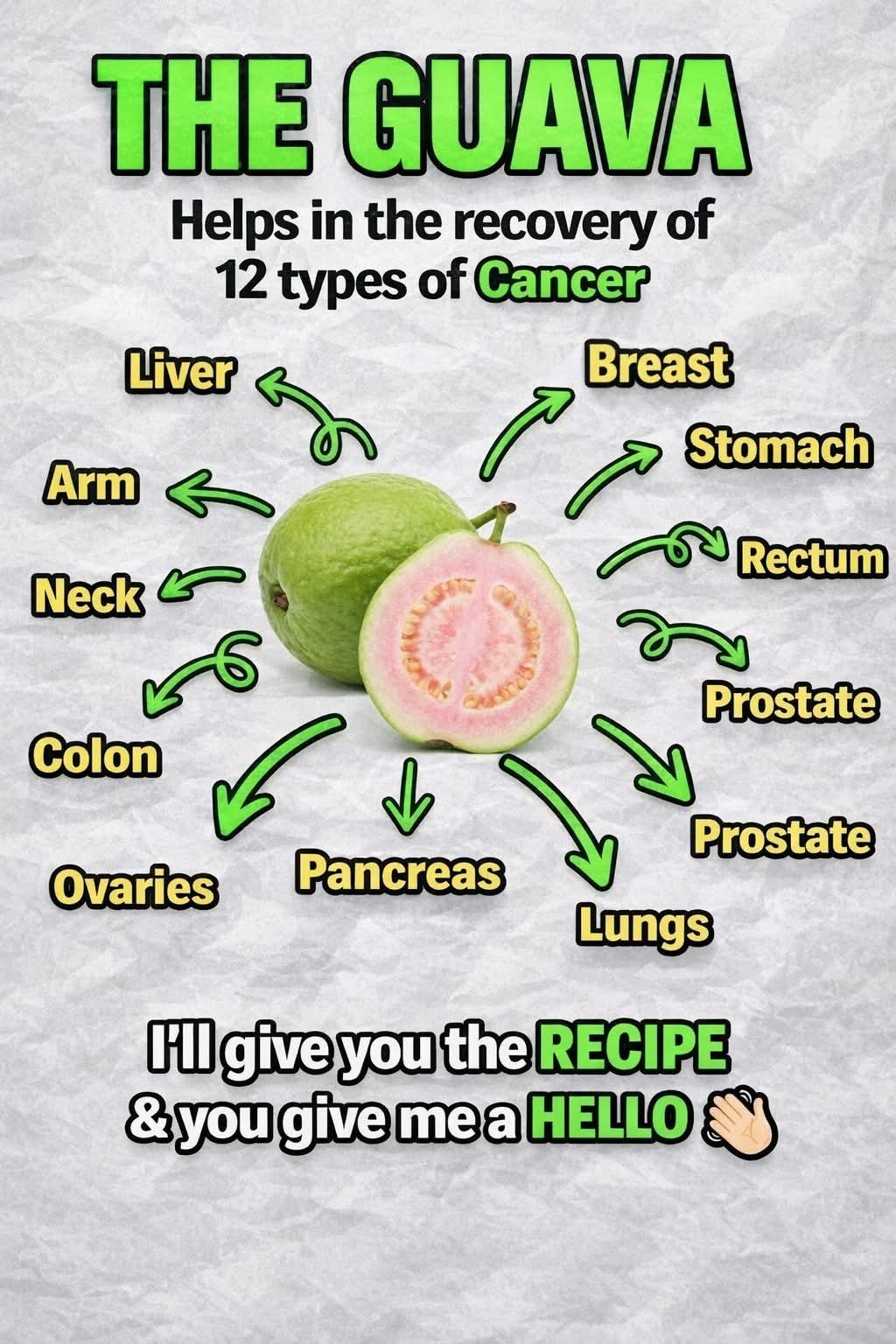
These posts almost always end with: “Comment ‘Hello’ to get our recipe.”
Why You Must Be Skeptical
These posts are not medical advice; they are marketing funnels. By commenting “Hello,” you are engaging with an algorithm. This signals that you are interested in “alternative health,” which makes you a target for scammers, supplement sellers, and purveyors of false medical hope.
Red Flags to Watch For:
- The “Secret” Cure: If a post claims that a single fruit (like guava) cures “12 types of cancer” or that a “magic juice” will save your failing kidneys, it is a lie. Cancer and kidney failure are complex medical conditions that require specialized treatment by oncologists and nephrologists.
- Miraculous Claims without Citations: Real medical science involves clinical trials, peer-reviewed data, and nuanced warnings. It does not involve “secret recipes” you must comment to receive.
- The “Missing Vitamin” Trope: Posts that claim you are missing a single vitamin which is the cause of all your bone and leg pain are designed to exploit people who are in discomfort. Bone health is complex and depends on a synergy of Vitamin D, K2, Magnesium, and Calcium—not a single “miracle pill.”
How to Protect Your Health
- Trust Doctors, Not Influencers: If you have leg pain, kidney issues, or health concerns, see a medical professional. Do not rely on an image with a “comment for recipe” hook.
- Understand the Algorithm: The people behind these posts are often trying to build a page with high engagement so they can sell it, or they are selling low-quality supplements. They do not care about your health.
- Use Verified Sources: If you want to learn about health, visit sites like the Mayo Clinic, the Cleveland Clinic, or the official pages of major medical associations.
Part V: Building a Healthy Foundation
True wellness is boringly consistent, not excitingly miraculous. It isn’t found in a “secret” bottle of water or a comment section on Facebook. It is found in the slow, unglamorous work of daily living.
1. The Nutritional Foundation
Your body does not need a “magic juice” to detox. Your liver and kidneys are already doing that 24/7. They don’t need a recipe to “save” them; they need you to:
- Drink adequate water.
- Avoid excessive sodium and processed sugars.
- Maintain a healthy blood pressure and blood sugar level.
2. The Movement Foundation
You may see images of skeletons claiming that a “missing vitamin” is why your legs hurt. Often, the reason legs and joints hurt is a lack of movement, or improper movement. Bones respond to load. If you want strong, healthy bones, you need to engage in weight-bearing exercise—walking, resistance training, or yoga. Your skeleton needs to be reminded that it is needed.
3. The Culinary Foundation
The most “healthy” thing you can do is cook for yourself. When you make your own stuffed dates or your own loaves, you control the quality of the sugar, the type of fat, and the ingredients involved. You are no longer at the mercy of processed food manufacturers.
Conclusion: The Joy of the Kitchen
The kitchen is a place of profound joy and creativity. When you take the time to toast nuts for your dates or properly reduce strawberries for your cake, you are engaging in a process that honors food. You are connecting with the tradition of home cooking.
Do not let the misinformation of the internet tarnish this space. Use your kitchen to nourish your body with real food, not “miracle” potions. Use your critical thinking to guard your health against those who wish to profit from your fear.
By mastering the techniques of the culinary arts and adopting a skeptical, science-based approach to health information, you aren’t just a better cook—you are a more empowered, resilient individual.
Enjoy your baking. Enjoy your tea. And above all, enjoy the process of building a life based on truth, taste, and genuine well-being.