Garlic as a Natural Antibiotic: Separating Fact from Viral Hype
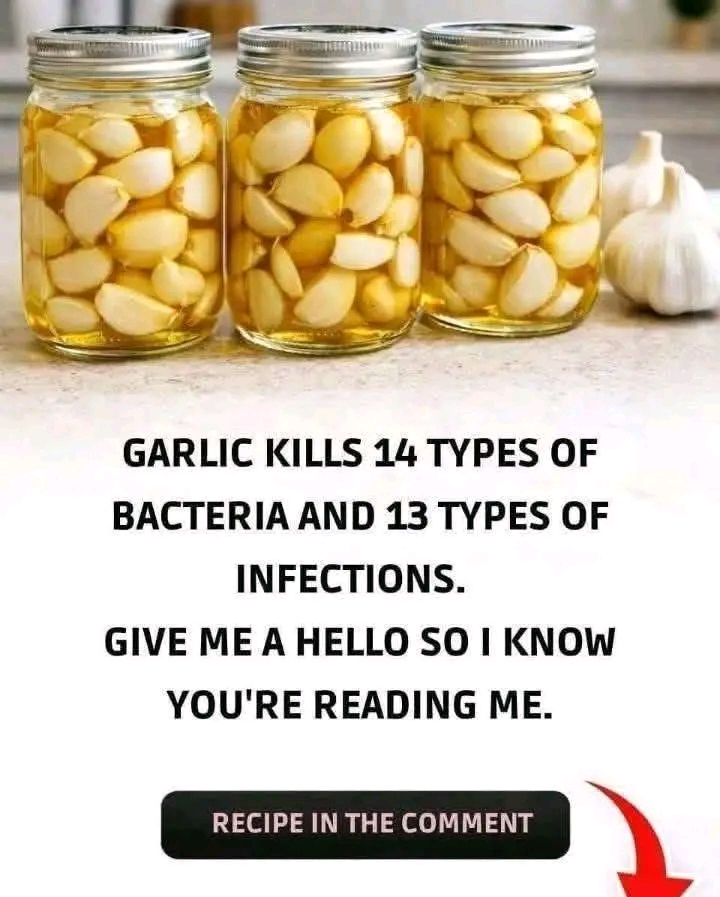
Garlic (Allium sativum) is more than just a flavorful kitchen staple. For thousands of years, cultures worldwide have turned to this pungent bulb for its reputed ability to fight infections, boost immunity, and support overall health. In the age of social media, eye-catching images of garlic preserved in jars often come with sensational claims—like killing exactly 14 types of bacteria and 13 infections. But what does modern science actually say?
The truth lies somewhere between ancient wisdom and rigorous laboratory research. Garlic contains powerful sulfur-based compounds, most notably allicin, that demonstrate broad antimicrobial activity in test tubes and some animal studies. It is not a miracle cure or a replacement for prescribed antibiotics, but it offers intriguing supportive benefits that deserve closer examination.
A Brief History of Garlic in Medicine
Humans have used garlic medicinally since at least 3000 BCE. Ancient Egyptians included it in their diet and remedies, feeding it to pyramid workers for strength and using it to treat ailments. The Greek physician Hippocrates recommended garlic for respiratory issues, digestive problems, and infections. In traditional Chinese medicine, it addressed stomach complaints and acted as a natural antibiotic. During World War I and II, garlic served as an antiseptic when modern supplies ran low.
One striking modern validation of this history came in 2015 when scientists recreated a 1,000-year-old Anglo-Saxon eye salve recipe containing garlic, onion, and other ingredients. The mixture proved remarkably effective against methicillin-resistant Staphylococcus aureus (MRSA), a notoriously difficult hospital superbug.
This historical backdrop sets the stage for understanding why garlic continues to capture attention today.
The Chemistry Behind Garlic’s Antimicrobial Power
The magic of garlic begins when you crush or chop a clove. Intact garlic bulbs contain an odorless compound called alliin. When damaged, the enzyme alliinase converts alliin into allicin—the volatile, sulfur-rich molecule responsible for garlic’s strong aroma and many of its biological effects.
Allicin is unstable and breaks down quickly into other organosulfur compounds, including diallyl disulfide (DADS), diallyl trisulfide (DATS), ajoene, and vinyl dithiins. These compounds are hydrophobic (oil-soluble) and highly reactive.
How do they work against microbes?
- Thiol reactivity: Allicin and its derivatives react with sulfhydryl (-SH) groups in bacterial enzymes and proteins. This disrupts essential metabolic processes, such as those involving alcohol dehydrogenase, thioredoxin reductase, and RNA polymerase.
- Cell membrane damage: They can compromise bacterial cell walls and membranes, leading to leakage of cellular contents and eventual cell death.
- Biofilm inhibition: Many chronic infections involve protective biofilms. Garlic compounds interfere with quorum sensing (bacterial communication) and prevent biofilm formation, potentially making bacteria more vulnerable to the immune system or antibiotics.
- Antioxidant and immune modulation: Beyond direct killing, garlic supports the body’s defenses by reducing oxidative stress and influencing immune cell activity.
Importantly, allicin is most potent in fresh, raw garlic. Cooking, aging, or processing can reduce or alter its activity, though aged garlic extracts (AGE) retain other beneficial compounds like S-allyl cysteine (SAC).
Scientific Evidence: What Garlic Can (and Cannot) Do
The viral claim of killing “14 types of bacteria and 13 infections” lacks a specific scientific source. No single study lists precisely those numbers. However, research consistently shows garlic extracts and allicin exhibit broad-spectrum activity against many pathogens.
Antibacterial Effects
Garlic inhibits both Gram-positive and Gram-negative bacteria, including:
- Staphylococcus aureus (including MRSA strains)
- Escherichia coli (including multidrug-resistant strains)
- Salmonella species
- Streptococcus species (e.g., S. mutans linked to dental caries)
- Klebsiella, Proteus, Bacillus, and Clostridium species
- Helicobacter pylori (associated with stomach ulcers)
- Mycobacterium tuberculosis (in combination therapies)
- Pseudomonas aeruginosa (though some mucoid strains show resistance)
Studies using garlic extracts often report zones of inhibition in agar diffusion tests comparable to or sometimes approaching certain antibiotics, though usually at higher concentrations. For example, hard-neck garlic extracts showed strong activity against cariogenic bacteria Streptococcus mutans and Lactobacillus acidophilus.
Allicin has demonstrated effectiveness against antibiotic-resistant strains, including vancomycin-resistant enterococci and multidrug-resistant E. coli. In one notable finding, a garlic-derived compound (diallyl sulfide) eliminated Campylobacter jejuni cells faster than two common antibiotics, even at much lower concentrations when biofilms were involved.
Antifungal Activity
Garlic is particularly effective against fungi like Candida albicans (responsible for yeast infections and thrush). It also inhibits Cryptococcus neoformans and can reduce mycotoxin production by molds such as Aspergillus.
Antiviral Potential
Laboratory evidence suggests garlic compounds can inhibit viruses including influenza B, herpes simplex virus types 1 and 2, rhinovirus, and cytomegalovirus. Human studies are more limited, but some indicate that aged garlic extract may reduce the severity and duration of common cold symptoms.
Antiparasitic Effects
Allicin shows activity against protozoan parasites such as Entamoeba histolytica (causing amoebic dysentery) and Giardia lamblia.
Limitations and Realistic Expectations
- In vitro vs. in vivo: Most strong results come from test-tube or animal studies. Human clinical trials are fewer and often show milder, supportive effects rather than dramatic cures.
- Concentration matters: The amount of allicin needed in a lab may exceed what is safely achievable through dietary intake.
- Not a substitute for antibiotics: Garlic may complement treatment for certain infections (e.g., by disrupting biofilms), but it should never replace prescribed medication for serious bacterial infections.
- Variable potency: Freshness, garlic variety, preparation method, and individual bioavailability all influence effectiveness.
- Resistance: While garlic affects many resistant strains, some bacteria (e.g., certain encapsulated Pseudomonas) are less sensitive.
Overall, garlic is best viewed as an immune-supportive food and adjunct therapy rather than a standalone “natural antibiotic” that kills a precise list of pathogens.
Practical Ways to Use Garlic for Health Support
If you want to harness garlic’s potential safely:
- Raw Consumption: Crush or finely chop fresh cloves and let them sit for 10–15 minutes to maximize allicin formation. Add to salads, dressings, or dips. Start small to avoid stomach upset.
- Cooking: While heat reduces allicin, lightly sautéed or roasted garlic retains other beneficial sulfur compounds and is easier on the digestive system.
- Supplements: Aged garlic extract (AGE) or standardized allicin supplements are popular for consistent dosing. Look for reputable brands and consult a healthcare provider, especially if you take blood thinners (garlic has mild antiplatelet effects).
- Topical Use: Diluted garlic oil or crushed garlic pastes have traditional uses for skin infections or warts, but test for irritation first.
A Note on the Viral Jars in the Image
The photo of garlic cloves in liquid (often oil or honey) is common in “natural remedy” circles. While visually appealing, garlic preserved in oil carries a serious food safety risk. Clostridium botulinum spores can survive in low-acid, anaerobic environments like oil and produce deadly toxin if not properly acidified or refrigerated. Garlic in honey poses similar concerns for infants due to botulism risk and general low-acid conditions. Always follow proper canning guidelines or consume such preparations quickly from the refrigerator. Vinegar-based pickles are generally safer.
Broader Health Benefits of Garlic
Beyond antimicrobials, garlic is studied for:
- Cardiovascular support: May help lower blood pressure and cholesterol in some people.
- Antioxidant effects: Combats oxidative stress.
- Anti-inflammatory properties: Potentially beneficial for chronic conditions.
- Cancer risk reduction: Some epidemiological data suggest regular consumption correlates with lower risk of certain cancers, though more research is needed.
- Immune modulation: Regular intake during cold season may reduce symptom severity.
These effects often stem from the same sulfur chemistry that gives garlic its antimicrobial punch.
Potential Side Effects and Precautions
Garlic is safe for most people when used in food amounts. However:
- It can cause heartburn, gas, or bad breath.
- Raw garlic may irritate the skin or stomach lining.
- It has blood-thinning properties—avoid high doses before surgery or if on anticoagulants.
- Allergic reactions are rare but possible.
- Consult a doctor if pregnant, breastfeeding, or managing chronic conditions.
Children and infants should avoid certain preparations (e.g., honey-garlic mixes) due to botulism risk.
Conclusion: Garlic’s Place in Modern Health
The eye-catching image of preserved garlic and its accompanying claim oversimplifies a complex story. Garlic does not magically eliminate exactly 14 bacteria and 13 infections, but its sulfur compounds—especially allicin—offer real, science-supported antimicrobial activity against a wide range of bacteria, fungi, viruses, and parasites. From ancient remedies to modern lab studies, garlic earns its reputation as a supportive “natural antibiotic.”
Incorporate fresh garlic into your diet as part of a balanced, healthy lifestyle. Use it to enhance flavor, support immunity during cold season, and complement—not replace—professional medical care when facing infections. For serious illnesses, always prioritize evidence-based treatments and consult qualified healthcare providers.
The next time you see a viral post with jars of garlic and dramatic headlines, remember: the truth is powerful enough without exaggeration. Crush a fresh clove, enjoy its benefits responsibly, and let both tradition and science guide you.