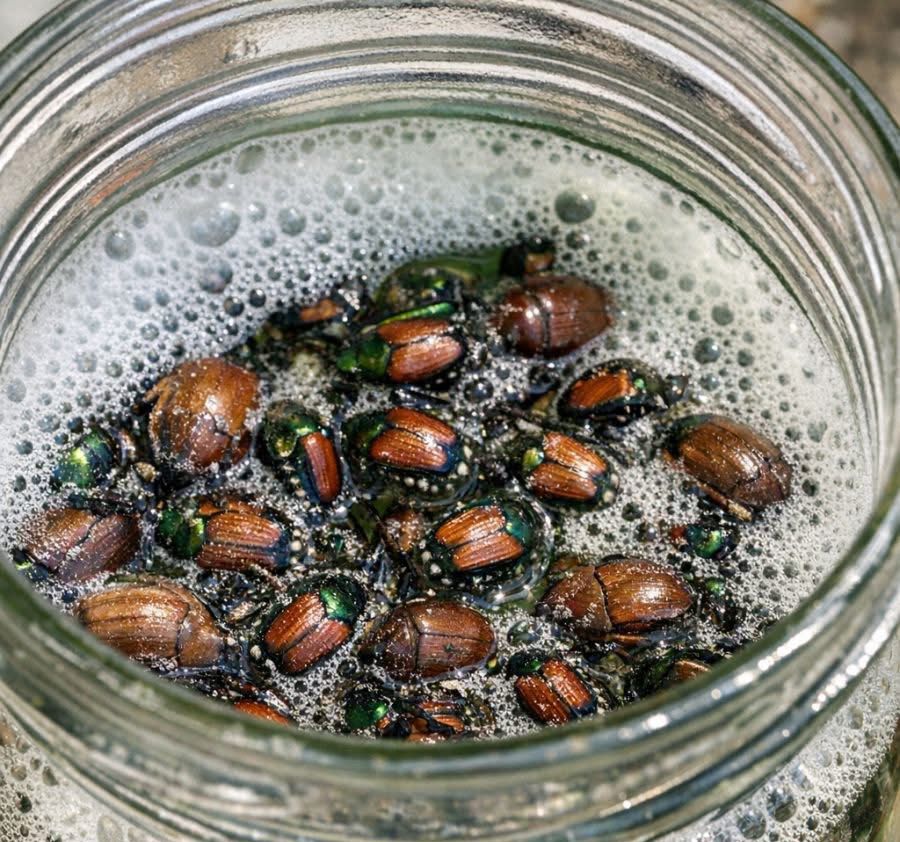
As the warm months approach, gardeners everywhere brace themselves for the annual invasion of destructive pests like Japanese beetles, June bugs, and a host of other lawn invaders. These insects are notorious for wreaking havoc on gardens, leaving behind a trail of destruction that can be disheartening for any green thumb.
While there are numerous chemical solutions available on the market, many gardeners are seeking eco-friendly, safe alternatives that won’t harm beneficial insects or the environment. One such solution is a simple homemade mixture that not only targets these pests effectively but is also gentle on your garden’s ecosystem.
- Why Japanese Beetles, June Bugs, And Lawn Pests Are So Hard To Control
Japanese beetles and June bugs are particularly difficult to control due to their life cycles and feeding patterns. Japanese beetles, for instance, emerge in large numbers during the summer and can quickly decimate plants by skeletonizing their leaves. Each beetle can eat through leaf tissue at an alarming rate, creating a significant threat in a short period.
Similarly, June bugs are nocturnal and often go unnoticed until the damage is already done. They lay eggs in the soil, which hatch into grubs that feast on grass roots, leading to brown patches and weakened turf. The resilient nature of these pests, combined with their rapid reproduction rates, makes them formidable adversaries in any garden. - The Simple 1 Mixture Hack That Targets Multiple Garden Pests At Once
This one-mixture solution is a game-changer for gardeners looking to manage pest populations without resorting to harsh chemicals. The mixture combines common household ingredients that work together to either repel or trap these destructive insects.
The beauty of this mixture lies in its simplicity and effectiveness. It can be placed strategically around the garden to intercept and reduce the number of pests before they have a chance to cause significant damage. - Exact Ingredients: What Goes Into This Pest-Busting Mixture
The key ingredients in this pest-busting mixture are water, sugar, apple cider vinegar, and a few drops of dish soap. The water acts as a base, while the sugar attracts the insects due to its sweetness. Apple cider vinegar is a natural repellent, and the dish soap breaks the surface tension, ensuring that once pests are lured in, they cannot escape.
For optimal results, use one cup of water, half a cup of sugar, half a cup of apple cider vinegar, and a few drops of dish soap. This combination creates an enticing yet lethal trap for pests like Japanese beetles and June bugs. - How To Mix It: Step-By-Step Instructions For Getting The Ratio Right
To prepare the mixture, start by filling a large container or bucket with one cup of water. Add half a cup of sugar, stirring until it is fully dissolved. Next, pour in half a cup of apple cider vinegar and mix thoroughly. Finally, add a few drops of dish soap and stir gently to combine.
Once your mixture is ready, transfer it into smaller containers or shallow dishes that can be easily placed around your garden. Ensure the containers are stable and won’t tip over easily to maintain their effectiveness. - Where To Place The Mixture Near Your Garden For Maximum Impact
Strategically place the mixture near plants that are frequently targeted by Japanese beetles and June bugs. Ideal locations include the base of rose bushes, vegetable patches, and areas with visible insect activity.
It’s important to place the containers in spots where they receive adequate sunlight, as warmth can intensify the scent of the mixture, making it more attractive to pests. Additionally, avoid placing the mixture too close to beneficial plants or flowers that attract pollinators. - How This Mixture Works To Attract, Trap, Or Repel Destructive Insects
The mixture works by emitting a sweet aroma that draws in pests like Japanese beetles and June bugs. The sugar and vinegar combination is particularly enticing, mimicking the scent of ripe, fermenting fruit that these insects are naturally attracted to.
Once the insects land on the surface of the mixture, the dish soap breaks the water’s surface tension, causing them to become trapped and eventually drown. This effectively reduces the population of these pests without directly harming other beneficial insects in the area. - When To Set It Out: Timing Your Defense For Peak Beetle And Bug Season
Timing is crucial when using this mixture to control garden pests. Japanese beetles typically emerge from the ground in late spring to early summer, while June bugs are most active during the warm summer nights.
Set out your traps at the first sign of beetle activity, usually in late May or early June, and continue to monitor and refresh the mixture every few weeks throughout the summer. This proactive approach will help keep pest populations under control during their peak season. - Safety First: Protecting Pets, Pollinators, And Kids Around The Mixture
While the mixture is relatively safe, it’s important to take precautions to protect pets and children. Place the containers out of reach of curious pets and small children to prevent accidental spills or ingestion.
To safeguard pollinators, position the traps away from flowering plants where bees and butterflies are likely to visit. This ensures that the traps target only the intended pests without disrupting the activity of beneficial insects in your garden. - Real-World Results: What Gardeners Report After Using This Trick
Gardeners who have used this mixture report a noticeable decrease in the presence of Japanese beetles and June bugs. Many have observed healthier plants and reduced leaf damage after incorporating this method into their pest control routine.
Testimonials highlight the mixture’s ease of preparation and effectiveness, with some gardeners mentioning a reduction in pest populations within just a few days of setting out the traps. This feedback underscores the mixture’s potential as a simple yet powerful tool in the fight against garden pests. - Extra Moves: Pairing The Mixture With Other Low-Toxic Pest Controls
For even greater pest control, consider pairing the mixture with other low-toxic methods such as introducing beneficial nematodes to target grub populations in the soil. Nematodes are microscopic worms that prey on pest larvae, providing a natural and sustainable solution.
Additionally, companion planting with pest-repelling herbs like marigold and mint can further deter unwanted insects from your garden. Combining these strategies can create a comprehensive and eco-friendly approach to pest management. - Troubleshooting: What To Do If The Mixture Doesn’t Seem To Work
If the mixture doesn’t seem to be effective, consider adjusting the placement of the containers to areas with higher pest activity. Ensure that the mixture is refreshed regularly, especially after rain, which can dilute its potency.
In cases where the mixture is still ineffective, evaluate other environmental factors such as nearby food sources or sheltering spots that may attract pests. Enhancing the mixture with additional attractants or trying a different combination of ingredients may also improve results.