Cheesecake A Timeless Dessert
Introduction
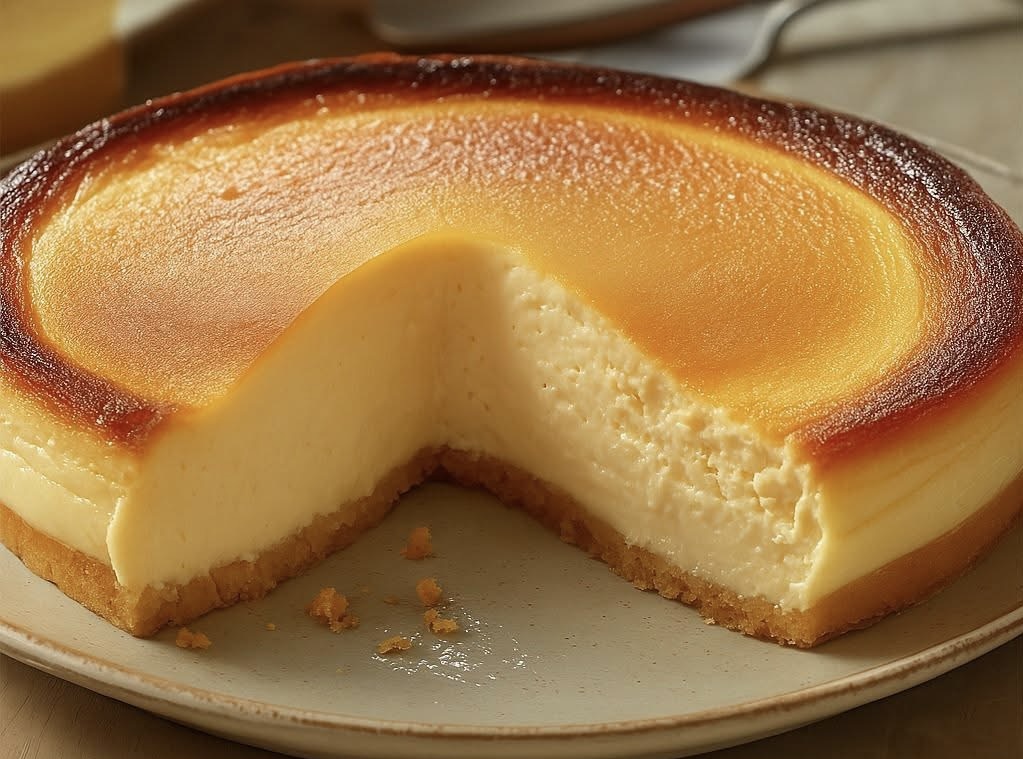
Cheesecake is a rich, creamy dessert that has captivated taste buds for centuries. With its smooth texture and indulgent flavor, it is loved across the world. The classic cheesecake consists of a buttery biscuit or graham cracker crust, a velvety cream cheese filling, and sometimes a sweet topping such as fruit, chocolate, or caramel.
History of Cheesecake
Cheesecake dates back to ancient Greece, where it was served to athletes during the first Olympic Games in 776 BC. The Romans later adapted the recipe, and it spread throughout Europe. In the 19th century, Americans revolutionized the dessert with the invention of cream cheese, giving cheesecake its signature rich taste.
Ingredients
For the crust:
- 2 cups (200g) graham cracker or digestive biscuit crumbs
- 1/2 cup (115g) melted butter
- 2 tbsp sugar (optional)
For the filling:
- 2 lbs (900g) cream cheese, softened
- 1 cup (200g) sugar
- 1 tsp vanilla extract
- 3 large eggs
- 1 cup (240ml) sour cream or heavy cream
- 1 tbsp lemon juice (optional)
For the topping (optional):
- Fresh fruit (strawberries, blueberries, raspberries)
- Fruit compote or jam
- Caramel sauce or chocolate ganache
Instructions
Step 1: Prepare the crust
- Preheat your oven to 325°F (163°C).
- Mix the graham cracker crumbs, melted butter, and sugar in a bowl.
- Press the mixture firmly into the bottom of a springform pan.
- Bake for 10 minutes, then let it cool while preparing the filling.
Step 2: Make the filling
- In a large bowl, beat the softened cream cheese until smooth.
- Add sugar and vanilla extract, mixing well.
- Beat in eggs one at a time, ensuring each is fully incorporated.
- Mix in sour cream or heavy cream for extra creaminess.
Step 3: Bake the cheesecake
- Pour the batter over the crust in the pan.
- Place the pan in a larger baking dish filled with hot water (water bath method) to prevent cracks.
- Bake for 50-60 minutes until the edges are set but the center is slightly jiggly.
- Turn off the oven and let the cheesecake cool inside with the door slightly open.
Step 4: Chill and serve
- Refrigerate the cheesecake for at least 4 hours (preferably overnight).
- Add your desired toppings before serving.
Baking Methods
1. Traditional Baking
Uses a water bath for a soft, creamy texture and prevents cracks.
2. No-Bake Cheesecake
Uses gelatin or whipped cream for stability and is refrigerated instead of baked.
3. Basque Burnt Cheesecake
Baked at high temperatures to create a caramelized, burnt top with a creamy interior.
Health Benefits of Cheesecake
While cheesecake is an indulgent treat, it does have some benefits:
- Good source of calcium: Supports strong bones and teeth.
- Protein-rich: Especially if made with Greek yogurt or cottage cheese.
- Provides energy: Due to its carbohydrate and fat content.
1. Good Source of Calcium
- Cheesecake is made with dairy products like cream cheese, sour cream, and sometimes milk, which are rich in calcium.
- Calcium is essential for strong bones and teeth and helps prevent osteoporosis.
2. Protein Boost
- Cream cheese, eggs, and sometimes Greek yogurt in cheesecake provide a decent amount of protein.
- Protein is crucial for muscle repair, cell growth, and overall body function.
3. Energy-Dense Treat
- Cheesecake is high in calories, meaning it provides a quick energy boost.
- Great for athletes or people who need an occasional high-energy snack (not an excuse to eat the whole cake).
4. Contains Healthy Fats
- Cheesecake has a mix of saturated and unsaturated fats.
- While too much saturated fat isn’t ideal, the fats in dairy can support brain function and cell growth.
5. Mood-Boosting Properties
- Cheesecake contains sugar and fats, which stimulate dopamine release, making you feel happy (at least temporarily).
- If topped with dark chocolate or berries, you also get antioxidants, which help reduce stress.
6. Customizable for Healthier Options
- Swap cream cheese for Greek yogurt or cottage cheese for more protein and less fat.
- Use almond flour or oat crust instead of graham crackers for more fiber.
- Reduce sugar by using natural sweeteners like honey or stevia.
Reality Check
- Yes, cheesecake has benefits, but let’s not pretend it’s a superfood.
- It’s high in sugar and fat, so moderation is key.
- A small slice can be part of a balanced diet—just don’t eat half the cake in one sitting (we’ve all been there).
However, it should be enjoyed in moderation due to its high calorie and sugar content.
Nutritional Information (Per Serving – Approximate)
- Calories: 350-450
- Protein: 6-8g
- Fat: 25-30g
- Carbohydrates: 30-40g
- Sugar: 20-25g
The exact nutrition varies based on ingredients and portion size, but here’s a general breakdown for a classic New York-style cheesecake:
Calories: 350–450 kcal
- Cheesecake is calorie-dense due to its combination of cream cheese, sugar, and a buttery crust.
Macronutrients:
- Carbohydrates: 30–40g
- Comes mainly from sugar and the crust.
- Can be reduced by using almond flour or sugar substitutes.
- Protein: 6–8g
- Derived from cream cheese, eggs, and sometimes Greek yogurt.
- Higher in protein if made with ricotta or cottage cheese.
- Fats: 25–30g
- A mix of saturated and unsaturated fats from dairy and butter.
- Full-fat versions contain more saturated fat; low-fat versions reduce this.
Micronutrients:
- Calcium: ~10% of Daily Value (DV)
- Supports bone health and muscle function.
- Vitamin A: ~15–20% DV
- Important for skin, vision, and immune function.
- Iron: ~5% DV
- Helps with oxygen transport in the blood.
- Sugar: 20–25g
- Comes from added sugar and crust ingredients.
- Can be lowered by using alternative sweeteners.
How to Make Cheesecake Healthier
- Reduce sugar: Use stevia, honey, or monk fruit sweetener.
- Use whole-grain crust: Substitute graham crackers with oats or almond flour.
- Increase protein: Add Greek yogurt or cottage cheese.
- Opt for lighter dairy: Try low-fat cream cheese or mascarpone.
Cheesecake isn’t a “diet” food, but it’s a delicious treat with some nutritional benefits. Enjoy it in moderation, and if you’re feeling adventurous, tweak the ingredients for a healthier version!
Cheesecake Lovers
Cheesecake is beloved worldwide, with variations in different cultures:
- New York Cheesecake: Rich, dense, and creamy.
- Japanese Cheesecake: Light and fluffy.
- Italian Cheesecake: Uses ricotta cheese for a grainier texture.
- German Käsekuchen: Uses quark instead of cream cheese.
Conclusion
Cheesecake is more than just a dessert; it is a symbol of indulgence and celebration. Whether baked, no-bake, or burnt, it remains a favorite among dessert lovers worldwide. With endless variations, there’s a cheesecake for everyone!