Avocado Seed Tea: Benefits, Risks, and What the Science Really Says
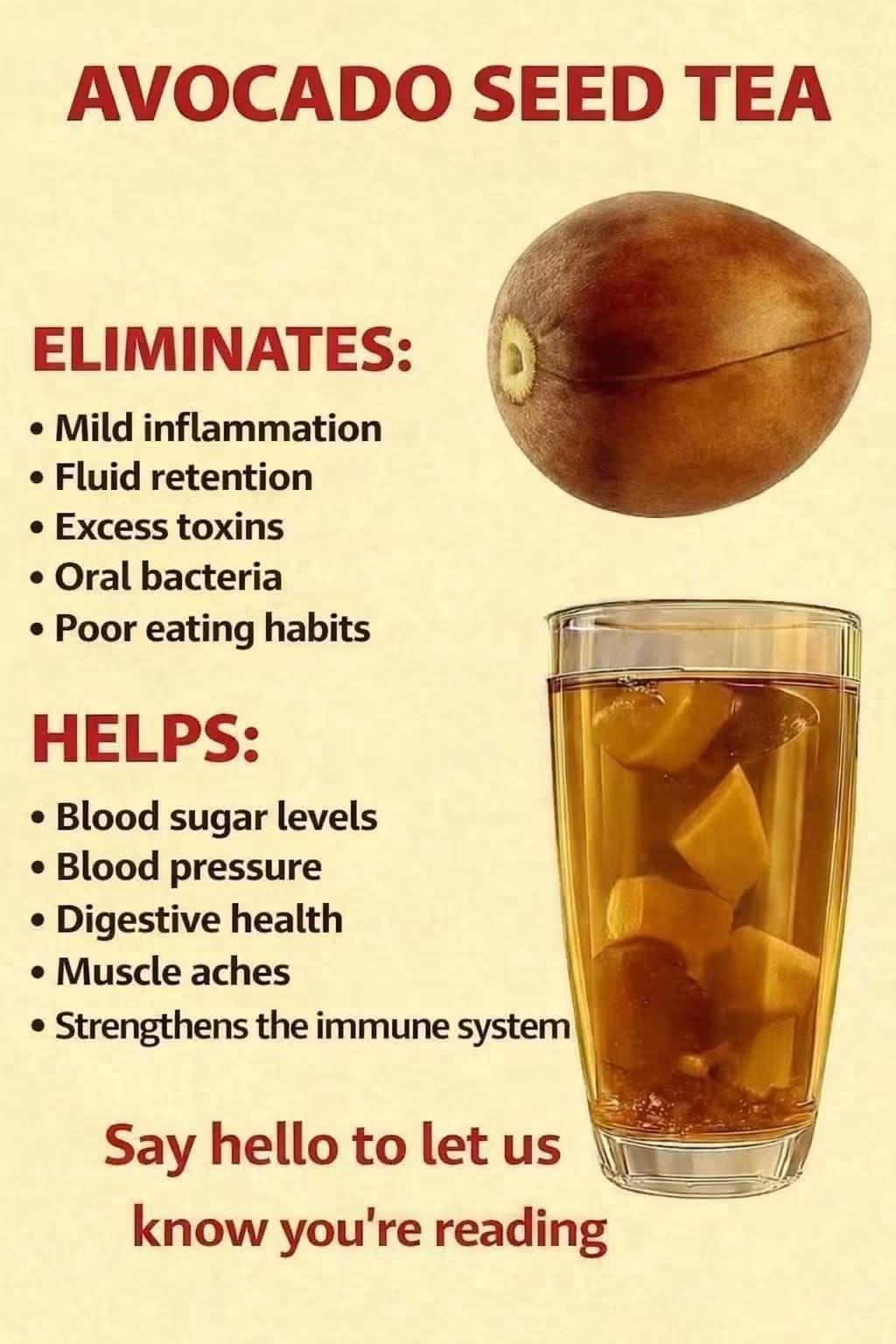
Scroll through social media for a few minutes and you will probably run into a bold graphic about avocado seed tea. It promises to eliminate toxins, melt away inflammation, balance blood sugar, lower blood pressure, calm muscle aches, and even strengthen your immune system. It sounds almost too good to be true, and that should make any careful reader a little suspicious.
So what is the truth? Is avocado seed tea a forgotten superfood hiding inside the part of the fruit most people throw away, or is it another viral wellness trend that runs far ahead of the evidence? In this guide we go through every claim commonly made about avocado seed tea, look at what research actually exists, explain the safety questions that are rarely mentioned in those viral posts, and show you how to make an informed decision for yourself.
Quick answer: Avocado seeds do contain interesting plant compounds, and some laboratory and animal studies are promising. However, there is almost no good quality research in humans, and several of the popular claims are simply not supported. There are also unanswered safety questions. Read on for the details.
What Is Avocado Seed Tea?
Avocado seed tea is an infusion made by steeping or simmering pieces of the large pit found at the center of an avocado. The seed is usually cleaned, chopped or grated, and dried or used fresh, then boiled in water for several minutes. The resulting liquid is amber or reddish-brown, with an earthy, slightly bitter flavor. Some people add cinnamon, ginger, lemon, or honey to make it more pleasant.
The idea of using avocado seeds is not entirely new. In several parts of Latin America, Africa, and the Caribbean, avocado seed preparations have appeared in folk remedies for generations, often for digestive upset, aches, or general wellness. Traditional use, however, is not the same as proof. Many traditional remedies turn out to be harmless but ineffective, some are helpful, and a few are risky. Traditional use is a reason to study something, not a reason to trust it blindly.
Avocado seeds make up roughly 13 to 18 percent of the fruit by weight, and enormous quantities are discarded every year by the food industry. That waste is one reason researchers have taken an interest in whether the seeds could be turned into something useful, whether as a food ingredient, a natural dye, or a source of antioxidants.
Why the Avocado Seed Gets So Much Attention
The reason people get excited is not entirely baseless. Laboratory analyses show that avocado seeds contain a range of bioactive compounds. These include:
- Polyphenols: plant compounds with antioxidant activity, including catechins, procyanidins, and phenolic acids.
- Flavonoids: another family of antioxidant plant chemicals also found in tea, cocoa, and berries.
- Soluble fiber: the seed contains fiber and starch, although much of this does not end up in a simple tea.
- Phytosterols and other lipids: in small amounts.
- Other compounds: including some that are toxic in high doses, which we will discuss in the safety section.
Several studies have reported that extracts from avocado seeds show strong antioxidant capacity in test tubes, sometimes higher than the flesh of the fruit. Because oxidative stress and chronic inflammation are linked to many diseases, this has fueled enthusiasm. But there is a big gap between “an extract has antioxidant activity in a lab dish” and “drinking a cup of tea improves your health.” Many foods and drinks show antioxidant activity in a lab. That alone does not tell us what happens inside the human body.
Understanding the Evidence: Lab, Animal, and Human Studies
Before looking at specific claims, it helps to know how to read health research, because viral posts rarely explain this.
In vitro studies test substances on cells or chemicals in a dish. They are useful for finding leads but cannot show whether a compound survives digestion, reaches the right tissues, or works at the amounts you would actually drink.
Animal studies are a step closer. Several have tested concentrated avocado seed extracts in rats and mice. But the doses are often high, the extracts are prepared differently from home tea, and animals do not always respond like humans.
Human clinical trials are the gold standard. For avocado seed tea or seed extract, controlled human trials are extremely limited or essentially absent. This is the single most important fact to understand about this topic. Nearly everything you read about the benefits is extrapolated from lab and animal work.
Claim by Claim: What Does the Evidence Say?
The graphic that inspired this article lists benefits under two headings, what the tea supposedly “eliminates” and what it supposedly “helps.” Let us go through each one honestly.
1. “Eliminates Mild Inflammation”
This is one of the better-supported claims, but only in a limited sense. Some laboratory and animal studies have found that avocado seed extracts can reduce markers of inflammation. The polyphenols in the seed are believed to play a role. However, these studies used concentrated extracts rather than home-brewed tea, and no robust human trials confirm an anti-inflammatory effect from drinking the tea. The word “eliminates” is also an exaggeration. Even well-proven anti-inflammatory foods and medicines reduce inflammation, they do not eliminate it.
Verdict: Promising in early research, unproven in people.
2. “Eliminates Fluid Retention”
Some animal research has suggested avocado seed extracts may have a mild diuretic effect, meaning they might increase urine output. Many herbal teas have this property. But there are no reliable human studies showing that avocado seed tea reduces fluid retention. Persistent swelling can signal heart, kidney, liver, or circulatory problems, so it should be medically evaluated rather than treated with a trendy tea.
Verdict: Weak evidence. Do not use it to self-treat swelling.
3. “Eliminates Excess Toxins”
This is perhaps the most common wellness claim on the internet, and it is also the least meaningful scientifically. Your liver, kidneys, lungs, skin, and digestive system already neutralize and remove waste products around the clock. No tea, juice, or supplement has been shown to “detox” the body beyond what these organs already do. The vague word “toxins” is almost never defined, which is a clue that the claim is marketing rather than medicine.
Verdict: Not supported. Detox claims are a red flag.
4. “Eliminates Oral Bacteria”
Some laboratory studies have found that avocado seed extracts can inhibit the growth of certain bacteria in a dish, which suggests antimicrobial activity. That is interesting, but killing bacteria in a petri dish does not mean a cup of tea will improve your oral health. Oral hygiene depends on brushing, flossing, regular dental checkups, and diet. Tea might briefly rinse the mouth, but it is not a substitute for any of these, and nothing shows it reduces cavities or gum disease.
Verdict: Lab activity only. Keep brushing and flossing.
5. “Eliminates Poor Eating Habits”
This claim is not a health claim at all. A drink cannot erase eating habits. Habits change through awareness, planning, environment, and sustained effort. If a warm tea helps someone replace a late-night sugary snack with a calming ritual, that is a behavioral win, but it comes from the substitution, not from any property of the seed.
Verdict: Not a valid claim.
6. “Helps Blood Sugar Levels”
Some animal studies on diabetic rats have reported that avocado seed extracts lowered blood glucose. These findings are intriguing and are often quoted online. Yet human evidence is lacking. This matters because people who take diabetes medication could, in theory, face a risk of blood sugar dropping too low if they combine a glucose-lowering herbal product with their prescription. Never replace or adjust diabetes treatment based on a social media graphic. Discuss any herbal product with your doctor or pharmacist first.
Verdict: Animal data only. Do not use it in place of treatment.
7. “Helps Blood Pressure”
Similar to blood sugar, a handful of animal and laboratory studies suggest avocado seed extracts may relax blood vessels or lower blood pressure. No convincing human trials exist. High blood pressure is a serious condition that often has no symptoms and is a major risk factor for stroke and heart disease. It needs proper monitoring and, often, medication. People who take blood pressure medication should be particularly careful about adding unproven herbal products.
Verdict: Animal data only. Not a replacement for medical care.
8. “Helps Digestive Health”
Traditional use of avocado seed for stomach complaints is real, and the seed does contain fiber and polyphenols that could, in theory, interact with the gut. But there is no clinical evidence that avocado seed tea improves digestion. Some people may also find the tea irritating to the stomach, especially in larger amounts. A warm drink can feel soothing for many people regardless of what is in it, but that is a general effect rather than a proven benefit of this specific tea.
Verdict: Plausible but unproven. Possible stomach upset in some people.
9. “Helps Muscle Aches”
Anti-inflammatory compounds might in theory help with soreness, and avocado seed has a history in folk medicine for aches. Still, there are no studies showing that the tea reduces muscle pain in humans. Better-supported approaches include rest, gentle movement, adequate protein, hydration, sleep, and, when appropriate, heat or over-the-counter pain relief used as directed.
Verdict: No human evidence.
10. “Strengthens the Immune System”
“Boosting” immunity is another phrase used loosely in wellness marketing. The immune system is a complex network that needs balance, not constant stimulation. The things that genuinely support it are unglamorous: sleep, balanced nutrition, regular physical activity, vaccination, managing stress, and not smoking. While antioxidants in the seed might support general cell health, there is no evidence that avocado seed tea strengthens immunity.
Verdict: Not demonstrated.
Safety: What the Viral Posts Rarely Mention
This is the part that deserves the most attention. Because avocado seed tea has barely been studied in people, we do not know what a safe amount is, how often it can be consumed, or who should avoid it. Here are the main concerns.
Persin and Other Natural Toxins
Avocados contain a compound called persin. It is well documented as toxic to many animals, including birds, horses, rabbits, and goats, and it is the reason pet owners are warned to keep avocado away from birds in particular. Persin is found in the leaves, bark, skin, and seed, and the exact amount in the seed varies. For humans, the fleshy part of the fruit is widely eaten without trouble, and persin in normal food amounts is not considered a major issue. But whether regularly drinking tea made from the seed is safe over time has not been properly established.
Limited Toxicology Data
Some animal toxicity studies have raised questions about high doses of avocado seed extract. Findings have varied, and extracts used in studies differ from tea, so it is hard to draw firm conclusions. The honest summary is that long-term safety is unknown. When a product has no established safe dose, caution is the reasonable approach.
Possible Interactions With Medications
If avocado seed does lower blood sugar or blood pressure, as some animal research suggests, it could interact with diabetes or blood pressure drugs. Other plant compounds can also affect how the liver processes medications. Anyone who takes prescription medicine should speak with a healthcare professional before using herbal teas regularly.
Who Should Avoid It
- Pregnant or breastfeeding women, because safety has not been studied.
- Children, for the same reason.
- People with diabetes or blood pressure problems who take medication, unless a doctor approves.
- People with liver or kidney disease.
- Anyone with a latex allergy, since latex-fruit syndrome can cause cross-reactions with avocado.
- Anyone with a known avocado allergy.
- People who have surgery scheduled, since unstudied herbs can complicate care.
Choking and Handling Hazards
The seed is extremely hard. Chopping it with a knife can slip and cause injuries, and ground seed powder in dry form can be difficult to swallow and is not recommended in large amounts. Always use caution when handling it.
How People Typically Prepare Avocado Seed Tea
This article does not recommend avocado seed tea, but because many readers will try it regardless, it is better that they do so with caution. If, after talking with a healthcare provider, you decide to try a small amount, here is the common method:
- Choose a ripe, organic avocado if possible, and wash the seed well to remove any flesh.
- Dry the seed with a towel. Some people let it dry for a day or two to make it easier to cut.
- Carefully break it into pieces. Place it on a stable cutting board with a towel underneath and use a sturdy knife with great care, or ask for a safer way such as a heavy-duty grater.
- Simmer a small portion of the pieces in about two to three cups of water for roughly 10 to 15 minutes.
- Strain the liquid and let it cool slightly.
- Flavor it with lemon, cinnamon, or a little honey if you wish.
If you try it, start with a small amount, such as half a cup, and watch for any reaction like nausea, stomach pain, diarrhea, headache, or skin rash. Stop immediately if anything feels wrong. It is wise not to turn it into a daily habit, given that no one knows the long-term effects.
Flavor and Expectations
Do not expect a pleasant, mild tea. Many people describe it as bitter and woody, with a tannin-like dryness. The color deepens to a reddish-orange as it sits. This is natural and caused by the oxidation of compounds in the seed.
Better-Proven Ways to Support the Goals Behind the Claims
If you are drawn to avocado seed tea because you want to reduce inflammation, manage blood sugar, support digestion, or feel better overall, there are options with much stronger evidence behind them:
- Eat the avocado flesh. The edible part is rich in monounsaturated fats, fiber, potassium, and vitamins, and it has actual human research supporting its role in a heart-healthy diet.
- Increase fiber from vegetables, legumes, and whole grains. Fiber supports digestion and helps moderate blood sugar.
- Drink green tea, hibiscus tea, ginger tea, or peppermint tea. These have been studied far more thoroughly. Hibiscus tea, for example, has been examined in several trials for blood pressure, and ginger has some support for nausea and muscle soreness.
- Stay hydrated and limit sugary drinks.
- Move regularly. Exercise helps blood sugar, blood pressure, mood, and inflammation more reliably than any tea.
- Prioritize sleep and stress management.
- Get regular checkups. Blood sugar and blood pressure should be measured and managed under medical guidance.
How to Spot Misleading Health Claims Online
The avocado seed tea graphic is a good example of patterns worth recognizing. Here are red flags you can use for any viral health post:
- Miracle language: words like “eliminates,” “cures,” or “reverses.”
- Vague terms: “toxins,” “boosts immunity,” or “balances the body” without definitions.
- Long lists of unrelated benefits: real remedies rarely fix ten different problems at once.
- No sources: no links to studies, authors, or credentials.
- Engagement bait: “say hello to let us know you’re reading” exists to boost the post in the algorithm, not to inform you.
- No mention of risks or side effects. Anything strong enough to help is strong enough to cause problems for someone.
Frequently Asked Questions
Is avocado seed tea safe to drink?
Its safety has not been established. Short-term occasional use in small amounts may be tolerated by many healthy adults, but there is no reliable data on long-term use, and the seed contains compounds that are toxic to animals. Speak with a healthcare professional before trying it.
Can avocado seed tea lower blood sugar or blood pressure?
Some animal studies suggest this may be possible, but no solid human evidence exists. It should never replace prescribed treatment.
Can avocado seed tea help me lose weight?
There is no evidence that it does. Weight management depends on overall diet, activity, sleep, and long-term habits.
Does it detox the body?
No tea has been shown to detox the body. Your liver and kidneys do that work continuously.
How much can I drink?
No safe or effective dose has been established. If you try it, keep portions small and occasional, and stop if you notice side effects.
Is it better than eating the avocado itself?
For nutrition, eating the creamy flesh is far better studied and clearly beneficial as part of a healthy diet. The seed has potential but remains unproven.
Can I eat the seed directly or blend it into smoothies?
This is not recommended. The seed is very hard, bitter, and not proven safe in whole or powdered form at meaningful amounts.
Can pets have avocado seed tea or avocado seeds?
No. Avocado seeds and other parts of the plant can be harmful or dangerous to many pets and animals, and the seed is also a choking hazard.
The Bottom Line
Avocado seed tea sits in a familiar place in the wellness world: it is built on a kernel of real science, wrapped in a layer of exaggeration. The seed does contain antioxidants and other compounds that deserve research. Early laboratory and animal studies hint at possible effects on inflammation, blood sugar, and blood pressure. But hints are not proof. At the time of writing, there are no high quality human trials showing that drinking avocado seed tea delivers any of the benefits listed on popular graphics, and there are genuine unanswered questions about safety.
If you are curious, the smart approach is to stay skeptical, talk with a doctor or pharmacist, especially if you take medication or have a medical condition, and put your main effort into habits that are known to work. Enjoy the avocado itself, eat plenty of plants, stay active, sleep well, and treat any seed tea as, at most, an occasional experiment rather than a health strategy.
Good health rarely comes from one miracle drink. It comes from a lot of small, boring, well-proven choices repeated over time, and that is a message worth sharing far more than any viral graphic.
Disclaimer: This article is for general information only and is not medical advice. It does not diagnose, treat, or prevent any condition. Always consult a qualified healthcare professional before using herbal products, especially if you are pregnant, breastfeeding, taking medication, or managing a medical condition.