Bananas and Your Health: A Complete Guide to Their Benefits for the Heart, Digestion, Energy, and Everyday Nutrition
Introduction
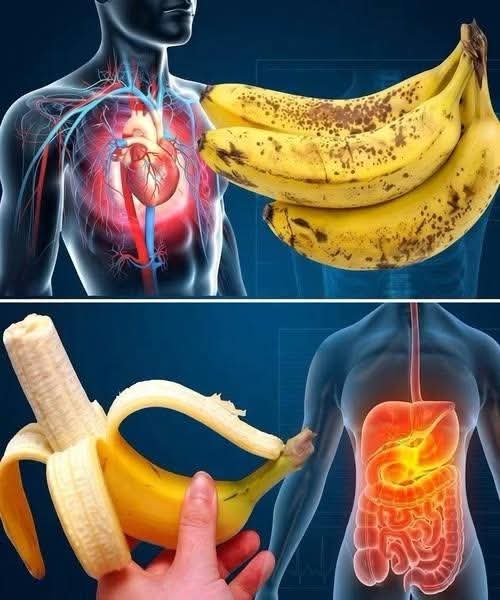
Bananas are among the simplest fruits to add to an everyday diet. They require no cooking, are naturally sweet, are easy to carry, and can be eaten alone or combined with other nutritious foods. The image above highlights two areas often associated with banana nutrition: the heart and cardiovascular system and the digestive system.
Bananas provide several important nutrients, including potassium, dietary fiber, vitamin B6, vitamin C, and naturally occurring carbohydrates. Their nutritional profile changes as they ripen, which means a firm, slightly green banana is not exactly the same nutritionally as a very ripe banana. Bananas also contain different types of carbohydrates, including starches that change during ripening.
One reason bananas receive so much attention is their potassium content. Potassium is an essential mineral involved in normal heart function, muscle contraction, nerve transmission, and kidney function. The National Institutes of Health notes that adequate potassium intake, particularly when combined with lower sodium intake, may help support healthy blood pressure and reduce stroke risk.
Bananas are also a source of fiber. Fiber is important for normal digestive function and can contribute to softer, easier-to-pass stools when consumed as part of an appropriate diet with adequate fluids. The National Institute of Diabetes and Digestive and Kidney Diseases recommends adequate dietary fiber and sufficient liquids as part of dietary approaches for constipation.
However, it is important to understand what bananas can and cannot do. A banana is a nutritious food, but it is not a treatment or cure for heart disease, high blood pressure, constipation, ulcers, or other medical conditions. The strongest benefits come from an overall healthy dietary pattern rather than from one individual food.
This article explores bananas in detail, including their nutritional profile, relationship with heart health and digestion, ways to eat them, their history, practical benefits, possible limitations, and simple ideas for making them part of a balanced lifestyle.
Ingredients
If you want to make bananas part of a healthy daily eating pattern, you do not need complicated ingredients.
Basic banana nutrition plate
- 1 medium banana
- ½ cup plain yogurt
- 1 tablespoon oats
- 1 tablespoon chopped nuts
- A small handful of berries
- Cinnamon, optional
- Water or another unsweetened beverage
This combination provides carbohydrates from the banana and oats, protein from yogurt, healthy fats from nuts, and additional fiber and micronutrients from fruit.
Simple banana breakfast
- 1 medium banana
- ½ cup oatmeal
- 1 cup milk or unsweetened plant-based milk
- 1 tablespoon peanut or almond butter
- Cinnamon
- A few berries, optional
Simple banana snack
- 1 banana
- A small handful of unsalted almonds or walnuts
The goal is not to create a “banana cure.” Instead, the goal is to combine bananas with other nutritious foods so that the overall meal is balanced.
Instructions
How to Include Bananas in Your Daily Diet
Adding bananas to your diet is extremely simple.
Step 1: Choose the ripeness
Green or slightly green bananas are firmer and contain more resistant starch. As bananas ripen, their starches are progressively converted into simpler sugars, making them softer and sweeter.
Step 2: Wash the peel
Even though you do not normally eat the peel, washing the outside before peeling can reduce the chance of transferring dirt or microorganisms from the peel to your hands or food.
Step 3: Peel and eat
A banana can simply be eaten by itself as a snack.
Step 4: Combine it with other foods
For a more satisfying meal, combine a banana with protein, fiber, or healthy fats.
For example:
Banana + yogurt + nuts
or
Banana + oatmeal + peanut butter
These combinations can be more filling than eating a banana alone.
Step 5: Drink enough fluids
Fiber works together with adequate fluid intake. NIDDK specifically recommends drinking enough liquids when increasing dietary fiber for constipation.
Methods
There are many ways to enjoy bananas without turning them into complicated recipes.
1. Fresh bananas
The simplest method is to peel and eat the fruit.
This is convenient for breakfast, school, work, travel, or exercise.
2. Banana oatmeal
Slice a banana over cooked oatmeal. Add cinnamon, nuts, seeds, or plain yogurt.
This creates a breakfast containing carbohydrates, fiber, and additional nutrients.
3. Banana smoothie
Blend:
- 1 banana
- Plain yogurt
- Milk or unsweetened plant milk
- A few berries
- Ice
Avoid adding large amounts of sugar because the banana already provides natural sweetness.
4. Banana with nut butter
Spread a small amount of peanut or almond butter over banana slices.
The combination provides carbohydrates from the fruit and protein and fat from the nut butter.
5. Frozen bananas
Slice ripe bananas and freeze them. They can later be blended into a creamy frozen dessert.
For a simple version, blend frozen banana pieces with a little plain yogurt or milk.
6. Banana and whole grains
Bananas work well with oats, whole-grain toast, whole-grain cereal, or homemade whole-grain pancakes.
This approach can help create meals with more fiber than highly refined alternatives.
History of Bananas
Bananas have a long history of cultivation and trade.
The banana plants commonly grown for food today developed through the domestication and hybridization of wild banana species in tropical regions of Southeast Asia and surrounding areas. Over centuries, bananas spread through different parts of Asia, Africa, the Middle East, and eventually other tropical and subtropical regions.
Bananas became especially important because they grow well in warm climates and can provide substantial carbohydrate energy. Different cultures developed their own ways of preparing and eating them.
Some varieties are eaten as sweet fruit when ripe, while plantains and cooking bananas are commonly prepared as savory foods.
Today, bananas are available in supermarkets across the world and are one of the most familiar fruits in many households.
Their popularity is partly explained by their convenience. Unlike many fruits, bananas come in their own natural protective peel and can be carried without containers.
Benefits
1. Bananas Provide Potassium
Potassium is one of the nutrients most strongly associated with bananas.
The body requires potassium for normal kidney and heart function, muscle contraction, and nerve transmission.
Adequate potassium intake is particularly relevant to cardiovascular health because potassium and sodium influence fluid balance and blood pressure.
The NIH explains that people with low potassium intake may have a higher risk of high blood pressure, especially when their diets are high in sodium. Increasing potassium intake while reducing excessive sodium may help support healthier blood pressure and reduce stroke risk.
That does not mean eating bananas automatically prevents hypertension. Blood pressure is influenced by many factors, including genetics, body weight, physical activity, sodium intake, overall diet, alcohol consumption, medications, and medical conditions.
Bananas can simply be one potassium-rich food within a balanced eating pattern.
2. Potential Support for Cardiovascular Health
The cardiovascular system includes the heart and blood vessels.
A heart-healthy dietary pattern generally emphasizes fruits, vegetables, whole grains, legumes, nuts, fish, and other nutrient-rich foods while limiting excessive sodium, saturated fat, highly processed foods, and sugar-sweetened foods and drinks.
USDA’s systematic review of dietary patterns found that patterns rich in fruits, vegetables, whole grains, nuts, legumes, fiber, and potassium are associated with lower cardiovascular disease risk.
Bananas can contribute to such a pattern.
The key point is that the benefit comes from the overall dietary pattern, not from bananas alone.
3. Bananas Provide Dietary Fiber
Fiber is an important component of digestive health.
Depending on age and sex, adults generally need around 22–34 grams of fiber per day, according to NIDDK guidance.
Bananas contribute some of that fiber.
Dietary fiber can help increase stool bulk and support regular bowel movements. However, different types of fiber behave differently in the digestive tract, and people respond differently to changes in fiber intake.
If someone suddenly increases fiber intake, they may experience gas, bloating, or abdominal discomfort.
For this reason, NIDDK recommends increasing fiber gradually and drinking adequate fluids.
4. Bananas and Constipation
The image suggests a connection between bananas and the digestive system, but this topic requires some nuance.
A banana may be part of a fiber-containing diet, but it should not be considered a universal remedy for constipation.
Constipation can have many causes, including insufficient fiber, inadequate fluid intake, inactivity, medication effects, changes in routine, and various medical conditions.
For people experiencing constipation, dietary strategies commonly include:
- Increasing fiber gradually
- Drinking enough fluids
- Eating a variety of fruits and vegetables
- Eating whole grains and legumes
- Staying physically active
- Maintaining a regular bathroom routine
NIDDK recommends adequate fiber and liquids as part of dietary management for constipation.
Therefore, a banana can fit into a constipation-friendly diet, but relying exclusively on bananas is unnecessary.
5. Bananas Provide Natural Energy
Bananas contain carbohydrates, making them a convenient source of energy.
This is one reason they are popular among physically active people.
A banana can be eaten before physical activity as part of a meal or snack. The carbohydrates can contribute to energy availability.
However, the amount and timing of food needed around exercise depend on the person’s activity, duration, intensity, and individual tolerance.
For casual daily activity, there is usually no need to treat a banana as a specialized sports supplement.
6. Vitamin B6
Bananas provide vitamin B6.
Vitamin B6 participates in numerous metabolic processes in the body, including processes involved in amino acid metabolism and neurotransmitter synthesis.
Eating a variety of foods is generally the best way to obtain vitamin B6 and other micronutrients.
Bananas are useful as one contributor to that overall nutritional variety.
7. Vitamin C and Other Nutrients
Bananas also provide vitamin C and smaller amounts of several other vitamins and minerals.
Vitamin C functions as an antioxidant and contributes to normal immune function and collagen formation.
Again, one banana does not provide everything the body needs.
The best strategy is variety.
Combining bananas with berries, citrus fruits, vegetables, whole grains, legumes, nuts, seeds, dairy or alternatives, and protein foods can provide a broader range of nutrients.
8. Convenient and Affordable
One of the most underrated benefits of bananas is convenience.
They are:
- Easy to transport
- Easy to peel
- Naturally portioned
- Widely available
- Useful in many recipes
- Suitable for breakfast or snacks
- Easy to freeze
- Naturally sweet
Healthy eating does not always need to be complicated.
Having convenient foods available can make it easier to choose nutritious snacks instead of highly processed alternatives.
Formation
How Bananas Change as They Ripen
A banana changes considerably during ripening.
A green banana is generally firmer and less sweet. As it ripens, its starches are converted into simpler sugars. The texture becomes softer, and the flavor becomes sweeter.
This explains why a very ripe banana tastes dramatically sweeter than a green banana.
Green bananas
Green bananas tend to contain more resistant starch.
Resistant starch behaves differently from rapidly digested starch because some of it passes into the large intestine, where it can be fermented by gut microorganisms.
Yellow bananas
Yellow bananas have a balance between starch and sugars and are usually soft enough to eat comfortably.
Very ripe bananas
Very ripe bananas contain more simple sugars and have a soft texture.
They are particularly useful for baking because their natural sweetness can reduce the need for added sugar in some recipes.
Bananas and the Gut Microbiome
The digestive tract contains a complex community of microorganisms known collectively as the gut microbiome.
Certain carbohydrates that resist digestion in the small intestine can reach the large intestine and become available to gut microorganisms.
Resistant starch is one example.
This is an area of ongoing nutritional research. It is more accurate to say that certain components of bananas can interact with the digestive environment than to claim that bananas “clean the intestines” or “remove toxins.”
The human digestive system already has organs and physiological processes responsible for digestion, absorption, and elimination.
There is no scientific need to describe bananas as a detoxifying treatment.
Nutrition
A medium banana provides carbohydrates, fiber, potassium, vitamin B6, vitamin C, and other nutrients.
Its exact nutritional composition varies according to size, variety, and ripeness.
Important nutritional components include:
Carbohydrates:
The primary energy-providing macronutrient in bananas.
Fiber:
Contributes to total dietary fiber intake.
Potassium:
Important for heart and muscle function, nerve transmission, and fluid balance.
Vitamin B6:
Supports several metabolic processes.
Vitamin C:
Contributes to antioxidant defenses and normal collagen formation.
Water:
Like most fresh fruits, bananas contain a significant amount of water.
Bananas and Blood Sugar
Bananas contain natural sugars and carbohydrates, so they can raise blood glucose.
The effect depends on factors such as ripeness, portion size, what else is eaten with the banana, and individual metabolism.
A very ripe banana is sweeter because more of its starch has been converted into sugars.
People with diabetes do not necessarily need to eliminate bananas, but they may need to consider portion size and carbohydrate intake as part of their individualized eating plan.
Pairing a banana with a source of protein or fat, such as plain yogurt or a small amount of nut butter, can create a more balanced snack.
Anyone taking medication for diabetes should follow their healthcare professional’s dietary advice.
Are Bananas Good for the Heart?
Bananas can contribute to a heart-healthy diet because they provide potassium and fit naturally into a fruit-rich dietary pattern.
Potassium is particularly important because insufficient intake can contribute to higher blood pressure, while adequate potassium intake may support healthy blood pressure, particularly alongside lower sodium intake.
But it is important not to exaggerate the claim.
Eating bananas does not guarantee protection against heart attacks or stroke.
A comprehensive cardiovascular lifestyle may include:
- Regular physical activity
- A balanced diet
- Adequate fruits and vegetables
- Appropriate fiber intake
- Limiting excessive sodium
- Avoiding tobacco
- Maintaining a healthy body weight
- Managing blood pressure
- Managing cholesterol
- Following prescribed medical treatment when necessary
USDA evidence supports dietary patterns rich in plant foods and other nutrient-dense foods as being associated with reduced cardiovascular disease risk.
Bananas and Digestive Comfort
Many people tolerate bananas well.
Their soft texture makes them easy to include in breakfast, smoothies, and snacks.
However, digestive responses are individual.
Some people may experience bloating or changes in bowel habits after eating particular foods. If bananas consistently cause discomfort, it may be useful to discuss the pattern with a healthcare professional or registered dietitian.
People with irritable bowel syndrome may have different responses to different foods. NIDDK notes that dietary approaches for IBS are individualized and may include increased fiber or, under professional guidance, a low-FODMAP diet.
Formation of a Heart-Friendly Banana Meal
A banana becomes more nutritionally useful when combined with other foods.
Try creating a balanced breakfast:
Banana oatmeal bowl
Add:
- 1 banana
- ½ cup oats
- Plain yogurt
- Chopped walnuts
- Berries
- Cinnamon
This combination provides carbohydrates, fiber, protein, healthy fats, vitamins, minerals, and plant compounds.
The important concept is balance.
A healthy meal rarely depends on one ingredient.
Who Should Be Careful With Potassium?
Most healthy people with normal kidney function can obtain potassium through a varied diet.
However, people with kidney disease or those taking certain medications may need individualized potassium guidance.
The NIH specifically warns that people with kidney disease or people taking certain medications can develop excessively high potassium levels, particularly with potassium-containing salt substitutes or supplements.
Therefore, someone with kidney disease should not dramatically increase potassium-rich foods or begin potassium supplements without discussing the issue with their healthcare professional.
Food is not automatically dangerous, but medical conditions can change nutritional requirements.
Lovers
Banana lovers appreciate this fruit for many reasons.
Some enjoy the creamy texture of a ripe banana. Others prefer slightly green bananas because they are firmer and less sweet.
Bananas also work beautifully in desserts.
They can be used in:
- Banana bread
- Smoothies
- Pancakes
- Oatmeal
- Muffins
- Fruit salads
- Frozen desserts
- Yogurt bowls
- Breakfast toast
- Homemade energy snacks
Their versatility makes them one of the easiest fruits to use regularly.
Common Myths About Bananas
Myth 1: Bananas clean your arteries
There is no basis for saying that eating bananas literally cleans plaque from arteries.
Bananas can contribute potassium and fit into a heart-healthy diet, but they are not an artery-cleaning treatment.
Myth 2: Bananas cure high blood pressure
Bananas can contribute potassium, and adequate potassium intake may support healthy blood pressure.
But hypertension is a medical condition that may require lifestyle changes, monitoring, and medication.
Myth 3: Bananas cure constipation
Bananas provide fiber, but constipation has many possible causes.
NIDDK recommends a broader approach involving fiber, fluids, activity, and appropriate medical care when necessary.
Myth 4: You should never eat ripe bananas
There is no general reason to avoid ripe bananas.
Ripe bananas are simply sweeter and softer because of changes in their carbohydrates.
Myth 5: Bananas are unhealthy because they contain sugar
Bananas contain naturally occurring sugars along with fiber, vitamins, minerals, and water.
The nutritional context matters.
A whole banana is very different from consuming a large amount of added sugar in a sweetened beverage or dessert.
How Many Bananas Should You Eat?
There is no universal number that every person should eat.
For many people, one banana is a reasonable serving of fruit.
The right amount depends on the rest of the diet, energy requirements, activity level, medical conditions, and personal preferences.
Eating a wide variety of fruits is generally more useful than relying on one fruit every day.
For example, rotate bananas with:
- Apples
- Oranges
- Berries
- Pears
- Melons
- Kiwi
- Peaches
- Grapes
Variety helps provide different nutrients and plant compounds.
A Simple Daily Banana Routine
Morning
Have a banana with oatmeal and plain yogurt.
Midday
Eat vegetables, whole grains, and a protein source.
Afternoon
Use a banana and a small handful of unsalted nuts as a snack if desired.
Evening
Eat a balanced meal containing vegetables, protein, and a whole-grain or other carbohydrate source.
Hydration
Drink water regularly according to your individual needs.
This approach is more meaningful than following a “banana detox” or banana-only diet.
Important Health Considerations
A healthy diet should not be based on one food.
If you have persistent digestive symptoms, unexplained weight loss, blood in the stool, severe abdominal pain, vomiting, fever, or difficulty passing gas, seek medical attention rather than trying to treat the problem with bananas.
NIDDK identifies symptoms such as rectal bleeding, blood in the stool, constant abdominal pain, vomiting, fever, inability to pass gas, and unexplained weight loss as reasons for prompt medical evaluation in the context of constipation.
Likewise, persistent high blood pressure should be evaluated by a healthcare professional.
Bananas can support a nutritious diet, but they should never replace appropriate medical treatment.
Methods for Getting More Nutrition From Bananas
Instead of simply eating more bananas, improve the quality of the entire meal.
Method 1: Add protein
Combine banana with:
- Greek yogurt
- Eggs
- Cottage cheese
- Unsweetened milk
- Nut butter
Method 2: Add fiber
Combine banana with:
- Oats
- Chia seeds
- Flaxseed
- Berries
- Whole-grain cereal
Method 3: Add healthy fats
Try:
- Walnuts
- Almonds
- Peanut butter
- Chia seeds
- Flaxseed
Method 4: Reduce added sugar
When preparing banana desserts, allow the natural sweetness of ripe bananas to provide some of the sweetness instead of adding large quantities of sugar.
Conclusion
Bananas are much more than a convenient sweet fruit.
They provide potassium, fiber, carbohydrates, vitamin B6, vitamin C, and other nutrients that can contribute to a balanced diet. Their potassium content makes them particularly relevant to discussions about cardiovascular nutrition, while their fiber and carbohydrate composition make them useful in many meals and snacks.
The image showing bananas alongside the heart and digestive system represents real nutritional connections, but those connections should be understood accurately.
Bananas do not “clean” arteries, cure heart disease, or eliminate digestive problems. Instead, they can contribute to healthy eating patterns that support normal cardiovascular and digestive function.
Potassium is essential for normal heart and muscle function, and adequate potassium intake may help support healthy blood pressure, particularly when sodium intake is also controlled.
Fiber is important for digestive health, and NIDDK recommends adequate fiber and fluids as part of dietary strategies for constipation.
The biggest lesson is therefore simple: do not look for one magical food. Build a healthy dietary pattern.
Bananas can be an excellent part of that pattern.
Second Conclusion
A banana is an inexpensive, convenient, versatile, and nutrient-rich food that can fit into almost any balanced diet.
Its potassium contributes to normal cardiovascular and muscular function. Its fiber contributes to overall dietary fiber intake. Its carbohydrates provide readily available energy, while its vitamin and mineral content adds nutritional value to everyday meals.
For digestive health, bananas can be included alongside other fiber-rich foods and adequate fluids. For cardiovascular nutrition, they can be part of a dietary pattern rich in fruits, vegetables, whole grains, legumes, nuts, and other nutrient-dense foods.
The important point is moderation and variety.
Rather than searching for a food that can “detox” the body or instantly repair the heart or digestive system, focus on consistent habits: eat a variety of whole foods, stay physically active, drink enough fluids, limit excessive sodium and highly processed foods, and seek professional medical advice when symptoms persist.
Lovers of Bananas: Final Thoughts
For banana lovers, there are countless ways to enjoy this simple fruit.
Eat it fresh.
Slice it over oatmeal.
Blend it into a smoothie.
Freeze it for a creamy dessert.
Add it to yogurt.
Pair it with nuts.
Bake it into banana bread.
Or simply keep one in your kitchen for a quick snack.
The real strength of bananas is not that they are a miracle food. Their strength is that they are nutritious, practical, affordable, and easy to include in a healthy lifestyle.
When combined with a varied diet and healthy daily habits, bananas can be a delicious part of a lifestyle that supports overall nutrition, digestive health, and cardiovascular well-being.
Note: This article is for general educational purposes and does not replace medical advice. People with kidney disease, potassium restrictions, diabetes, persistent digestive symptoms, or other medical conditions should discuss individualized dietary choices with a qualified healthcare professional.