High Creatinine? Can Onions Really “Flush” the Kidneys and Rebuild Kidney Health?
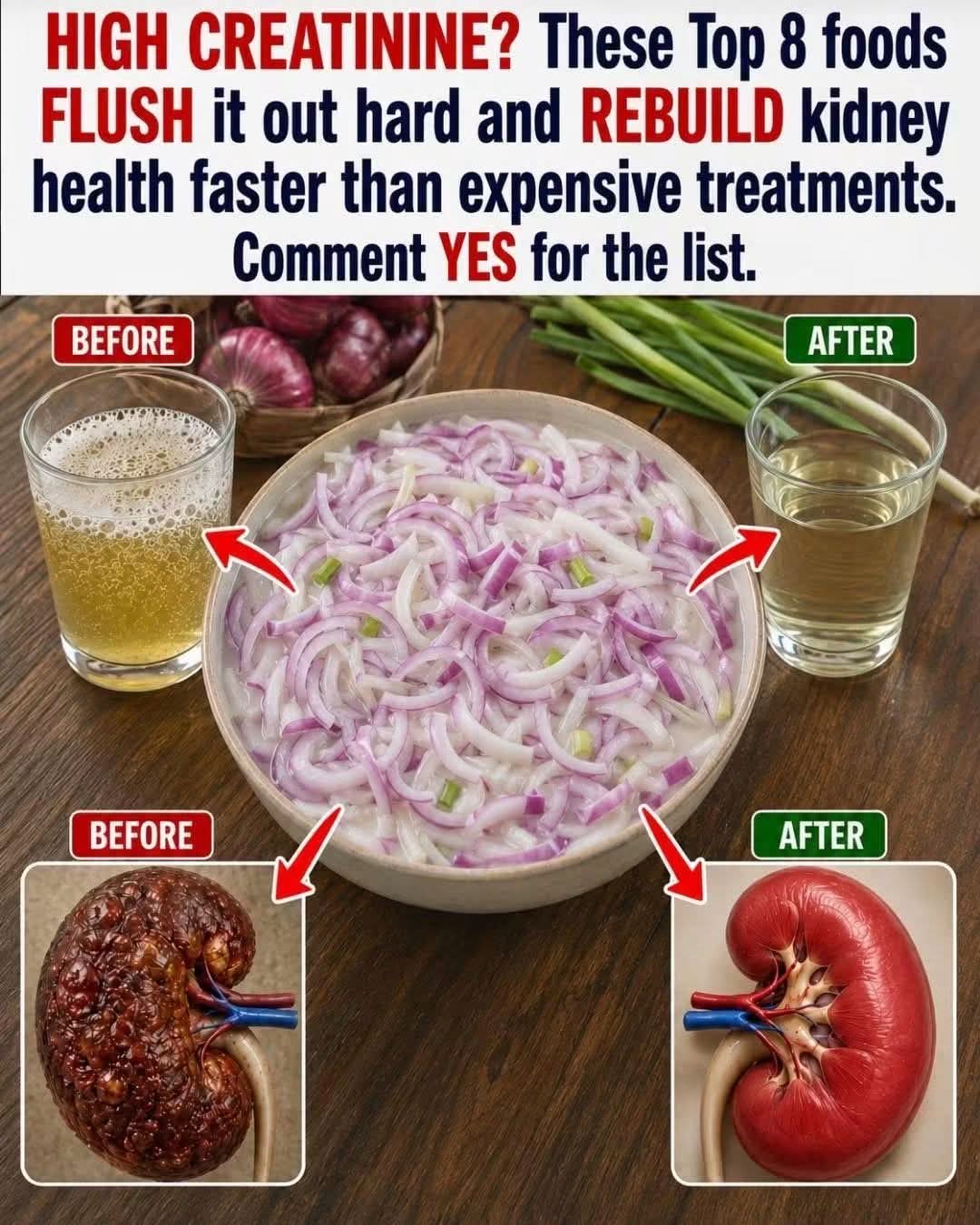
The image above makes a dramatic claim: that eating or drinking a preparation made from onions can “flush” the kidneys, lower high creatinine, and rebuild kidney health faster than expensive treatments. It is an attractive promise, especially for people who are worried about kidney problems.
However, this claim is not supported by reliable medical evidence. Onions can absolutely be part of a healthy diet, but no food, drink, tea, or homemade “detox” recipe has been proven to flush diseased kidneys, reverse kidney failure, or rebuild damaged kidney tissue. High creatinine is also not a diagnosis by itself. It is a laboratory finding that needs to be interpreted in the context of a person’s kidney function, medical history, medications, hydration status, and other test results.
That does not mean diet is unimportant. In fact, nutrition can play a major role in protecting kidney health. The important point is that kidney care should be individualized and evidence-based, not based on viral before-and-after images or miracle remedies.
This article explains what creatinine really means, what onions may contribute to a healthy diet, which habits can support kidney health, and when professional medical care is essential.
Understanding Creatinine: Why a High Result Should Not Be Ignored
Creatinine is a waste product produced naturally by the body’s muscles. Healthy kidneys filter creatinine from the blood, and the body removes it mainly through urine. For this reason, healthcare professionals often use blood creatinine measurements, together with other information, to assess kidney function.
A higher-than-expected creatinine level can sometimes occur when kidney filtration is reduced, but it may also be affected by factors such as:
- Muscle mass
- Age
- Sex
- Recent strenuous exercise
- Dehydration
- Certain medications
- Muscle injury
- Some medical conditions
- Urinary obstruction
- Dietary factors in certain situations
For this reason, one creatinine number does not tell the whole story. A clinician may also look at the estimated glomerular filtration rate (eGFR), urine tests, blood pressure, medical history, symptoms, and the trend in kidney function over time.
Someone whose creatinine is slightly above a laboratory reference range may have a very different situation from someone whose creatinine has suddenly doubled. A sudden increase can sometimes signal an urgent problem, while a stable value must be interpreted in the context of the person’s overall health.
Why the trend matters
Kidney health is often better understood by looking at changes over time rather than focusing on a single laboratory result. A persistent decline in kidney function may require investigation and treatment.
Ignoring abnormal kidney results while relying only on a homemade drink can delay diagnosis of conditions such as:
- Diabetes-related kidney damage
- High blood pressure–related kidney damage
- Kidney inflammation
- Kidney stones or urinary obstruction
- Medication-related kidney injury
- Infections
- Autoimmune conditions
- Other forms of chronic or acute kidney disease
This is why a high creatinine result deserves a proper medical interpretation rather than a promise that one ingredient will “wash it away.”
Can Onions Help the Kidneys?
Onions are nutritious vegetables and can be included in many balanced eating patterns. They contain fiber and various plant compounds, and they can add strong flavor to meals without requiring large amounts of salt.
That last point can be especially useful because reducing excessive sodium intake is an important dietary strategy for many people with high blood pressure or kidney disease. Preparing food at home and using ingredients such as onions, garlic, herbs, and spices can help reduce reliance on heavily salted sauces and processed foods.
However, there is an important difference between saying:
“Onions can be part of a healthy diet.”
and saying:
“Onions flush the kidneys and rebuild damaged kidney tissue.”
The first statement is reasonable. The second is an unsupported medical claim.
There is no established clinical treatment in which drinking onion water has been shown to reverse chronic kidney disease, cure kidney failure, or reliably normalize high creatinine.
People with chronic kidney disease also do not all need the same diet. Depending on kidney function and laboratory results, some people may need individualized adjustments involving:
- Sodium
- Protein
- Potassium
- Phosphorus
- Fluid intake
These needs can change as kidney disease progresses, so copying a generic internet remedy can be risky.
The Myth of “Flushing” or “Detoxing” the Kidneys
The language of “flushing” and “detoxing” is common in social-media health posts. It creates the impression that toxins accumulate inside the kidneys like dirt in a container and can simply be washed away with the right drink.
Human biology is much more complicated.
The kidneys continuously filter blood and help regulate:
- Water balance
- Electrolytes
- Blood pressure
- Acid-base balance
- Waste removal
When kidneys are healthy, they perform these functions naturally. When they are damaged, drinking a particular homemade liquid does not automatically repair the injured tissue.
More liquid is not always better
Another common misconception is that everyone with kidney problems should drink extremely large amounts of water.
Proper hydration is important, but excessive fluid can be harmful in some people. Individuals with advanced kidney disease, swelling, heart problems, or certain other conditions may need personalized fluid guidance because damaged kidneys may not remove excess fluid effectively.
The healthiest approach is not to force large quantities of water or herbal drinks simply because a viral post claims they “clean” the kidneys.
How Onions May Fit Into a Kidney-Friendly Diet
Although onions are not a cure, they can still be a useful food.
1. They add flavor
One of the biggest practical challenges when reducing sodium is making food taste satisfying. Onions can add depth and aroma to soups, sauces, salads, rice dishes, and vegetable meals.
2. They may help reduce dependence on salt
Instead of adding excessive table salt, people can build flavor with ingredients such as:
- Onions
- Garlic
- Lemon juice
- Fresh herbs
- Dried herbs
- Pepper
- Vinegar
- Salt-free spice blends
For many people with kidney disease or high blood pressure, reducing sodium intake is an important part of dietary management. NIDDK notes that excessive sodium can contribute to fluid retention and increased blood pressure, which can place additional stress on the kidneys and heart.
3. They provide plant-based nutrients
Vegetables contribute to an overall healthy eating pattern. However, kidney disease can sometimes require specific dietary adjustments, and a person’s laboratory values matter.
The key lesson is simple: an onion can be a healthy ingredient without being a miracle medicine.
What Really Helps Protect Kidney Health?
The most effective approach to kidney health usually involves consistent long-term habits and proper treatment of underlying conditions.
Control blood pressure
High blood pressure can damage the kidneys, and kidney disease can also contribute to high blood pressure. Controlling blood pressure is therefore a major part of protecting kidney function.
Lifestyle strategies may include:
- Reducing excess sodium
- Staying physically active when medically appropriate
- Maintaining a healthy body weight
- Following prescribed treatment
- Avoiding smoking
- Managing stress
- Getting adequate sleep
For people with kidney disease, a healthcare professional can determine appropriate blood pressure goals and treatment.
Manage diabetes carefully
Diabetes is a major risk factor for kidney disease. Persistently elevated blood sugar can damage the small blood vessels that help the kidneys filter the blood.
People with diabetes can help protect their kidneys by working with their healthcare team to manage:
- Blood glucose
- Blood pressure
- Cholesterol
- Weight
- Medication use
Routine kidney testing can also help detect problems early.
Reduce excessive sodium
Packaged and processed foods can contain large amounts of sodium, even when they do not taste extremely salty.
Common high-sodium foods may include:
- Processed meats
- Instant noodles
- Salty snacks
- Fast food
- Many canned foods
- Ready-made sauces
- Some frozen meals
NIDDK recommends attention to sodium intake and notes that many adults are advised to limit sodium to 2,300 milligrams per day, while some people with chronic kidney disease may need a different, individualized limit.
Cooking more meals at home can make it easier to control what goes into food.
Protein: More Is Not Always Better
Protein is essential. The body needs it to maintain muscles, organs, and many other tissues.
However, some people with chronic kidney disease may need to moderate their protein intake because protein metabolism produces waste products that the kidneys must remove. At the same time, too little protein can contribute to malnutrition.
This means a high-protein diet is not automatically appropriate for everyone, and a low-protein diet should not be started without professional guidance.
Dietary recommendations can also differ for people receiving dialysis, who may have different protein requirements.
The goal is not to eliminate protein. The goal is to eat the amount and type that fits an individual’s health needs.
Potassium and Phosphorus: Why Generic Diets Can Be Dangerous
One of the biggest problems with viral kidney-health diets is that they often treat every kidney patient as though they have the same nutritional needs.
They do not.
As kidney function changes, the body may have more difficulty maintaining safe levels of certain minerals.
Potassium
Potassium is essential, but levels that become too high can cause serious heart and muscle problems. Some people with chronic kidney disease may need to monitor or limit potassium, while others may not need to restrict it.
A person should not unnecessarily eliminate healthy fruits and vegetables without individualized advice.
Phosphorus
Damaged kidneys may have difficulty removing phosphorus. In some people, high blood phosphorus levels can contribute to complications involving bones and blood vessels.
Processed foods with phosphorus additives may be an important source of concern for some people with advanced kidney disease.
These examples show why the same internet recipe cannot be recommended as a universal kidney treatment.
A Sensible Onion Recipe for Flavor, Not for “Curing” Kidneys
If you enjoy onions, here is a simple way to use them as part of a balanced meal.
Simple Sautéed Onion and Vegetable Dish
Ingredients
- 1 medium onion, thinly sliced
- 1 tablespoon olive oil or another suitable cooking oil
- 1 garlic clove, optional
- Fresh herbs
- Black pepper or other salt-free seasonings
- A selection of vegetables appropriate for your dietary needs
- Lemon juice, optional
Method
- Wash and prepare the vegetables.
- Slice the onion into thin pieces.
- Heat the oil in a pan over medium heat.
- Add the onions and cook slowly until soft and lightly golden.
- Add garlic and vegetables if desired.
- Season with herbs and spices rather than excessive salt.
- Serve as part of a balanced meal.
This dish does not “flush” the kidneys or cure kidney disease. Its potential benefit is much more realistic: it can help create a flavorful meal using fresh ingredients and less sodium.
What About Onion Water?
Some viral recipes recommend boiling or soaking onions and drinking the resulting liquid.
For most people, consuming ordinary food-based amounts of onion is generally a normal dietary practice. However, there is no reliable evidence that onion water can:
- Rebuild damaged kidneys
- Cure chronic kidney disease
- Replace dialysis
- Reverse kidney failure
- Rapidly lower creatinine regardless of the cause
- Remove kidney “toxins” in a special way
A beverage can also be unsuitable for someone who has been told to limit fluid intake.
If a person enjoys onion-based drinks as a food or traditional beverage, that is different from presenting them as medical treatment.
Beware of Before-and-After Images
The image used in this type of post often shows a severely damaged-looking kidney on one side and a smooth, healthy-looking kidney on the other.
This type of visual presentation can be emotionally persuasive, but it does not prove that the recipe caused the transformation.
Kidney disease is not usually assessed by looking at a dramatic illustration and then observing that an image appears healthier after a few days. Medical professionals use tools such as:
- Blood tests
- Urine tests
- Blood pressure measurements
- Medical history
- Imaging studies when needed
- Assessment of symptoms
- Repeat testing over time
A dramatic “before and after” picture should never be considered proof of a treatment’s effectiveness.
Expensive Treatment Versus Evidence-Based Treatment
Another misleading part of many viral health posts is the suggestion that there is a simple food remedy that works better than all “expensive treatments.”
Medical treatment is not automatically unnecessary simply because a natural food exists.
Depending on the cause of kidney disease, treatment may include:
- Blood pressure medication
- Diabetes management
- Medication adjustments
- Treatment for urinary obstruction
- Treatment of infections
- Specialist care
- Individualized nutrition therapy
- Dialysis in advanced kidney failure
- Kidney transplantation in appropriate situations
A person should never stop prescribed treatment in favor of onion water, herbal mixtures, detox drinks, or other unproven remedies.
The good news is that some evidence-based treatments and lifestyle changes can genuinely help slow kidney damage or manage complications. But they must be matched to the person’s actual diagnosis.
When Should You See a Doctor?
Seek medical advice if you have been told that your creatinine is high, especially if you do not know the cause.
Kidney problems can sometimes cause few symptoms in the early stages. When symptoms occur, they may include:
- Swelling in the feet or ankles
- Changes in urination
- Blood in the urine
- Foamy urine
- Persistent fatigue
- Loss of appetite
- Nausea or vomiting
- Shortness of breath
These symptoms can also occur with other medical conditions, so proper evaluation is important.
Seek urgent medical care if you experience:
- Very little or no urine output
- Severe shortness of breath
- Severe swelling
- Chest pain
- Confusion
- Severe weakness
- Persistent vomiting
- A sudden serious deterioration in health
A sudden kidney injury can require urgent treatment. Do not wait for a homemade remedy to work.
A Better Daily Strategy for Kidney Health
There is no single food that can guarantee healthy kidneys. A more reliable strategy is to build healthy habits over time.
Choose more fresh foods
Fresh, minimally processed foods can make it easier to control sodium and other nutrients.
Use flavor without excessive salt
Onions, garlic, herbs, spices, and acidic ingredients such as lemon or vinegar can help make meals enjoyable.
Stay appropriately hydrated
Drink fluids according to your body’s needs and any medical advice you have received. Do not force excessive amounts of liquid if you have been told to restrict fluids.
Manage blood pressure
Regular monitoring and treatment are important for people at risk of kidney disease.
Manage blood sugar
People with diabetes should follow an individualized plan for blood glucose management.
Be cautious with medications and supplements
Some medications and supplements can affect kidney function. The NHS advises checking with a doctor or pharmacist before using over-the-counter medicines or supplements when you have kidney disease.
Get regular kidney tests when appropriate
People with diabetes, high blood pressure, heart disease, or a family history of kidney failure may have an increased risk of kidney disease and may benefit from appropriate screening.
Frequently Asked Questions
Does eating onions lower creatinine?
There is no reliable evidence that simply eating onions will consistently lower a person’s creatinine level or reverse the cause of kidney dysfunction. Creatinine changes should be interpreted medically.
Can onion water cure kidney disease?
No good evidence shows that onion water cures chronic kidney disease or rebuilds damaged kidneys.
Can I eat onions if I have kidney disease?
Possibly, but individual dietary needs vary. A doctor or renal dietitian can provide personalized advice based on kidney function and laboratory results.
Should I drink lots of water to clean my kidneys?
Not necessarily. Adequate hydration is important, but excessive fluid intake can be harmful in some people with kidney or heart problems. Follow individualized medical advice.
Can diet help slow kidney disease?
Yes. For many people, appropriate nutrition, sodium reduction, blood pressure control, diabetes management, and other healthy habits can help protect kidney function. The exact dietary plan should be individualized.
Final Thoughts
The claim that onions can “flush out high creatinine and rebuild kidney health faster than expensive treatments” is an exaggeration and should not be treated as medical fact.
Onions are a nutritious, flavorful food and can be a useful part of a balanced diet. They may help people prepare flavorful meals with less salt, which can be valuable for overall health and, for many people, kidney health. But an onion is not a kidney cure, and onion water is not a replacement for diagnosis, medication, dialysis, or other evidence-based treatment.
If you have high creatinine, focus on finding out why it is elevated. The safest path is to discuss your results with a qualified healthcare professional, review the full picture of your kidney function, and follow a nutrition plan appropriate for your condition.
Real kidney care may not have the excitement of a viral “miracle remedy,” but protecting your health with evidence-based habits and proper treatment is far more valuable than believing a dramatic before-and-after image.
Disclaimer: This article is for general educational purposes and is not a substitute for medical advice, diagnosis, or treatment. Do not stop prescribed medication or replace medical care with a home remedy.